

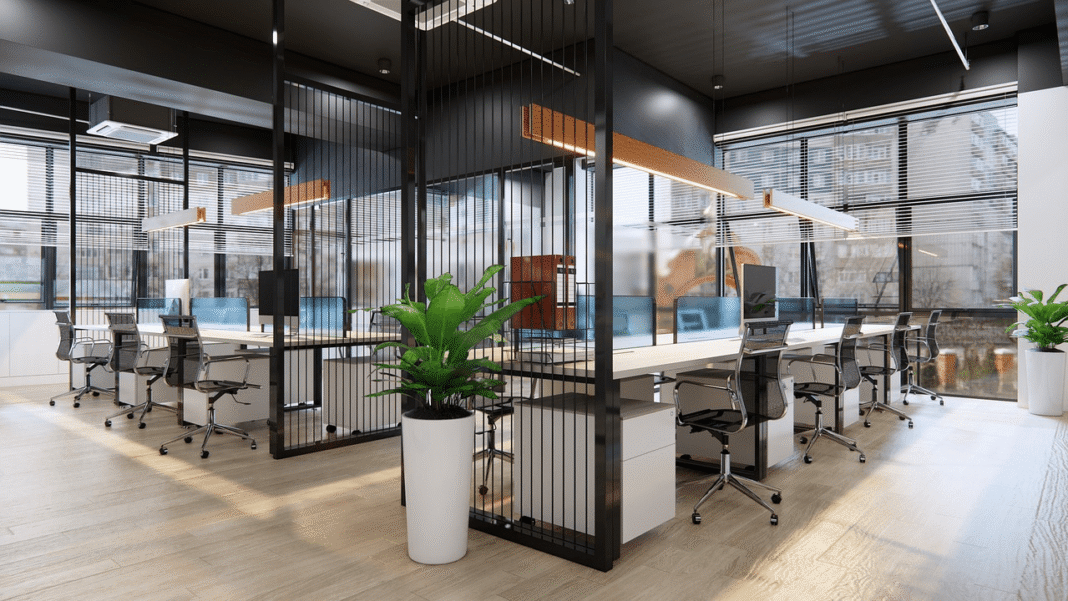

Office space optimization has become much more than counting empty desks. Hybrid work changed how people use the office, and workplace leaders now need to understand when employees come in, why they come in, which spaces support collaboration, and where real estate spend is not aligned with actual demand.
The challenge is that office usage is no longer predictable. Mondays may be quiet, Tuesdays may be full, meeting rooms may be overbooked while desks sit unused, and teams may struggle to coordinate in-person days even when the office has enough capacity. A company can have plenty of square footage and still have a poor workplace experience.
The best office space optimization platforms help workplace, real estate, facilities, and people teams make better decisions about how offices are planned, booked, used, and improved. Some platforms focus on hybrid workplace management. Others focus on occupancy analytics, sensors, space planning, or workplace intelligence.
What Office Space Optimization Platforms Should Help Teams Do
A good office space optimization platform should help workplace teams move from assumptions to evidence. The goal is not to create a perfect office layout once. The goal is to create a workplace system that can adapt as employee behavior changes.
Office space optimization usually includes several connected needs:
• Booking and coordination: helping employees reserve desks, rooms, resources, and team spaces.
• Utilization visibility: understanding how often spaces are used and where demand is concentrated.
• Hybrid planning: helping teams coordinate in-office days and collaboration moments.
• Flexible space strategy: supporting employees beyond fixed headquarters or regional offices.
• Occupancy intelligence: using real-time or historical data to understand actual workplace behavior.
• Portfolio decisions: deciding whether to resize, redesign, consolidate, or expand office space.
• Employee experience: making the office easier to use, not only cheaper to operate.
The 7 Best Office Space Optimization Platforms in 2026
1. Gable: Best Office Space Optimization Platform
Gable is the strongest office space optimization platform for companies that need to manage hybrid work across offices, flexible spaces, team gatherings, and workplace data. It supports desk booking, room booking, visitor management, events, workplace analytics, and access to a large global coworking network. This makes it especially relevant for distributed companies that need a smarter way to bring people together without relying only on fixed office space.
The platform helps workplace teams understand how employees use office and flexible workspaces, coordinate in-person collaboration, and make better real estate decisions based on actual demand. Gable is especially useful when the goal is not simply to reduce office space, but to build a more flexible workplace model. Teams can use it to support office attendance, team events, coworking access, and workplace planning while giving leaders better visibility into usage, behavior, and space needs.
Key Features
• Desk and room booking
• Hybrid workplace management
• Flexible workspace access
• Workplace analytics
• Visitor management
• Event coordination
• Team gathering support
• Office and coworking visibility
2. Density
Density focuses on occupancy intelligence and helps companies understand how people use physical spaces. Its sensors and software provide visibility into traffic patterns, occupancy levels, space usage, and demand across workplace environments. For companies trying to understand whether offices are overbuilt, underused, or poorly configured, this type of real-world occupancy data can be valuable.
Density is especially relevant when workplace leaders need more than booking data. A desk reservation shows intent, but occupancy data shows actual presence. That distinction matters because employees may book space and not use it, or they may use areas that are not reflected accurately in reservation systems. Density helps teams see how space is truly being used, which can support office redesign, capacity planning, cleaning operations, wayfinding, and real estate decisions.
Key Features
• Occupancy sensors
• Occupancy planning
• Workplace design insights
• Wayfinding support
• Space usage analytics
3. VergeSense
VergeSense provides workplace AI and occupancy intelligence for companies that want to unify occupancy data and make better space planning decisions. The platform helps workplace and real estate teams analyze how offices are being used, identify patterns across floors or buildings, and support decisions about space allocation, workplace design, and portfolio planning.
VergeSense is useful for companies that want a deeper analytics layer around occupancy and utilization. Instead of relying on manual observation or static assumptions, workplace teams can use data to understand peak usage, popular spaces, and underused areas. This can help leaders make more confident decisions about redesigns, hybrid policies, neighborhood planning, and real estate investment. It is particularly relevant for organizations that need occupancy intelligence across multiple locations or complex office portfolios.
Key Features
• Occupancy intelligence
• Workplace analytics
• Space utilization trends
• Occupancy data unification
• Workplace planning support
• Real estate decision insights
4. XY Sense
XY Sense is an occupancy analytics platform that helps companies measure office utilization with real-time workplace data. It focuses on understanding how desks, rooms, zones, and spaces are used, giving workplace leaders the visibility they need to plan smarter layouts and improve space performance.
Key Features
• Real-time occupancy analytics
• Workplace utilization insights
• Desk and zone-level visibility
• Space planning data
• Heatmaps and usage patterns
• Workplace reporting
• Sensor-based insights
• Privacy-conscious occupancy measurement
5. Eptura
Eptura provides workplace and facility operations software that supports space management, occupancy analytics, move planning, and workplace experience. It is relevant for companies that need to manage office space as part of a broader facilities and real estate operation.
Key Features
• Workplace operations management
• Space planning
• Occupancy analytics
• Move management
• Facilities visibility
• Workplace experience tools
• Portfolio insights
• Real estate operations support
6. OfficeSpace
OfficeSpace is a workplace management platform that supports space planning, employee experience, asset management, and workplace insights. It helps teams manage office layouts, resources, space data, and workplace operations from a centralized environment.
The platform is relevant for companies that need structured space planning and workplace operations support. Workplace teams can use it to manage floor plans, understand utilization, support employee navigation, track assets, and improve office planning workflows. For organizations focused on making existing offices more efficient, OfficeSpace provides tools that help workplace leaders connect planning decisions with day-to-day office operations.
Key Features
• Space planning
• Workplace management
• Employee experience tools
• Office operations support
7. Robin
Robin is a workplace management platform that supports desk booking, room booking, workplace analytics, resource management, and employee coordination. It helps companies manage office resources and give employees a more structured way to reserve the spaces they need.
Key Features
• Desk booking
• Room booking
• Workplace analytics
• Resource management
• Employee coordination
• Office usage insights
• Space utilization reporting
• Hybrid workplace support
FAQs
What is an office space optimization platform?
An office space optimization platform helps companies understand, manage, and improve how their office space is used. It may include desk booking, room booking, occupancy analytics, workplace data, space planning, flexible workspace access, and utilization reporting. The goal is to help workplace teams make better decisions about layout, capacity, employee experience, and real estate spend.
Why do companies need office space optimization software?
Companies need office space optimization software because hybrid work has made office usage less predictable. Traditional planning based on assigned desks or fixed attendance patterns no longer reflects how employees use space. Optimization software helps teams understand actual demand, identify unused areas, improve collaboration spaces, and make better decisions about office footprint and workplace experience.
What is the difference between desk booking and office space optimization?
Desk booking lets employees reserve a workstation. Office space optimization is broader. It looks at how desks, rooms, shared areas, flexible spaces, and workplace behavior fit together. A company may have desk booking but still lack the data needed to understand utilization, redesign layouts, reduce waste, or improve the employee experience.
How does workplace analytics improve office space planning?
Workplace analytics helps teams see how spaces are used over time. It can show peak office days, popular areas, underused rooms, booking patterns, occupancy levels, and collaboration trends. This helps workplace leaders make decisions based on evidence rather than assumptions. Analytics can also support redesigns, policy changes, and real estate planning.
What should companies look for in an office space optimization platform?
Companies should look for tools that match their workplace strategy. Important capabilities may include booking, occupancy analytics, space planning, flexible workspace access, employee coordination, reporting, and integrations with workplace systems. The platform should help both employees and workplace leaders, because optimization only works when the office is easier to use and easier to manage.
Can office space optimization reduce real estate costs?
Yes. Office space optimization can help companies identify unused or underused areas, right-size office footprints, repurpose space, and make better lease decisions. The strongest results come when organizations combine utilization data with employee needs, collaboration patterns, and business priorities. Cost reduction should not come at the expense of workplace quality.
How does Gable support office space optimization?
Gable supports office space optimization by combining hybrid workplace management, desk and room booking, workplace analytics, visitor management, event coordination, and flexible workspace access. This helps companies understand how employees use office and flexible spaces, coordinate in-person work, and make better decisions about real estate, collaboration, and workplace strategy.