



In an era where truth is often overshadowed by fabrication, the landscape of commerce is undergoing a profound transformation. Welcome to “The Marketplace of Lies: How Deception Became a Business model,” a compelling exploration of how dishonesty has evolved from mere trickery to a lucrative strategy in the world of business. As consumers increasingly navigate a web of advertisements, reviews, and social media influences, the line between reality and illusion becomes ever more blurred. From inflated prices and fake endorsements to deceptive marketing tactics that prey on human vulnerabilities, the mechanics of deceit are now intricately woven into the fabric of everyday commerce. This article delves into the origins of this phenomenon, examining the socio-economic forces at play and the ethical dilemmas faced by businesses and consumers alike. Join us as we unravel the complex relationship between deception and profit, revealing the consequences of a marketplace that thrives on lies and the urgent need for accountability in an age of misinformation.
The Rise of Deceptive Commerce in the Digital Age

The digital marketplace has opened doors to a world of opportunities, but it has also become a breeding ground for a more insidious kind of enterprise. As consumers flock to online shopping, the rise of deceptive commerce reflects a troubling shift in business ethics, where profit frequently enough outweighs honesty. This trend manifests in various ways, such as misleading advertisements, ghost sellers, and fake reviews, all tailored to exploit the vulnerabilities of unsuspecting customers. as the boundaries of traditional commerce blur, companies are increasingly leveraging psychological tactics to enhance sales, leveraging scarcity, urgency, and allure, frequently enough at the expense of transparency.
Moreover, the consequences of this deceptive commerce are felt far beyond individual purchases, impacting whole industries and consumer trust. The growing prevalence of false claims leads to an environment where misinformation thrives, making it challenging for consumers to differentiate between legitimate businesses and fraudulent operations. Consider the following impacts:
| Impact | Description |
|---|---|
| Consumer Trust Erosion | As deception becomes rampant, genuine brands may struggle to gain consumer confidence. |
| Market Saturation | Legitimate products fight for attention in a sea of deception, diluting brand value. |
| Legal Repercussions | Increased scrutiny leads to stricter regulations targeting fraudulent practices. |
Understanding the Psychological Appeal of Misinformation
The allure of misinformation often lies in its emotional resonance rather than its factual accuracy. People are drawn to narratives that validate their pre-existing beliefs and emotions, creating an echo chamber effect that amplifies shared misinformation. This psychological phenomenon is further exacerbated by the illusion of knowledge, where individuals believe they are well-informed due to their engagement with persuasive content. Consequently, misinformation becomes more than just falsehoods; it transforms into a comforting narrative that fulfills psychological needs such as identity reinforcement and social belonging.
Moreover, misinformation taps into certain cognitive biases that enhance its appeal. For instance, the confirmation bias leads individuals to favor information that supports their beliefs while dismissing contradictory evidence. This selective exposure not only perpetuates the spread of false information but also cultivates an in-group mentality, solidifying social networks among like-minded individuals. Additionally, emotional arousal caused by sensationalized claims often results in increased sharing and engagement, effectively turning misinformation into a business model that thrives on clicks and views. understanding these psychological mechanisms is essential in addressing the challenges posed by misinformation in today’s digital landscape.
Key Industries Fueling the Marketplace of Lies

In today’s digital landscape,certain sectors have emerged as the primary architects of deceit,leveraging misinformation as a strategic asset. Among these, social media platforms stand at the forefront, where user-generated content often blurs the line between fact and fiction. Amplified by algorithms prioritizing engagement over truth, these platforms become breeding grounds for sensationalism. Additionally, the advertising industry has embraced deceptive practices to capture attention amidst overwhelming noise. by leveraging misleading claims and visually distorted representations, companies influence consumer decisions, reshaping perceptions and realities while profiting from the chaos.
Beyond these prevalent arenas, the political landscape also plays a critical role in fostering deception. Campaigns increasingly rely on micro-targeting and fake news to manipulate voter sentiment, creating a fragmented narrative where trust becomes a scarce commodity. In parallel, the financial sector has witnessed the rise of unscrupulous investment schemes that exploit gullibility and greed. These industries create an intricate web of lies, feeding off each other and establishing an ecosystem where dishonesty thrives. The resultant marketplace is one where authenticity is a commodity, and perception frequently enough overshadows reality.
Navigating the Ethical Implications of Deceptive Practices
The rise of deceptive practices in business has sparked a heated debate regarding ethical standards and corporate responsibility.Companies increasingly resort to misinformation to attract customers, frequently enough blurring the lines between persuasive marketing and outright deceit. This shift raises critical questions about the integrity of the marketplace and the long-term consequences of misleading tactics. Stakeholders are left contemplating not only the implications for consumer trust but also the potential legal repercussions that can arise from deceptive behavior.
To navigate these murky waters, it is indeed essential for businesses to reflect on a few critical aspects:
- Transparency: Businesses should prioritize honesty in their messaging, fostering an environment where consumers can make informed decisions.
- Accountability: Companies must hold themselves accountable for the impact their marketing practices have on consumers’ perceptions and experiences.
- Long-Term Vision: Short-term gains obtained through deception may lead to a tarnished reputation, ultimately affecting sustainability and growth.
In examining the consequences of these deceptive practices, it can be helpful to visualize their impact through an ethical framework:
| Aspect | Impact of Deceptive Practices |
|---|---|
| Short-Term Sales | Increased profits but potential loss of credibility. |
| Customer Trust | Initial boost followed by erosion due to fear of future deception. |
| Brand Reputation | Swift gains overshadowed by public outrage if exposed. |
Strategies for Consumers to Identify and Combat Deception

In a world where deception flourishes and misleading practices are all too common, consumers must equip themselves with effective strategies to navigate this treacherous marketplace. A vigilant approach can definitely help identify potential deception before it leads to dissatisfaction or financial loss. Here are some essential tactics for discerning the truth:
- Do thorough research: Before making any purchase,investigate the product or service. Read reviews from multiple sources to gauge customer satisfaction and authenticity.
- Scrutinize marketing tactics: Be wary of sensationalized claims or overly persuasive language that seems too good to be true. Look for substantiated facts and data.
- Verify credentials and certifications: Check if the business holds necessary licenses, certifications, or industry accolades that assure its legitimacy.
- Compare prices: Anomalies in pricing may indicate deceit. If a deal appears considerably lower than competitors, inquire about the reasons behind it.
Along with recognizing deception,consumers can take active steps to combat it by fostering a more clear marketplace. To this end, consider engaging with companies that prioritize ethical practices and transparency:
| Action | Impact |
|---|---|
| Support ethical brands | Encourages accountability and raises industry standards. |
| Report fraudulent practices | Helps authorities tackle deceitful businesses. |
| Share experiences | Informs others and builds a community of informed consumers. |
Building a transparent Business Model in a Climate of Distrust
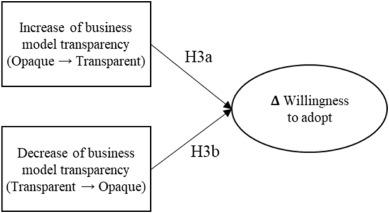
In a world where misinformation seems to thrive, building a business model grounded in transparency is not merely a choice; it’s a necessity to regain consumer trust. Companies must adopt a proactive approach to communication, which involves not only sharing successes but also acknowledging challenges and setbacks. Key principles include:
- Open Communication: Regularly update stakeholders on company practices, values, and performance metrics.
- Ethical Practices: Ensure that all aspects of the business—from sourcing to marketing—are consistent with the proclaimed ethical standards.
- Customer Feedback: Encourage and utilize customer opinions in business strategies to create a sense of community and accountability.
to illustrate this, let’s consider a simple comparison of traditional deceptive practices versus transparent approaches:
| Traditional Practices | Transparent Approaches |
|---|---|
| Hiding product sourcing details | Disclosing eco-friendly supply chains |
| Embellishing marketing claims | Providing third-party certification verification |
| Ignoring negative feedback | Actively addressing concerns and making improvements |
By implementing these strategies, a business not only differentiates itself in a crowded marketplace but also lays the groundwork for a sustainable future built on trust and integrity.Ultimately,the path to success in today’s climate hinges on embracing honesty,which can transform skepticism into lasting relationships with consumers.
Q&A
Q&A: The Marketplace of Lies – How Deception Became a Business Model
Q: What inspired the title “the Marketplace of Lies”?
A: The title captures the essence of a growing trend where deceit has morphed into a commodified business approach. It reflects the reality that misinformation, half-truths, and outright lies are not just rampant but are actively being marketed and sold as part of various industries, from social media to advertising.
Q: Can you explain what is meant by ‘deception as a business model’?
A: Deception as a business model refers to the strategic use of misleading information or manipulative practices to drive profit. This can take many forms,such as targeted misinformation campaigns,clickbait content,and even deceptive pricing strategies. Businesses leverage these tactics to attract consumers, drive engagement, or alter perceptions, sometimes at the expense of ethical considerations.
Q: How has technology influenced the rise of deceptive practices in commerce?
A: Technology, notably the internet and social media, has amplified the reach and impact of deceptive practices. Algorithms often reward sensationalism over truth, making it easier for false narratives to gain traction. Moreover, the prevalence of data analytics allows businesses to target specific demographics with tailored messages, including deceptive ones, leading to a more personalized, yet possibly misleading, consumer experience.
Q: What are some real-world examples of deception in business?
A: Several industries exemplify this trend. In digital marketing, clickbait headlines entice users with exaggerated claims, leading to disillusionment when the actual content fails to deliver.In finance, some investment firms may utilize misleading information to enhance stock performance artificially. Even in food marketing, misleading labels and advertising tactics can create false perceptions about health benefits or ingredient sourcing.
Q: What are the consequences of a marketplace built on deception?
A: The consequences can be far-reaching. Trust in businesses and institutions erodes, consumer skepticism increases, and informed decision-making becomes more difficult. In the long run, an environment rife with deception can lead to regulatory responses, as governments and organizations attempt to protect consumers and restore ethical standards in business practices.
Q: How can consumers protect themselves from deception in the marketplace?
A: Educating oneself is a powerful tool. Consumers should develop critical thinking skills, verify information from multiple credible sources, and be cautious about offers that seem too good to be true. Engaging with trusted brands and advocating for transparency can also create pressure for businesses to uphold integrity in their marketing efforts.
Q: what role do regulations play in curbing deceptive practices?
A: Regulations can establish standards for honesty and transparency in marketing and advertising. Government bodies and industry watchdogs can implement policies to hold businesses accountable for misleading claims and foster an environment where ethical practices are prioritized.However, the challenge lies in keeping these regulations relevant in an ever-evolving digital landscape.
Q: In your opinion, is it possible to reverse the trend of deception in business?
A: While it may be challenging to eliminate deception entirely, a collective effort can promote a cultural shift toward transparency and accountability. By raising awareness, implementing stricter regulations, and supporting ethical businesses, society can foster an environment where truth prevails over deception, ultimately benefiting both consumers and businesses in the long run.
Q: What key message do you hope readers take away from this article?
A: the key message is that while deception may offer short-term gains, its long-term effects can be detrimental to both individuals and society as a whole. Empowering consumers and encouraging ethical practices can help reshape the marketplace, steering it away from a focus on lies and towards a commitment to truth and integrity.
Insights and Conclusions
As we navigate the intricate web of modern commerce, the lines between truth and deception blur with alarming familiarity. “The Marketplace of Lies” offers a sobering reminder that while authenticity has long been considered the bedrock of prosperous relationships—both personal and professional—the allure of manipulation and falsehood is an ever-present force. in a world where misinformation can spread like wildfire and trust can be commodified, we must remain vigilant, discerning the genuine from the counterfeit.
Ultimately, the responsibility lies with us—the consumers, the creators, the policy-makers—to hold each other accountable and champion integrity in every transaction. As we step into this evolving landscape, let us ponder the true cost of convenience in a marketplace that often profits from our naivety. The next time we engage with a product, service, or story, let us question not just the value it presents, but the truth that underpins it. in doing so, we can reclaim our agency and foster a culture that prizes honesty over guile, paving the way for a more transparent future in business and beyond.