


Quantum leadership: Decision-Making in the Era of Uncertainty
In a world increasingly defined by complexity and volatility, traditional leadership paradigms are being tested like never before. Enter the concept of Quantum Leadership—a framework that embodies flexibility, interconnectedness, and innovative problem-solving. much like particles in the quantum realm, leaders today must navigate the unpredictable shifts of the global landscape, where choices ripple through networks and outcomes are rarely linear.As uncertainty becomes the new norm, leaders are called upon to embrace ambiguity, leveraging intuition alongside data, and encouraging collaboration across diverse perspectives. This article explores the essence of Quantum Leadership, illuminating how decision-making processes can evolve to thrive amidst chaos. Join us on a journey through the uncharted territories of leadership, where the unusual potential for transformation lies in our ability to adapt and innovate.
Exploring the Foundations of Quantum leadership in a Complex World
In a world characterized by rapid technological advancements and an ever-evolving landscape, leaders are tasked with navigating complexities that defy traditional frameworks. Quantum Leadership emphasizes the significance of adaptability, encouraging leaders to embrace uncertainty rather than shy away from it. This paradigm shift calls for a transformational leadership approach that is not only reactive but significantly proactive, integrating the principles of quantum physics—such as superposition and entanglement—into strategic decision-making processes. the new leader must recognize the interconnectivity of situations and relationships, allowing for a broader viewpoint that can result in innovative solutions to intricate problems.
To effectively cultivate an environment that thrives in uncertainty, leaders must embody various key traits and strategies:
- Agility: The ability to pivot quickly in response to unforeseen challenges.
- collaboration: Fostering teamwork to harness collective intelligence.
- Empathy: Understanding the emotional dynamics at play within teams.
- Curiosity: A commitment to continuous learning and exploration.
in navigating these turbulent waters, leaders can employ a framework that analyzes the influence of complex systems on their decisions. By evaluating the relationships between variables, one can develop a clearer understanding of potential outcomes. The following table outlines a simplified comparison of traditional leadership versus quantum leadership in decision-making:
| Aspect | Traditional Leadership | Quantum Leadership |
|---|---|---|
| Approach to Uncertainty | Risk Aversion | Embraces Uncertainty |
| Decision-Making Style | Top-down | Collaborative |
| Perspective on Change | Linear | Dynamically Evolutive |
unraveling the Dynamics of Decision-Making Under Uncertainty

In today’s fast-paced world, leaders face an array of unpredictable variables that test their decision-making prowess. Navigating this landscape requires an understanding of both psychological and socio-economic factors that drive choices under pressure. Leaders must adopt a multifaceted approach,integrating data analysis with intuition to decipher complex details. Key strategies include:
- Embracing ambiguity: accepting that uncertainty is a natural part of the decision-making environment.
- Leveraging diverse perspectives: encouraging team collaboration to gather varied insights that enrich the decision-making process.
- Fostering adaptability: Cultivating an organizational culture that thrives on flexibility to pivot in response to new information.
Moreover, technology plays a pivotal role in shaping how decisions are approached. By utilizing advanced analytics and predictive modeling, leaders can simulate outcomes even in volatile contexts. consider the integration of AI-driven insights to anticipate trends, which can facilitate more informed strategic choices. Here’s a simplified comparison of traditional decision-making versus modern, technology-enhanced approaches:
| Traditional Decision-Making | Technology-Enhanced Decision-Making |
|---|---|
| Reliant on historical data | Utilizes real-time analytics |
| limited scenario planning | Dynamic modeling of various outcomes |
| Single leader approach | Collaborative, team-driven strategies |
Harnessing Adaptive Thinking for Resilient Leadership Strategies
In navigating the complexities of today’s ever-evolving landscape, leaders must cultivate a mindset that thrives on adaptability. This involves being open to new perspectives and continuously seeking innovative solutions.Embracing change not only enhances problem-solving capabilities but also fosters an environment of trust and collaboration. Key strategies that contribute to resilient leadership include:
- Active Listening: Encouraging team members to voice their ideas and concerns enhances collective decision-making.
- Scenario Planning: Anticipating multiple outcomes prepares leaders to pivot when the unexpected arises.
- Emotional Agility: Navigating emotional responses effectively allows leaders to maintain clarity during crises.
To visualize the importance of adaptive thinking, consider the following table that highlights the correlation between adaptive strategies and leadership resilience:
| Adaptive Strategy | Impact on Leadership |
|---|---|
| Continuous Learning | Enhances knowledge base and adaptability to new challenges. |
| Agile Problem-Solving | Increases efficiency in addressing unexpected challenges. |
| Cultivating Diversity | Fosters a wealth of perspectives that enrich decision-making processes. |
By integrating these practices into their leadership frameworks, individuals can not only navigate uncertainty more effectively but also inspire their teams to embrace a culture of resilience. In a world where changes are swift and unpredictable, such adaptive thinking is not just beneficial; it is essential for enduring success.
Fostering Collaboration and Innovation in Unpredictable Environments

In today’s rapidly changing landscape, the ability to foster collaboration and spur innovation is paramount. Organizations must cultivate environments where diverse voices are not just heard but actively sought after. This is achieved by creating interdisciplinary teams that harness the strengths of varied perspectives. Collaborative technologies can enhance this process, enabling real-time sharing of ideas, resources, and feedback, thus breaking down traditional silos. By encouraging an atmosphere of psychological safety, leaders empower their teams to experiment, take risks, and iterate on innovative solutions without the fear of failure.
Embracing unpredictability as a catalyst for growth can be transformative. One effective approach is to implement agile methodologies that promote flexibility and adaptation. In this model,teams can thrive through rapid prototyping and continuous reflection,allowing them to pivot based on real-time insights. Furthermore,establishing a culture of regular cross-functional brainstorming sessions encourages organic idea generation. This dynamic framework not only leads to innovative outcomes but also equips teams with the resilience needed to navigate future uncertainties. Below is a brief overview of key practices:
| Practice | Description |
|---|---|
| Interdisciplinary Teams | Diverse groups collaborating to enhance creativity. |
| Agile Methodologies | Flexible approaches for rapid response to change. |
| Psychological Safety | Environment where team members feel safe to express ideas. |
| Cross-functional Brainstorming | Regular sessions to generate diverse ideas collaboratively. |
Cultivating Emotional Intelligence to Navigate Ambiguity
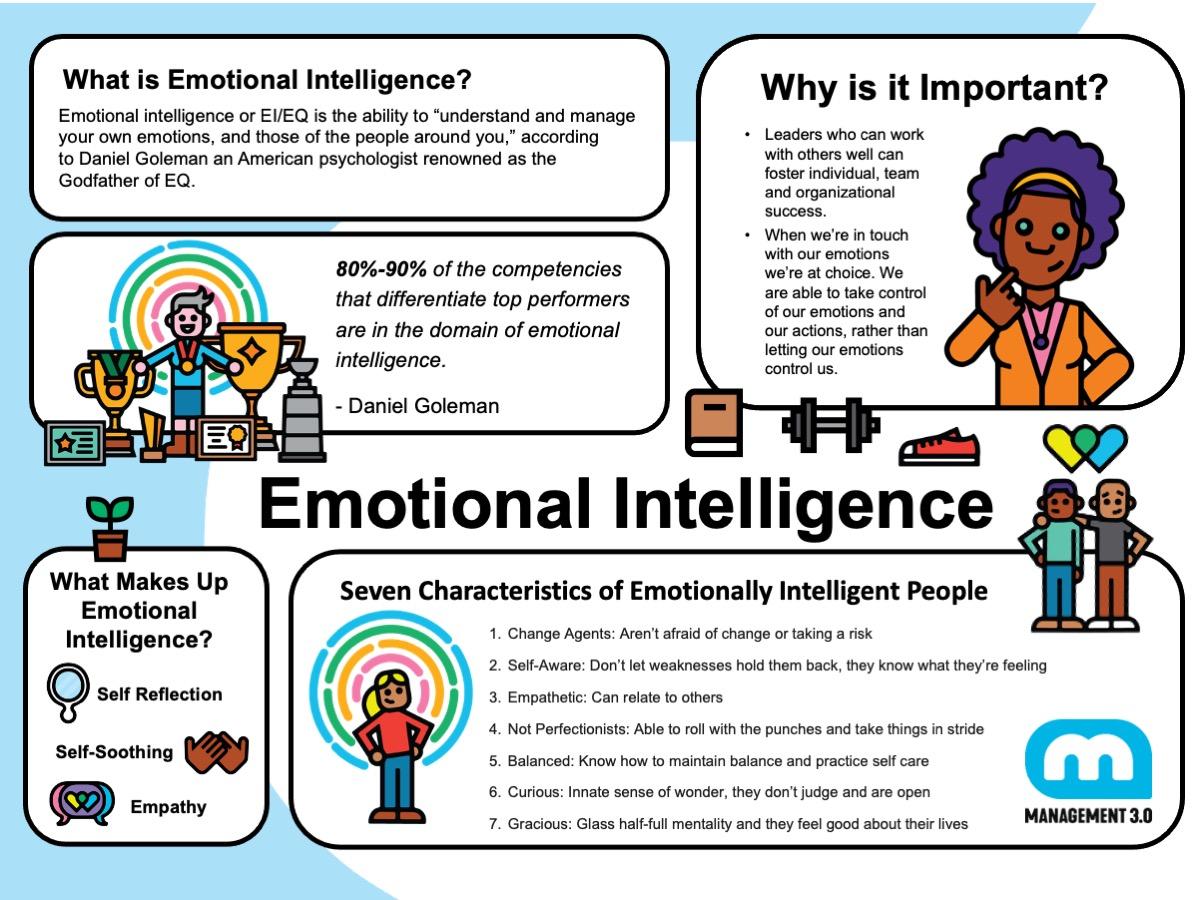
In today’s fast-paced and uncertain landscape, the ability to manage one’s emotions and understand those of others is more critical than ever. Leaders who cultivate emotional intelligence create environments that not only foster collaboration but also build resilience against unpredictability. By developing empathy and self-awareness, leaders can effectively navigate tricky conversations and ambiguous situations, leading with clarity even when clarity seems elusive. Here are a few essential practices for honing emotional intelligence:
- Active Listening: Engaging fully in conversations can uncover hidden concerns and foster trust.
- Self-Reflection: Taking time to reflect on personal emotions helps leaders to manage their stress and decision-making processes.
- Empathy Building: Understanding differing perspectives contributes to a more cohesive team dynamic.
Furthermore, leaders can enhance their emotional intelligence by creating a feedback-rich environment. Establishing a culture where open interaction is encouraged allows team members to express their feelings and concerns, leading to stronger relationships and improved morale. Practical tools such as 360-degree feedback can help in this endeavor, as illustrated below:
| Tool | description |
|---|---|
| 360-Degree Feedback | A holistic approach where input is gathered from various team members. |
| Emotional Check-Ins | Regular sessions where team members share their feelings about ongoing projects. |
| Mindfulness Practices | Encouraging team members to engage in mindfulness can enhance focus and emotional regulation. |
Embedding Agility and Flexibility in Organizational Culture

Creating an environment that fosters agility and flexibility is essential for organizations aiming to thrive in uncertain times. At the heart of this transformation lies a robust culture that encourages adaptive thinking and responsive behavior among employees. Leaders can instill this mindset by implementing core principles that prioritize rapid decision-making and iterative processes. Consider initiatives such as:
- Cross-Functional Collaboration: Encourage diverse teams to work together, breaking down silos and enhancing creativity.
- Continuous Learning: promote ongoing education, training, and skill development to equip employees for the changing landscape.
- Feedback Loops: Implement regular feedback mechanisms that allow for real-time insights, helping teams adjust their strategies promptly.
Moreover, organizations should leverage technology to support this cultural shift. By utilizing digital tools that facilitate remote work, communication, and project management, leaders can empower their teams to adapt swiftly to new challenges.The following table illustrates how various technological solutions can enhance flexibility:
| Technology | Benefit |
|---|---|
| Cloud Computing | Access to resources from anywhere, promoting remote collaboration. |
| agile Project Management Tools | Streamlined workflows that adapt to changing project needs. |
| communication Platforms | Instant messaging and video conferencing enhance connectivity. |
Q&A
Q&A on Quantum Leadership: Decision-Making in the Era of Uncertainty
Q1: What is Quantum Leadership, and how does it differ from traditional leadership models?
A1: Quantum Leadership is a contemporary approach that draws inspiration from principles of quantum physics, emphasizing interconnectedness, complexity, and fluidity. Unlike traditional leadership models that often favor linearity and predictability, Quantum Leadership embraces uncertainty and adaptability. It recognizes that leaders must navigate complex, dynamic environments, fostering collaborative decision-making that can account for multiple perspectives and changing variables.
Q2: Why is decision-making notably challenging in today’s world?
A2: In our rapidly evolving global landscape, factors such as technological advancement, societal change, and environmental issues create an intricate web of challenges. Decisions must factor in the unpredictable impacts of global events and shifting paradigms. This complexity frequently enough leads to ambiguity and rapid changes, making it crucial for leaders to be agile, not only in their strategies but also in their mindset.
Q3: How can leaders cultivate a mindset conducive to Quantum Leadership?
A3: Leaders can foster a quantum mindset by embracing core principles such as curiosity, resilience, and openness. Encouraging continuous learning, actively seeking diverse inputs, and remaining adaptable in their approaches can help them navigate uncertainty. Practicing mindfulness can also empower leaders to remain present and make thoughtful decisions even when overwhelmed by complexities.
Q4: What role does collaboration play in Quantum Leadership?
A4: Collaboration is central to Quantum Leadership, as it enables the pooling of diverse knowledge and experiences. Leaders should encourage cross-functional teams and build inclusive environments where every voice is valued. This collaborative spirit not only enhances decision-making but also nurtures innovation,as collective brainstorming can lead to unexpected and creative solutions to complex problems.
Q5: Can you provide an example of Quantum Leadership in action?
A5: A quintessential example of Quantum Leadership can be observed in organizations that pivoted during the COVID-19 pandemic. Many leaders had to rapidly adapt their strategies to a new reality, involving remote work, shifting consumer behaviors, and health guidelines. Those who encouraged team collaboration and allowed for flexible approaches were often more accomplished than those who stuck to traditional hierarchical decision-making processes. These agile leaders not only made quicker decisions but also fostered a sense of community and trust within their teams.
Q6: How can leaders measure the effectiveness of their decisions in unpredictable circumstances?
A6: Measuring effectiveness amidst uncertainty can be challenging but is feasible through qualitative and quantitative metrics. Leaders should establish flexible KPIs tailored to evolving contexts, allowing for adjustment as conditions change. Regular feedback loops,employee engagement surveys,and client satisfaction ratings can provide insight into how decisions are impacting the organization and its stakeholders. Additionally,leaders should remain open to experimenting with new ideas,assessing outcomes,and iterating their strategies accordingly.
Q7: What advice would you give to aspiring leaders looking to implement Quantum Leadership principles?
A7: Aspiring leaders should embrace a growth mindset, prioritize continuous learning, and actively seek feedback. Cultivating emotional intelligence will also help them navigate the complexities of team dynamics and individual motivations. It’s essential to create a safe space for innovation where calculated risks are encouraged, and failure is seen as an possibility for growth. Lastly, foster an environment of transparency and trust, as this will empower teams to contribute fully to the decision-making process.
Q8: What does the future of leadership look like in the context of Quantum Leadership?
A8: The future of leadership will likely be characterized by a greater emphasis on agility, innovation, and ethical considerations. Quantum leaders will need to harness technology responsibly while prioritizing human connection and inclusivity. as organizations face increasingly complex challenges, those who can dynamically shift their approaches and maintain a holistic perspective will be best positioned to thrive in an unpredictable world.
Concluding remarks
As we navigate the intricate landscape of modern leadership, the principles of quantum thinking offer a refreshing lens through which to view decision-making in an era marked by uncertainty. Embracing ambiguity,fostering adaptability,and cultivating a mindset that welcomes multiple possibilities are not just strategies but essential skills for today’s leaders.
In a world where traditional approaches may falter, quantum leadership invites us to be more than mere decision-makers; it challenges us to become visionaries who recognize the interconnectedness of our choices and their wider implications. By letting go of the need for certainty and embracing the fluid nature of reality, leaders can inspire teams, foster innovation, and ultimately steer their organizations toward resilient futures.
As we conclude this exploration of quantum leadership, it is evident that the path ahead is neither straightforward nor predetermined. Yet, by embodying the principles of quantum decision-making, leaders can illuminate the way through uncertainty, paving the road towards a more dynamic and inclusive leadership paradigm. The future is not merely a question of surviving the unknown, but an opportunity to thrive within it—guided by the transformative power of quantum insights. As we step forward, let us carry this vision with us, ready to embrace the unexpected and harness the potential that lies within uncertainty.