


A street corner becomes a studio, a storefront a stage, and a smartphone a backstage pass: experiential marketing has moved beyond pop-up spectacles and hashtag challenges into an environment where brands design moments as deliberately as products. In this new era, attention is currency and immersion is the ledger-companies no longer aim merely to be seen or heard but to be felt, navigated, and remembered. The result is a creative collision of technology, storytelling, and sensory design that reframes what it means to connect with an audience.
What distinguishes today’s experiential playbook is not any single tool but the mash-up of advances at its disposal. Augmented and virtual reality layer alternate realities onto everyday life; data and AI enable personalization at scale; hybrid physical-digital experiences blur the line between online engagement and offline memory. At the same time, shifting consumer expectations-demanding authenticity, privacy sensitivity, and social responsibility-shape how and why brands build memorable moments.
This article maps that terrain: we will explore the forces driving the shift, examine the strategies and technologies that define modern experiential campaigns, and consider the practical and ethical trade-offs brands confront as they craft experiences meant to stick. Whether you work in marketing, product design, or simply observe how culture is formed, understanding this new era is increasingly essential to interpreting the ways brands converse with the people they hope to reach.
Designing Immersive Experiences That Build Emotional Connections
Think of live brand encounters as carefully composed scenes where mood, timing and detail do the emotional work. Start by anchoring every touchpoint in a clear narrative, then layer sensory cues-light, texture, sound, even scent-to choreograph moments of surprise and recognition. Prioritize authenticity over spectacle: when gestures reflect real user needs and values, audiences move from passive observers to invested participants. Design with empathy, and let the environment invite small acts of choice that make memories stick.
- story-first mapping – define a single emotional arc visitors can inhabit.
- Multi-sensory layering – combine sight, sound and touch to deepen immersion.
- Interactive agency – enable meaningful decisions and co-creation.
- Seamless tech – use AR/sensors where they disappear behind the experience.
- Shareable ritual – design moments that people want to document and tell.
Measure impact not just by attendance but by the quality of response: dwell time, repeat interactions, spontaneous sharing and the language people use when they tell the story later. Treat each activation as a prototype-collect qualitative reactions, iterate on friction points and amplify elements that consistently trigger delight. In practice, the most memorable activations are small enough to be intimate and intentional enough to feel unavoidable; they trade one-off flash for sustained emotional currency.
Leveraging Data and Technology to Personalize Every Touchpoint
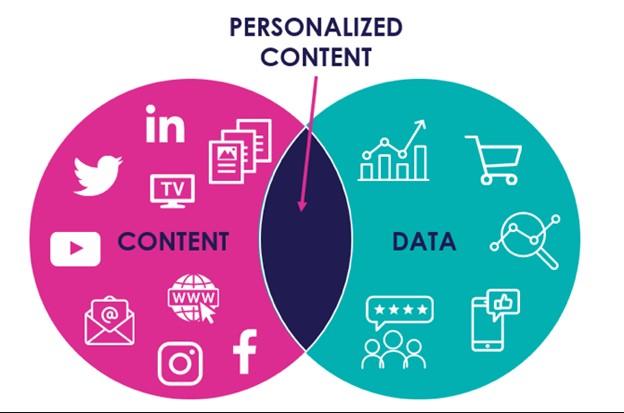
Brands that stitch together behavior, preference and context can transform a momentary interaction into a memorable experience. By fusing first‑party data, AI-driven insights and omnichannel delivery, companies craft dynamic narratives that change with the customer: a storefront display that swaps creative based on footfall patterns, an email that adapts copy after a live app session, or a loyalty offer delivered the instant a purchase intent is detected.Small, intelligent choices-powered by real‑time signals and predictive models-turn routine touchpoints into bespoke micro‑experiences that feel instinctive rather than engineered.
- Predictive recommendations that anticipate needs
- Dynamic digital signage responsive to audience makeup
- geo‑triggered offers timed to intent
- Adaptive content flows across devices
Orchestration is where the magic consolidates: a unified profile, permissioned data governance and rigorous experimentation let teams scale personalization without breaking trust. focus on a privacy‑first architecture that balances relevance with consent, measure lift with clear KPIs and iterate rapidly on creative and triggers. The table below captures compact examples of touchpoints,enabling technologies and the simplest metrics to watch.
| Touchpoint | Enabling Tech | Key Metric |
|---|---|---|
| In‑store display | Computer vision + CMS | Engagement rate |
| mobile push | Behavioral SDK + Rules | Open → Conversion |
| Web homepage | Real‑time personalization | Time on page |
- Unify signals into a single customer view
- Test with small cohorts before roll‑out
- Document consent and retention policies
Integrating Physical and Digital to Create Seamless Customer Journeys
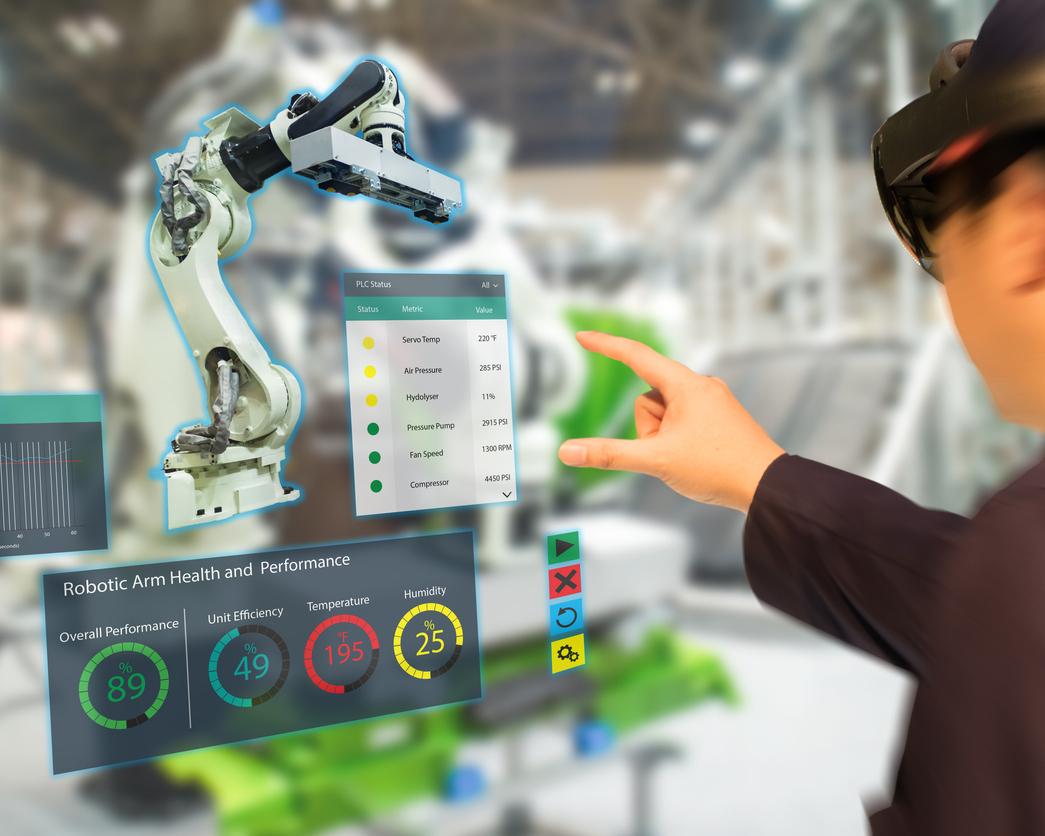
Brands are no longer choosing between storefronts or screens; they design moments that move between both as naturally as breath. Think of every interaction as a single storyline where sensors, staff and apps play different characters – each tuned to the customer’s context. By blending in-person cues with real-time context and subtle automation, companies can turn transactions into memorable scenes that feel personal without being intrusive. The most convincing experiences come from combining thoughtful design, predictive intelligence and clear respect for data privacy.
Small changes in choreography drive big gains: an app that recognizes a customer arriving, staff alerted with relevant preferences, or a receipt that becomes an invitation to continue the story online. Key approaches to get this right include:
- Anticipate: use micro-moments to predict needs before customers ask.
- Simplify: remove friction so the journey feels continuous across channels.
- Humanize: let staff and digital signals complement-not replace-each other.
| Channel | Why it sings |
|---|---|
| Store | Touch-and-try boosts confidence |
| Mobile app | Instant personalization at scale |
| Kiosk | Guided discovery for quick decisions |
Measuring Impact Beyond Impressions with Actionable Metrics
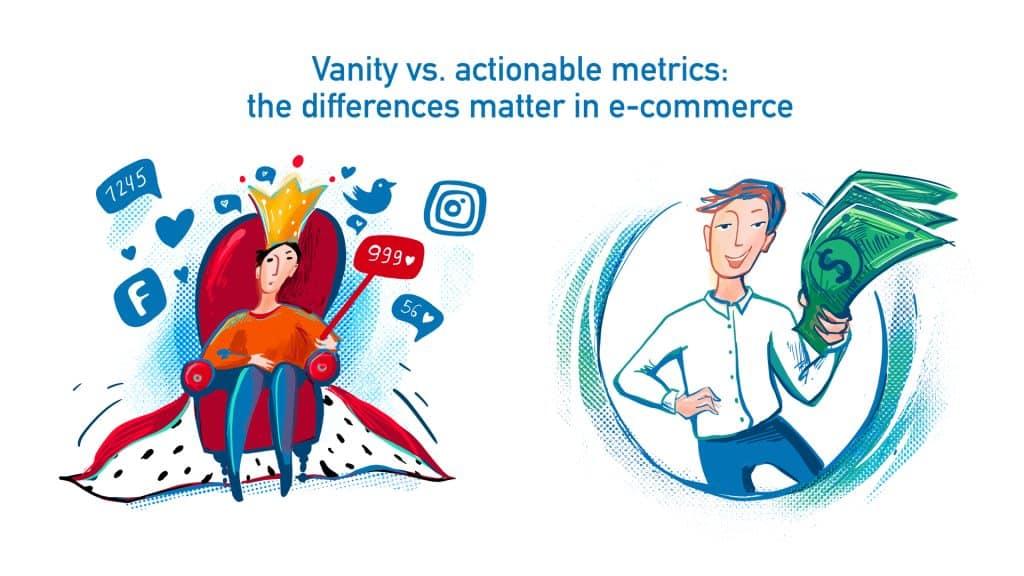
When campaigns stop counting only views and start tracking outcomes, you begin to see the true value of immersive moments. Think in terms of behavioral outcomes rather than vanity numbers: how long someone lingered, whether they returned, or if an interaction led to a qualified lead. Useful signals include:
- Engagement depth – dwell time, interactions per attendee
- Conversion lift - purchases, sign-ups, downloads
- Social amplification – shares, mentions, UGC creation
- Emotional resonance - sentiment shifts from pre/post surveys
To make thes tangible, pair each signal with a simple KPI snapshot:
| Metric | What it reveals | exmaple KPI |
|---|---|---|
| Engagement depth | How immersive the moment was | Avg. dwell ≥ 3 min |
| Conversion lift | Direct business impact | +12% event conversions |
| Social amplification | Earned reach and credibility | 500 UGC posts/week |
Turning those measures into decisions means building a measurement plan that’s part creativity, part science. Start with a testable hypothesis tied to a clear business outcome, instrument every interactive touchpoint (QR scans, event pixels, surveys), and map offline behaviors back to CRM records for true attribution. Practical steps:
- Define objectives & align KPIs to revenue or retention
- Instrument interactions with event tracking and short feedback loops
- Run controlled tests or cohorts to isolate impact
- Close the loop by feeding behavioral data into sales and product teams
By prioritizing actionable metrics over raw impressions, you create experiments that inform creative choices and prove how experiential marketing drives measurable business outcomes.
Scaling Experiential Campaigns Without Losing Brand Authenticity
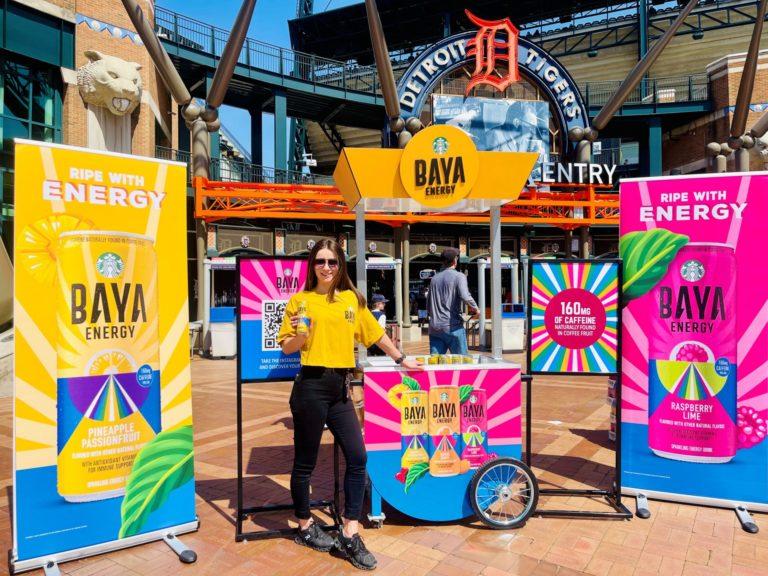
Growth doesn’t have to dilute the soul of an experience. When you design for scale, anchor every decision to a few non-negotiables-the emotional tone you want to evoke, the sensory cues that signal your brand, and a handful of rituals participants recognize. Treat experiences like modular theater sets: they can be expanded, moved, or recombined without changing the script. Practical ways to do this include:
- Modular design – build components that slot together across cities.
- Local authorship - brief regional teams to adapt, not rewrite, the core idea.
- Purposeful data – use light-touch analytics to refine, not to over-personalize.
- Consistent rituals – keep a signature moment that always feels like you.
Operational discipline keeps authenticity intact as reach expands: clear brand playbooks, curator training, and rapid feedback loops so each activation learns and improves. Below is a simple checklist to align scale levers with authenticity safeguards:
| Scale lever | Authenticity check |
|---|---|
| Replicable setups | Retain signature sensory cue |
| Local partnerships | Partner values alignment |
| Automation | Human touchpoint preserved |
Practical Playbook for Launching and Iterating Experiential Programs
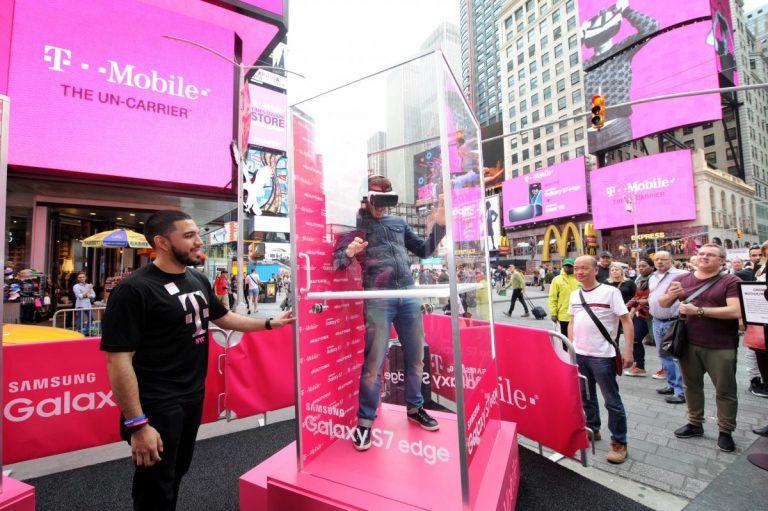
Think in experiments, not events: start with a razor-focused hypothesis about how your experience will change behavior, then design the smallest possible version that proves or disproves it. Use guerrilla prototypes to test logistics,technology,and storytelling before committing budget; recruit real customers as co-designers and surface raw feedback within 48 hours. Keep decision rules simple and visible-who signs off, what metrics trigger a pivot, and when an idea graduates from pilot to program-so teams move fast without chaos.
- Prototype fast: build an MVP experience in days, not months.
- Measure what matters: capture behavior,attention,and sentiment.
- Govern quickly: set clear escalation and funding triggers.
- Iterate ruthlessly: prune features that don’t change outcomes.
Make data light but decisive: instrument key touchpoints, collect qualitative stories, and fold those insights into weekly sprints. Establish a cadence of short pilot → review → refine loops, then use composite signal (engagement + conversion + qualitative lift) to justify scale. Build a playbook of repeatable patterns-mobility pop-ups, ambassador-led demos, AR try-ons-so each new program starts from a tested template rather than a blank page.
| Phase | duration | objective |
|---|---|---|
| Pilot | 1-2 weeks | Validate core hypothesis |
| Scale | 6-8 weeks | Optimize delivery & impact |
| Iterate | 2-4 weeks | Refine based on signals |
Closing Remarks
As the spotlight shifts from interruption to immersion, experiential marketing has moved from a clever tactic to a strategic imperative. What once relied on flashy stunts now rests on a subtler alchemy: design that respects attention, data that informs but doesn’t intrude, and storytelling that invites participation rather than demand it. The new era rewards those who can merge empathy with experimentation, scale without flattening, and measure impact beyond clicks to include feelings, actions and long-term loyalty.
The path forward is neither preordained nor predictable. Brands that succeed will be the ones willing to prototype boldly, listen carefully, and adjust with humility. They will treat privacy and purpose as design constraints, not afterthoughts, and recognize that the most memorable activations are often the simplest - moments that connect real people to meaningful value.
In short, experiential marketing today is less about a single spectacular moment and more about a continuous practice of crafting experiences that matter.The question for practitioners is straightforward: how will you shape the next encounter?