



In the vast landscape of entrepreneurship and content creation, finding a niche is often hailed as the key to success. It’s the beacon that guides fledgling businesses and creators toward their target audience,promising engagement and loyalty. But what happens when you take that principle too far? As the saying goes, “too much of a good thing can be bad.” When the pursuit of specialization transforms into a tightrope walk over a chasm of obscurity, the vibrant world of possibilities may begin to shrink rather than grow. In this article, we will delve into the intricacies of niching down, exploring both the potential benefits and the pitfalls that can emerge when a focus becomes a limitation. Join us as we navigate the fine line between mastery and marginalization, and discover how to strike the right balance in a world that thrives on diverse perspectives and innovations.
The fine Line of Niche marketing

Niche marketing is often lauded as a powerful strategy to attract a targeted audience, but what happens when it borders on over-specialization? When brands niche down excessively, they risk isolating themselves from broader market trends and opportunities. While it’s tempting to cater exclusively to a highly specific demographic, this can lead to a diminishing return. As an example,a business selling hand-painted pet accessories may thrive initially but could flounder if that niche community saturates or loses interest. This can manifest in several ways:
- Reduced Market Size: limiting offerings may shrink the potential customer base substantially.
- Inflexibility: It becomes harder to pivot or innovate, resulting in stagnation.
- Dependency on Trends: Overly niche products might be susceptible to fleeting trends that don’t sustain demand.
Moreover,the danger of becoming a brand that only serves a tiny segment is that it can cloud sustainability. As trends shift and consumer preferences evolve,these ultra-targeted businesses find themselves scrambling for relevance. As illustrated in the table below, while a broad market may have varied needs, the hyper-specific approach can lead to an unsustainable business model:
| Market Approach | Potential Risks |
|---|---|
| Broad Market | High competition but diverse needs |
| Niche Market | Targeted audience but limited growth potential |
| ultra-Niche Market | Extremely specific needs with high risk of irrelevance |
Understanding the Risks of Over-Niching
Niching down can be a double-edged sword.While it offers the advantage of targeting a smaller audience, this strategy can leave you vulnerable to several risks. Firstly, by focusing too narrowly, you may alienate potential customers who could have benefited from your products or services.This can create a significant gap in your market coverage, limiting your overall reach and growth potential. It is essential to strike a balance between being specialized and remaining inclusive enough to attract a diverse clientele.
Secondly, over-niching can expose your business to market fluctuations that are beyond your control. If the specialized segment you are targeting faces economic upheaval or shifts in consumer behavior, your business could suffer disproportionately. to visualize this concept, consider the following table:
| Niche Type | Risk Level | potential Impact |
|---|---|---|
| Craft Beers | Moderate | Reduced audience if trends change |
| Vegan Skincare | Higher | Limited consumer base can affect sales |
| Specialized Pet Products | Low | Steady demand with slight fluctuations |
This table illustrates how different niche types carry varying levels of risk and potential impact. While a highly specific niche like vegan skincare might promise dedicated customers, it also risks leaving your business vulnerable to drastic market changes that could threaten your viability.
identifying the Sweet spot for Your Target Audience
In the quest to stand out in a crowded marketplace, many businesses take the approach of narrowing their focus to a hyper-specific niche. While this can initially seem beneficial, it frequently enough leads to limiting potential audience engagement. Individuals and brands may find themselves catering to a very small demographic, which can become a double-edged sword. Consider the following factors when assessing your niche:
- Market Size: Is your narrowed focus large enough to sustain your business growth?
- Customer Diversity: Are you missing out on a broader audience that shares similar interests?
- Spending Patterns: Are your targeted consumers financially capable of purchasing your products or services in the long term?
Ultimately, the goal is to find that harmonious balance where your niche is specific enough to establish expertise yet broad enough to attract a enduring customer base.This delicate equilibrium can be visualized through the following table, depicting various niche levels and their potential audience impact:
| Niche Level | Potential Audience Size | Possibility for Growth |
|---|---|---|
| Highly specific | Very Small | Limited |
| Moderately Specific | Medium | Moderate |
| Broad | Large | High |
By thoughtfully evaluating your target audience, you can move beyond the constraints of a too-narrow focus. Understanding their needs, preferences, and behaviors can lead to the finding of a *sweet spot*, where engagement thrives and opportunities abound.
Evaluating Market Demand Within a Narrow Niche
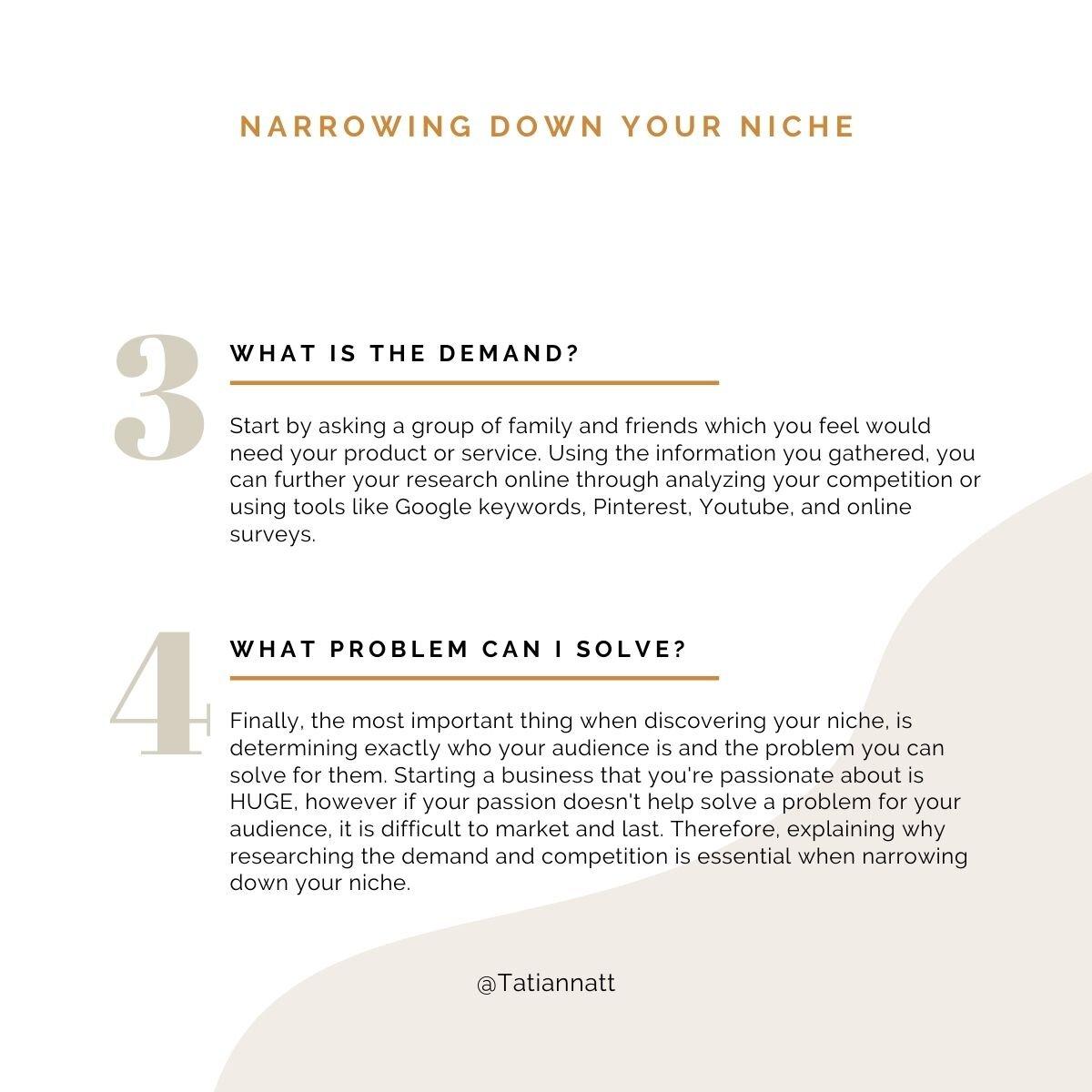
When a business narrows its focus too extensively, it runs the risk of limiting its potential customer base. Evaluating market demand in such a concentrated segment can reveal surprising truths. As an example, while a niche may seem appealing due to a lack of competition, the actual market size might not justify the investment. to assess this accurately, it’s essential to consider:
- target Audience Characteristics: Understand whether the identified demographic is large enough to sustain your business.
- Market Trends: Analyze if the niche is a growing sector or merely a fleeting trend.
- Competitor Analysis: Investigate whether your competitors have struggled within the same niche, or how they’ve maneuvered through it.
In addition to these factors,a deeper dive into consumer behavior is necessary. Surveys,social media engagement,and keyword research can provide insights into what your potential customers are genuinely looking for. To visualize key aspects of your niche market,consider the table below:
| Niche Focus | Estimated Market Size | Potential Growth Rate |
|---|---|---|
| Handmade Vegan Pet Products | 20,000 | 10% annually |
| Eco-friendly Phone Accessories | 50,000 | 15% annually |
| luxury Gluten-free Desserts | 5,000 | 5% annually |
This table serves as a simplified overview of how different niche markets compare,providing a clearer perspective when deciding whether your chosen focus is viable in the long term. Being overly specific might reduce competition, but if the market isn’t ther to support the business, even the most passionate endeavors can lead to disappointment.
Strategies for Balancing Specialization and Growth
To effectively navigate the challenge of specializing while remaining open to growth opportunities, businesses should adopt versatile strategies that foster both. Diversification allows companies to explore related markets, maintaining expertise in their niche while expanding their offerings.For instance, a bakery can specialize in artisan breads but also venture into catering services for events, leveraging their existing skills and reputation.furthermore, collaboration with other niche players can create synergies, enabling mutual growth while preserving individual niches. By forming partnerships that complement their specializations, businesses can pool resources and share customer bases, thus enhancing visibility without diluting their core identity.
Additionally, investing in market research is crucial to identify emerging trends that align with a business’s specialization. This ongoing analysis helps in maintaining relevance and adapting to changes without losing focus. Regularly assessing customer feedback can guide adjustments in services or products that resonate with the audience. Lastly, using a tiered service model can cater to diverse customer needs. Such as, offering basic, premium, and bespoke options allows businesses to target different demographics without straying too far from their niche. Below is a simplified table showcasing potential service tiers:
| Service Tier | Description | target Audience |
|---|---|---|
| basic | Essential offerings at an affordable price | Cost-conscious customers |
| Premium | Enhanced services with added features | Mid-range clients |
| Bespoke | Custom solutions tailored to unique needs | High-end clientele |
Long-Term Consequences of an Overly Specific Focus
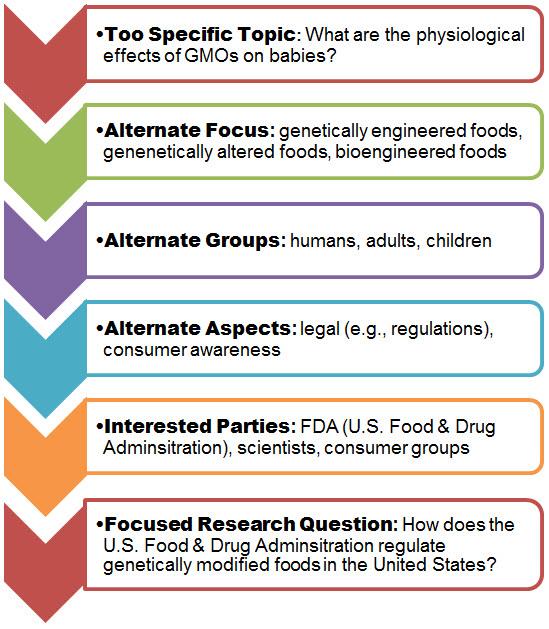
While an overly specific focus may seem like an ideal strategy to carve out a unique space in the market, it can lead to significant long-term consequences that may threaten the sustainability of any endeavor. Businesses that become too niche may find themselves trapped in a limited consumer base, which can hinder growth opportunities. As an example, they might experience:
- Reduced Market Reach: The smaller the niche, the fewer potential customers are available.
- Inflexibility: Adapting to changing market trends can become more challenging as niche markets quickly evolve.
- Stagnation: A hyper-focused approach could result in diminished innovation, as companies may resist venturing outside their established areas.
Moreover, an overly specialized focus can lead to branding problems. If a business heavily brands itself around a specific product or service, it may struggle to diversify or expand its offerings without alienating loyal customers. This is illustrated in the table below:
| Branding Impact | Risk Level |
|---|---|
| Difficulty in Expanding Product Lines | High |
| Reputation Loss if Shifting Focus | Medium |
| Over-reliance on a Single Revenue Stream | Critical |
Navigating a Shift: Expanding Your Niche Without Losing Identity

As your brand or business begins to thrive, there may come a time when you feel the urge to expand beyond your original niche. While it’s essential to explore new opportunities, care must be taken to preserve the core elements that define your identity. Identifying complementary areas that resonate with your values and audience can be invaluable. Consider the following aspects when venturing outside your primary focus:
- Audience Alignment: Ensure that the new niche relates closely to your existing follower base.
- Value Proposition: Maintain clarity on what unique value you bring with the expansion.
- Brand Voice: Keep your messaging consistent to reassure your audience that you are still authentic.
Incorporating these elements will allow for a smooth transition without causing confusion or alienation among your supporters. as you embark on this journey, visualize it as fortifying your foundation rather than dismantling it. Here’s a simple framework to guide your expansion:
| Focus Area | considerations |
|---|---|
| Market Research | identify potential gaps or overlaps with current offerings. |
| Product Advancement | Create products that enhance your existing portfolio. |
| Brand Messaging | adapt your messaging while remaining true to your heritage. |
Closing Remarks
while narrowing your focus can undoubtedly sharpen your message and connect you with a specific audience, there’s a delicate balance to maintain. Pigeonholing your brand or content too tightly may lead to missed opportunities, alienation of potential followers, and stagnation in growth. It’s essential to remain vigilant about your niche’s boundaries and stay attuned to the evolving landscape of your market.By allowing for a little flexibility within your specialization, you can cultivate a vibrant community, capture diverse interests, and ensure that your voice resonates far beyond the confines of a narrow definition. Remember, in the world of niches, sometimes a broader horizon can lead to unforeseen possibilities.So, take a moment to step back, reassess your niche, and let it breathe-after all, creativity often thrives in the open air.