

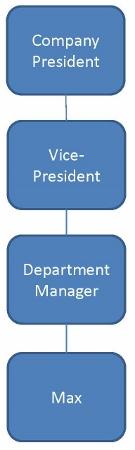

When Customers Own the Brand: The Future of Decentralized Companies
In an era where the lines between consumer and creator are increasingly blurred, a profound shift is reshaping the landscape of business. Gone are the days when brands were solely the domain of corporations dictating narratives from the top down. Today, a dynamic new paradigm is emerging—one in which customers are not just passive recipients of products and services, but active participants and co-owners of the brands they love. Welcome to the age of decentralized companies, where the voices of the manny hold equal weight to the strategies of the few.
This article explores the rise of customer ownership in branding and its implications for the future of commerce. As blockchain technologies and social media foster unprecedented levels of interaction and collaboration, businesses are reimagining their structures, embracing transparency, and redefining loyalty. We delve into the mechanisms that make this shift possible, the challenges it presents, and the innovative companies leading the charge. Join us on a journey to understand how this evolution is not just redefining the relationship between consumers and brands, but also paving the way for a more inclusive and engaged marketplace.
Exploring the Shift Towards Customer Empowerment in Brand Ownership
As we delve into the evolving landscape of brand dynamics, the tradition of top-down brand ownership is giving way to a more collaborative approach, where customers are taking the reins. In this new model, customer feedback isn’t just welcomed; itS crucial. Brands are beginning to understand that empowering consumers not only enhances loyalty but also drives innovation. Companies are leveraging technology and social media to create platforms that allow customers to co-create products and services,fostering a sense of shared ownership. The shift is evident in the rise of decentralized companies where trust and transparency reign supreme, transforming the relationship between brands and their customers into one of mutual respect and collaboration.
This movement towards customer empowerment is facilitated by several key factors that allow for democratized brand stewardship. For instance, the surge in decentralized finance (DeFi) and non-fungible tokens (NFTs) has equipped consumers with tools to actually own a stake in the brands they love in innovative ways. Consider the following elements that characterize this transitional phase:
- Community-driven initiatives: Brands are increasingly launching projects that rely on user participation.
- Direct investment opportunities: Platforms are emerging that allow customers to buy shares or tokens of brands.
- feedback loops: continuous customer input is now integral in shaping product lines and brand strategies.
| Factor | Impact |
|---|---|
| Community-driven initiatives | Fosters deeper brand loyalty |
| Direct investment opportunities | Creates a financial stake in brands |
| Feedback loops | Enhances product relevance |
Redefining Loyalty: How Decentralized Structures Foster Stronger Customer Relationships
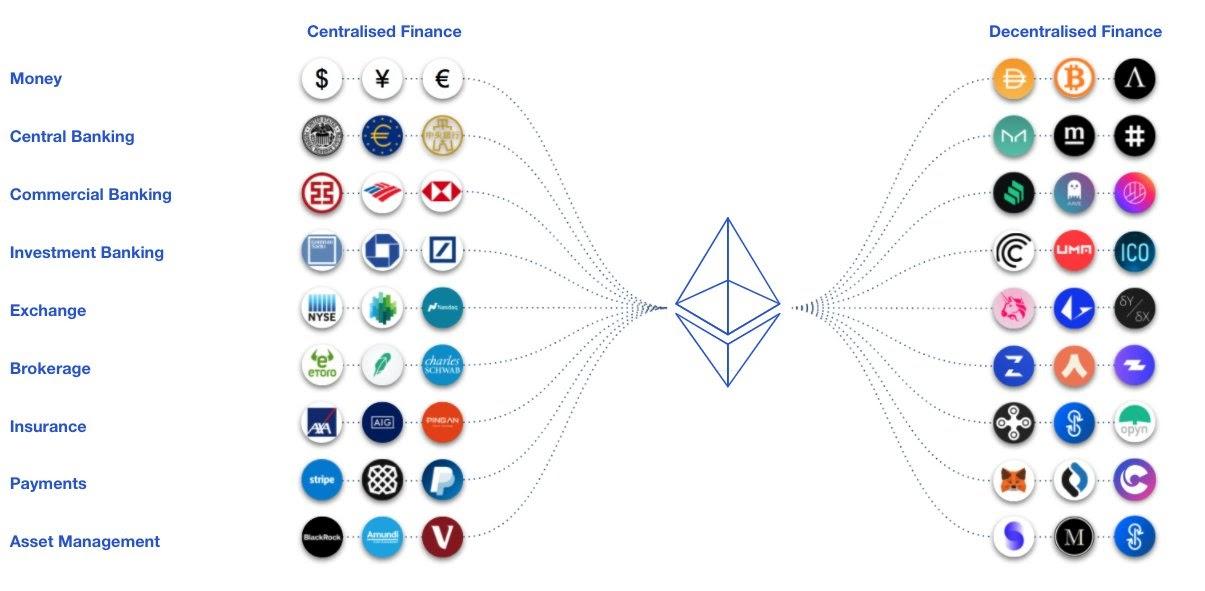
In an era where conventional corporate hierarchies often alienate consumers, the decentralized model is transforming how businesses interact with their customers. By empowering stakeholders to actively participate in decision-making processes, companies can cultivate a sense of ownership that fosters deeper emotional connections. This shift signifies a move from a transactional relationship to a collaborative one, where customers are no longer just consumers but partners in the brand journey. Decentralized structures allow customers to influence product progress, marketing strategies, and even corporate governance, leading to a richer dialog and shared goals.
Moreover, this model nurtures trust and transparency—key factors in building loyalty. When customers have a voice, they are more likely to feel valued and heard, which translates into higher retention rates and brand advocacy. Here are some ways decentralized systems enhance customer relationships:
- Participatory Platforms: Customers can vote on new features or products.
- Reward Mechanisms: Consumers earn tokens or rewards for contributions.
- Feedback loops: Regular surveys and discussions foster continuous enhancement.
- Shared Profits: Empowering customers with a stake in the financial success of the company.
This approach not only humanizes the brand but also creates a community culture where customers feel a profound sense of belonging. The following table illustrates the impact of decentralized structures on customer loyalty:
| Aspect | Traditional Model | Decentralized Model |
|---|---|---|
| Customer influence | Limited | Significant |
| Trust Level | Moderate | High |
| Engagement | Passive | Active |
| Brand Loyalty | Transactional | Relational |
Navigating the Challenges of Decentralization: Governance and Accountability
As decentralized companies continue to rise,the challenge of governance and accountability becomes increasingly complex. Traditional corporate structures are often hierarchically organized,with clear lines of authority and decision-making. In contrast, decentralized models require innovative approaches to ensure that all voices are heard. This paradigm shift invites companies to implement communal decision-making practices, fostering a collective sense of ownership among customers. By embracing tools like blockchain for transparency, organizations can cultivate trust. A decentralized approach ensures that stakeholders are not just passive participants; they are active contributors, enhancing engagement and commitment to the brand.
Moreover, defining accountability within decentralized frameworks brings its own challenges. Without a central authority, who is responsible when things go wrong? Here are key considerations to address this issue:
- Transparent metrics: Establishing clear, measurable goals can definitely help in assessing performance on all fronts.
- Shared Duty: Ensuring that all participants understand their role can create a sense of personal accountability.
- Consensus Mechanisms: Utilizing decentralized voting systems or consensus-building strategies can mitigate the risks of unilateral decision-making.
| Challenge | Solution |
|---|---|
| Transparency | Implement blockchain technology for activity tracking. |
| Decision-making | Engage customers in collaborative governance. |
| Accountability | Set clear metrics and shared goals. |
Building Community: The Role of Social Interaction in Brand Development

In the era of decentralized companies, social interaction is taking center stage in brand development, establishing a profound connection between customers and the brands they endorse. Consumers are no longer just passive recipients of messages; they are active participants in the brand narrative. By fostering a community where customers feel ownership and agency,brands can leverage the collective intelligence and creativity of their audience. This can manifest thru platforms such as social media, forums, or brand-led gatherings, allowing customers to engage, share experiences, and contribute to product development.
The relationships cultivated through social interactions are inherently reciprocal and can lead to greater brand loyalty and advocacy. As customers feel heard and valued, they become enthusiastic ambassadors, sharing their sentiments within their networks. Brands can further enhance these connections through initiatives like:
- Co-creation workshops that invite customers to help shape products.
- Exclusive community events that reward engagement.
- Feedback loops that acknowledge customer insights in real-time.
This collaborative ecosystem not only enriches the brand’s identity but also creates a resilient community ready to support each other and the brand itself, ultimately driving lasting growth.
Innovative Strategies for Engaging Customers as Co-Creators

Embracing the future of decentralized companies calls for innovative engagement methods that turn customers into active co-creators. By leveraging technology and community insights, brands can cultivate an inclusive ecosystem where customers contribute ideas, products, and experiences that shape the brand’s direction. Consider establishing platforms for idea exchange, such as forums or social media communities, which can boost collaboration and rapid feedback loops. Moreover, utilizing gamification techniques can stimulate participation and reward customer contributions, creating a deeper emotional connection with the brand.
To illustrate effective strategies, businesses may implement customer-led workshops or hackathons, allowing customers to collaborate on product designs or service innovations. these events not only enhance engagement but also foster a sense of ownership and loyalty. Below is a simple table showcasing potential strategies to elevate customer participation:
| Strategy | Description |
|---|---|
| Feedback Forums | Platforms for users to share thoughts and suggestions. |
| Design Contests | Encourage customers to design products, with winners featured. |
| Engagement Workshops | Hands-on sessions to develop and refine offerings with customers. |
| Reward Programs | Incentives for contributions,fostering a sense of value. |
Future Trends: Predicting the Evolution of Customer-Driven Brand Models

The future of brand evolution is increasingly shaped by customer influence and participation. As decentralization takes root, we are likely to see brands transforming into collaborative ecosystems, where customers not only consume but also contribute to the brand identity. companies will focus on building platforms that leverage community input, ensuring that customer feedback directly informs product development, marketing strategies, and even corporate governance. This shift will empower consumers, enabling them to play an active role in shaping the brands they love, resulting in a stronger emotional connection and increased loyalty.
Anticipated trends suggest that attributes such as transparency, authenticity, and sustainability will become non-negotiable for future brands. Today’s consumers are more discerning, demanding ethical practices and accountability from the brands they support. Brands that effectively integrate these values into their decentralized models will stand out in the competitive landscape. Characteristics of successful customer-driven brands may include:
- Community Engagement: fostering a sense of belonging among customers.
- Feedback Loops: Regularly soliciting and implementing customer suggestions.
- Innovative Partnerships: Collaborating with consumers on new product ideas.
- Transparency Reporting: Sharing insights about business practices and impacts.
Understanding the evolution of customer-driven brand models will require an analysis of performance metrics that align brand activities with consumer expectations. A potential table of success factors includes:
| Success Factor | impact on Brand |
|---|---|
| Customer Co-Creation | Enhances innovation and relevancy. |
| Data-Driven Insights | Strengthens personalization and targeted marketing. |
| Social Proof Mechanisms | Builds trust and credibility. |
| Sustainable Practices | Attracts environmentally-conscious consumers. |
Q&A
Q&A: When Customers Own the Brand: The Future of Decentralized Companies
Q1: What does it mean for customers to “own” a brand?
A1: Customer ownership of a brand signifies a shift from traditional corporate structures to a more decentralized model. In this scenario, customers aren’t just passive consumers; they have a stake in decision-making processes, governance, and value creation. This can be achieved through mechanisms like direct investments, cooperative structures, or token-based systems that reward customer engagement and input.
Q2: How are decentralized companies different from traditional businesses?
A2: Traditional businesses frequently enough operate under a top-down hierarchy,where decisions are made by a select few executives. In contrast, decentralized companies distribute power among a wider base of stakeholders, including customers. This democratization fosters a collaborative habitat where customer feedback directly influences products and services, making the brand more responsive to the needs of its users.
Q3: What technologies are driving this shift towards customer ownership?
A3: Technologies such as blockchain and decentralized finance (DeFi) are pivotal in this shift. Blockchain provides a secure and transparent way to track ownership and contributions, while smart contracts can automate decision-making processes. Additionally, social media and community platforms enable direct communication between brands and customers, facilitating greater collaboration.
Q4: What are the potential benefits of customers owning a brand?
A4: The benefits are numerous! Firstly, it enhances customer loyalty, as individuals feel a deeper connection to a brand they help shape. Secondly, it can lead to innovative ideas and products, driven by direct consumer feedback. Lastly, decentralized ownership models may lead to more ethical business practices, as customers prioritize values that matter to them, such as sustainability and transparency.
Q5: Are there any challenges associated with decentralized ownership?
A5: Absolutely. one significant challenge is managing diverse opinions and interests within a large customer base, which can lead to decision-making gridlock. Additionally,issues of governance and accountability arise,as responsibility can become diluted. the technology itself can be complex and pose barriers to entry for some customers, requiring education and support to ensure broad participation.
Q6: can you give an example of a successful decentralized company?
A6: One noteworthy example is daos (Decentralized Autonomous Organizations), like MolochDAO in the Ethereum community. MolochDAO allows members to pool funds and vote on projects that support the development of the Ethereum ecosystem. This model has demonstrated how a decentralized structure can effectively direct resources toward community-driven goals, showcasing the potential of customer ownership in practice.
Q7: What does the future hold for decentralized companies and customer ownership?
A7: The future is ripe with possibilities! As digital literacy and the demand for ethical business practices grow, more companies might adopt decentralized models. We’ll likely see innovations that empower customers even further, fostering a landscape where brands are not just market players but vibrant communities. This evolution could redefine the very concept of brand loyalty, creating an ecosystem where customers and brands thrive together.
Q8: How can businesses start to transition toward a more decentralized model?
A8: Businesses can begin by engaging customers in the decision-making process through surveys and feedback loops. Implementing community management tools and fostering open dialogue can definitely help.Gradually integrating token-based incentives or cooperative models can also give customers a stake in the company, laying the groundwork for a decentralized governance framework. It’s about taking small, thoughtful steps towards creating a more inclusive brand experience.
key Takeaways
As we stand on the brink of a new era in business, the paradigm shift towards decentralized companies invites us to reimagine what it means to be a brand in today’s fast-evolving marketplace. The untethering of authority from traditional corporate structures propels customers into roles onc reserved for executives and marketers, crafting their own narratives and shaping product evolution with unprecedented influence.
This democratization of brand ownership promises not only innovative collaborations but also richer, more authentic connections between consumers and the companies they support. As we venture further into this landscape, the challenge will be for businesses to embrace transparency, foster community, and prioritize user engagement, ensuring that the voices of their customers are not only heard but celebrated.
While the future remains uncertain, one thing is clear: in a world where customers wield the power to define the brand experience, adaptability and openness will become the hallmarks of successful enterprises. As we reflect on this emerging landscape, we are reminded that the next chapter will be written not by a select few at the top but by the very people who believe in the promise and potential of what these decentralized connections can achieve. The future is not just about ownership; it’s about collaboration, innovation, and a shared vision where everyone has a stake in success.