



In the bustling world of entrepreneurship,where innovative ideas collide with ambition,the allure of startup success captures the hearts and minds of many. Yet, for every vibrant success story that makes headlines, there lies a sobering reality: the vast majority of startups stumble and ultimately fail. Navigating the unpredictable waters of business requires not just a great idea, but also a robust strategy, unwavering resilience, and an ability to adapt in an ever-changing landscape. So what separates the winners from the rest? In this article, we will explore the common pitfalls that lead many startups astray and uncover the crucial strategies employed by those that not only survive but thrive. Join us as we delve into the parallels between struggles and triumphs,revealing valuable insights that aspiring entrepreneurs can apply in their journey towards lasting success.
Understanding the Statistics Behind Startup Success and Failure
To grasp why many startups stumble in their early years, it’s crucial to analyze the statistics surrounding their success and failure rates. Studies reveal that nearly 90% of startups do not survive beyond their first five years, with lack of market need identified as the primary reason for failure in about 42% of cases. This indicates that a deep understanding of the target market and a clear value proposition are not merely advantageous, but essential. Additionally, inadequate funding and poor team dynamics are cited as critically important factors contributing to this high failure rate. By prioritizing factors such as market research, viable business models, and effective leadership, aspiring entrepreneurs can enhance their chances of success substantially.
On the flip side, prosperous startups exhibit common traits that set them apart from their counterparts. These enterprises often focus on customer feedback, leveraging it to refine their products continuously. They also prioritize scalability from the outset, ensuring their business model can adapt to increased demand without sacrificing quality. Here’s a brief comparison of characteristics common to successful startups versus those that fail:
| Successful Startups | Failing Startups |
|---|---|
| Strong market research | Neglecting customer needs |
| Adaptability and innovation | Resistance to change |
| Effective team collaboration | Poor team dynamics |
| sufficient funding and financial management | Misallocation of resources |
Identifying Common Pitfalls That Lead to Collapse

Many startups face a daunting array of challenges that, if overlooked, can lead to unforeseen collapse. One of the most significant pitfalls is the lack of market research. Entrepreneurs often become so enamored with their ideas that they neglect to validate them with potential customers.This can result in building a product that no one wants or needs.Additionally, poor financial management frequently spells disaster. Startups may underestimate costs or overestimate revenue, leading to cash flow issues that can spell the end of a venture before it truly begins.
Moreover, ineffective team dynamics can create a toxic workplace surroundings, hampering innovation and productivity. When roles and responsibilities are unclear, it can lead to friction and indecision. Startups are also prone to chasing trends without a solid foundation, frequently enough leading to a lack of focus on their core mission. Lastly, failure to pivot when faced with market changes can result in stagnation. Being adaptable is crucial for a startup, as rigid adherence to an initial strategy despite evident shortcomings often proves detrimental.
The Role of a Strong Value Proposition in Startup Longevity

A robust value proposition serves as the backbone of any successful startup,acting as a clear statement that articulates the unique benefits of a product or service. In an overcrowded market, where countless startups fight for consumer attention, a compelling value proposition enables businesses to distinguish themselves from competitors. This distinction is crucial, as it engages potential customers by addressing their pain points or desires directly.Key elements of a strong value proposition include:
- Clarity: Clear and direct messaging that speaks to the target audience.
- Relevance: A deep understanding of customer needs and how the offering meets those needs.
- Uniqueness: Highlighting what makes the product or service stand out in the marketplace.
Startups that prioritize developing and refining their value propositions are more likely to enjoy longevity in a competitive environment. A well-crafted value proposition not only attracts initial customers but also fosters brand loyalty, encouraging repeat business and referrals.By consistently communicating the benefits of their offerings, successful startups also adapt their propositions based on market feedback, ensuring that they remain relevant over time. This proactive approach can significantly influence customer retention and overall business success. Below is a simple comparison of startups with strong and weak value propositions:
| characteristic | Strong value Proposition | Weak Value Proposition |
|---|---|---|
| Customer Engagement | High | Low |
| Brand Loyalty | Strong | Weak |
| Market Presence | Prominent | minimal |
Building a Resilient Team: Skills and Mindsets That Matter
In the dynamic ecosystem of startups, the ability to adapt and thrive is paramount. Resilience within a team not only fosters a sense of unity but also equips members with the capability to navigate challenges effectively. Key skills that contribute to this resilience include:
- Emotional Intelligence: Understanding and managing one’s own emotions, and also recognizing others’ feelings, builds stronger interpersonal relationships.
- Adaptability: The willingness to pivot and embrace change is critical in an ever-evolving market.
- Problem-Solving: A creative approach to overcoming obstacles enhances a team’s ability to deal with unexpected hurdles.
- Collaboration: Working together towards a common goal fosters trust and shared obligation among team members.
Moreover, cultivating the right mindset can significantly elevate a team’s performance. Teams that prioritize growth and learning create an environment where innovation can flourish. Essential mindsets include:
- Growth Mindset: Emphasizing the power of learning from mistakes inspires courage and persistence.
- Ownership Mentality: Encouraging team members to take responsibility for their work leads to greater accountability and commitment.
- Positive Attitude: Maintaining optimism in challenging times can motivate a team and uplift group morale.
| Skill/Mindset | Benefit |
|---|---|
| Emotional Intelligence | Enhances team dynamics |
| Adaptability | Ensures survival in changing environments |
| Growth Mindset | Encourages continual learning and betterment |
| Positive Attitude | Boosts team morale and motivation |
Navigating Market Dynamics: Insights from Successful Enterprises

In the ever-evolving landscape of entrepreneurship, understanding the intricacies of market dynamics is pivotal for any startup aiming to secure a foothold. Successful enterprises exhibit a keen awareness of their environment, allowing them to pivot effectively in response to both challenges and opportunities. Key strategies include:
- Adaptability: Winners are swift to adjust their business models based on real-time feedback and market trends.
- Customer Centricity: Leading companies prioritize the needs and desires of their customers,tailoring their offerings to foster loyalty and engagement.
- Data-Driven Decisions: Smart use of analytics allows these enterprises to make informed decisions that enhance their competitive edge.
Moreover, understanding the competitive landscape is crucial. Successful startups often differentiate themselves through the distinct value they offer, which can be summarized in a simple comparison of features that resonate with their target audience:
| Feature | Winners | Strugglers |
|---|---|---|
| Market Research | Thorough and ongoing | Minimal or reactive |
| Marketing Strategy | Targeted and multi-faceted | One-dimensional |
| Financial Management | Proactive planning | Last-minute adjustments |
The Importance of Iteration and Feedback in Product Development
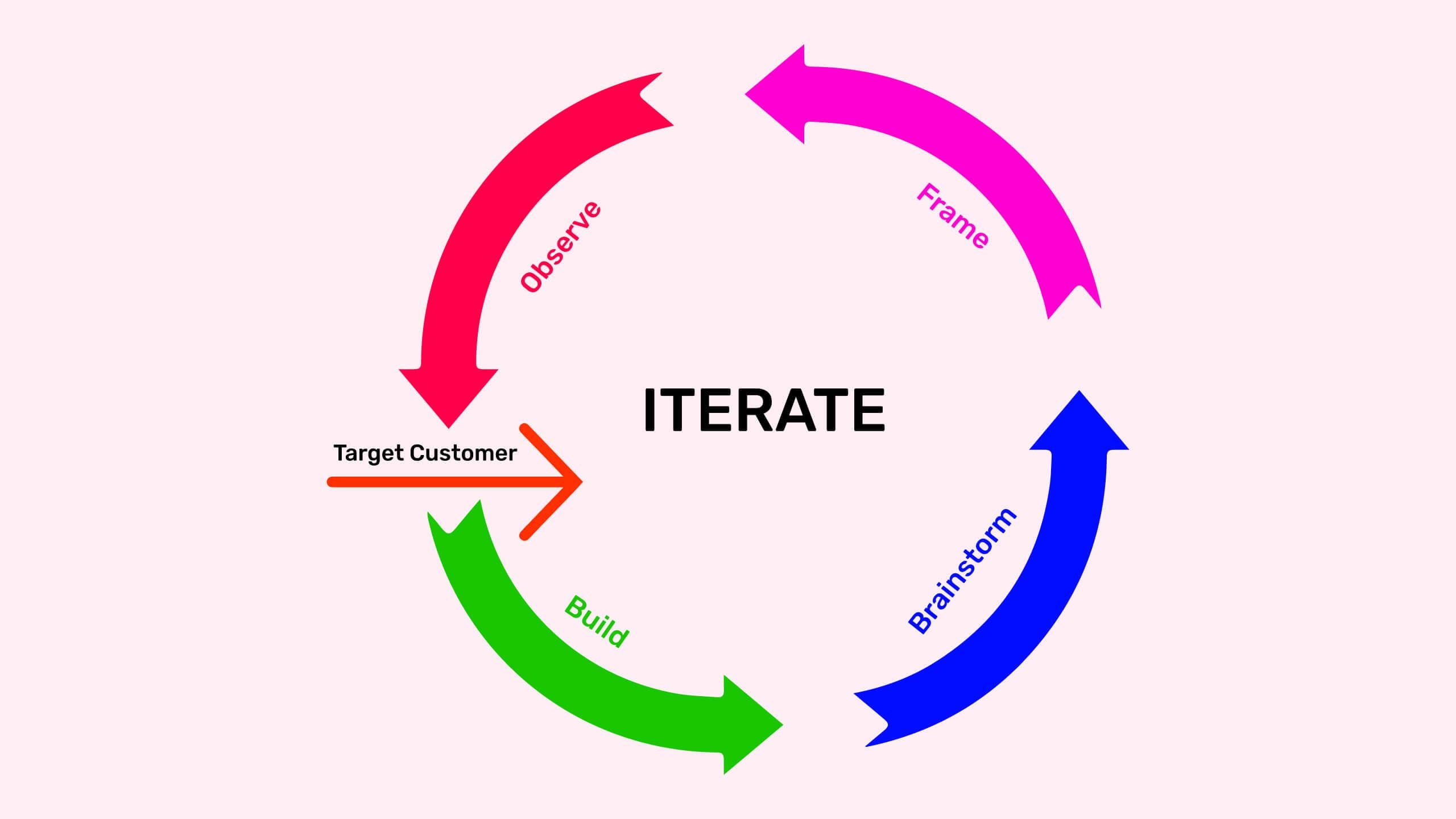
Iteration and feedback are not merely steps in the product development process; they are integral components of a startup’s lifeblood. Embracing a culture of continuous improvement allows teams to pivot quickly based on user insights and market demands. Each round of feedback serves as a vital signal, leading to a clearer understanding of customer needs and preferences. The process can be distilled into key phases:
- Prototype: Develop a minimal viable product (MVP) to test core hypotheses.
- Test: Gather feedback through direct user interactions and analytics.
- Adapt: Analyze the data, identify patterns, and iterate the product design.
Startups that prioritize this cyclical approach can drastically improve their chances of success.By fostering an environment where feedback is actively sought and valued, these companies can create products that truly resonate with their audiences. Here’s a simple table illustrating the differences between startups that iterate effectively and those that don’t:
| Features | Effective Iterators | Static Developers |
|---|---|---|
| Response to Feedback | Quick and data-driven | slow or dismissive |
| Product Adjustments | Regular and significant | infrequent minor updates |
| User Engagement | Proactive and ongoing | Reactive and minimal |
Strategic Financial Management: Ensuring Sustainability and Growth

Strategic financial management is the backbone of any successful startup, distinguishing thriving businesses from those that flounder.Winners in the startup realm adopt a proactive approach to their financial strategies, focusing on both immediate needs and long-term objectives. This involves meticulous budgeting to avoid overspending, coupled with innovative revenue models that adapt to changing market dynamics. Key practices include:
- Risk Assessment: Regularly evaluate financial risks and ensure appropriate measures are in place.
- Cash Flow Analysis: Keep a close watch on inflow and outflow to maintain liquidity.
- Cost Management: Identify unnecessary expenses and find ways to optimize operations.
by prioritizing these aspects, startups can create a solid foundation for sustainable growth, even in turbulent economic climates.
Moreover, the most successful startups leverage data-driven insights to inform their financial decisions. They harness the power of analytics to pinpoint profitable trends, customer preferences, and potential areas for expansion. Implementing a structured approach to financial forecasting allows these businesses to anticipate market shifts and adapt accordingly. While crafting these financial strategies, startups should focus on:
- Scenario Planning: Develop various financial scenarios to gauge the impact of different business decisions.
- Investment in Technology: Use financial management software to streamline processes and enhance accuracy.
- Stakeholder Engagement: Foster open channels of communication with investors and stakeholders for clarity and support.
In doing so, these companies not only safeguard their resources but also position themselves for remarkable growth in competitive landscapes.
The Conclusion
In the whirlwind world of entrepreneurship, where dreams collide with reality, understanding the reasons behind startup failures can be the beacon that guides aspiring founders toward success. While many ventures falter in the face of competition, mismanagement, or lack of market insight, the stories of those that thrive illuminate a different path. These winners embody resilience, adaptability, and a keen sense of purpose, employing lessons learned from the missteps of others.
As we conclude our exploration of this intricate landscape, it becomes evident that the journey of a startup is not merely about the idea but rather the execution, the team, and the ability to pivot in the face of adversity. By embracing the insights garnered from both the successes and failures,tomorrow’s entrepreneurs can forge their paths with a clearer vision and a stronger foundation.
Ultimately, the tale of startup success is woven with threads of innovation and perseverance. As you embark on your own entrepreneurial endeavor, remember: it’s not just about avoiding failure, but rather about cultivating an environment where growth, learning, and resilience can flourish. The road might potentially be fraught with challenges,but with the right mindset and strategies,the possibilities are limitless.