



Customer support is often pictured as a help desk light – a steady, necessary glow that keeps operations running. What gets less attention is what lies beneath that light: a complex, far-reaching set of returns that rarely show up on a balance sheet. Call it the hidden ROI of great customer support – the subtle gains in loyalty, product fit, and operational efficiency that compound over time.This article pulls back the curtain on those quieter returns. We’ll look beyond tickets closed per hour and talk about lifetime value, word-of-mouth, churn reduction, and the feedback loops that turn frontline conversations into better products and smarter decisions. Rather than treating support as a cost center, we’ll present the ways it can become a strategic engine for growth – and how to measure what has traditionally been hard to quantify.
Expect both practical frameworks and industry examples that clarify where the value lives and how to capture it. Whether you lead support, product, or the C-suite, the goal is the same: make the invisible, visible – so that investments in service are judged not only by responses, but by the returns they silently generate.
Revealing hidden revenue through support: metrics to quantify lifetime value uplift
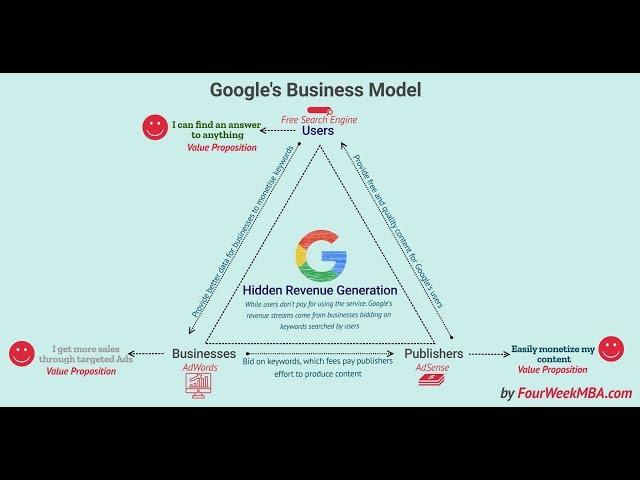
Think of your support team as a quiet growth engine: every resolved ticket, empathetic conversation, and proactive outreach nudges customers toward staying longer and spending more. Start tracking the signals that convert help into revenue-Retention Rate (how many customers you keep month-over-month), Delta LTV (the change in lifetime value after support interventions), Upsell Conversion (percent of help interactions that lead to extra purchases), and churn Reduction (the decrease in cancellations tied to support touchpoints). Small shifts in these numbers compound: a 2% advancement in retention can translate into double-digit revenue gains over several customer cohorts. Measure both behavioral metrics (repeat purchases, session frequency) and sentiment metrics (CSAT, NPS) to link emotional wins to monetary outcomes.
To make numbers actionable, map outcomes to a simple attribution model and test changes iteratively-track pre/post LTV around new support programs and tie savings in CAC payback to lower churn.Below is a compact reference that teams can use as a starting point to quantify uplift.
| Metric | What to measure | Speedy formula | Example uplift |
|---|---|---|---|
| Delta LTV | Revenue per user before vs after | (LTVafter − LTVbefore) | +$18/customer |
| Retention | Monthly cohort survival | (M1 retained ÷ M0 cohort) | +2% |
| Upsell Rate | Tickets → additional purchase | Upsell orders ÷ interactions | +1.5% |
Pair this with a short playbook:
- Instrument tickets: tag outcomes (canceled, renewed, upgraded).
- Run A/B tests: compare LTV of cohorts with enhanced support.
- Report monthly: show uplift, cost-to-serve, and ROI per initiative.
Preventing churn with proactive support strategies and retention focused scripts

Think of support as the company’s compass: small nudges steer customers away from frustration before it becomes a breakup. By monitoring usage patterns, flagging declines in engagement and launching timely, human-centered outreach, teams can convert friction into loyalty. Practical tactics that pay back quickly include:
- Automated health checks with a human follow-up for at-risk accounts
- Onboarding check-ins timed to product milestones
- In-product tips that surface when users stall
- Customer success reviews offering tailored value reinforcements
- Surprise-and-delight gestures for long-term customers
these moves lower reactive support load, catch churn signals earlier and make customers feel understood before they start looking for alternatives.
Retention scripts should be more toolkit than script – short, empathetic and focused on resolution and next steps.Start with an empathetic opener, follow with an open-ended question, and always close with a clear, time-bound action the customer can expect. Below is a compact reference table teams can adapt in real time:
| Snippet | When to Use |
|---|---|
| “I hear you – tell me more about that.” | Revelation & emotional cooling |
| “Here’s what I can do in the next 24 hours.” | Urgent technical issues |
| “If this doesn’t work, we’ll schedule a walk-through.” | Persistent adoption barriers |
Test variations, track resolution-to-retention conversion and iterate: the small language wins compound into a measurable uplift in lifetime value and lower acquisition pressure over time.
Converting support moments into revenue: training, knowledge design, and timing best practices

turn every support exchange into a strategic moment: well-trained agents do more than fix problems – they surface needs, build trust, and steer conversations toward value. Invest in scenario-based training that pairs product mastery with sales-awareness: role-play upsell language,map common pain points to premium features,and coach on when to transfer to revenue teams. Empowerment is practical: give reps scripts for quick value nudges, a short checklist for conversion opportunities, and a feedback loop to capture what closes.
- Role-play high-value scenarios weekly
- Playbooks for when to escalate or suggest upgrades
- KPIs that reward helpful conversions, not hard sells
Design knowledge and timing to nudge revenue gently: frictionless, contextual content converts.Structure help content as bite-sized decision triggers – concise steps, one-click CTAs, and in-article contextual offers that appear only when relevant. Timing is the secret multiplier: the “golden window” after a solved issue and the proactive check-in a day later are ideal moments to present tailored upgrades or add-ons without feeling opportunistic.
- Micro-articles with embedded CTAs for immediate next steps
- Contextual prompts based on user state, not generic banners
- Follow-up cadence: immediate resolution, then a 24-72 hour value check
| Moment | Action | Expected Lift |
|---|---|---|
| Post-resolution (0-2 hrs) | Short survey + tailored offer | +8-12% conversion |
| Follow-up (24-72 hrs) | value highlight + CTA | +10-18% conversion |
| Knowledge search | Contextual CTA in article | +6-10% conversion |
Cutting costs with first contact resolution and smart automation while preserving human empathy
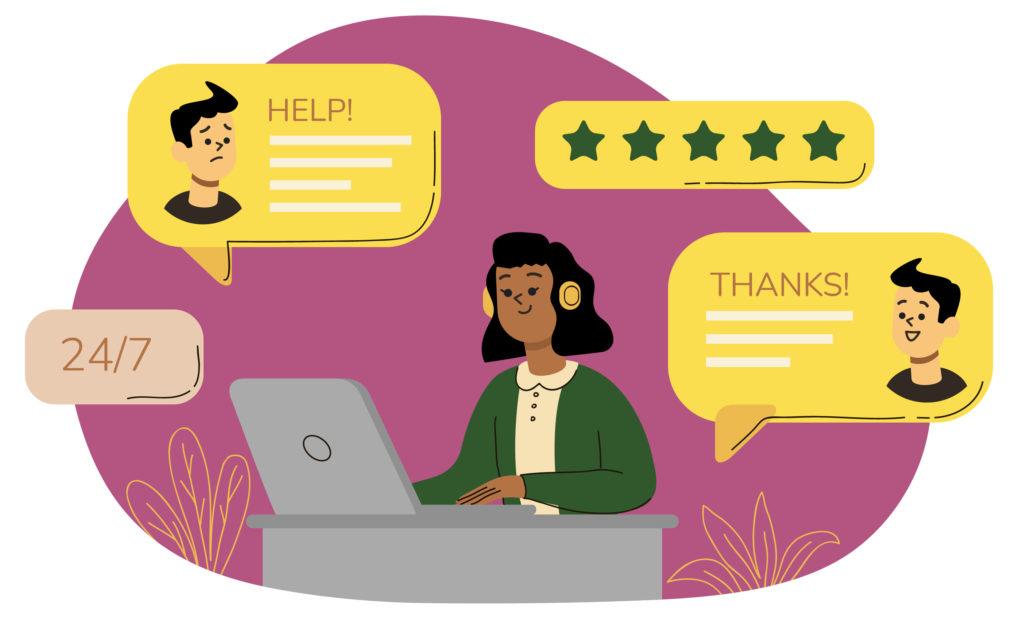
Imagine every customer question answered correctly on the first interaction – that single win unlocks a cascade of savings. By automating repetitive checks and routing while empowering agents with concise context cards, you cut repeat contacts and shrink average handle time. The result is not just fewer tickets, but measurable reductions in operating expense and a steadier, happier customer base. Small, focused automations can deliver big wins:
- Faster resolutions – fewer transfers and callbacks
- Lower training overhead – guided workflows for new hires
- Predictable volume management – bots handle spikes in routine requests
Cost-cutting shouldn’t sound robotic; empathy is the multiplier that turns efficiency into loyalty.Smart automation should handle the mundane and surface the human touch for moments that matter, using clear escalation rules and sentiment-aware prompts so agents can respond with authenticity. Practical metrics help balance both goals – measure time saved, satisfaction uplift, and escalation accuracy to keep investments aligned with human outcomes.
| Automation action | Agent time saved | Typical ROI |
|---|---|---|
| Auto-validate account details | 30-60s | 3-5x |
| Self-serve billing checks | 2-4 min | 4-6x |
| Suggested empathetic replies | 45-90s | 2-4x |
Creating a culture of continuous improvement with feedback loops, incentives, and performance dashboards
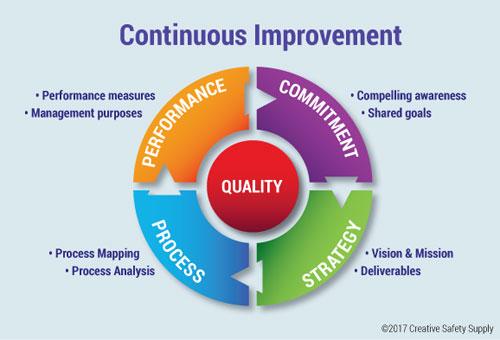
Great support teams treat feedback like a living resource: it’s harvested, shared, and acted on. Embed simple rituals-daily signal checks, weekly agent reviews, and monthly product syncs-so insights travel from customer voices to product decisions without friction. Listen relentlessly, surface micro-trends, and celebrate small fixes as wins. Practical inputs to keep momentum include:
- Customer transcripts and NPS verbatims
- Agent-suggested process improvements
- Quick A/B experiments on help content
These loops shrink time-to-learning and turn one-off complaints into systemic product and process gains.
When rewards and visibility align, improvement becomes contagious: modest incentives-spot bonuses, peer recognition, or advancement credits-nudge behavior while performance dashboards keep the story clear. Use metrics that are simple to understand and actionable; dashboards should answer: “What changed, who did it, and what’s next?” Clarity beats complexity. Example snapshot:
| Metric | Cadence | Immediate Benefit |
|---|---|---|
| First-Response Time | Daily | Faster resolutions |
| Resolution Accuracy | Weekly | Lower reopens |
| Agent Ideas Implemented | Monthly | Process improvement |
Pair the data with small, visible rewards and a cadence of review to make continuous improvement a predictable outcome, not a hopeful experiment.
building a concise business case and forecast that proves support ROI to leadership
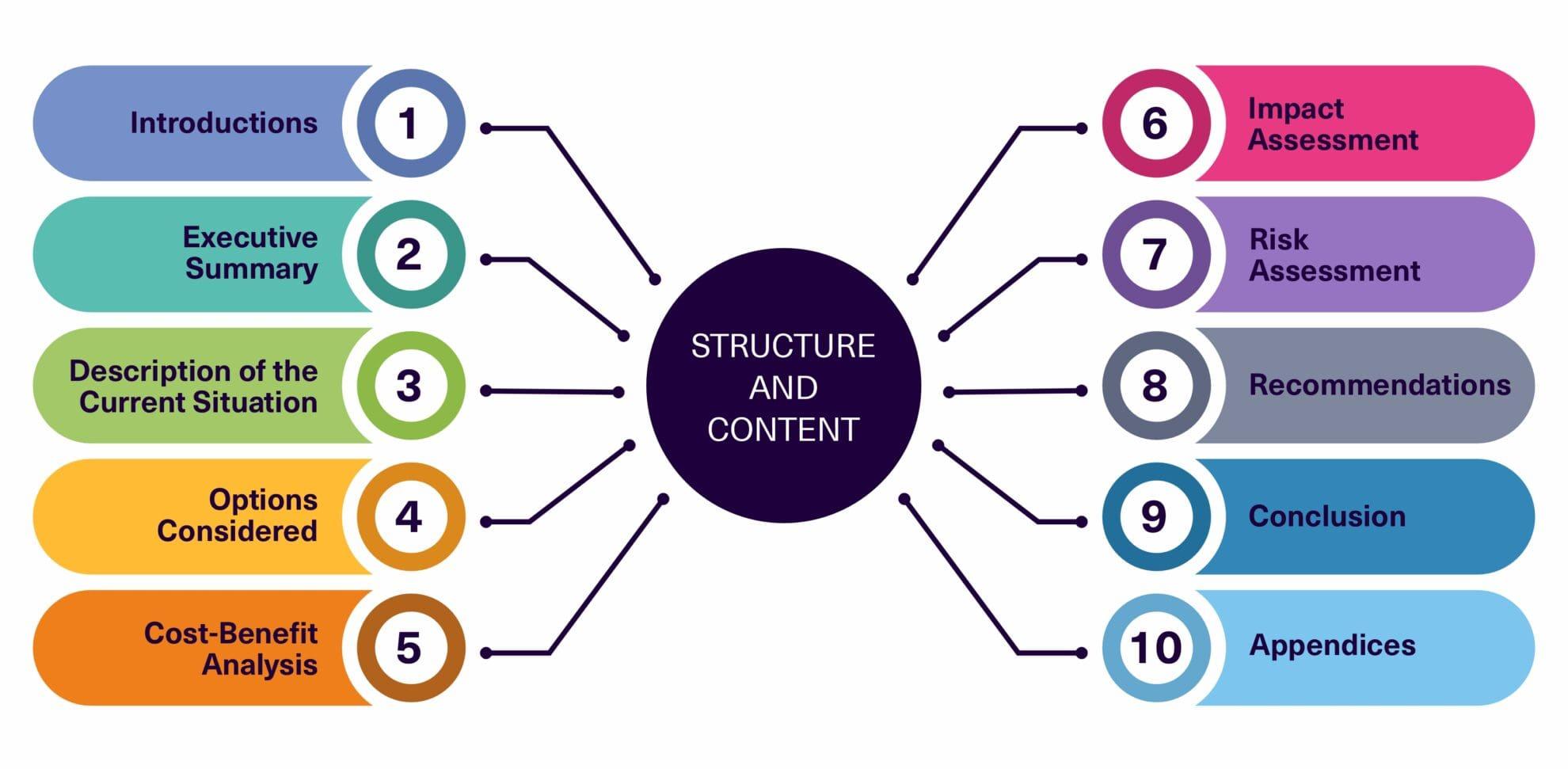
Turn support outcomes into boardroom-ready numbers. Start with a single-slide narrative that links support activities to cash: reduced churn, faster time-to-value, and deflected contacts that lower service costs. Build a compact forecast using three scenarios (conservative, likely, upside) and quantify only the levers leadership cares about-revenue retained, cost-per-ticket, and sales enablement impact. keep the math visible and the assumptions honest so the ask becomes a simple decision, not a debate. • Reduced churn = retained ARR
• Ticket deflection = headcount savings
• Faster onboarding = higher NPS and referrals
Offer a bite-sized forecast and a clear payback table. Present a one-year view with baseline vs. forecasted KPIs and an estimated payback period – executives will respond to months-to-payback and net impact on ARR. Use a small, styled table to make the case tangible and follow with a single, explicit request (budget, headcount, or tooling) tied to the midpoint scenario.
| Metric | Baseline | Year 1 Forecast |
|---|---|---|
| Churn | 5% | 3% |
| Cost / Ticket | $12 | $9 |
| Revenue Uplift | $0 | +$200k |
Insights and Conclusions
Customer support is often treated as a cost center, but as we’ve seen, its value quietly compounds – reducing churn, amplifying word-of-mouth, sharpening products, and freeing up time and money elsewhere. The returns may not always show up on the next quarterly report, but they arrive steadily: satisfied customers stay longer, spend more, and become unexpected advocates.
Thinking of support as an investment changes the questions you ask - not “How cheap can we make it?” but “How much can we learn, retain, and repeat?” That shift, small in language but large in practice, is where the hidden ROI becomes visible.
Measure what matters, design systems that scale empathy, and treat each interaction as both a solution and a signal.Over time, the balance sheet will reflect what your customers already know: great support is not an expense to be minimized, but an asset to be grown.