
Thirty seconds is all you get. In the span it takes to tie a shoe, scroll past a post, or step into an elevator, a stranger decides whether your business will linger in their mind or vanish into the noise. That sliver of time has become the modern battleground for brands-where clarity, emotion and a single memorable detail decide the outcome.
This article distills how to turn that brief encounter into a lasting impression. You’ll learn how to craft a compelling mini-story, sharpen your visual and verbal signals, and trigger recognition that survives long after the clock runs out. No lofty theorizing-just practical moves you can use immediately to make your business the one people remember.
Ready to make thirty seconds count? Let’s break down the simple, creative strategies that turn fleeting attention into lasting recall.
Craft a magnetic opening line that communicates your single strongest benefit
People judge your business in the time it takes to blink-so open with one irresistible promise that answers: ”What will I get?” State the outcome plainly, name the audience, and attach a time or metric. Keep it short, specific, and benefit-forward. Follow these quick rules to build that first sentence:
- focus on one result - choose the single outcome that changes a customer’s life or day.
- Use a clear timeframe or number – seconds, days, dollars saved, or ROI make claims believable.
- Remove jargon – swap industry words for everyday language your audience uses.
Try lines that sound like offers, not descriptions: “Get your website seen by 1,000 local buyers in 30 days,” ”Cut bookkeeping time in half this month,” or “turn casual visitors into paying clients in one call.” Bold the payoff-make it the star of the sentence-and then A/B test two variants: one practical, one emotional. Measure clarity first (do people understand it?), then tweak for intrigue; clarity converts faster than cleverness.
Design visual anchors that make logo, color and layout instantly recognizable

Think of visual anchors as tiny,repeatable signals that train a viewer’s eye: a confident logo lockup,a signature color,a stable layout and a subtle texture or pattern. When these elements appear in the same place and scale, they act like breadcrumbs – familiar, fast and unmistakable.Use a small set of rules and enforce them: one primary color, one headline font, consistent logo placement, and a simple grid. Quick reminders you can implement today:
- Logo always top-left or centered on templates
- Primary color on CTAs and accents only
- Two-column grid for content consistency
- One repeating graphic motif across channels
Apply those anchors everywhere so a customer can identify your brand in under half a minute – from a tiny app icon to a storefront sign. Run a 30-second test: show a mix of assets and see if people can name the brand or pick the correct color. Use this neat reference to keep the system tight:
| Anchor | Instant cue |
|---|---|
| Logo | Same size & corner placement |
| Color | Exclusive hue on CTAs |
| Layout | Grid rhythm & margin rules |
By committing to a few bold, repeatable choices you create an instantly recognizable identity that sticks in seconds.
Tell a microstory with sensory details to create emotional recall in a flash
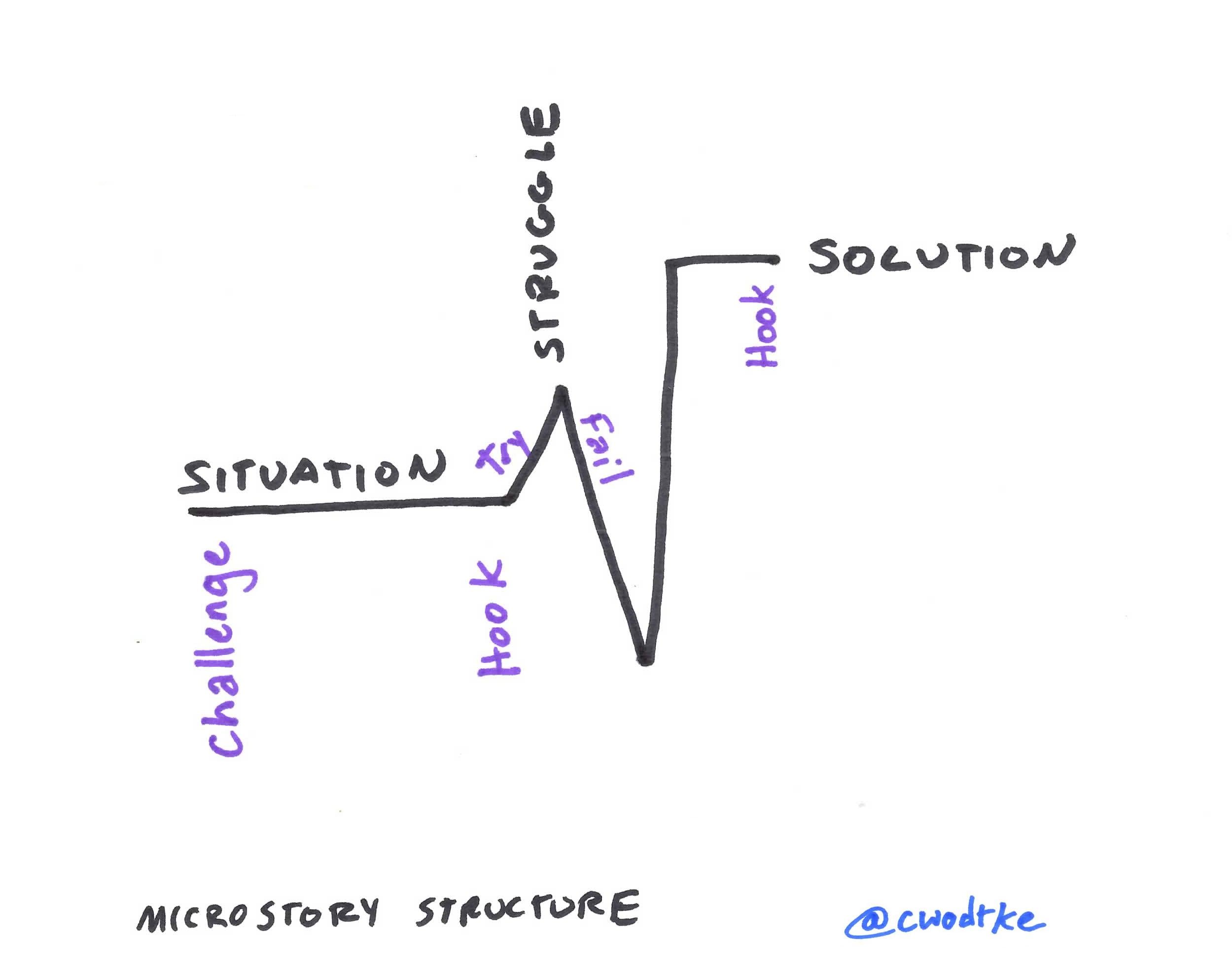
Night light through a frosted window, the faint crack of a well-worn leather chair, and the sweet sting of espresso on your tongue – in twenty words you’ve stepped into a moment that feels lived-in. Anchor a brand in a single heartbeat by describing a physical detail someone can feel or taste: the warmth of a name on a hand-written receipt, the rasp of recycled paper under a protégé’s finger, the jolt of a notification tone that means good news. Use one crisp image, one sensory verb, and a single emotion; that tiny scene will do the heavy lifting when time is tight and memory is short.
Build your microstory like a small-stage script: one setting, one sensory trigger, one emotional beat, then a tidy invitation. Try this quick formula and examples below to rehearse:
- Setting: where the memory starts
- Sensory trigger: a smell, sound, or texture
- Emotion: the feeling you want recalled
- Close: an action or line that links back to your offer
| Sense | Example trigger | Memory it sparks |
|---|---|---|
| Smell | Warm citrus polish | Care, attention to detail |
| Sound | Soft click of a clasp | Trust, security |
| Touch | Matte paper under thumb | Authenticity |
Practice until the image comes out clean and repeatable – that’s how your brand becomes unforgettable in a flash.
Reduce your offer to a single clear action and a simple benefit statement
In thirty seconds your audience must know the single thing you want them to do and what they get for it. Strip away industry jargon and choose an action verb-Book, Try, Claim, Join-followed by a specific, believable benefit. Make that line bold so it reads at a glance: Book a 15‑minute audit – increase leads by 20% in 30 days. That combination of a sharp verb and a measurable reward turns curiosity into motion.
Place this one-line pitch where eyes land first: hero section, button copy, and social profiles. Resist the urge to pile on multiple CTAs; one clear ask with one clear reward outperforms a menu of options. Think of it as a tiny promise: one ask, one reward-repeatable, testable, and simple enough that anyone can explain it aloud in one breath.
- Action + Outcome: “Start – double response rate.”
- Time‑bound: “Sign up – 7‑day setup.”
- Risk‑reduced: “Try free – cancel anytime.”
- Specific metric: “Save 30% on costs.”
| Before | After (Single line) |
|---|---|
| We offer comprehensive marketing solutions. | Book a 30‑min plan – get 3 new leads this week. |
| Custom web design and advancement services. | Launch your shop in 7 days – start selling. |
| consulting to optimize your sales funnel. | Claim a free audit – boost conversions 15%. |
Fine tune tone, pace and body language to project warmth and credibility quickly

Speak as if you’re inviting someone into a small,valued space: warm,steady,and intentionally paced.Start with a slight smile and let your voice land a half-beat later than your breath-that tiny lag signals calm confidence. Use short, rhythmic sentences; a measured tempo makes complex ideas feel simple and trustworthy. Keep shoulders soft and forward-facing, maintain light eye contact, and let your hands settle near your core-these subtle cues say, I’m present and capable.
Quick,repeatable habits turn first seconds into lasting impressions:
- One warm opener: a brief,genuine compliment or shared observation.
- Three-second pause: after your opener, let the silence do some of the work.
- Anchor gesture: a single, open-handed motion when you state your value.
| Cue | Quick tweak | Instant impact |
|---|---|---|
| Smile | Gentle,not staged | Signals warmth |
| Pace | Slow key phrases | Boosts credibility |
| Hands | Open palms,chest level | Conveys honesty |
build effortless triggers and easy follow up that turn brief impressions into lasting memory

Make a first instant that keeps working long after the handshake: design a tiny, unmistakable anchor that someone can feel, see or say again. Focus on one strong sensory cue – a crisp three-word line,a memorable color flash,or a tactile token - then tie it to an action they can repeat. Use simple scaffolds that turn attention into recall: one vivid image, one repeatable phrase, one tiny ritual. Below are fast,testable triggers you can craft in under 30 seconds:
- 3-word tagline: Clear,repeatable,and always on the business card.
- Tactile token: A sticker, ribbon, or swatch that invites touch.
- Micro-story: One surprising detail that rewrites expectation.
- Visual flash: A color or icon that arrests the eye in a crowd.
- Immediate CTA: A tiny ask – “Say this,” “Scan this,” or ”Tap here.”
| Trigger | Why it sticks | Try in 30s |
|---|---|---|
| 3-word line | Easy to repeat | Write on a tag |
| Sticker | Tactile recall | Give one away |
| Voice note | Personal & warm | Send after intro |
Turn that instant into a relationship with effortless, human follow-up: a one-line message, a five-second voice note, or a single-photo recap that reconnects to the original trigger. Automate the mechanics but keep the tone personal – use automation to send the tap,not the personality. Make the next step obvious and tiny: a link to a quick proof, a scheduled 3-minute call, or a simple how-to image – anything that builds a chain between the flash and a repeat interaction. The goal is to create a short, repeatable pathway from impression to memory to action.
to sum up
You’ve seen how a tight hook, a clear promise, a dash of credibility and a simple ask can turn half a minute into a lasting impression.The trick isn’t magic – it’s discipline: choose one idea, sharpen the language, show why it matters, and practice until it sounds effortless.
Next steps: pick your core message,write a 30-second version,test it on real people,and iterate based on what they remember. Keep visuals and gestures consistent,and don’t forget to measure: who responds,how they act,what they recall.
Thirty seconds won’t build your brand alone, but used deliberately it will open doors, start conversations and plant a seed that grows over time. Treat those 30 seconds as the headline of your business story – make it worth reading.