


A startup’s origin story often looks clean in hindsight: a flash of insight, a handful of committed people, and a product that somehow found its market. The reality behind moast beginnings is messier-missed rent, sleepless nights, strained relationships, and personal doubts that don’t make the pitch deck. Those struggles, when acknowledged and channeled, can become a founder’s most reliable form of leverage.Turning hardship into advantage doesn’t mean weaponizing pain or broadcasting every wound. It means translating the hard-won lessons of adversity into clearer vision, sharper empathy, and a credibility that attracts the right customers, talent, and partners. A founder who has faced scarcity learns to build with constraints; one who has struggled with stigma anticipates user needs others overlook. These are practical strengths disguised as personal history.
This article explores how founders can intentionally convert private challenges into strategic assets-without losing authenticity or burning out in the process. We’ll look at how vulnerability can shape product insights, how resilience becomes cultural currency, and how narrative framing turns obstacles into compelling differentiation. If you’ve ever wondered whether your setbacks are liabilities or hidden capital,read on: the line between the two is a matter of approach,not fate.
Turn Emotional Setbacks into Strategic Strength: Mapping Personal Lessons to Better Business Decisions
Every scar is data: the frustration after a failed hire, the sleepless weeks after a product pivot, the embarrassment of a public misstep – these moments carry encoded lessons about tolerance for uncertainty, blind spots in judgment, and the social levers that matter to your team. Treat emotional setbacks not as liabilities but as field reports: extract the signal, name the patterns, and translate them into concrete rules (what to test next, which conversations to open, which metrics truly matter).By cataloging feelings alongside facts you build a personal intelligence system that sharpens your instincts without letting mood dictate strategy.
- Translate – turn emotional reactions into observable behaviors you can measure.
- Annotate – keep short notes on triggers and outcomes to reveal repeating themes.
- Experiment – design small, reversible tests that address the lesson, not the pain.
- Share – normalize vulnerability in post-mortems so the team learns faster.
When you map those personal lessons onto decision frameworks, you turn volatility into verifiable insights: a missed deadline becomes a scheduling hypothesis, a burn-out spell becomes a resourcing constraint to be quantified, and a broken partnership becomes criteria for future fit.Over time this practice yields a pragmatic, emotionally literate playbook – less about catharsis, more about calibrated choices that scale with the company.
Build resilience Systems: daily Practices and Team Structures That Prevent Burnout
Think of resilience as a workshop you visit every morning: small, deliberate acts that repair and sharpen you before the day’s friction. Start with micro-habits that anchor attention-5 minutes of breathwork, a short ”what matters today” note, and a single rapid win logged before noon. These tiny deposits compound: they reduce cognitive debt, reframe setbacks as data, and create predictable pauses where stress loses its grip. Try this short checklist to build momentum:
- Mood check-in (60 seconds)
- Priority triage (3 tasks max)
- Energy reset (movement or breath)
Translate personal rhythms into team systems so burnout becomes an edge your association navigates rather than a crisis it reacts to. Set shared rituals (async standups, paired “no-meeting” hours, rotating focus days) and assign clear ownership for mental-load tasks-who manages follow-ups, who shields deep work, who tracks capacity. Below is a compact reference you can paste into a handbook or sprint kickoff:
| Practice | Owner | Cadence |
|---|---|---|
| Weekly energy audit | Team Lead | Weekly |
| Focus blocks (no meetings) | All | Daily |
| Blameless debrief | Rotation | After incidents |
Complement these with lightweight norms:
- Visible capacity (shared calendar flags)
- Psychological safety (regular check-ins)
Together, these structures turn individual coping into collective resilience-so founders’ struggles become templates for stronger teams, not persistent liabilities.
Use Authentic Vulnerability as Founder Currency: How to Share Struggle Without Losing Credibility

Being candid about the hard parts of building a company can turn empathy into influence-if you treat honesty like a strategic asset rather than an emotional spill.Share short, specific moments that show a decision point and the concrete result, so readers can see the arc from problem to insight. Use these simple formats to keep vulnerability useful and memorable:
- Short anecdote + concrete outcome – what happened and what changed.
- Lesson + action – the insight you extracted and the step you took next.
- Relatable signal – one detail that lets others say, “I’ve been there.”
When you stick to this structure you create relatability without inviting rumor or pity.
Keep credibility intact by pairing every admission with a forward-looking tether: timelines, metrics, or a plan for recovery. Set clear boundaries about what you reveal (personal vs. professional), and be constructive-vulnerability that ends in helplessness erodes trust, vulnerability that ends in learning builds it. be consistent: a pattern of honest, measured updates signals authenticity; a single dramatic confession without follow-up feels performative. Provenness lives in the follow-through,not the confession alone.
Transform Scarcity into Resourcefulness: Practical Ways to Stretch Time and Capital
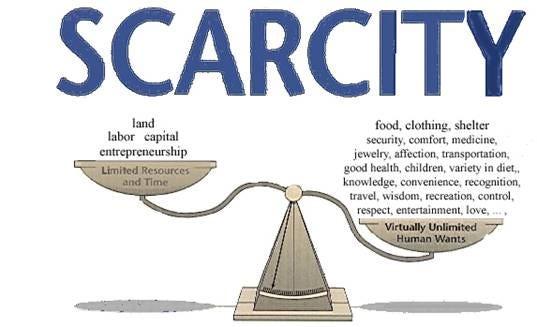
Scarcity sharpens design-when you treat constraints as tools rather than obstacles, decisions become clearer and momentum grows. Start by turning habits into leverage:
- Batch tasks – group similar work to reduce context switching and win back hours each week.
- Time-box ruthlessly – set 25-90 minute sprints and guard the end time as fiercely as a meeting.
- Prioritize learning that pays – invest only in skills that convert to immediate value for your product or network.
These small rituals compound: a disciplined calendar plus selective skill-building frequently enough does more for runway than a small loan.
Stretching capital is an act of creative barter and smart sequencing: trade equity for services,stagger payments,and design pilots that generate revenue before feature-complete launches. Try low-cost experiments first and document outcomes to convert into credibility when negotiating for resources.
- Swap skills – offer product work for legal, design, or marketing support.
- Lean partnerships – co-market with noncompeting brands to share customer acquisition costs.
- Revenue-first pilots – launch a paid beta to validate demand before heavy investment.
| Hack | What to do | Impact |
|---|---|---|
| Skill Swap | Exchange 10 hrs dev for 10 hrs designer work | Cost: $0 / Speed: + |
| Deferred Fees | Pay vendors 30% now, 70% on milestone | Cashflow: + / Risk: Manageable |
| Paid Pilot | Charge early adopters a reduced fee | Validation + Revenue |
Create a Personal Narrative Framework: Crafting Stories that Attract Investors Partners and Talent

Translate raw hardship into a clear, repeatable story arc that makes your choices legible and your traction believable. Start by naming the moment that changed everything, then map the skills you built and the market signal you now exploit - these become the scaffolding investors and future teammates can understand at a glance. Use a simple checklist to keep the narrative focused:
- Origin: what happened and why it mattered
- Craft: the capabilities you developed
- Outcome: measurable wins or lessons turned into direction
When those elements are concise and connected, your struggle stops being a detour and starts being an asset that signals resilience, domain insight, and founder-market fit.
Once the bones of the story are set, shape delivery to the audience so it pulls toward action rather than pity. Lead with a specific scene, quantify the inflection point, and then tie the learning directly to what you’re building today – that’s the bridge from vulnerability to leverage.Practice these techniques:
- Be surgical: trim the drama; showcase the decision
- Be concrete: name metrics, timelines, and trade-offs
- Be invitational: end with a clear ask or role for the listener
Delivering your journey this way turns empathy into credibility and turns curiosity into committed capital, partnerships, or hires.
Set Boundaries and Measure Growth: Metrics and Rituals to convert Recovery into Scalable Advantage
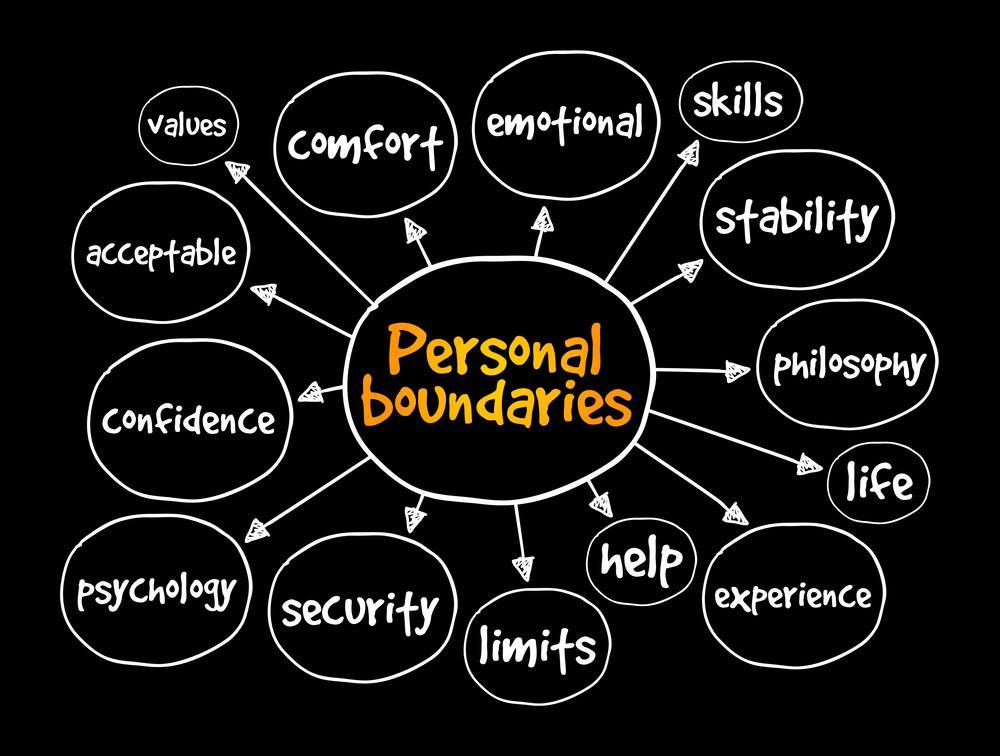
Think of recovery as a program you can ship: define clear limits, quantify small wins, and treat rituals like features with KPIs. Convert fuzzy intentions into concrete signals – such as, sleep regularity recorded as “bedtime variance,” focus yield measured by completed 25-minute sprints, and mood fidelity tracked with a quick 1-5 check-in. Use these micro-metrics to know when to throttle up or down; they become the early-warning system that protects runway without sacrificing momentum.
- Sleep variance: nights within ±30 minutes
- Focus sprints: 90-minute deep work blocks per day
- Mood check: daily 1-5 reflection
- No-meeting day: weekly protected time
When you measure what matters, boundaries scale into culture rather than becoming personality quirks. Share simplified dashboards with your core team, automate nudges, and turn recovery rituals into reusable playbooks so every new hire inherits the same protections. Small governance choices – like a visible ”recharge” calendar, a delegated decision list, or a weekly metric email – compound into organizational resilience.
- Track: publish one-line weekly health metrics
- Automate: calendar nudges and status templates
- Delegate: predefined decision owners for off-hours
- Celebrate: reward consistent boundary-keeping
Closing Remarks
personal struggles are less a liability than a raw material – a set of experiences that,if examined and shaped,can become insight,empathy,and direction. Founders who treat their hardships as data to be mined,not as trophies to display,can turn friction into forward motion: reframing pain into lessons,building structures to prevent repeat harm,and using authenticity as a clear signal to the right customers and collaborators.That transformation requires care. Extract the lessons,test them as hypotheses in your product and leadership,keep boundaries so vulnerability doesn’t become vulnerability,and surround yourself with people who can definitely help translate lived experience into durable systems. Marketability follows clarity; a well-scoped story and responsible use of personal insight will land farther than raw confession.Leverage, is neither magic nor excuse. It’s an iterative craft – one part honesty, one part discipline, and one part design. When approached thoughtfully, the struggles that shaped you can become the compass and fuel for the work you build, guiding decisions and attracting the people who resonate with the mission.