
Imagine a product as a living thing: it doesn’t reach a finished state and stop; it grows, adapts, and rearranges itself around the people who use it. In a world where user expectations shift with new technology, social trends and everyday habits, the companies that win are those that build products able to change alongside their users – not just once, but continuously.
This article explores what it takes to design products that evolve: the mindset, the processes and the practical techniques that keep a product aligned with real human needs over time.You’ll see why rigid roadmaps and one-off launches fall short, how feedback and data become the product’s nervous system, and why modular design and experiments are better long-term investments than feature lists.
Whether you’re a product manager, designer, engineer or founder, the goal is the same: create systems that learn, adapt and scale with the people who depend on them. Read on for a framework that turns fleeting insights into durable change, and builds products that stay useful as their users change.
Design a living product roadmap that adapts to user intent and measurable outcomes
Treat your roadmap like a living conversation between the product and its people: let behavior, intent signals and outcome metrics steer priorities instead of fixed feature lists. Build a feedback loop where experiments are the unit of learning, not just deliverables – prioritize trials that reveal intent shifts, then bake prosperous patterns into the plan.This keeps the team nimble and ensures each entry on the roadmap ties to a measurable change in user experience or business health.
- Intent signals: search queries,path deviations,micro-conversions
- Behavioral metrics: retention cohorts,feature adoption rate,time-to-value
- Qualitative triggers: recurring support themes,NPS verbatims,user interviews
Operationalize responsiveness with a simple cadence and clear decision rules: run short experiments,score outcomes,and route winners into delivery while shelving hypotheses that fail to move the needle. A compact governance table helps teams act quickly without getting lost in debate – define who evaluates results,what success looks like,and when a hypothesis graduates to roadmap work.use tools and dashboards that map intent signals to outcomes so every roadmap update is traceable and defensible.
| cadence | Trigger | Primary Measure |
|---|---|---|
| Weekly | Experiment results | Lift vs. baseline |
| Monthly | Behavioral trend shift | Cohort retention |
| Quarterly | Strategy review | OKR progress |
Build modular architecture and use feature flags to experiment and scale safely
Treat your product like a living mosaic of small, replaceable pieces: each piece focuses on a single job and can be swapped, scaled, or reworked without disturbing the whole. This approach encourages faster iterations,clearer ownership,and fewer cross-team bottlenecks – think small,testable building blocks that compose a resilient whole.
- Decouple UI, business logic, and data layers for independent evolution
- Define clear contracts/APIs so modules can be developed in parallel
- Encapsulate state to limit blast radius during changes
- Version and deploy modules independently to speed rollback and upgrades
By designing for interchangeability you make experimentation frictionless and technical debt visible before it becomes toxic.
Layer experimentation on top of that modularity with toggle-based releases that let you test ideas in production without permanent commitment. Feature flags become your lightweight control plane: they let you expose new behavior to a sliver of users, measure impact, and either scale or cut the feature instantly - instant rollback becomes part of your safety net.
- Wrap risky changes in flags
- Measure key metrics before ramping
- Gradually increase exposure and observe behavior
| Strategy | Result |
|---|---|
| Canary | Early detection, low risk |
| A/B | Data-driven design choices |
| Kill switch | Fast rollback |
When combined, modular design and controlled rollouts let you evolve features with user signals, not guesses – building confidence one small release at a time.
Make continuous discovery habitual with rapid research, user interviews, and feedback loops
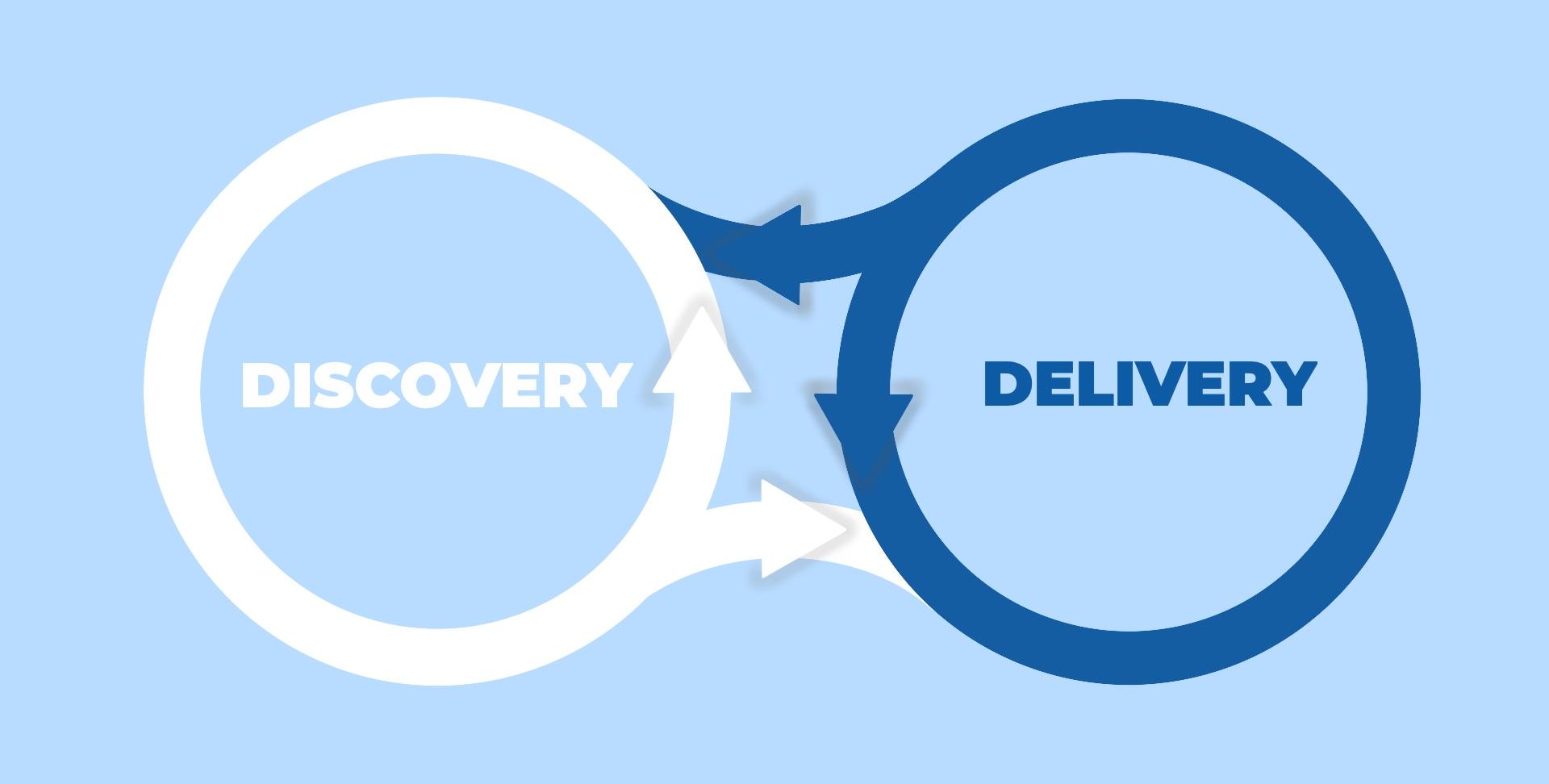
Turn discovery into a rhythm your team can dance to: build tiny, repeatable experiments that fit the calendar and attention span of a busy product squad. Keep research light but relentless – micro-interviews, fast usability smoke tests, and short customer-surveys that feed a living empathy map. Make artifacts that travel: a one-page insight, a three-bullet problem statement, and a testable hypothesis each time you talk to users.
- Micro-interviews: 10-15 minute chats
- Smoke tests: Prototype, measure, learn
- insight cards: Shareable, searchable, actionable
Close the loop by ritualizing synthesis: schedule short “what-we-learned” sessions, publish the outcomes where teams live, and turn findings into next-step experiments rather than symbolic reports. Keep track of cadence and outcomes to prove momentum-small, regular inputs compound into meaningful product evolution.
| Cadence | Immediate Output |
|---|---|
| Daily | 1 actionable insight |
| Weekly | Prioritized experiment |
| Monthly | Roadmap adjustment |
Instrument for insight with privacy-first analytics and behavior-focused metrics
Think of the analytics layer as a precision instrument that listens to behavior without exposing identity: it captures granular flows and micro-conversions while enforcing consent-first collection and aggregation. Product teams get a language for user intent – a set of normalized events and cohort signals that make friction visible and opportunities obvious. Use this lightweight palette to prioritize changes quickly and ethically, whether you’re smoothing an onboarding flow or pruning features that confuse more than they delight. Key capabilities to look for include:
- Anonymized user profiles - session-linked signals, not personal data
- Consent-aware capture – toggles that respect choices by design
- Behavioral funnels – sequence-level insights that show where users drop off
- Retention cohorts - small-window snapshots to measure short-term product-market fit
When teams pair these metrics with fast experiments, product evolution becomes deliberate and reversible: hypothesis, measure, iterate. Translate behavior into action with a compact dashboard that highlights the metrics that matter and demystifies cause-and-effect so designers and engineers share a single north star. Below is a simple reference to keep discussions grounded during planning sessions:
| Metric | Why it matters |
|---|---|
| Activation rate | Shows first-value delivery |
| Feature stickiness | Indicates repeated value |
| Step drop-off | Pinpoints friction points |
- Measure what changes – prioritize metrics that move with product tweaks
- Keep it small – a focused set of behavior-focused indicators outperforms a noisy dashboard
Use progressive onboarding and contextual personalization to evolve with user skill levels
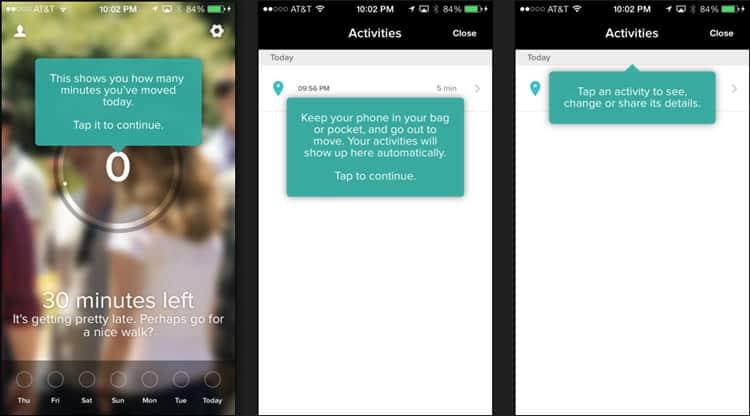
Design for a learning arc, not a single first-run. Begin with a focused, bite-sized experience that helps people complete the most common task, then progressively reveal depth as behavior shows readiness. Use gentle nudges-tooltips after repeated attempts, contextual examples when a feature is first relevant, and lightweight triggers that suggest shortcuts once a workflow becomes routine. Instrument flows to detect skill signals (repeat patterns, time-on-task, error rates) and let the interface evolve: hide complexity until it’s useful, then surface it with clear affordances and quick “learn more” options.
Practical tactics to make that evolution feel natural:
• Guided tasks for first-timers that end with optional deeper dives.
• Contextual suggestions-recommend actions based on current screen state and past successes.
• Progressive shortcuts that appear once a pattern emerges (keyboard tips, macros).
• Micro-feedback loops such as quick surveys or undoable suggestions to refine personalization.
Close the loop with cross-functional rituals, clear decision rules, and outcome focused iteration
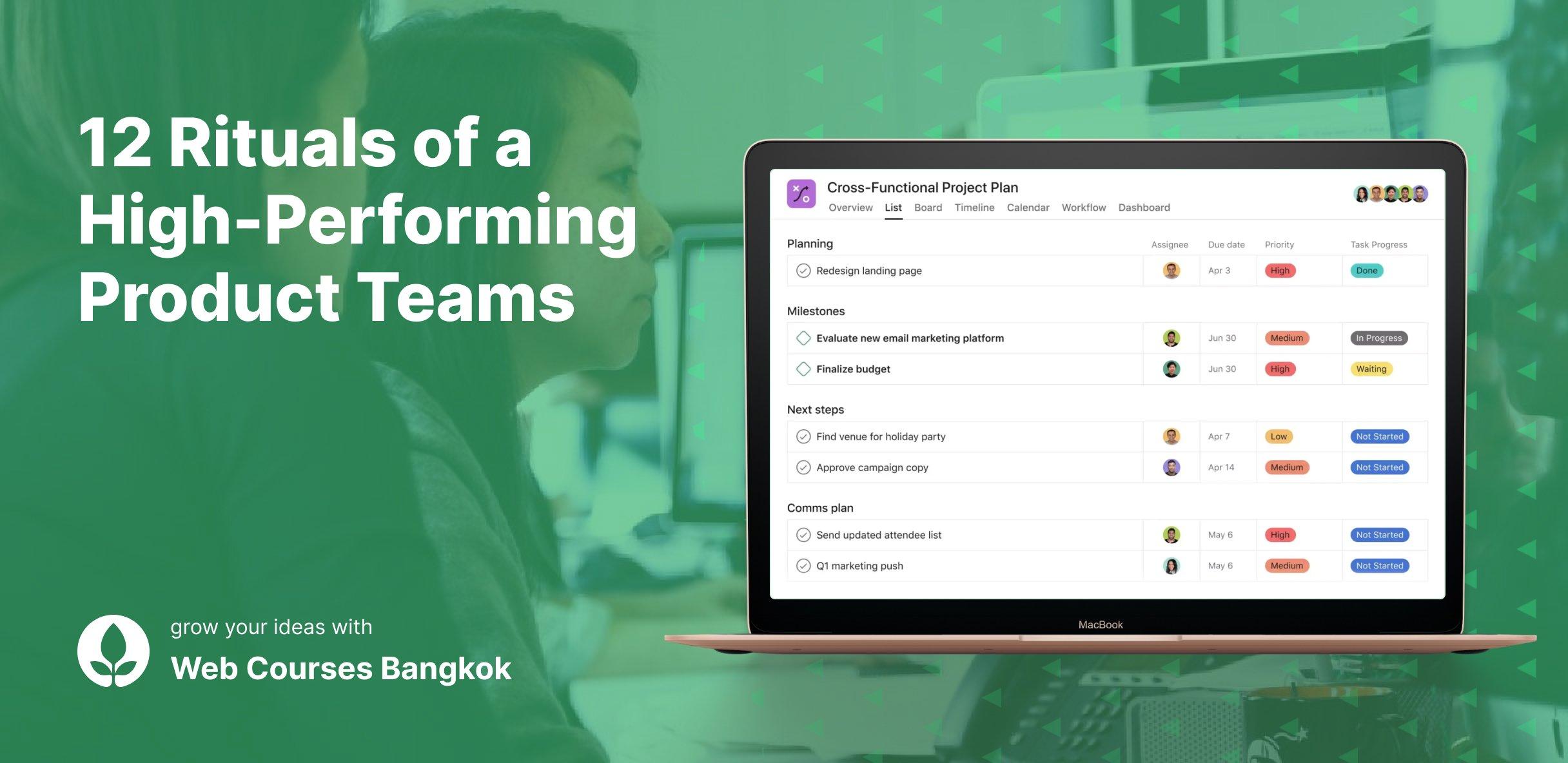
Create a living feedback loop where each team – design, engineering, research, and customer success – shows up with the same language and the same compass. Begin with a lightweight ritual calendar: a short weekly alignment to unblock,a biweekly discovery demo to surface new learnings,and a monthly council that vets trade-offs across roadmaps. Embed clear roles so debates turn into decisions: who owns the outcome, who signs off on experiments, and which signals trigger a pivot. Try rituals that are visible and repeatable, for example:
- 15-min daily sync for immediate dependencies
- Demo Friday to keep learnings public
- Decision day - a fixed slot for commitment
These small, regular practices keep the product adaptive without drowning the team in process.
Make iteration measurable and outcome-focused by pairing experiments with explicit decision rules and review gates. Define success thresholds up front, set experiment length, and state clear rollback criteria so teams can move fast without getting stuck. Use simple artifacts – a shared one-page experiment brief and a lightweight results table - to close the loop quickly and transparently. example metrics to review at each gate:
- Acquisition lift (target defined)
- Engagement change (minimum effect size)
- Operational cost (stop if exceeds ceiling)
| Metric | Target | Review Cadence |
|---|---|---|
| Activation rate | +8% | 2 weeks |
| Feature retention | +12% | 4 weeks |
When the loop is tight, decisions are fast, learning is clear, and the product evolves with real users – not assumptions.
in Retrospect
building products that evolve with your users is less about predicting a single perfect future and more about designing a system that can learn, adapt, and grow. Treat your roadmap as a conversation, not a decree: listen often, measure what matters, and leave room for the unexpected.
Practical habits - lightweight experiments, modular design, clear feedback loops, and a culture that embraces change – turn that mindset into repeatable practice. When teams and users are joined by curiosity rather than assumptions, features become responses, not guesses.
Keep the focus on usefulness over perfection. Evolve deliberately, fail cheaply, and iterate with empathy.The most resilient products are those that remain attentive: built to change alongside the people they serve.