


In an age where the line between reality and fabrication grows increasingly blurred, the emergence of deepfake technology has ushered in both interest and unease. Enter the world of deepfake influencers—digital personas sculpted from algorithms and artifice, cloaked in an alluring veneer of authenticity. These synthetic celebrities are not merely a reflection of our digital age; they represent a seismic shift in the economy of influence,where appearance often trumps reality. “Fake It Till You Make It” has taken on a new meaning, as these virtual entities command attention, cultivate followings, and shape trends—all while existing purely in the realm of the imagined. In this article, we will delve into the hidden economy surrounding deepfake influencers, exploring the ethical implications, the allure of their crafted realities, and what their rise means for the future of social media and personal branding. Buckle up as we navigate this fascinating intersection of technology,identity,and commerce,where the authentic and the artificial collide in a dance that challenges our most fundamental perceptions of truth.
Emergence of Deepfake Technology in Influencer Marketing
The rise of deepfake technology has begun to reshape the landscape of influencer marketing,offering brands innovative yet controversial avenues for engagement. This digital manipulation technique enables the creation of highly realistic videos featuring virtual influencers that can be tailored to represent a wide array of personalities and demographics. Brands can now harness these digital avatars, leveraging their ability to echo the charm and charisma of traditional influencers without the limitations of human frailty. The allure of utilizing deepfakes lies not only in their customization but also in their cost-effectiveness and the ability to sidestep potential controversies that often accompany real-life figures.
As companies explore the potential of deepfake influencers, several key advantages have emerged, including:
- Scalability: Brands can create countless variations of a single deepfake persona, allowing them to target different audiences more effectively.
- Consistency: Digital influencers can deliver a uniform message without the inconsistencies that may arise from human influencers’ personal lives.
- Brand Safety: Using deepfake technology minimizes the risk of public relations disasters, as these avatars can be programmed to align perfectly with brand values.
Yet, with these advancements come ethical considerations that marketers must navigate. the potential for misuse—ranging from deception in advertising to potential backlash against consumers feeling manipulated—raises questions about trust and authenticity. As influencer marketing continues to evolve, stakeholders in the industry must carefully weigh the benefits of deepfake technology against the possible ramifications of a society increasingly reliant on digital constructs.
The Allure of synthetic Personalities: Understanding Consumer Appeal
The rapid advancement of technology has fashioned a new realm where artificial personas thrive. These synthetic personalities not only mimic human behavior and emotions but also captivate audiences across various platforms.Their appeal stems from several key factors:
- Relatability: Designed to resonate with specific demographics, they reflect the tastes and preferences of their target audience.
- Availability: Unlike their human counterparts,they are always “on,” providing entertainment and engagement round-the-clock.
- Consistency: Their responses and interactions are uniformly polished, ensuring a reliable experience for followers.
As brands increasingly leverage these artificially created influencers, the implications for marketing and consumer engagement are profound. Unlike traditional marketing approaches, synthetic personalities can be used to:
| Strategy | Benefit |
|---|---|
| Targeted Campaigns | Enhanced precision in reaching niche markets. |
| Real-time Analytics | Immediate feedback helps refine marketing strategies. |
| Cost Efficiency | Lower overhead compared to hiring human influencers. |
The charm of these digital personalities lies in their ability to not only reflect societal trends but also set them, drawing in consumers seeking connection in an increasingly automated world.The boundaries between authenticity and artifice are blurring, challenging long-held beliefs about influence and identity.
Ethical dilemmas and risks in the Era of Deepfake Influencers

The rise of deepfake influencers presents a myriad of ethical concerns that challenge the very fabric of authenticity in digital media. As these hyper-realistic, computer-generated personas gain traction, they blur the line between reality and fabrication. Those who consume influencer content are increasingly at risk of being misled, leading to a trust deficit that affects both brands and genuine creators. Among the pressing dilemmas are:
- Deception: Audiences may unknowingly engage with content that is entirely fabricated, compromising their ability to discern real from artificial.
- Manipulation: The potential for deepfake influencers to promote false narratives or endorse products based on a counterfeit persona raises questions about consumer protection.
- Accountability: With the anonymity of deepfake technology, determining who is responsible for misleading content becomes increasingly complicated.
Moreover, the implications of this technology extend to societal norms, raising significant questions about consent and representation. Deepfake influencers can easily appropriate the likeness of real individuals without their permission, leading to potential reputational damage and exploitation. As the boundary of ethical content creation continues to erode, several crucial considerations emerge:
- Privacy violations: Individuals may find their image used without consent, sparking legal and moral concerns.
- Consumer Rights: There needs to be a clearer understanding of what consumers are entitled to in terms of openness and information.
- Industry Regulations: The absence of established guidelines leaves a gap that could be exploited maliciously.
Navigating the Legal Landscape: What Brands Should Know

As brands increasingly leverage technology in advertising, understanding the legal ramifications of using deepfake influencers is paramount. This innovative marketing tool allows companies to create hyper-realistic avatars, but it also raises significant ethical and legal questions. Companies must familiarize themselves with intellectual property rights related to image and likeness, as well as the potential for misleading consumers. brands should ensure that their use of synthetic media complies with the Federal Trade Commission guidelines on transparency, which mandate clear disclaimers when using non-human influencers.
Moreover, navigating this terrain requires brands to stay informed about evolving regulations around privacy laws and consumer protection. Here are some crucial considerations when developing campaigns featuring deepfake technology:
- Consent: Brands must obtain explicit permission from individuals whose likenesses are being manipulated.
- disclosure: Clearly disclose the nature of the influencer as a digital creation to maintain trust.
- accountability: Define liability in case of misuse or unintended consequences arising from the technology.
| Aspect | Consideration |
|---|---|
| Intellectual property | Ensure rights for any likeness used |
| Consumer Trust | Maintain transparency and authenticity |
| Regulatory compliance | Adhere to FTC guidelines and local laws |
Best Practices for Authentic Engagement in a Digital Age

In a world increasingly dominated by digital interactions, maintaining authenticity can feel like navigating a labyrinth. Engaging audiences in a genuine manner requires a blend of transparency and creativity. To foster meaningful connections in this landscape, brands and influencers should consider the following practices:
- Build Trust: Share behind-the-scenes content and real stories that resonate with your audience.
- Prioritize Transparency: Be honest about partnerships and sponsorships to eliminate any deception.
- Encourage Interaction: Foster dialog through comments and live sessions, making followers feel valued.
- Stay Consistent: Maintain a cohesive message across platforms to strengthen brand identity.
Establishing an authentic presence not only enriches viewer experience but also cultivates loyalty. An innovative approach to this is through the thoughtful adoption of analytics tools, enabling creators to understand audience preferences and behaviors. By leveraging data effectively, influencers can tailor content that resonates deeply and encourages organic engagement:
| Engagement Type | Description |
|---|---|
| Live Q&A Sessions | Direct interaction enhances personal connection and shows authenticity. |
| Feedback Polls | Asking followers for their opinions fosters collaboration and involvement. |
| Personal Stories | Sharing relatable experiences builds empathy and deeper connections. |
The Future of Influence: Balancing Innovation and Integrity in marketing
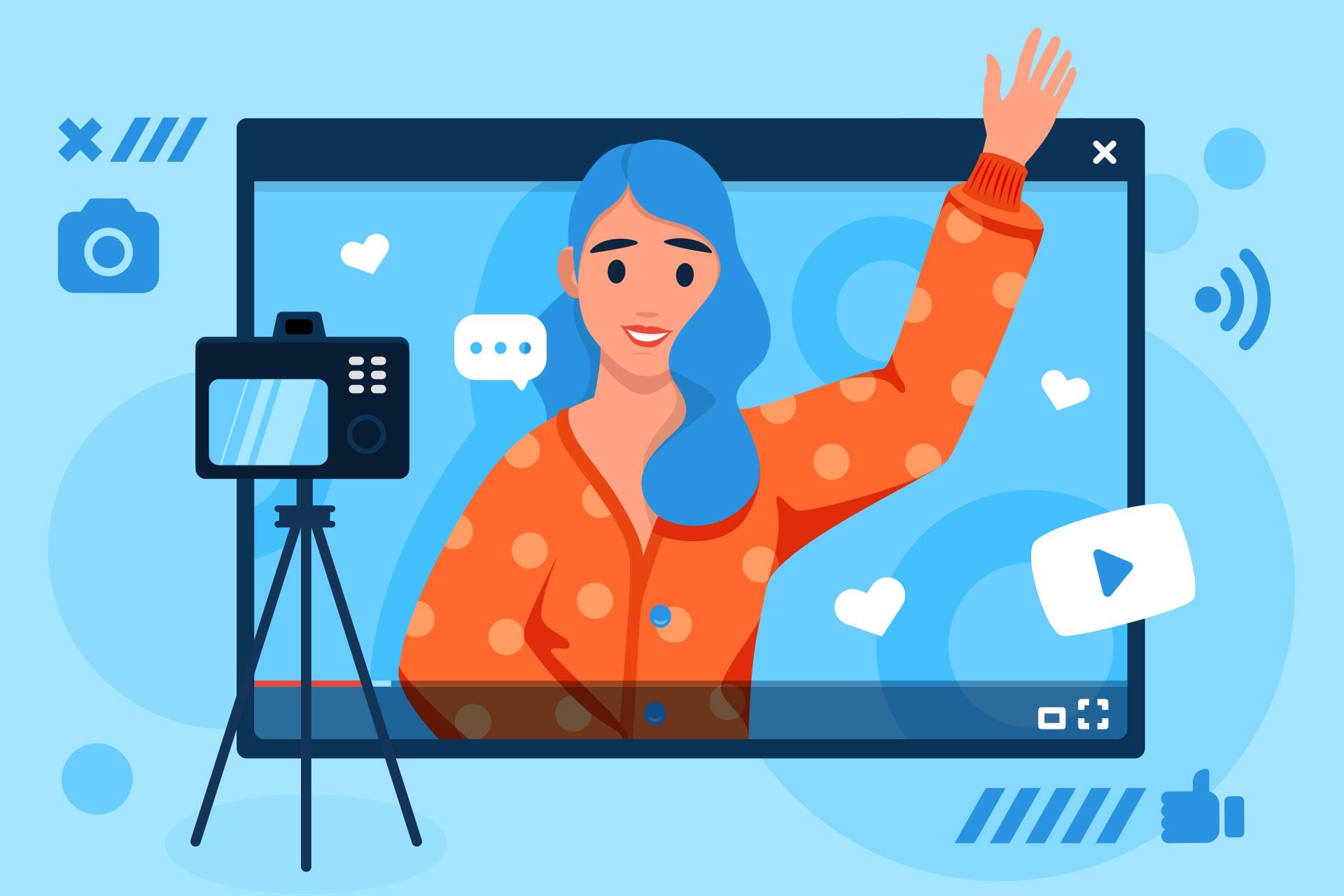
The rise of deepfake technology is redefining the landscape of marketing and influencer collaboration. Unlike traditional influencers, these virtual personas can be created to mirror any style, tone, or personality, allowing brands to tailor their marketing strategies to the finest detail. This innovative approach comes with a unique set of challenges and ethical considerations, particularly concerning authenticity and trust. As audiences become increasingly savvy, they are demanding transparency and reliability from the brand messages they consume. As a result, marketers must tread carefully, balancing the allure of cutting-edge technology with a commitment to integrity in their communications. the ability to manipulate visuals and voices opens up a world of possibilities but also brings the risk of alienating loyal consumers who value authenticity.
To illustrate the tension between innovation and integrity, consider the following aspects that marketers need to evaluate when integrating deepfake technology into their campaigns:
- Public Perception: How will your audience react to AI-generated influencers?
- Regulatory Compliance: What legal implications exist for using synthetic identities?
- Ethical Boundaries: Where do we draw the line on authenticity?
- Brand Voice Consistency: Does this approach align with your brand’s core values?
| Aspect | Consideration |
|---|---|
| Innovation | Engaging new target demographics |
| Integrity | Maintaining consumer trust |
| Cost | investment vs. return on creativity |
| Future Impact | Cultural shifts in content consumption |
Q&A
Q&A: “Fake It Till You Make It: The Hidden Economy of Deepfake Influencers”
Q: What exactly is a deepfake influencer?
A: A deepfake influencer is a digital persona created using artificial intelligence technologies that manipulate videos and images to create hyper-realistic content. Unlike traditional influencers, these digital avatars can be entirely fabricated, with no real human behind them. They can engage audiences on social media, promote brands, and even respond to comments, all while existing solely in the realm of digital creation.
Q: How is the economy surrounding deepfake influencers developing?
A: The economy of deepfake influencers is burgeoning, driven by the demand for unique and engaging content. Brands are increasingly harnessing deepfake technology to create marketing campaigns that feature charismatic, but entirely virtual, figures. This has led to the emergence of digital agencies specializing in creating and managing deepfake personas, offering a new revenue stream and reshaping traditional influencer marketing.
Q: What are the benefits of using deepfake influencers for brands?
A: Deepfake influencers offer several advantages for brands. They can be tailored to embody any desired aesthetic or message without the unpredictability and limitations of a real person. Additionally, they can operate 24/7, engage with audiences globally in multiple languages, and be programmed to respond perfectly to brand guidelines, thus sharpening brand image while reducing risks associated with human influencers.
Q: Are there any ethical concerns surrounding deepfake influencers?
A: Yes, the rise of deepfake influencers raises significant ethical questions. Issues such as authenticity, consent, and the potential for misinformation come to the fore. Audiences may find it challenging to discern human influencers from AI-generated personas, which could lead to mistrust. Additionally, there are concerns about the potential misuse of deepfake technology for malicious purposes or to deceive consumers.
Q: Can you provide examples of successful deepfake influencers?
A: One notable example is Lil Miquela, a digital character who has amassed millions of followers on Instagram and collaborated with major brands. While not a deepfake in the traditional sense,her virtual identity blurs the lines between reality and fiction. Other projects have developed custom deepfake influencers for specific campaigns, showcasing their versatility and capacity to resonate with audiences.
Q: What impact does this trend have on traditional influencers?
A: The rise of deepfake influencers could create a competitive atmosphere for traditional influencers, pushing them to adapt and innovate continuously. Real influencers may need to focus on building deeper connections with their audiences through authenticity and relatable content, as consumers may gravitate towards genuine interactions, and distinguish these from fabricated ones.
Q: What does the future hold for deepfake influencers?
A: As technology develops and becomes more accessible, we can expect to see deeper integration of deepfake influencers in marketing strategies. However, this growth will likely be accompanied by conversations around regulation and the establishment of industry standards to address ethical concerns. Balancing innovation with duty will be key in shaping the future landscape of influencer marketing.
—
This Q&A format aims to unravel the complexities of deepfake influencers while maintaining a neutral tone, allowing readers to contemplate the implications of this intriguing and evolving phenomenon.
Key Takeaways
in a world where the line between authenticity and simulation increasingly blurs, the rise of deepfake influencers presents both challenges and opportunities. As we navigate the hidden economy shaped by these digital personas, it becomes crucial to reflect on the implications for transparency, trust, and creativity in our online interactions. While the allure of a curated, flawless persona may draw viewers in, it invites us to ponder the true essence of influence in an age of artifice.Will we choose to embrace this synthetic innovation, or will we stand firm in the value of genuine human connection? The journey ahead remains uncertain, but one thing is clear: as technology continues to evolve, so too will our understanding of influence and authenticity in the digital space. As we face this brave new world,let us remain vigilant,curious,and open to the conversations that will shape the future of content creation and social connection. The story of deepfake influencers is just beginning, and the dialogue around it is more important than ever.