

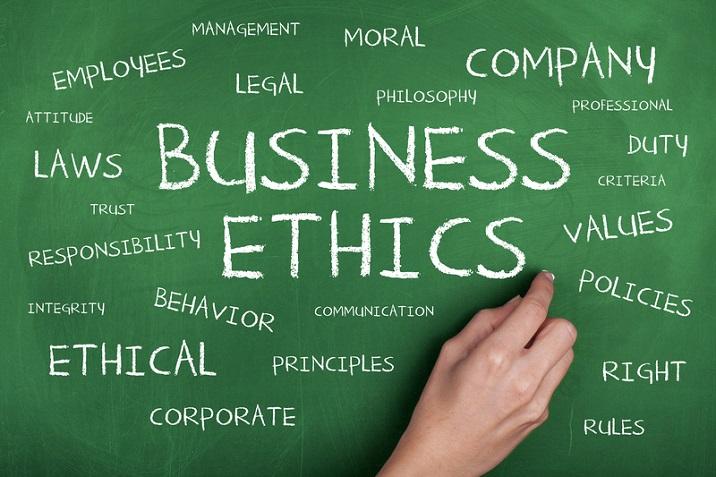

In a world where corporate headlines often echo tales of scandal and exploitation, the concept of ethical business practices stands as both a beacon of hope and a perplexing paradox.As consumers demand openness and accountability, businesses find themselves at a crossroads: is it possible to balance profit with principle? The price of being ethical transforms from a mere cost on the balance sheet to a multi-faceted dilemma that challenges the very foundations of capitalism. This article delves into the complexities surrounding ethical practices, exploring whether businesses can genuinely adhere to moral standards without sacrificing their financial sustainability. Can the pursuit of goodness coexist with the relentless drive for profit,or are they inevitably incompatible? Join us as we unpack these questions and navigate the intricate landscape where ethics and entrepreneurship intersect.
The Ethical Dilemma: Balancing Profit and Principles
The intersection of ethics and business has always been a complex terrain, where profit margins often clash with moral imperatives. companies today are increasingly confronted with the question of how to pursue their bottom line while maintaining corporate values that resonate with consumers.Many venture into practices that showcase their commitment to social responsibility, yet the reality often reveals a delicate balancing act. Are these efforts genuine, or simply a facade to attract ethically conscious customers? Consider the following aspects:
- Transparency: Open communication about business practices fosters trust.
- Sustainability: Eco-friendly practices can be costly yet crucial for long-term viability.
- Fair Labor: Ensuring ethical treatment of workers can increase operational costs, impacting profits.
Moreover, the advent of corporate social responsibility (CSR) initiatives has led many organizations to reevaluate their core missions. Yet, as they invest in these programs, the challenge remains: how to measure their true impact without compromising profitability? To illustrate this dilemma, consider the following table showcasing potential benefits versus the financial implications of ethical practices:
| Potential Benefits | Financial Implications |
|---|---|
| Enhanced brand loyalty | Increased costs related to ethical sourcing |
| Attracting ethical investors | Potential decrease in short-term profits |
| Improved employee satisfaction | Higher wages and benefits expenditures |
This scenario illustrates the intricate dance between upholding ethical standards and the relentless pursuit of profitability. Ultimately, businesses must navigate these waters carefully, asking themselves how they define “good” while confronting the realities of the marketplace.
Understanding Corporate Social Responsibility in a Competitive Landscape
In today’s fiercely competitive market, businesses are increasingly recognizing the importance of Corporate Social Responsibility (CSR) as a strategic priority rather than just an ethical choice. Consumers are fully aware and more discerning than ever,expecting brands to reflect their values. Corporate ethics not only build trust and loyalty but contribute to a company’s overall reputation and bottom line. As organizations strive to remain competitive, they frequently enough find that a strong commitment to social responsibility can act as a differentiator. Here are a few key factors that illustrate this phenomenon:
- Brand Loyalty: Companies that engage in CSR initiatives often witness heightened customer loyalty.
- Employee Engagement: Socially responsible companies tend to attract employees who share similar values, resulting in increased motivation and productivity.
- Market Differentiation: With numerous options available, a robust CSR strategy can help a brand stand out in a saturated marketplace.
Though, the challenge lies in the perception that ethical practices may lead to increased costs and reduced competitiveness. This is where the concept of value creation comes into play. By aligning CSR strategies with core business objectives, organizations can turn perceived liabilities into strategic assets. For instance, integrating lasting practices can lead to operational efficiencies and cost savings in the long run. The following table highlights how various companies have effectively integrated CSR into their business models:
| Company | CSR Initiative | Impact |
|---|---|---|
| Unilever | Sustainable sourcing of materials | Reduced environmental footprint |
| Patagonia | Environmental activism | Enhanced brand loyalty |
| Starbucks | Ethical coffee sourcing | Stronger supplier relationships |
The Cost of Conscience: financial Implications for Ethical Businesses
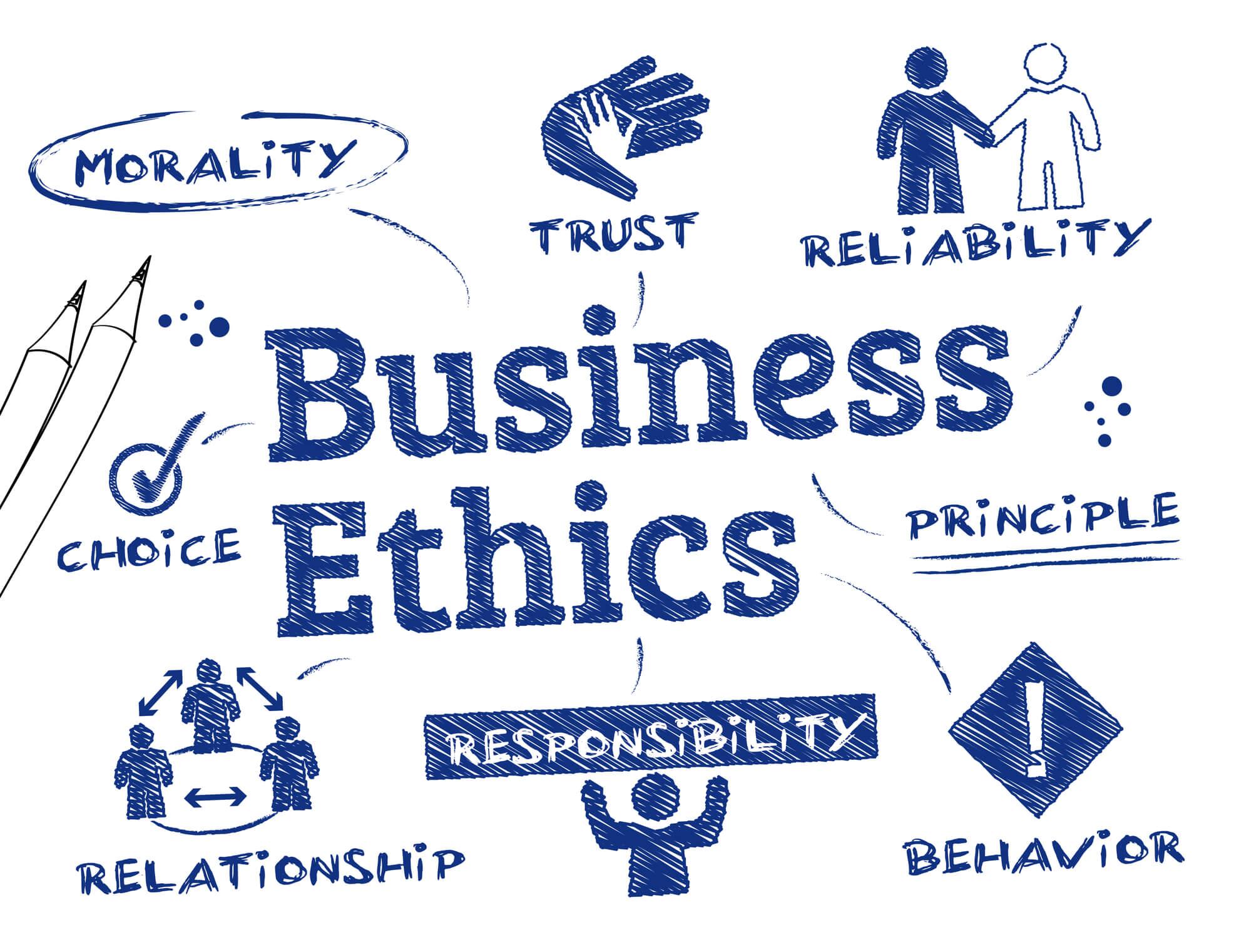
embracing ethical practices often comes with a significant price tag that businesses must grapple with. The financial implications of adopting a moral compass can manifest in various ways,including increased operational costs due to fair wages,sustainable materials,and compliance with environmental regulations. Ethical businesses may also face higher pricing from suppliers who share their values,which can consequently lead to elevated consumer prices. This financial reality can create a catch-22; while ethical companies may attract customers who value morality, they also risk alienating those who prioritize cost over conscience.
despite these hurdles, the investment in ethical practices can yield considerable returns in the long run. Notably, consumers are increasingly drawn to brands that demonstrate social responsibility, leading to enhanced customer loyalty and market differentiation. Businesses may also experience reduced turnover rates, as employees are more inclined to stay with companies aligned with their personal values. A table below illustrates key financial considerations:
| Financial Consideration | Impact of Ethical Business Practices |
|---|---|
| Operational Costs | Higher due to fair wages and sustainable sourcing |
| Consumer Trust | Increases brand loyalty and boosts sales |
| Employee Retention | Lower turnover leads to savings on training costs |
Consumer Expectations: How Ethics Influence Brand Loyalty
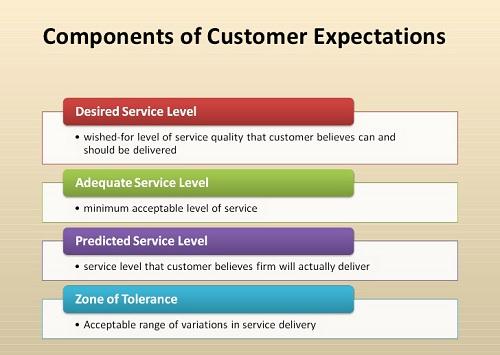
In today’s market, consumer expectations are evolving, and brands are increasingly held accountable for their ethical practices. Ethical considerations now play a pivotal role in shaping brand loyalty, as consumers want to align themselves with companies that reflect their values. Brands that commit to ethical sourcing, sustainability, and fair labor practices not only enhance their reputation but also cultivate a loyal customer base. This shift in consumer behavior underscores a growing recognition that the integrity of a brand is as important as its products or services. Key factors influencing brand loyalty based on ethics include:
- Transparency: Consumers prefer brands that are open about their practices and policies.
- Sustainability: Eco-friendly initiatives resonate strongly with today’s environmentally-conscious shoppers.
- social Responsibility: Companies that give back to the community foster deeper connections with their customers.
However, balancing profitability with ethical considerations can be challenging for many businesses. The pressure to maintain competitive pricing can lead some companies to cut corners, jeopardizing their ethical commitments. Conversely, brands that take a stand and prioritize ethics often earn a premium on their products. This creates a interesting dynamic where consumers weigh the value of ethical consumption against cost. A closer look at how ethical practices impact sales might reveal the following:
| Ethical Practice | Consumer Response | Potential Sales Impact |
|---|---|---|
| Sustainable Sourcing | Increased loyalty | +20% |
| Fair Trade Certification | Willingness to pay more | +15% |
| Community Giving Programs | Enhanced brand perception | +10% |
Navigating Ethical Challenges: Strategies for Sustainable Success
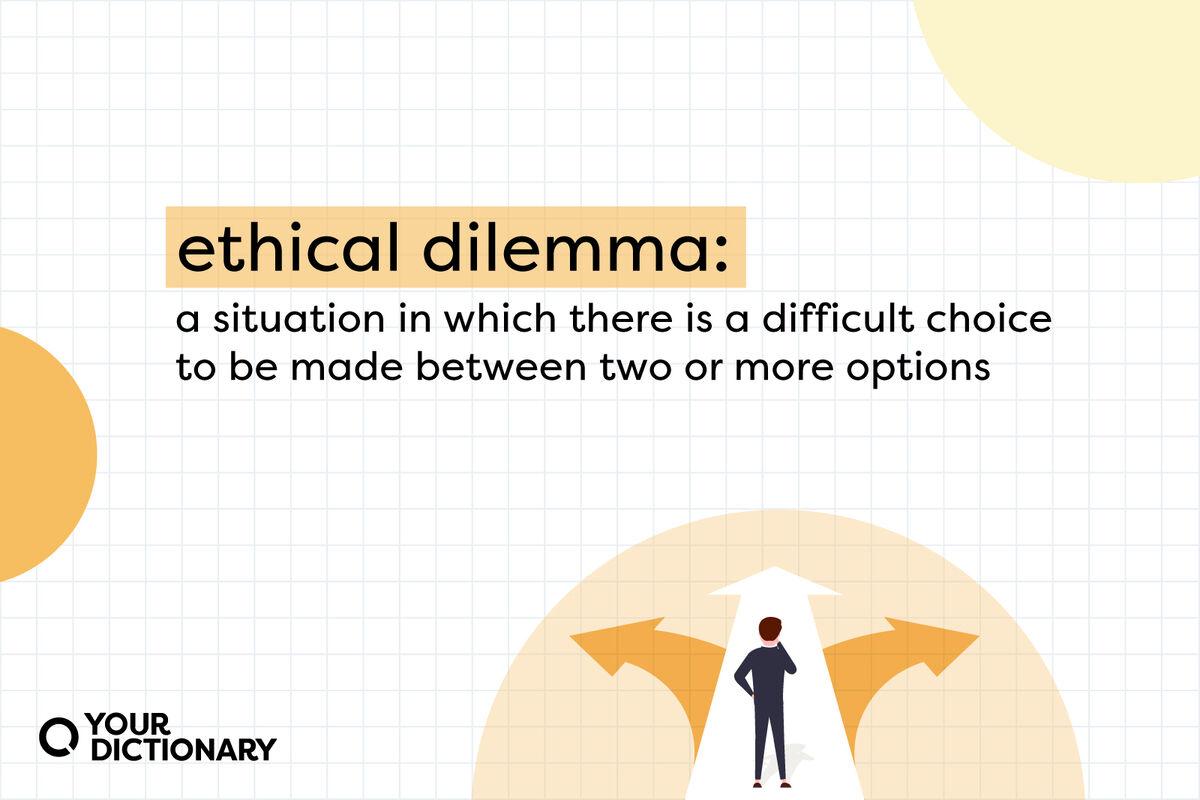
In an increasingly complex market landscape, businesses are faced with ethical dilemmas that challenge their operations and impact their reputations. Navigating these challenges requires a proactive approach, where companies can adopt a set of strategies that not only mitigate risks but also promote sustainability and goodwill. To instill ethical practices within organizational frameworks, consider the following approaches:
- Transparent Communication: Foster an surroundings where details flows freely, encouraging open dialogues about ethical standards and decisions.
- Stakeholder Engagement: Actively involve employees, customers, and the community in shaping business practices that reflect shared values.
- Ethical training Programs: Implement regular training to elevate the awareness and importance of ethics in decision-making processes across all levels.
- Accountability Mechanisms: Establish clear metrics for measuring ethical conduct, ensuring that all team members are aware of their responsibilities.
Moreover, finding a balance between profitability and ethical behavior can be achieved through innovative practices and stakeholder-centric models. Organizations can benefit from integrating sustainability directly into their business strategies, nurturing a culture of responsibility that resonates with today’s conscientious consumers. Here’s how businesses can align their practices to achieve sustainable success:
| Strategy | Impact |
|---|---|
| Invest in Sustainable Resources | Reduces environmental footprint |
| fair trade Partnerships | Supports local economies |
| Employee Welfare Programs | Enhances productivity and morale |
| Community Engagement Initiatives | Builds brand loyalty and trust |
The Future of Business Ethics: Innovations and Trends Shaping Responsibility
The landscape of business ethics is undergoing a profound transformation, propelled by advancements in technology and shifting societal expectations. Companies are increasingly leveraging innovations to enhance transparency and accountability, allowing consumers to make more informed choices.Blockchain technology, for instance, has emerged as a powerful tool for ensuring the authenticity of claims made by businesses, ranging from ethical sourcing of materials to fair labor practices. As organizations integrate AI and data analytics, they can proactively identify potential ethical dilemmas and re-align their strategies to foster a culture of integrity.
This progressive shift is also reflected in the rise of B Corporations and similar frameworks that emphasize social responsibility alongside profit generation. Such models encourage businesses to measure their impact based on a broader set of criteria, fostering a new standard for corporate performance. As we look ahead, the intersection of sustainability initiatives and corporate governance will likely drive the conversation around ethics even further. Businesses may find themselves at a crossroads, having to balance the desire for profitability with the growing demand for ethical practices. This evolution raises the question: can businesses genuinely embody responsibility without compromising on essential financial goals?
Q&A
Q&A: The Price of Being Ethical: Can Businesses Ever Truly Be Good?
Q1: What sparked the need to explore the ethics of business in today’s economy?
A1: In an age where consumers are increasingly conscientious and vocal about their values, questioning the ethical foundations of businesses has become essential. The prevalence of social media allows every corporate misstep to be amplified, prompting companies to reassess their practices. Furthermore, as issues like climate change, social justice, and ethical labor increasingly dominate public discourse, both consumers and employees are urging businesses to prioritize integrity over profit.
Q2: Can a business genuinely be ethical, or is it just a façade for marketing purposes?
A2: The sincerity of a business’s ethical stance can often be measured by its actions rather than its words. While some companies may adopt ethical practices as a marketing tool—dubbed “greenwashing” in the realm of environmentalism—others genuinely strive for positive change. The challenge lies in the complex nature of business operations, where profitability and ethical commitments can sometimes seem at odds. Ultimately, the authenticity of these efforts can often be gleaned from transparency, accountability, and a demonstrated long-term commitment to ethical practices.
Q3: What are some common challenges businesses face when trying to be ethical?
A3: Businesses frequently enough navigate a minefield of challenges on the road to ethical integrity. These include the pressure to maximize shareholder value, competitive market forces that prioritize costs over ethics, and paradoxes such as the “low price, high quality” expectation from consumers. Further complicating matters are the varied definitions of what constitutes ethical behavior across cultures and socio-economic contexts, which can lead to potential misalignment in practices and policies.
Q4: Does being ethical always come at a higher financial cost to businesses?
A4: While some ethical practices, such as sustainable sourcing or fair wage policies, can initially increase costs, they may lead to long-term benefits, including customer loyalty, brand differentiation, and reduced turnover.Research indicates that consumers are willing to pay a premium for ethically produced goods, suggesting that ethical choices can translate into financial opportunities. Thus, the relationship between ethics and profit isn’t necessarily linear; businesses frequently enough find that investing in ethical practices can yield positive financial returns over time.
Q5: How can consumers impact the ethical behaviors of businesses?
A5: Consumers wield significant power through their purchasing choices and brand loyalty. By favoring companies that demonstrate ethical practices and holding those that don’t accountable through boycotts or social campaigns,consumers can shift marketplace dynamics. Their demand for transparency and integrity encourages businesses to adopt more ethical practices as they seek to attract and retain customers who prioritize values over mere products.
Q6: can businesses ever truly be good?
A6: The elusive notion of a business being ”truly good” may depend on evolving societal norms, values, and expectations. while no company is perfect, many strive for continual improvement, seeking to balance profit with purpose.The journey toward ethical business practices is often riddled with challenges, yet by embracing accountability and transparency, companies can make meaningful strides. Ultimately, the pursuit of goodness in business may not lie in absolute perfection, but in the commitment to betterment and the willingness to engage with the complexity of ethical practices.
The Way Forward
As we draw the curtain on our exploration of the delicate balance between ethics and profitability, it becomes evident that the path towards genuine business practices is anything but straightforward. The question lingers: can businesses truly be good?
while some organizations may strive harmoniously for both social responsibility and financial success, others find themselves ensnared in the murky waters of compromise, caught between shareholder expectations and moral imperatives.The journey to ethical integrity is fraught with complexities, demanding active engagement, transparency, and the courage to prioritize long-term well-being over short-lived gains.Ultimately, the evolving landscape of consumer expectations, regulatory frameworks, and corporate governance will continue to challenge the notion of goodness in business.As we contemplate the price of being ethical, it becomes clear that the quest for true goodness is a collective endeavor—one that requires not just a shift in corporate values, but a reimagining of the very foundations upon which businesses are built.In a world where every decision carries weight, the true measure of a business’s goodness may lie not in its unblemished reputation, but in its willingness to reflect, adapt, and grow. Perhaps, then, the pursuit of goodness is not a destination, but a continuous journey—a journey that opens doors to transformation and fosters a more equitable reality for all.