


In a world that evolves at an unprecedented pace, the skills and strategies that once defined effective leadership ofen find themselves trapped in the amber of tradition. Like relics of a bygone era, the principles that dominated the corporate landscape a decade ago no longer hold the same weight in today’s dynamic environment. As new generations of leaders emerge, navigating a global workforce marked by digital transformation, shifting societal values, and an emphasis on inclusivity, the question arises: why does the leadership advice of yesteryear continue to circulate, seemingly unchanged? this article delves into the crux of this dilemma, examining the gaps between established wisdom and the realities of contemporary leadership.By unraveling the reasons behind this disconnect, we can better understand the necessity for a fresh perspective that aligns with the demands of modern-day leadership-making way for new ideas, practices, and thoght leaders who are ready to shape the future. Join us as we explore the landscape of leadership advice,unearthing the insights that can guide today’s leaders into a tomorrow that is as vibrant as it is unpredictable.
the Evolution of leadership: Adapting to Modern Challenges
The landscape of leadership has undergone a dramatic transformation over the past few decades, yet much of the advice circulating today remains entrenched in old paradigms. In a world where technological advancement, globalization, and shifting cultural dynamics are the norm, leaders must navigate complexities that previous generations could scarcely imagine. Traditional leadership models often emphasize a top-down approach, where authority and decision-making are centralized. However, the modern workplace thrives on collaboration, adaptability, and emotional intelligence.These contemporary demands require leaders to be more than just figureheads; they must act as catalysts for innovation, empowering their teams to take initiative and respond to challenges dynamically.
Moreover, the changing nature of work, marked by remote teams and diverse workplaces, has rendered many conventional leadership strategies ineffective.To remain relevant and effective, leaders must embrace several key adaptations:
- cultural Competence: Understanding and respecting diverse perspectives.
- Agility: The ability to pivot in response to rapidly changing circumstances.
- Employee Engagement: Fostering a sense of belonging and involvement among team members.
- Empowerment: Providing opportunities for team members to make meaningful contributions.
As we move forward,organizations that prioritize these qualities in their leadership will not only navigate challenges more effectively but also create a culture of resilience and innovation. Adapting leadership styles to reflect the realities of the modern world is therefore essential for sustained success.
the Inflexibility of Traditional Leadership Models
in an era marked by rapid change and unpredictability, traditional leadership models often exhibit a rigidity that can stifle innovation and adaptability. Leaders relying solely on hierarchical structures and autocratic decision-making may struggle to engage their teams effectively or respond to evolving market demands. This model’s constraints may lead to a lack of motivational alignment among team members, resulting in decreased productivity and morale.The reliance on established norms frequently dismisses the diverse perspectives and talents within a group, hindering creative problem-solving that is crucial in today’s complex landscape.
Moreover, the traditional emphasis on control and direction can create an environment that discourages open communication and collaboration. Rather of building a cohesive team dynamic, these rigid frameworks may foster competition over cooperation, causing fragmentation rather than unity. To combat these shortcomings, an effective leadership approach must incorporate adaptability, empathy, and collaboration. By shifting focus from a rigid hierarchy to a more fluid and inclusive model, leaders can cultivate an organizational culture that encourages diverse viewpoints and innovative solutions, ensuring their relevance in the contemporary world.
The Impact of Technology on Leadership Dynamics

The evolution of technology has reshaped not just how organizations operate, but also the very essence of leadership itself. Traditional leadership advice often emphasized hierarchical structures and top-down communication. Today, however, the rise of digital tools has fostered a culture of collaboration and inclusiveness, demanding leaders adapt their styles. Leaders must now:
- Embrace transparency: Open channels of communication through platforms like Slack and Microsoft Teams build trust and engagement.
- Leverage data analytics: Understanding performance metrics through data allows for informed decision-making that bypasses subjective biases.
- Cultivate adaptability: In a rapidly changing environment, leaders must pivot strategies and adopt new technologies to remain relevant.
Moreover, the accessibility of data has shifted power dynamics within teams. Employees can readily access knowledge and tools previously reserved for those in leadership positions, blurring the lines of authority. This democratization of information fosters a culture where leadership is more about influence than control. To further explore how these changes manifest, consider the following table that outlines the differences in leadership approaches:
| Traditional Leadership | Modern Leadership |
|---|---|
| Directive and Authoritarian | Collaborative and Empowering |
| Focus on hierarchy | focus on Networked Teams |
| Limited Feedback Channels | Continuous feedback Loop |
| Information Hoarding | Knowledge Sharing |
Diversity and Inclusion: Rethinking Leadership Strategies

In the rapidly evolving landscape of the modern workplace, traditional notions of leadership often fall short. The demand for leaders who can foster an environment of diversity and inclusion is now more pressing than ever. To keep pace, leadership strategies must reflect the value of varied perspectives and experiences. This means moving away from a one-size-fits-all approach and recognizing the importance of emotional intelligence, empathy, and intersectionality. To truly nurture an inclusive culture, leaders can implement strategies such as:
- Active listening: Encouraging open dialog to understand diverse viewpoints.
- Mentorship Programs: pairing underrepresented employees with seasoned leaders to promote professional growth.
- Flexible Policies: Designing policies that cater to the unique needs of a diverse workforce.
Moreover, rethinking leadership requires acknowledging that diversity not only enriches the workplace culture but also drives innovation and performance.Effective leaders must prioritize inclusivity by integrating feedback mechanisms that are receptive to all voices within an association. This entails establishing accountability measures that ensure depiction at all levels, exemplified by:
| Initiative | Impact |
|---|---|
| inclusive Hiring Practices | Diverse talent pool leads to innovative solutions |
| Diversity Training | Increased cultural competency among teams |
| Employee Resource Groups | Enhanced sense of belonging and engagement |
By embracing these principles, leaders not only stay relevant but also cultivate a shared vision where every individual is empowered to contribute. The future of leadership hinges on the ability to adapt and innovate,ensuring that every voice has a place at the table.
Emotional Intelligence as a Cornerstone of Effective Leadership
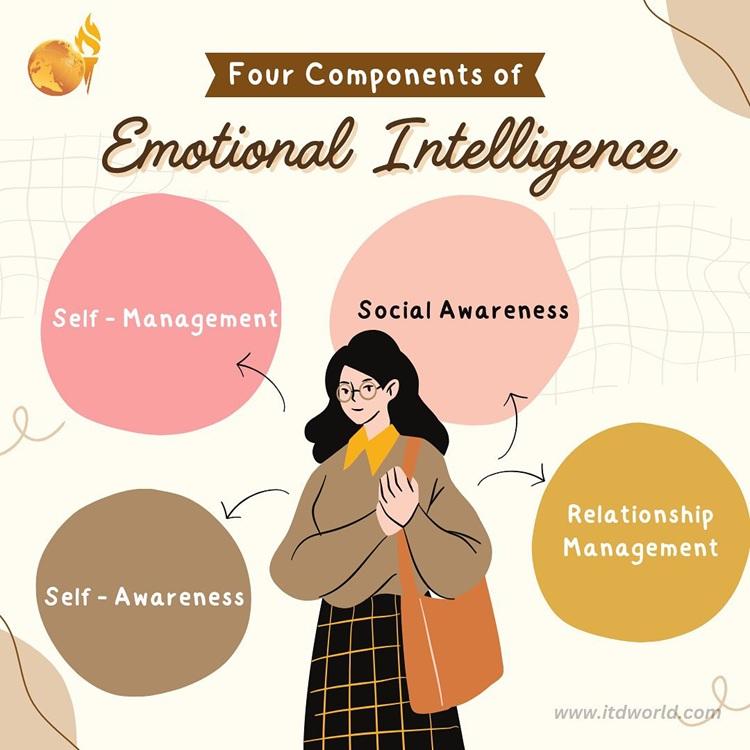
In today’s rapidly changing work environment,relying solely on traditional leadership advice can lead to frustration and stagnation. Emotional intelligence has emerged as a critical skill for leaders who wish to foster resilient teams and create a positive workplace culture. This set of competencies not only enables leaders to manage their emotions but also enhances their ability to understand and respond to the feelings of others. As organizations pivot towards collaboration and inclusivity, the ability to connect with team members on an emotional level becomes paramount. Leaders equipped with emotional intelligence can build trust, encourage open communication, and inspire motivation, driving productivity and engagement in their teams.
Furthermore, the integration of emotional intelligence in leadership practices can significantly improve decision-making and conflict resolution. Unlike conventional models emphasizing control and authority, emotional awareness allows leaders to consider multiple perspectives, nurturing a holistic view of challenges. By employing empathy and active listening, leaders can better recognize the signals of distress or disengagement within their teams. This proactive approach can prevent minor issues from escalating into major conflicts, creating a more harmonious work environment. prioritizing emotional intelligence not only enhances personal leadership effectiveness but also lays the groundwork for organizational success.
Empowering Teams: Shifting from Directive to Collaborative Approaches

In an era where innovation thrives on collaboration, the traditional model of leadership that emphasizes a directive approach is becoming increasingly obsolete.Modern teams flourish in environments where ideas flow freely, and decision-making is a shared responsibility. Empowering team members not only enhances their commitment but also harnesses their diverse perspectives, leading to richer solutions and fostering a culture of creativity. By transitioning to a collaborative model, leaders can create a sense of ownership among team members, motivating them to engage actively in achieving common goals.
To facilitate this shift, organizations can implement several key strategies:
- Develop trust: Cultivating an atmosphere of trust allows team members to feel safe sharing ideas and feedback.
- Encourage open communication: Transparency in discussions promotes constructive dialogues and strengthens relationships.
- Define clear roles: While collaboration is key, having well-defined roles ensures accountability and clarity in responsibilities.
- Foster a shared vision: Aligning team goals with a common purpose enhances motivation and drives collective action.
Future-Proofing Leadership: Embracing Change and Continuous Learning

In today’s rapidly changing world, the landscape of leadership is evolving faster than ever. Traditional leadership advice often relies on static principles that fail to address the dynamic environments leaders find themselves in. To remain effective, leaders must actively cultivate a mindset that embraces change, viewing challenges as opportunities for growth.This involves not only adapting existing strategies but also unlearning outdated practices that no longer serve their teams or organizations. Continuous learning becomes essential, where leaders seek knowledge from various sources, including unconventional ones, to stimulate innovation and ensure relevance.
Engaging in ongoing education and training is key to fostering a culture of *agility* and *resilience*. Leaders should focus on developing skills that align with emerging trends and technologies,ensuring that their leadership style remains relatable and effective. Consider the following areas where leaders can invest in their personal and professional growth:
- Emotional Intelligence: understanding oneself and others to enhance team dynamics.
- Data-Driven Decision Making: Leveraging analytics for informed choices.
- Adaptive Leadership: Responding flexibly to changing circumstances.
- Strategic Networking: Building relationships across various sectors.
By prioritizing these areas, leaders can continuously adapt their styles and approaches, ensuring they not only survive but thrive amidst uncertainty. The future of effective leadership lies in the ability to pivot, evolve, and inspire others in an ever-shifting environment.
Key Takeaways
In a world where change is the only constant, the landscape of leadership is evolving at an unprecedented pace. The wisdom of yesterday, while still grounded in valuable principles, may not always align with the complexities and challenges of today’s dynamic environments. As we’ve explored throughout this article, an overreliance on outdated leadership advice can stifle innovation and hinder growth.
By embracing new perspectives and adaptable practices, we can foster environments that not only respect the lessons of the past but also celebrate the potential of the future. As leaders, it’s essential to remain open to ongoing learning and to challenge the norms that no longer serve us. The next generation of leadership demands a fresh approach-one that prioritizes empathy, inclusivity, and agility.
let us embark on this journey of transformation together. By reevaluating our sources of guidance and embracing the nuances of contemporary leadership, we can cultivate a new era of leadership that is responsive, relevant, and truly resonant with the needs of those we aim to inspire. The future is not merely a repetition of the past; it is indeed an opportunity to redefine what it means to lead.