


In a world saturated with entrepreneurial buzzwords and trend-driven ventures, there lies a quietly powerful business model that has yet to capture the widespread acclaim it deserves. Amidst the clamor of tech startups and e-commerce giants, this unassuming model operates behind the scenes, demonstrating resilience and adaptability while quietly transforming industries.As we navigate the complexities of the modern economic landscape, it beckons us to reconsider what it means to build a successful enterprise. Join us as we delve into the moast underrated business model of the decade-a framework that not only challenges conventional wisdom but also paves the way for enduring growth and innovation in an ever-evolving marketplace. From its core principles to real-world applications, we explore how this often-overlooked approach is poised to make a significant impact on the future of business.
The Rise of Subscription-Based Services Beyond Entertainment
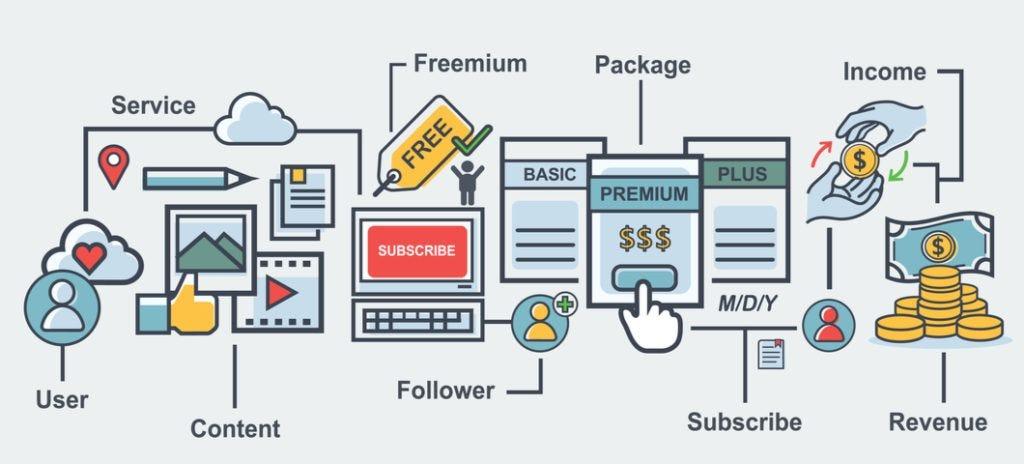
The evolution of subscription-based services has transcended traditional entertainment platforms and is reshaping various industries. From food delivery to personal care products, consumers are increasingly drawn to the convenience and flexibility these models offer.The appeal lies not just in the products themselves, but in the promise of predictability and tailored experiences. For instance, major grocery chains have begun to offer subscription models that allow customers to receive their essential items at regular intervals, reducing trips to the store and enabling better meal planning.
Within this burgeoning ecosystem, several industries have emerged as key players leveraging the subscription approach:
- Health & wellness: Monthly vitamin packs and fitness classes tailored to individual goals.
- Home maintenance: Regular delivery of essential supplies like cleaning products or maintenance checks.
- Pet Care: subscription boxes offering toys, treats, and health monitoring.
These businesses capitalize on the ability to foster customer loyalty and predict revenue streams. As they streamline operations and enhance customer satisfaction, subscription services are proving to be a notable business model that meets the demands of a contemporary, convenience-driven society.
Examining the Power of Community-Driven Platforms

As the digital landscape continues to evolve, community-driven platforms are emerging as formidable contenders in the business arena. Unlike traditional business models that often prioritize profit margins over user engagement, these platforms foster a sense of belonging and collaborative spirit among their users. By harnessing the collective intelligence and skills of their communities, businesses can create value that transcends mere transactions.This communal ethos not only encourages loyalty but also fosters innovation, as diverse perspectives and ideas coalesce to cultivate unique solutions and products.
Moreover, the success of these platforms is frequently enough rooted in their ability to generate organic user-generated content (UGC), which serves to enhance authenticity and trust. Unlike conventional marketing strategies, community-driven initiatives tend to rely on word-of-mouth promotion, as satisfied users naturally share their experiences with others. this grassroots approach frequently enough leads to a self-sustaining cycle of engagement and growth. Key characteristics that contribute to the success of such platforms include:
- User Engagement: Foster ongoing dialog and collaboration.
- Transparency: Build trust through openness in operations.
- Adaptability: Evolves based on community feedback and needs.
- Diverse Contributions: Leverage the skills and knowledge of users.
Actually, many of the most successful companies today have built their foundations on community-driven principles. They not only tap into their users’ expertise but also empower them to shape the platform’s future. The following table outlines a few standout examples of community-driven platforms and their distinctive features:
| Platform | Unique Features |
|---|---|
| User-generated content, community moderation, subreddits. | |
| GitHub | Collaboration on code, version control, community-driven projects. |
| Airbnb | User reviews, host interactions, shared experiences. |
Unlocking Value through Freemium Strategies in Diverse Industries
The freemium model has established itself as a transformative approach across various sectors, fostering innovation and enabling companies to capture and retain customers in a highly competitive marketplace. By offering basic services for free while charging for premium features, organizations can effectively expand their user base without significant upfront costs. This strategy is particularly powerful in industries such as software, gaming, and media, where the likelihood of user acquisition is heavily influenced by the initial cost barrier. Companies like Spotify and LinkedIn exemplify the seamless integration of freemium structures, where users are enticed by free offerings and gradually lured into paying for enhanced functionalities.
Beyond tech, the freemium model proves equally adaptable in non-traditional sectors, such as education and health. Here, organizations can provide free resources or tools to engage users and establish credibility, ultimately leading them toward premium courses or specialized services. Consider the rise of online learning platforms that grant access to a limited number of courses, with enticing options to unlock advanced content for a fee. A comparison of key sectors utilizing this approach highlights its versatility:
| Industry | Freemium Example | Premium feature |
|---|---|---|
| Software | Dropbox | Increased storage capacity |
| Media | Spotify | Ad-free listening |
| Education | Khan Academy | Exclusive content and mentorship |
| Health | MyFitnessPal | Customized meal plans |
Navigating Customer Loyalty in a Subscription Economy

In a landscape where businesses strive not just to acquire customers but to retain them, understanding the nuances of customer loyalty becomes essential. A significant advantage of the subscription model is the inherent focus on customer relationships. This model necessitates ongoing engagement, often leading to a deeper connection between the brand and its subscribers. Companies can leverage this relationship through personalized communications, exclusive content, and loyalty rewards, thereby creating a community around their offerings. Strategies to enhance loyalty include:
- Tailored Experiences: Use data analytics to anticipate customer needs and provide personalized recommendations.
- Exclusive Benefits: Offer subscriber-only discounts,early access to new products,or bonuses for referrals.
- Feedback Loops: Regularly solicit and act on customer feedback to improve products and services.
Furthermore, measuring customer loyalty in a subscription economy can be aided by tracking various performance indicators and implementing effective metrics. One approach is to utilize a simple table format to evaluate retention rates and customer satisfaction over time. This can help businesses stay informed about subscriber behavior and preferences, enabling them to make data-driven decisions:
| Quarter | Retention Rate (%) | Customer Satisfaction (1-10) |
|---|---|---|
| Q1 | 85 | 8.5 |
| Q2 | 78 | 8.2 |
| Q3 | 80 | 8.8 |
| Q4 | 82 | 9.0 |
The integration of these loyalty strategies not only ensures subscriber retention but also fosters long-term profitability. Understanding what keeps customers engaged and satisfied is key to thriving in a subscription-based environment.
Harnessing Data Insights for Tailored Subscription Offerings
In today’s dynamic marketplace, businesses are discovering that data is the key to unlocking personalized customer experiences. By leveraging analytics, companies can segment their audience based on behaviour, preferences, and purchasing patterns. this level of insight allows brands to craft subscription offerings that resonate deeply with specific customer needs, transforming a one-size-fits-all strategy into a tailored engagement that fosters loyalty and increases satisfaction. As an example, consider the following tactics:
- Behavioral Tracking: Analyzing how customers interact with your service can reveal what features are most desired.
- Customer Surveys: Gathering feedback directly from users can help refine subscription tiers or add-ons.
- Competitor Analysis: Observing successful models in your industry can inspire innovative adaptations to your subscriptions.
To effectively implement these custom offerings, businesses can draw on visual representations of data insights to easily communicate their benefits. Imagine utilizing a comparison table that contrasts traditional subscription models with tailored approaches, clearly showcasing customer retention rates and satisfaction metrics. Such displays not only clarify the advantages of personalized subscriptions but also guide strategic decisions:
| Model Type | Customer Retention % | Average Satisfaction Rating |
|---|---|---|
| Traditional subscription | 60% | 3.5/5 |
| Tailored Offering | 85% | 4.7/5 |
Creating Sustainable Growth with niche-focused Business Models

In today’s dynamic market, niche-focused business models have emerged as a powerful strategy for achieving sustainable growth. By concentrating on a specific audience or product, businesses can create tailored solutions that resonate with their customers. This approach not only enhances customer loyalty but also paves the way for innovation within the niche,fostering an ecosystem where businesses thrive.Embracing this model allows entrepreneurs to capitalize on unique value propositions that mainstream companies might overlook, providing a remarkable opportunity for differentiation in crowded markets.
Moreover, niche-focused models often require fewer resources compared to traditional business approaches, making them accessible for startups and small businesses. Key benefits include:
- Reduced Competition: Operating in a specific niche minimizes direct competition.
- Customer Targeting: Tailoring marketing strategies directly to a defined audience increases engagement.
- Better Margins: Specialized products frequently enough command higher prices due to perceived value.
- Agility: Smaller businesses can adapt quickly to changes within their niche.
| Feature | Niche-Focused Model | Traditional Model |
|---|---|---|
| Market Focus | Specific audience | Broad audience |
| Competition | Lower | Higher |
| Adaptability | High | Low |
| Cost of Entry | Lower | Higher |
The Future of Underrated Models: Adapting to Changing Consumer Behaviors

The business landscape is undergoing a seismic shift influenced by the rapid evolution of consumer behaviors. As priorities change-from sustainability to personalization-businesses must pivot to align with these trends. This creates fertile ground for underrated models to flourish as they offer innovative solutions to meet these shifting needs. Companies that adopt strategies like subscription-based services, community-driven platforms, and hyper-local marketing stand to gain a competitive edge.For instance, the rise of circular economy practices allows brands to engage consumers in their sustainability journey, transforming customers into active participants rather than passive consumers.
To navigate this transition effectively, businesses can implement adaptive frameworks that embrace flexibility and responsiveness. this includes leveraging data analytics to grasp emerging preferences and behaviors. Companies should focus on creating meaningful experiences through:
- Immersive brand storytelling that resonates with the values of their audience.
- Collaborative consumption that capitalizes on resource sharing.
- Dynamic pricing models that reflect real-time demand fluctuations.
| Adaptation Strategy | Consumer Need Addressed |
|---|---|
| Subscription Services | Convenience & Consistency |
| Personalized Marketing | Individual Relevance |
| sustainable Practices | Environmental Responsibility |
Closing Remarks
As we reach the conclusion of our exploration into the most underrated business model of the decade, it’s clear that innovation frequently enough lurks in the shadows of more glamorous trends. While the spotlight frequently shines on high-tech startups and disruptive platforms, the understated elegance of this model reminds us that success can flourish in simplicity.
By embracing the principles of adaptability, community engagement, and sustainable practices, businesses can carve out niches that not only meet market demands but also resonate with core values of authenticity and ethical responsibility. As the business landscape continues to evolve, it may well be these unsung models that become the cornerstone of tomorrow’s economic resilience.
In a world brimming with relentless change,let us keep our eyes open to the quiet revolutionaries that defy the noise of conventional wisdom. Whether you’re a budding entrepreneur or an established leader, consider how integrating these principles could breathe new life into your business strategy. The future belongs to those who dare to think differently, see the unseen, and embrace the potential that lies just beneath the surface.