


In an era marked by rapid technological advancements,the intersection of artificial intelligence (AI) and emotional intelligence (EI) has emerged as a compelling battleground for the future of leadership. As organizations increasingly harness AI to enhance decision-making, streamline operations, and drive innovation, the timeless virtues of emotional intelligence—empathy, communication, and interpersonal skills—remain vital to fostering cohesive teams and nurturing a positive workplace culture. This article delves into the dynamic interplay between these two forces, examining how leaders can strike a balance between leveraging AI’s analytical prowess and honing their emotional acuity in an ever-evolving landscape. As we explore the implications of this leadership paradigm, it becomes crucial to understand not just the capabilities of machines, but also the enduring power of the human spirit.
The Rise of AI in leadership Landscapes

The integration of AI into leadership practices has transformed the way organizations operate, fostering a dynamic surroundings where data-driven decision-making is now a norm. With advanced algorithms analyzing vast amounts of data,AI enables leaders to identify trends,predict outcomes,and streamline processes with unprecedented efficiency. as AI tools evolve, their capabilities extend beyond mere analytics to encompass areas such as risk management, employee engagement, and strategic planning. This reliance on technology fosters a more agile approach,allowing leaders to adapt swiftly to changing market conditions and internal dynamics.
However, as this technological revolution unfolds, the significance of emotional intelligence in leadership cannot be overlooked. While AI can process details and provide insights, it lacks the nuanced understanding of human emotions and social dynamics that is crucial for effective leadership. Attributes such as empathy, communication, and conflict resolution remain pivotal in building cohesive teams and nurturing an inclusive workplace culture.As organizations navigate this new landscape,the challenge lies in harmonizing AI’s analytical prowess with the irreplaceable human touch,creating a leadership model that leverages the strengths of both realms.
Understanding Emotional Intelligence and Its Impact on Decision-Making
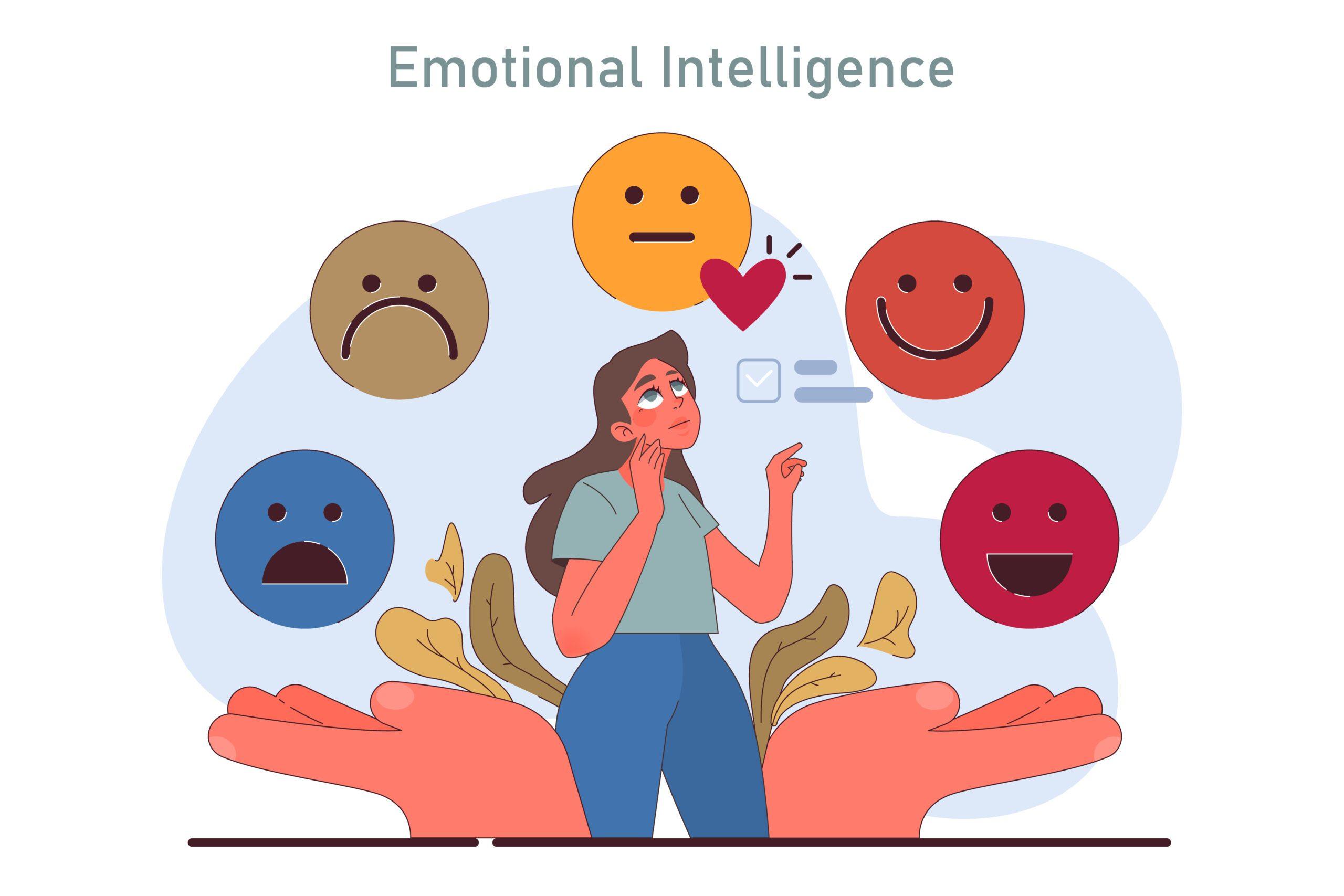
Emotional intelligence (EI) enhances decision-making by offering insight into emotional dynamics, both personal and interpersonal. Leaders with high EI can recognise their own emotional states and those of their team members, allowing them to navigate complex human interactions effectively.This capability leads to better conflict resolution, stronger team collaboration, and a more cohesive work environment. The ability to empathize fosters trust, encouraging open communication and transparency within the team, which can be pivotal in making sound decisions in high-pressure situations.
Consider the following aspects in which emotional intelligence plays a crucial role in decision-making:
- Self-awareness: Recognizing one’s emotions enhances clarity in judgment and reduces impulsive choices.
- Social skills: Effectively managing relationships promotes teamwork and motivates others to achieve common goals.
- Empathy: Understanding emotional responses aids in anticipating team dynamics and facilitating better outcomes.
In contrast, while artificial intelligence can process vast amounts of data and provide analytical insights, it often lacks the nuanced understanding of emotional nuances that EI provides. The convergence of these two strengths can redefine leadership approaches,allowing for a synthesis of data-driven decision-making and heart-led responses.
Balancing Data-Driven Insights with Human-Centric Approaches

In today’s rapidly evolving landscape, leaders face the formidable challenge of effectively harnessing the power of analytics while ensuring that their teams feel seen and heard. Balancing hard data with the subtleties of human emotion creates a dynamic where leaders not only rely on quantitative metrics but also cultivate an environment that values empathy and understanding. It becomes essential to recognize that numbers tell a story, but they frequently enough lack the nuance that human behavior encapsulates. Therefore, leaders need to develop a dual lens: one that scrutinizes data trends and another that is attuned to the emotional climate of their institution.
This endeavor involves integrating data-driven strategies with a framework that prioritizes human connections. Effective leaders might employ techniques such as:
- active Listening: This helps in grasping the underlying sentiments that might not be quantified.
- Open feedback Loops: Establishing channels for employees to express thoughts beyond numbers encourages a culture of trust.
- Data Interpretation Workshops: Training sessions where teams decode metrics together, marrying analytics with personal insights.
Such approaches create an enriched environment where insights generated from data significantly inform decision-making, yet do not overshadow the invaluable human instincts essential for fostering collaboration and innovation.
Cultivating Emotional Intelligence in AI-Enhanced work Environments
As organizations increasingly adopt AI technologies, the need to foster emotional intelligence among teams becomes critical. Leaders must recognize that while AI can analyse data and automate processes,it lacks the human touch — the empathy,understanding,and interpersonal skills necessary for cohesive teamwork. Thus,embracing emotional intelligence skills can enhance collaboration and problem-solving,leading to more productive and creative work environments.By cultivating an atmosphere where emotional cues are valued, organizations can create teams that complement AI capabilities with human insight, leading to a synergistic approach to leadership.
To nurture emotional intelligence in AI-enhanced workplaces, leaders can consider implementing the following strategies:
- Training Programs: Invest in workshops focusing on empathy, active listening, and conflict resolution.
- Feedback Mechanisms: create structures for regular feedback that encourages open dialog about emotions and interpersonal dynamics.
- Mentorship Opportunities: Establish mentoring relationships that allow experienced employees to guide others in emotional awareness and regulation.
Incorporating these practices can lead to a more emotionally intelligent workforce, which is essential for navigating the complexities of AI integration. Establishing a framework for emotional intelligence not only enhances team morale but also allows employees to better harness AI technologies in their daily tasks. This balance will ultimately define the future of leadership in a world where machines supplement rather than replace human emotional capacities.
Strategies for Leaders to Integrate AI and Emotional Intelligence
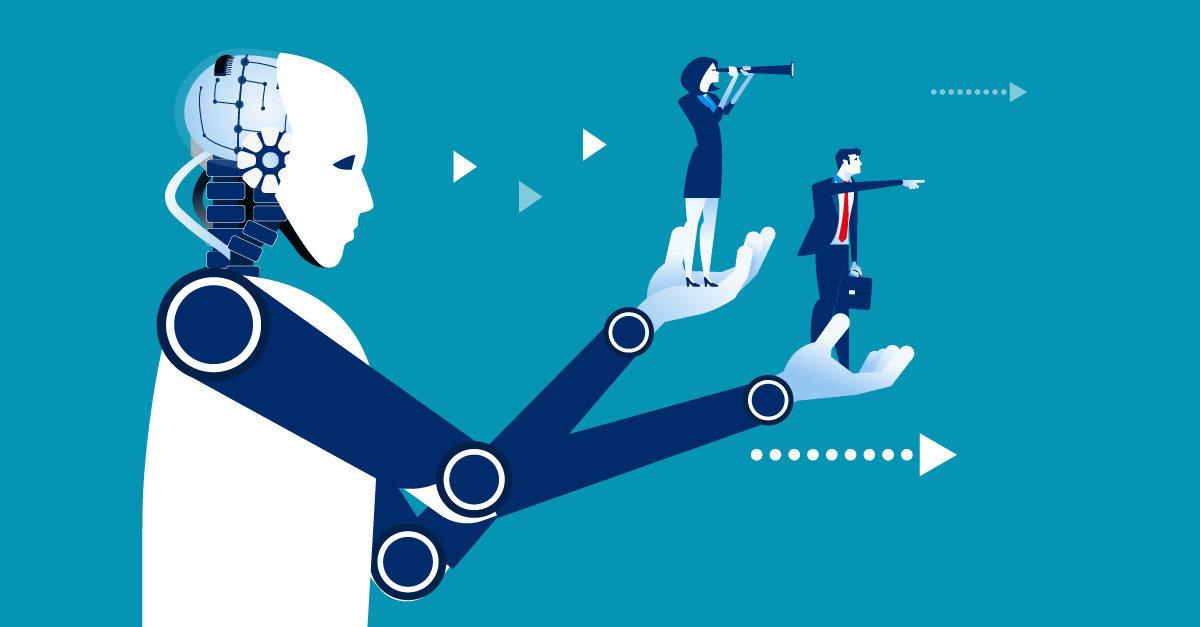
As leaders navigate the evolving landscape where AI and emotional intelligence intersect, there are several strategies they can adopt to successfully integrate both elements. First, it’s essential to foster a culture of collaboration between teams that harness AI technology and those focused on emotional intelligence. This can be achieved by:
- Encouraging regular cross-functional workshops to explore the potentials of AI.
- Creating mentorship programs where tech-savvy team members can educate others on AI tools.
- Facilitating open discussions about how AI can enhance emotional intelligence in team interactions.
Moreover, emphasizing ongoing training and development is crucial in merging these competencies. Leaders should prioritize educational opportunities that blend technical skills with emotional literacy, such as:
- Providing courses on AI’s role in data analysis to support empathetic decision-making.
- Offering training sessions on active listening and empathy to enhance human-AI collaboration.
- Investing in leadership coaching that highlights the importance of emotional awareness in digital transformations.
| Key Focus Areas | AI Integration | Emotional Intelligence Development |
|---|---|---|
| Team Collaboration | Utilize AI tools for project management | Foster a safe space for expression |
| Skill Development | Upskill employees on AI technologies | Enhance empathetic communication skills |
| Decision-Making | Leverage data-driven insights | Incorporate team feedback for emotional impact |
Future Perspectives: Harmonizing Technology and Human Connection in Leadership
As we venture into an era where artificial intelligence is becoming increasingly integrated into the leadership landscape, the challenge lies in striking a balance between the precision of technology and the intuition of human connection. Leaders are called to navigate a domain where data analytics provide insights that were once unimaginable, yet the core of effective leadership still hinges upon human emotions and interpersonal relationships. In this evolving framework, we must consider the implications of relying solely on AI-driven decision-making. How do we ensure that our leaders remain attuned to the heartbeats of their teams, fostering an environment of trust and collaboration?
Organizations must embrace a dual approach where technology complements rather than replaces human leadership qualities. Essential skills such as active listening, empathy, and adaptability should remain at the forefront of leadership training, even amidst the rise of AI.To facilitate this harmony, companies might create programs designed to enhance emotional intelligence alongside technological proficiency. A proposed initiative could take the form of workshops focusing on the following key areas:
- Empathy in action: Techniques to sense team dynamics and promote open dialogue.
- Data-Driven Emotional Insights: Leveraging AI to inform understanding, not dictate it.
- Human-Centric Leadership Frameworks: Cultivating strategies that prioritize well-being alongside performance.
Q&A
Q&A: AI vs.Emotional Intelligence: The New Leadership Battle
Q1: What is the central theme of the article “AI vs. Emotional Intelligence: The New Leadership battle”?
A1: The article explores the evolving landscape of leadership in the modern world, focusing on the interplay between artificial intelligence (AI) and emotional intelligence (EI). It discusses how these two seemingly opposing forces can coexist and complement each other in guiding effective leadership practices today.
Q2: How is AI influencing leadership styles in organizations?
A2: AI is reshaping leadership by providing data-driven insights, automating repetitive tasks, and enhancing decision-making processes.Leaders can leverage AI to analyze vast amounts of information quickly, identify trends, and make informed strategic decisions.However, the reliability of AI-generated data must be balanced with human judgment and intuition.
Q3: In contrast, what role does emotional intelligence play in leadership?
A3: Emotional intelligence emphasizes the ability to understand and manage one’s emotions and the emotions of others. It fosters stronger interpersonal relationships, enhances communication, and builds trust within teams. Leaders with high EI are adept at recognizing team members’ needs and motivations, which is crucial for inspiring and engaging people effectively.
Q4: Can AI truly replicate emotional intelligence?
A4: While AI can analyze emotional patterns through data and language processing, it lacks the genuine empathy and human experience that underpin emotional intelligence. AI may simulate emotional responses based on algorithms, but it does not possess the ability to feel, which limits its capacity to fully replicate the nuances of human emotions and relationships.
Q5: Are there scenarios in which AI might surpass emotional intelligence in leadership?
A5: Yes,AI can outperform emotional intelligence in situations requiring rapid data processing and objective decision-making without emotional bias. Such as, in crisis management or during high-stakes negotiations where data accuracy and speed are critical, AI can provide leaders with real-time insights that facilitate swift, informed actions.
Q6: How can leaders strike a balance between AI and emotional intelligence?
A6: Leaders can harness the strengths of both AI and emotional intelligence by fostering a collaborative environment. This involves integrating AI tools for analytics and efficiency while together promoting open communication, empathy, and understanding within their teams. Educating leaders on the potential of both assets allows them to make more holistic decisions that consider both data and human emotions.
Q7: What lessons can organizations take away from this leadership battle?
A7: The key takeaway is that the future of leadership does not favor one over the other; rather,it lies in their harmonious integration. Organizations should invest in developing both AI technologies and emotional intelligence skills among their leaders and staff. This dual approach can drive innovation, improve team dynamics, and ultimately lead to more enduring success.
Q8: looking ahead, what does the future of leadership hold in this AI and EI landscape?
A8: The future is likely to see an increased emphasis on hybrid leadership styles that leverage AI’s capabilities while prioritizing human connection and empathy. As the workplace continues to evolve, leaders who cultivate both technological proficiency and emotional intelligence will be positioned to navigate complexities, inspire teams, and drive impactful change within their organizations.
In Summary
As we stand at the crossroads of technological advancement and human instinct, the battle between AI and emotional intelligence unfolds with profound implications for the future of leadership. While artificial intelligence dazzles us with its data-driven efficiency and rapid decision-making capabilities, it is emotional intelligence that fosters connection, empathy, and resilience in the face of adversity.Leaders today must navigate this complex landscape, blending the analytical prowess of AI with the nuanced understanding afforded by emotional intelligence. Perhaps the true strength of tomorrow’s leaders will lie not in choosing one over the other, but in harmonizing both to create environments where innovation thrives alongside genuine human connection.
As we look ahead, it remains to be seen how this dynamic interplay will shape the fabric of leadership in our increasingly automated world. In this new era, the challenge is not simply to compete but to integrate, reminding us that the most effective leaders will be those who champion both intellect and heart. the real victory may not be in winning the battle, but in fostering an alliance that embodies the best of both worlds.