


From Audience to Owner: The New Era of Crowdsourced Companies
In the age of digital transformation, the balance of power in the business world is shifting dramatically. Traditionally, companies have been built by a select few visionaries, with audiences relegated to the role of passive consumers.However, a revolutionary wave is sweeping across the entrepreneurial landscape, blurring the lines between creator and consumer.Welcome to the era of crowdsourced companies, where the traditional business model is flipped on its head, and audiences are invited to become active stakeholders in the ventures they support. This paradigm shift not only empowers individuals to co-create products and services, but it also democratizes the ownership landscape, allowing anyone with a vested interest to influence the future of their favorite brands.Join us as we explore how this evolution is reshaping industries, redefining loyalty, and fostering innovation in ways previously unimaginable.
Shifting Perspectives: The Evolution of Business Ownership
The landscape of business ownership has witnessed a remarkable transformation in recent years, driven by the rise of crowdsourcing and collective collaboration. Previously, the traditional model centered around a singular entrepreneur or a tight-knit group of investors who held the reins of a company.Today, we see a shift towards a more democratic approach, where a wider audience not only consumes products but actively contributes to the ownership and direction of the companies they support. This evolution has empowered individuals to transition from passive customers to vocal stakeholders,embracing the concept that everyone can have a meaningful impact on business direction and success.
With platforms facilitating this shift, the contours of entrepreneurship are being redefined. Companies are increasingly turning to their audience for feedback, funding, and ideas, blurring the lines between customer and owner. As participatory models flourish, organizations are practicing transparency, engaging directly with their community while nurturing loyalty and innovation. Key components of this new era include:
- Democratized Funding: Crowdfunding platforms allow aspiring entrepreneurs to pitch ideas and gather financial backing from a broad audience.
- Direct Engagement: Social media channels enable continuous dialog between businesses and their patrons.
- Community-driven Product advancement: Feedback loops create products that truly resonate with user needs and desires.
This shift not only influences how businesses are run but also suggests an emerging framework where the success of a venture is intertwined with community involvement. In this evolving paradigm, ownership is no longer confined to a select few but becomes a shared journey, fostering loyalty and innovation among all participants.
Harnessing Collective Wisdom: How Crowdsourcing Shapes Innovation

In an age defined by interconnectivity, the ability to tap into the wisdom of the crowd has reshaped the landscape of innovation. Through crowdsourcing,organizations can gather insights and ideas from a diverse array of contributors,each bringing unique perspectives to the table. This collaborative approach not only enhances creativity but also streamlines problem-solving processes. By leveraging the collective intelligence of enthusiastic participants, companies are discovering that innovative solutions can emerge from unexpected places, fostering a culture of inclusivity and engagement that was once unimaginable.
A noteworthy example is the rise of crowdsourced platforms, where individuals transition from passive consumers to active participants. Companies harness these networks to co-develop products or services, capturing the essence of marketplace needs. Key benefits of this model include:
- Diverse Perspectives: Insights from various demographics lead to holistic solutions.
- Accelerated Development: Collaborative efforts significantly reduce time-to-market.
- Increased Loyalty: Stakeholders feel invested, creating brand advocates.
| Aspect | Impact |
|---|---|
| Innovation Speed | Faster prototyping and iteration |
| Market Relevance | Products aligned with consumer needs |
| Cost Efficiency | Lower R&D costs through shared efforts |
Building Community: The Role of Stakeholder Engagement in crowdsourced models
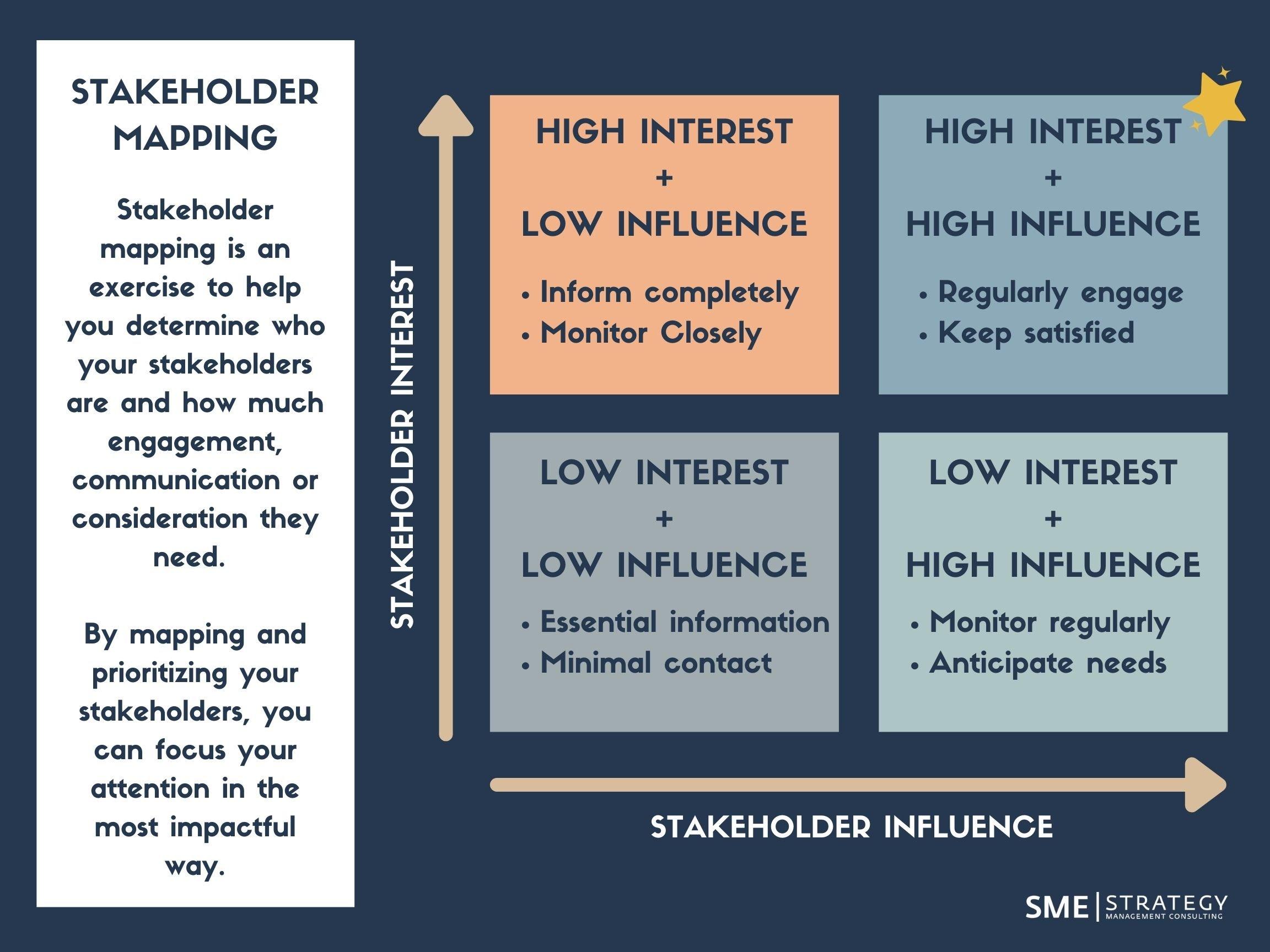
Engaging stakeholders effectively is fundamental in nurturing a vibrant community within crowdsourced models. The transition from traditional business structures to participatory frameworks shifts the focus from top-down directives to collaborative synergies. These connections turn passive audiences into active contributors who feel a sense of ownership over the initiatives they support. By fostering transparent communication, organizations can facilitate the sharing of ideas, feedback, and innovations, ensuring that every voice is valued. Regular surveys,community forums,and feedback mechanisms play crucial roles in this interaction,allowing stakeholders to influence decision-making processes that affect the collective.
Moreover, successful crowdsourced companies frequently enough implement strategies such as grassroots mobilization and co-creation workshops, which serve to deepen stakeholder investment and commitment. These methodologies not only enhance engagement but also generate a wealth of diverse perspectives that can lead to innovative solutions. An effective approach includes establishing clear pathways for participation, where stakeholders can easily contribute to discussions or initiatives. In this way, stakeholders are no longer just audience members; they become integral partners in shaping the vision and outcomes of the project, fostering a robust ecosystem built on collaboration and shared goals.
Navigating Challenges: Legal and Operational Considerations for New Ventures

Launching a crowdsourced company presents unique legal and operational hurdles that can significantly impact its trajectory. Entrepreneurs must be vigilant in understanding regulatory frameworks that govern crowdfunding activities, including securities laws, which can vary widely depending on the location of the business and its backers. Key considerations include:
- Compliance: Navigating financial regulations and ensuring compliance with local and international laws.
- Intellectual Property: Protecting proprietary ideas and products that emerge from crowd engagement.
- Contractual Agreements: Establishing clear terms with contributors to minimize potential disputes.
Beyond legal implications, operational strategies are crucial for sustaining interest and commitment from the crowd. Creating a transparent communication channel fosters trust and encourages ongoing participation. Essential operational aspects include:
- Community Management: Actively engaging with your audience to maintain enthusiasm and loyalty.
- Feedback Mechanisms: Integrating user insights into product development and decision-making processes.
- Risk Management: Identifying and mitigating operational risks that can arise from collective engagement.
| Challenge | Legal Aspect | Operational Aspect |
|---|---|---|
| Funding Compliance | Securities registration and exemptions | Investor communication |
| Intellectual Property Risks | Patent and trademark filings | Collaboration agreements |
| Accountability | Contract enforceability | Community policies |
Empowering Consumers: Strategies for transitioning from Customers to Co-owners
In today’s dynamic marketplace, the shift from mere consumers to active co-owners is not just a trend but a powerful movement. To facilitate this transition, companies can adopt several effective strategies. Engaging community feedback through regular surveys or feedback loops allows businesses to tune into their audienceS needs and desires. By implementing tools for collaborative co-creation, like online platforms where customers can share ideas or contribute to product development, companies tap into the collective creativity of their consumer base. Moreover, establishing loyalty programs that award shares or stakes in the company can significantly enhance the sense of ownership among consumers, fostering deeper emotional connections and encouraging long-term commitment and advocacy.
Additionally, transparent communication is key to cultivating a co-ownership culture. By sharing insights into business performance and decision-making processes, companies can demystify operations and empower customers to feel like integral members of the organization. Incorporating educational content that explains the benefits of co-ownership creates awareness and excitement around this model. Companies can leverage technology to provide accessible platforms that facilitate these engagements, such as dedicated forums or social media groups. The essential elements of this strategy can be summarized in the following table:
| Strategy | Description |
|---|---|
| Community Feedback | Utilizing surveys and polls to gather consumer insights. |
| Collaborative Co-creation | encouraging users to contribute ideas for products and services. |
| Loyalty Programs | Offering shares or stakes to loyal customers in exchange for participation. |
| Transparent Communication | Regular updates on company performance and strategic decisions. |
| Educational Content | Providing information that explains the co-ownership model. |
Future Trends: The Role of Technology in Enhancing Crowdsourced Enterprises

The integration of technology into crowdsourced enterprises is transforming the way businesses operate and engage with their communities. Emerging technologies such as blockchain, artificial intelligence, and big data analytics are not only streamlining processes but also fostering a greater sense of ownership among participants.for instance, blockchain facilitates transparent transactions, ensuring that contributors can track their input and rewards in a trustworthy manner. Meanwhile, AI can analyze user behavior and preferences, tailoring services and products that resonate with the community, thus enhancing participation and satisfaction.
Moreover, the rise of social media platforms plays a crucial role in connecting crowdsourced enterprises with a global audience. These platforms enable instant feedback and collaboration, allowing companies to tap into diverse pools of ideas and expertise. Technology also empowers communities to engage in decision-making through democratic voting mechanisms, which can be easily implemented via mobile applications and web-based tools. As these technological horizons expand, crowdsourced enterprises are set to redefine the boundaries of ownership and contribution, creating a sustainable model that not only values input but also prioritizes collective success.
Q&A
Q&A: From Audience to Owner – The New Era of Crowdsourced Companies
Q1: What is a crowdsourced company?
A1: A crowdsourced company harnesses the collective intelligence, resources, and contributions of a large group of individuals—often the public—to develop, fund, or create products and services. This model shifts away from traditional ownership structures, allowing stakeholders to have a say in decision-making and a share in the outcomes.
Q2: How has technology facilitated this shift?
A2: Technology has played a crucial role by providing platforms that connect entrepreneurs with potential contributors, whether financially through crowdfunding platforms or creatively through open-source initiatives. social media and online communities also foster collaboration, enabling voices from diverse backgrounds to contribute ideas and solutions.
Q3: What are the benefits of participating in a crowdsourced company for consumers?
A3: Consumers gain a sense of ownership and investment in the companies they support. this participation fosters a deeper connection and loyalty, as they often have a hand in shaping the product or service.Additionally, they can benefit from exclusive perks, such as early access to products or dividends from profits.
Q4: Are there any drawbacks to the crowdsourced model?
A4: While there are numerous advantages, there are challenges to consider. For instance, decision-making can become more complex and slower due to the need to accommodate diverse opinions. Moreover, the potential for conflict and differing interests among contributors can complicate collaboration and dilute the original vision of a project.
Q5: What are some successful examples of crowdsourced companies?
A5: Notable examples include platforms like Kickstarter,where creative projects gain funding through small contributions from many backers,and companies like Threadless,which relies on community designs for its apparel.These models showcase how crowdsourcing can not only fund but also inspire innovation and creativity.
Q6: How can businesses transition from traditional models to a crowdsourced approach?
A6: Businesses can start by engaging their audience through surveys and feedback channels, allowing them to contribute ideas and feedback.Gradually, they can introduce elements of crowd ownership, such as equity crowdfunding, where supporters can buy shares in the company. It’s essential to cultivate a transparent culture that values and respects stakeholder contributions.
Q7: What dose the future hold for crowdsourced companies?
A7: The future looks promising, with an increasing number of entrepreneurs recognizing the value of community-driven models. As consumer expectations evolve, there could be a shift towards businesses that prioritize sustainability, social impact, and collective ownership, reshaping the corporate landscape into one that aligns more with societal values.
Q8: How can individuals get involved in crowdsourced companies?
A8: individuals can participate by investing in crowdfunding campaigns, joining communities that encourage collaborative ideas, or even starting their own projects that invite input from others. The key is to seek out platforms and opportunities that resonate with your interests, enabling you to play an active role in the emerging landscape of crowdsourced entrepreneurship.
In Retrospect
As we stand on the cusp of a new era,the shift from passive audience to active ownership marks a profound transformation in the landscape of business. Crowdsourced companies are not merely a trend; they embody a seismic change in how we perceive value, participation, and community. As consumers become co-creators, the lines between producer and consumer blur, fostering a sense of shared obligation and collective growth.
This new model invites us to rethink the very essence of entrepreneurship and consumerism. It challenges traditional hierarchies and offers a blank canvas for innovation,collaboration,and inclusivity. As we move forward, the trajectory of this movement will undoubtedly shape the future of industries, redefine success, and empower individuals at every level.
In embracing this shift, we find ourselves at the forefront of a revolution that champions not just ownership but also accountability, creativity, and communal spirit. The question now is not how far this movement will take us, but how we will continue to navigate the exciting possibilities it presents. With every contribution, every vote, and every shared vision, we inch closer to a world where business truly belongs to the people, paving the way for a more just and equitable economy for all. The future is ours to shape—together.