



In a world where the traditional pathways to success seem more like relics of the past, a new generation is emerging to redefine the landscape of entrepreneurship. Enter Generation Z, a cohort characterized by their digital fluency, social awareness, and entrepreneurial spirit. born into a rapidly changing global environment, Gen Z is not just participating in the economy; thay are revolutionizing it. With the power of technology at their fingertips and a steadfast commitment to authenticity, this generation is blending innovation with purpose, challenging long-standing conventions, and redefining what it means to be an entrepreneur in the 21st century.As we explore the unique attributes and strategies that set Gen Z apart, we uncover a vibrant mosaic of creativity and resilience, where the old rules no longer apply, and new possibilities abound. Welcome to the forefront of a fresh entrepreneurial era, shaped by the ideals and aspirations of today’s youngest leaders.
The Rise of Purpose-Driven Ventures in Gen Z Entrepreneurship
As the entrepreneurial landscape evolves, a new wave of passionate innovators is emerging, especially among the generation Z demographic. This generation, characterized by its commitment to social justice and environmental sustainability, is increasingly prioritizing purpose alongside profits.Entrepreneurs in this space are integrating values into their business practices,creating ventures that emphasize ethical sourcing,community impact,and transparency. By championing causes such as climate change,inclusivity,and mental health awareness,Gen Z entrepreneurs are not merely trying to build companies but are pioneering movements that resonate with their ideals and those of their peers.
These purpose-driven initiatives are not without their challenges, but the innovation and creativity that accompany them are undeniable. Many Gen Z entrepreneurs leverage technology and social media to amplify their messages and reach wider audiences,thus fostering dedicated communities around their brands. Consider the key characteristics that define these ventures:
| Characteristic | Description |
|---|---|
| Social Duty | Prioritizing impact over revenue in decision-making. |
| Collaboration | Working with like-minded organizations for greater outreach. |
| Authenticity | Building genuine connections with consumers through transparency. |
| Innovation | Embracing technology as a tool to solve social issues. |
Embracing Technology: How Digital Natives shape Business Models
The rise of digital natives has ushered in a transformative era for businesses, challenging traditional models and encouraging innovative approaches. Gen Z entrepreneurs have grown up in a world where technology is integral to everyday life,giving them a unique outlook on how to leverage digital tools for success. They are not just consumers of technology; they are adept at utilizing it to serve their entrepreneurial ambitions. This generational approach emphasizes a few core principles:
- Agility: Quick adaptation to market trends and feedback.
- Collaboration: Building networks that span across global platforms.
- transparency: Openness in business practices,from sourcing to customer engagement.
- Social Impact: Prioritizing sustainability and social responsibility in business models.
Moreover, Gen Z’s preference for digital engagement pushes businesses to rethink their marketing and customer service strategies. Companies are now focusing on creating immersive online experiences and fostering community through social media platforms.A practical illustration of this trend can be seen in the shift from static advertisements to interactive campaigns that invite user participation. The following table highlights some of the key strategies employed by Gen Z entrepreneurs to reshape business interactions:
| Strategy | Impact |
|---|---|
| Influencer Collaborations | Boosting brand visibility and authenticity. |
| User-Generated Content | Enhancing customer loyalty and engagement. |
| Sustainable Practices | Attracting conscientious consumers. |
| Real-Time Feedback | Improving product offerings swiftly. |
Inclusivity and Diversity: A New Norm in Gen Z Enterprises

In the landscape of entrepreneurship, the younger generation is forging paths that emphasize inclusivity and diversity as fundamental pillars. Unlike previous generations, Gen Z entrepreneurs prioritize creating environments where varied perspectives are not only welcomed but celebrated. This shift is evident in the way they approach hiring, team dynamics, and customer engagement. Companies led by Gen Z are more likely to adopt policies that actively seek to dismantle barriers of entry for underrepresented groups.
- Hiring Practices: Focus on diverse talent pools that include varied backgrounds and experiences.
- Team Collaboration: Foster an inclusive workplace culture that values different opinions and promotes equal participation.
- Marketing Strategies: Tailor campaigns to resonate with diverse audiences,highlighting stories and voices that reflect society at large.
Moreover, the push for inclusivity translates into social responsibility, where companies engage in community-building efforts that empower marginalized groups. Gen Z entrepreneurs are using their platforms to advocate for social justice, sustainability, and ethical practices. They understand that a commitment to these values can enhance brand loyalty and attract a more discerning customer base. This mindset is reshaping traditional business models, leading to a new era where profit is balanced with purpose.
| Inclusive Practices | Impact on Business |
|---|---|
| Commitment to DEI Initiatives | Increased employee satisfaction and retention |
| Socially-conscious Product Progress | Broader market reach and customer loyalty |
| Community Engagement Programs | Enhanced brand reputation and trust |
Sustainability as a Core Value: Environmental Impact in Business Strategies

As the torchbearers of a new era,Gen Z entrepreneurs are reshaping business landscapes by thoughtfully weaving sustainability into their core philosophies. This generation understands that their purchasing power carries a moral imperative, fostering a robust sense of duty towards the planet. They prioritize companies that actively engage in reducing their carbon footprints and embrace eco-friendly practices. In doing so, they practice a more ethical form of capitalism that incorporates responsibility and transparency. For these entrepreneurs, sustainability is not merely an add-on but a fundamental aspect of their brand identity, influencing everything from sourcing materials to supply chain management.
The result is an entrepreneurial movement that emphasizes circular economies, renewable resources, and community engagement. Many startups led by Gen Z are implementing innovative solutions such as:
- Plastic alternatives: Utilizing biodegradable materials to reduce waste.
- Urban farming: Promoting local agriculture to limit transportation emissions.
- Second-hand retail: Offering pre-owned goods to extend product lifecycles.
This recalibration enables Gen Z to not only thrive economically but also contribute positively to societal and environmental challenges, demonstrating that profitability and sustainability can indeed coexist.
| Business Strategy | Environmental Benefit |
|---|---|
| Eco-friendly packaging | Reduces plastic waste |
| Renewable energy usage | Minimizes carbon emissions |
| Social enterprise models | Supports community development |
Community Engagement: Building Brands Through Authentic Connections
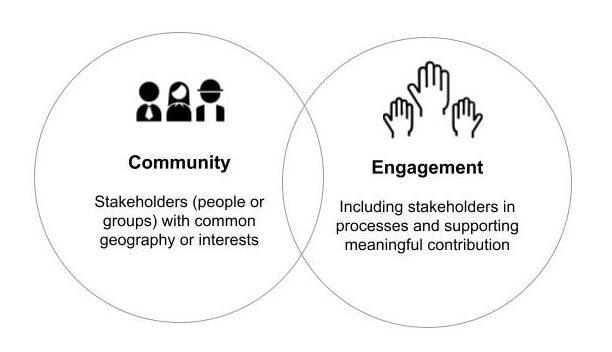
In a world saturated with impersonal marketing tactics, gen Z entrepreneurs are turning the tide towards authenticity and genuine relationships. Unlike previous generations, they prioritize community involvement over traditional profit-driven strategies.This distinctive approach allows brands to foster deeper connections with their audience, creating a loyal customer base that feels seen and valued. key strategies include:
- Open Dialogue - Encouraging feedback and actively engaging with customers across social media platforms.
- Shared Values – Aligning brand missions with social causes that resonate with their community.
- Collaborative Ecosystems – Building partnerships with local businesses, artists, and influencers to strengthen community ties.
The impact of these authentic connections is profound, as it translates into customer advocacy and high retention rates. brands that successfully integrate community engagement into their core business models are not just selling products; they are crafting experiences that reflect their customers’ aspirations and lifestyles. A glance at our comparative table illustrates the strategic priorities for emerging brands:
| Strategy | Impact |
|---|---|
| Customer Feedback | Higher engagement, improved products |
| Social Responsibility | Increased trust, loyalty |
| Local Collaboration | Enhanced community visibility |
Learning from Failures: The Gen Z Approach to Resilience in Business
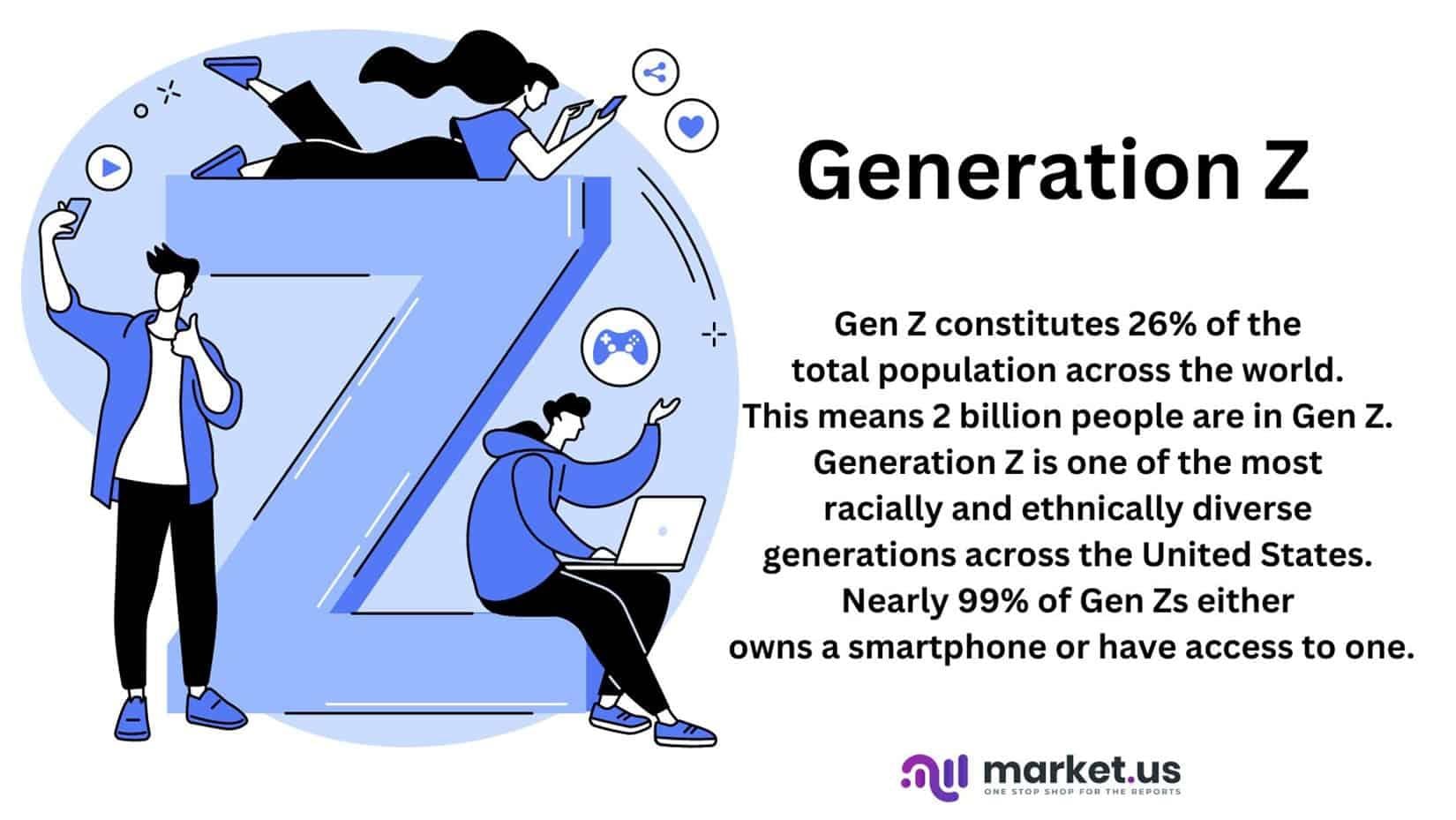
In today’s fast-paced entrepreneurial landscape, Gen Z is championing a new narrative around failure, transforming it from a dreaded outcome into a valuable stepping stone. The typical view of failure as a stigma is being challenged; rather, this generation embraces it as a critical component of the learning process. Many young entrepreneurs openly share their missteps, reinforcing the belief that each setback is an opportunity for growth. This shift is driven by a strong sense of community, where collaboration thrives over competition. by sharing their stories of hardship,they’re not just fostering resilience; they’re building a network of support that empowers others to take risks without the paralyzing fear of failure.
Furthermore, Gen Z is leveraging technology to facilitate a culture of experimentation and feedback.They utilize social media platforms not just for marketing but as avenues for real-time learning and engagement. This tech-savvy generation values the lessons gleaned from analytics and audience interactions, which inform their strategies and decisions. Many entrepreneurs are adopting an agile approach, where ideas are rapidly prototyped, tested, and iterated upon based on consumer response. This methodology allows for quick pivots in strategy and execution, demonstrating that resilience in business isn’t about avoiding failure but learning how to embrace it, adapt, and thrive despite it.
future Outlook: Trends Shaping the Next Generation of Entrepreneurs

The future of entrepreneurship is increasingly colored by the fresh perspectives and innovative strategies of the Gen Z cohort. This generation, having grown up amid rapid technological advancements and global challenges, is leveraging their unique experiences to reshape business dynamics. Key trends include:
- Social Consciousness: Entrepreneurs prioritize values, pushing for sustainability and ethical practices.
- Tech-Driven Solutions: Harnessing AI and automation to streamline operations and enhance personalization.
- Diverse Collaboration: Embracing inclusivity, fostering a culture where diverse voices are not just heard but celebrated.
Work-life integration is another pillar of this transformation, with Gen Z aspiring for more than just financial success; they seek fulfillment and purpose. As they redefine traditional concepts of success,emerging business models showcase:
| Model | Description |
|---|---|
| Subscription Services | Offering products or services on a recurring basis to foster loyalty. |
| Remote Teams | Building teams based globally to tap into a wider talent pool. |
| Micro-Entrepreneurship | encouraging side hustles and solo ventures to ignite creativity. |
Concluding Remarks
As we stand on the cusp of a new era in business, it’s clear that Generation Z is not just participating in the entrepreneurial landscape-they are actively reshaping it.With their innovative spirit, commitment to social responsibility, and adeptness with technology, they’re redefining what it means to be an entrepreneur in today’s world.Gone are the days when success was solely measured by profit margins; now, metrics of impact, inclusivity, and sustainability take center stage. As this generation continues to challenge traditional norms and embrace a more holistic approach to entrepreneurship, they set the groundwork for a future that is both vibrant and equitable.
So, as we reflect on the insights shared, it’s worth considering: how can we support and foster the dreams of these young visionaries? Their journey is just beginning, and the possibilities are as boundless as their creativity. In the words of a Generation Z thinker: “Change the game, or get out.” As we navigate this transformation together, we can all play a part in building a more innovative and inclusive business world. The future of entrepreneurship has arrived, and it is decidedly in the hands of the next generation.