


you rarely notice the air you breathe until it’s gone. The same is true of the small, often unseen elements that shape our relationship with a product or service – the defaults that save time, the nudges that reduce friction, the quiet reliability that never demands attention. Thes are the forms of invisible value that don’t shout for attention but quietly reshape expectations, turning casual users into steady customers.
Invisible value is not a single feature; it’s a tapestry of design choices, service habits and cultural cues that together make an experience feel effortless and dependable. It includes things like a checkout that remembers your preferences, support that anticipates problems before they escalate, or a community culture that aligns with a user’s sense of belonging. As these assets operate beneath conscious awareness, they exert a steady influence over behavior: customers stay longer not because of one notable moment, but because the everyday experience consistently meets – and sometimes slightly exceeds - the ordinary.
This article explores how invisible value is created, measured and amplified. We’ll look at the psychology behind stickiness, practical design and service tactics that embed value into routine interactions, and ways businesses can surface and steward these quiet advantages without turning them into noisy, transient gimmicks. The goal is straightforward: to reveal how what you don’t see often determines whether people stay.
Crafting seamless onboarding cues that teach value without interrupting the customer journey
Subtle cues can teach customers what’s possible without yanking them from their flow; think of onboarding as choreography, not a lecture. Use microcopy that answers the next obvious question,gentle highlights that reveal functionality as it’s needed,and short,optional demos that feel like friends whispering helpful tips. Layer these into moments the user already occupies: a tooltip when a cursor lingers, a one-line hint after a first task completes, or a contextual example that replaces empty-state anxiety with immediate understanding. Examples of lightweight cues include:
- Contextual tooltip - one sentence tied to the current action
- Progressive reveal – unlock complexity only after basics are used
- Inline examples – real sample data instead of blank forms
Design the timing and frequency so cues feel like helpful companions rather than pushy teachers: prefer soft prompts over modal interruptions, and make every hint dismissible with a clear “Don’t show again” option. Measure impact by tracking task completion lift, time-to-value, and qualitative feedback; then prune cues that aren’t earning their place. When onboarding becomes an invisible layer of assistance, users learn faster, trust the product sooner, and stay because value arrives on their terms.
Embedding micro moments of reassurance to build trust and reduce silent churn
Tiny, well-timed signals-small confirmations, kind microcopy, and visible progress cues-work like invisible stitches that quietly reassure customers they’re on the right path. These micro moments don’t shout; they whisper: “You’re safe, you’re understood, you matter.” Examples that consistently calm users include
- Auto-saved drafts with a timestamp that removes anxiety about lost work
- Inline success checks that appear as a user completes steps
- Contextual tips that pop up only when a user hesitates
- Real-time status badges for deliveries, support replies, or processing tasks
-each one a tiny deposit into a customer’s trust account.
When these moments are intentionally embedded, they shrink the gap between confusion and confidence and reduce the silent churn that comes from quiet dissatisfaction. To make them effective, focus on low-friction, measurable implementations and iterate based on behavior:
- Map critical journeys and pinpoint where reassurance would prevent drop-off
- Design for micro-wins-celebrate tiny progress to keep momentum
- Instrument events to see which signals lower friction and which annoy
- Personalize lightly so reassurance feels relevant, not robotic
These small interventions compound: a consistent pattern of reassurance increases retention subtly but steadily, turning invisible value into a concrete competitive advantage.
Designing invisible backend features that cut friction and boost retention rates

Think like an engineer and an empath: the moast powerful product improvements are often the ones customers never notice. By smoothing out edge-case failures, prefetching likely next steps, and making state reconciliation invisible, you remove tiny frictions that accumulate into churn. These background moves – from idempotent APIs and robust retry queues to graceful degradation and silent schema migrations – create a sense of reliability that feels like magic because it requires no extra effort from the user.
Operational patterns that favor quiet value pay dividends quickly. Build systems that favor anticipation over correction and automation over prompts:
- Background sync – keep user state current even after connectivity drops.
- Optimistic updates - show instant success, reconcile silently on conflict.
- Predictive caching – serve next-screen assets before the user requests them.
- Safe rollouts – dark-launch features and rollback without customer impact.
| Feature | Short impact |
|---|---|
| Background sync | +7% retention |
| Predictive cache | +9% engagement |
| Safe rollouts | +4% NPS |
Applying predictive nudges and contextual education to stop churn before it starts

Think of retention as a subtle choreography: data spots a stumble long before the customer hears the music stop, and the product quietly steps in with a helpful cue.By combining predictive signals (declining frequency, unmet feature usage, support friction) with contextual education delivered where the user already is, you shift the relationship from reactive rescue to gentle guidance. Small, well-timed nudges – such as in-app micro-tutorials, targeted tooltips, and personalized emails – become invisible value: they don’t interrupt, they illuminate.
- Micro-tutorials – short, task-focused lessons that appear as users reach a friction point;
- Usage milestones – congratulatory prompts that unlock next-step guidance;
- Proactive offers - timely product credits or concierge help when signals suggest risk.
Measure what matters and iterate: treat each nudge like an experiment combining leading indicators (feature engagement,time-to-first-success) with downstream outcomes (renewal,lifetime value). Use small A/B tests to learn which contextual education reduces confusion without adding noise, then scale the winners.
| Trigger | Recommended Nudge | KPI to Watch |
|---|---|---|
| drop in weekly usage | Short re-onboarding flow | Activation rate ↑ |
| Repeated help searches | Contextual FAQ + chat offer | Time-to-resolution ↓ |
| Feature ignored after signup | Micro-tutorial with quick win | Feature adoption ↑ |
Continually refine messaging, timing and channel so invisible value becomes the default reason customers stay.
Measuring unseen value with proxy metrics and outcome focused KPIs for clearer decisions
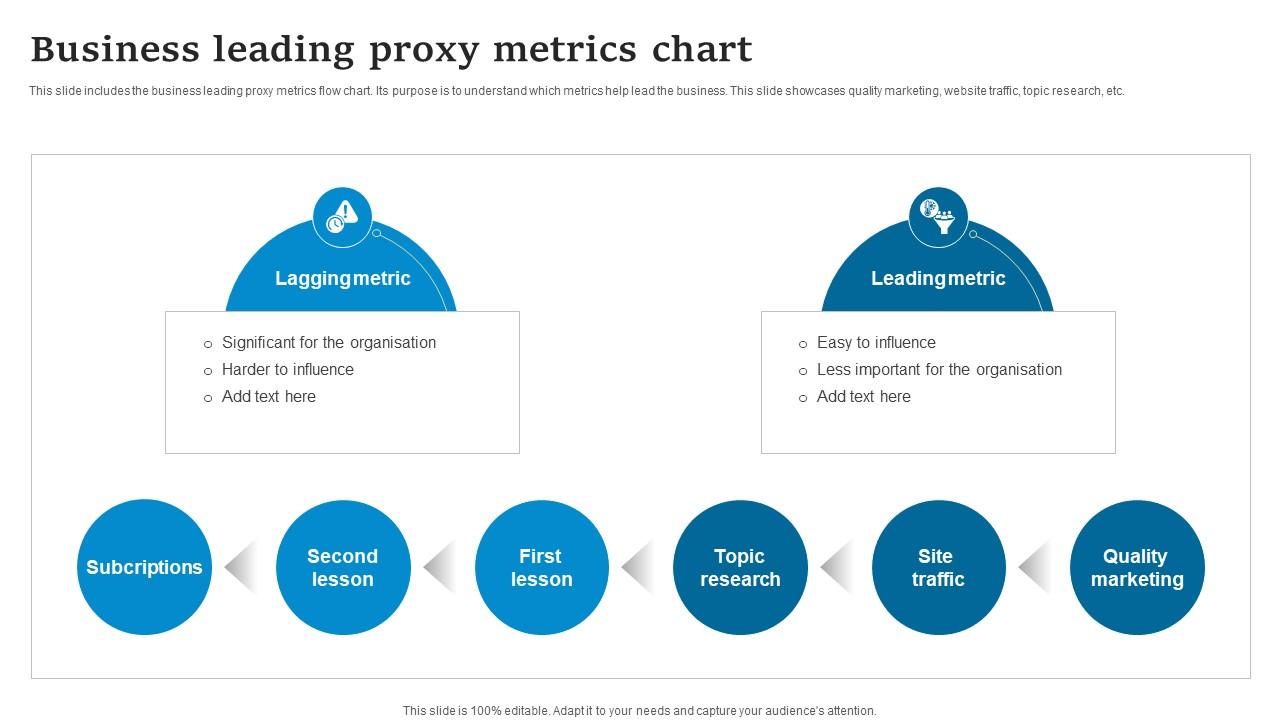
Invisible benefits live in habits, not headlines – a faster workflow, a tiny reduction in friction, or a subtle nudge that keeps someone coming back. To surface these hidden wins, focus on measurable proxies that correlate to the outcomes you care about: deeper engagement, longer customer lifetimes, and fewer cancellations.Convert those proxies into decision-ready signals by tying them to clear business outcomes, setting thresholds, and watching directional changes over cohort windows rather than obsessing over single-point spikes.
- Time-to-value - how quickly a new user completes a core task
- Feature depth – percent of users using 2+ advanced features weekly
- Micro-retention – return rate within 3 days after activation
- Task success rate – percent who complete key flows without assistance
| Proxy Metric | Linked Outcome KPI |
|---|---|
| Time-to-value | 3‑month retention |
| Feature depth | Average revenue per user |
| Micro-retention | Churn reduction |
When you map proxies to outcomes, decision-making becomes less about vanity counts and more about action. Use experiments to validate causality, weight signals by predictive value, and codify what constitutes a meaningful change so teams can act fast. Over time, the habit of measuring the unseen turns into a repeatable playbook: small product moves that consistently lift the KPIs that keep people around - and paying attention becomes the competitive advantage.
Turning invisible value into repeatable experiments through cross functional rituals and playbooks
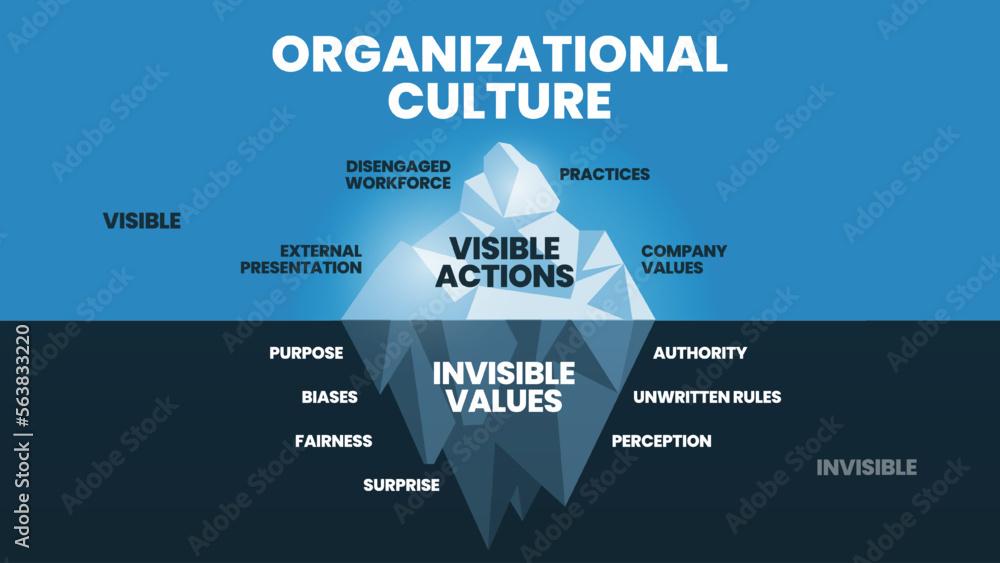
Think of invisible value as the quiet engine that keeps customers coming back – it’s the small, unannounced delights and friction removed behind the scenes. To capture that engine, create rituals that make assumptions tangible: weekly hypothesis sprint reviews, cross-team show-and-tell, and a common scoreboard that surfaces micro-wins.
- Weekly hypothesis demos – a 15-minute ritual where product, design, and CS surface one test.
- Shared metrics feed - a single dashboard everyone checks daily.
- Rapid teardown sessions - post-mortems that turn surprises into standard practice.
These rituals convert intuition into observable signals, so the invisible becomes measurable and improvable.
Once you can see the signal, the next step is repeatability: codify what works into lightweight playbooks and experiment templates that any team can spin up. include clear owners, acceptance criteria, and measurement plans so experiments become routines rather than one-off sparks.
- Experiment template – hypothesis, segment, metric, duration.
- Playbook snippet – deploy steps, rollback triggers, stakeholder map.
- Handoff checklist – what support needs to be in place if the test wins.
Over time these rituals and playbooks form a compounding machine: predictable experiments reveal invisible value faster, and customers stay longer because the product continually learns and delivers value they didn’t even know they wanted.
insights and Conclusions
Invisible value is the architecture behind loyalty – the quiet hinges, the steady foundations and the light that guides a customer back without fanfare. When businesses invest in trust, seamlessness, relevance and the small, often unseen interactions that make an experience effortless, they build more than satisfaction; they build habit and belonging.
Treat invisible value as a design problem: map the hidden touchpoints,measure their ripple effects,and iterate with curiosity rather than assumption. Over time those subtle choices compound, turning one-time buyers into steady companions. retention isn’t about louder promises - it’s about the gentle, persistent signals that make customers feel understood enough to stay.