


They don’t blast from billboards or tower over prime-time television – they appear in comment threads, Stories and niche communities, one authentic recommendation at a time. Micro-influencers are the quiet cartographers of modern shopping,mapping small,highly engaged audiences and steering purchase decisions with a degree of intimacy that mass marketing increasingly struggles to match. As e-commerce evolves from broad reach to precise relevance, thes everyday tastemakers are changing not just how products are discovered, but how brands build relationships, measure value and design experiences.
Defined more by trust and specificity than by follower counts, micro-influencers trade mass visibility for deeper engagement. Their strength lies in close-knit credibility: followers treat them less like distant celebrities and more like friends whose product picks feel personal and actionable.That dynamic has practical consequences for online retailers – from higher conversion rates and content that doubles as social proof, to new models of collaboration such as affiliate partnerships, co-created lines and shoppable livestreams.
This article examines how micro-influencers are reshaping the mechanics and economics of e-commerce. we will look at the channels and tactics that amplify their impact, explore why brands are reallocating budgets toward smaller creators, and consider the trade-offs – from scaling challenges to measurement complexities - that come with this decentralized approach to digital commerce.
The trust advantage Why micro influencers convert better than broad reach

Real relationships beat reach. Micro creators don’t sell to an audience so much as they converse with one – their recommendations arrive with context, personality and a track record that feels human. That closeness translates into measurable behaviors: deeper comments, DMs asking for sizing or alternatives, and followers who are willing to try a product because they trust the person behind the post.
- niche expertise: tailored content speaks directly to buyer intent.
- Two-way dialog: questions and reviews happen in public, boosting credibility.
- authentic storytelling: product use feels lived-in, not scripted.
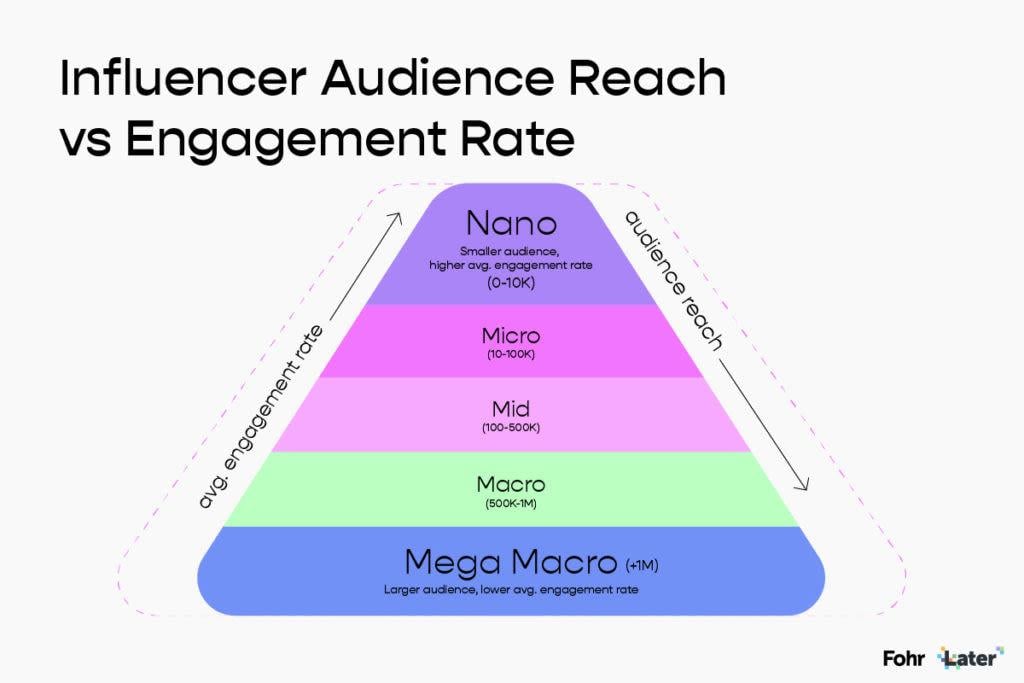
Practical upside for sellers. When trust is the currency, conversion follows more predictably than with broad-but-shallow exposure; small audiences that beleive a voice are likelier to click, try and recommend. Below is a quick snapshot comparing typical performance signals to show why budgets stretched across micro partners frequently enough outperform single-macro plays.
| Creator Type | Avg Engagement | Avg Conversion |
|---|---|---|
| Micro (1k-100k) | 6-12% | 2-8% |
| Macro (>500k) | 1-3% | 0.5-2% |
- Lower CPA: higher relevance cuts acquisition costs.
- Faster feedback: iterate products and creatives in weeks,not quarters.
- Compounding trust: multiple niche advocates create networked endorsements.
Finding the perfect match A tactical guide to selecting micro influencers for your products

Start by treating your product like a character in a story: what motivates it, who it complements, and where it naturally appears in daily life. Translate those traits into an audience persona-age,interests,purchase drivers-and then look for creators whose content consistently speaks to that persona. Micro-influencers win as their recommendations feel like referrals from a trusted friend; prioritize creators with authentic engagement, clear niche focus, and a content style that visually matches your brand so integrations feel seamless rather than forced.
- Engagement over follower count: comments and saves reveal true interest.
- Content consistency: look for regular posts that align with your product use-case.
- Audience overlap: sample follower profiles to confirm demographic fit.
- Creative versatility: prefer creators who can adapt messaging while keeping authenticity.
Turn these criteria into a simple vetting process: shortlist candidates,request recent analytics and example collaborations,and run a small paid test campaign to measure conversion signals before scaling. Use clear briefs that leave room for the creator’s voice-micro-influencers convert best when they can tell your product’s story in their own words.Track outcomes with short-term KPIs (clicks, promo code redemptions) and longer-term signals (repeat mentions, community sentiment) to refine future selections and build lasting partnerships.
| fit Factor | Quick Check |
|---|---|
| Audience Match | Demographics & interests align |
| Engagement Rate | 3%+ (ideal for micro) |
| creative Quality | On-brand visual & tone |
| Past Performance | proof of conversions |
measuring what matters A practical framework for tracking micro influencer ROI and attribution

Start by aligning campaigns to a single commercial question: which creator activity moves the needle on your business? translate that into a handful of measurable outcomes-sales,new customers,product discoverability-and build a consistent tracking scaffold around them. Use a mix of lightweight methods (UTM-tagged links, unique promo codes, affiliate links) and platform signals (pixels, conversion events) to capture both direct conversions and early funnel attention. Prioritize incrementality over vanity: baseline performance, run short control tests when possible, and widen the attribution window for slow-consideration products. Practical steps include:
- Define one primary KPI (e.g., CAC, AOV, sign-ups)
- Instrument links and codes so each micro-influencer can be isolated
- Set a measurement cadence-daily for launches, weekly for evergreen
- Compare to a baseline to estimate true uplift, not just correlation
To turn data into decisions, map each metric to its business meaning and the simplest tracking method available; qualitative signals-comments, DM requests, product mentions-often explain numbers and reveal long-tail value. Below is a concise reference table to help teams prioritize what to watch and how to capture it on a tight budget:
| Metric | Why it matters | How to track |
|---|---|---|
| Clicks / CTR | Top-of-funnel interest | UTMs,short links |
| CR (Conversion Rate) | Actual purchase efficiency | Affiliate links,pixel events |
| AOV | Revenue quality per order | Order reports,coupon ids |
| CAC | Cost to acquire customers | Influencer spend ÷ tracked customers |
| LTV | Long-term value informs true ROI | Customer cohorts,CRM |
Keep reporting lean: focus on the few metrics that answer your core question,annotate anomalies,and blend short-term attribution with longer-term cohort analysis to see which creators deliver sustained value rather than one-off spikes.
Creative formats that sell Tested campaign ideas to turn authentic content into purchases
Think of bite-sized commerce that feels like a friend’s recommendation: formats that turn authenticity into action include shoppable stories where a tap converts curiosity into checkout, micro-tutorials that demonstrate one satisfying use-case in 10-30 seconds, and swipe-to-buy carousels that let each slide tell a micro-narrative. Other high-converting playbooks are real-life “before & after” reels, product hack snippets that invite replication, and short live-demo drop-ins hosted by micro-influencers who answer questions in real time. These formats thrive because they foreground utility and trust, not polish; the creative brief becomes “show, don’t sell.”
Tested campaign ideas build on those formats with clear conversion mechanics: run a “Try & tag” series where followers earn a discount for posting the product in use, or deploy a limited-drop collab with influencer-curated bundles that create urgency without overproduction. Repeatable concepts that scale: serial content (three quick reviews over a week), UGC retargeting (ads that stitch influencer clips into dynamic product cards), and referral sprints that reward purchases with micro-credit.
- Idea: Try & Tag – KPI: referral codes used
- Idea: Mini-collab drops - KPI: sell-out rate
- Idea: Review series – KPI: conversion lift
| Format | Best KPI | Ideal Length |
|---|---|---|
| Shoppable Story | Tap-to-cart | 5-15s |
| Micro-Tutorial | Conversion Rate | 15-30s |
| Live Drop | Avg Order Value | 10-20min |
Scaling without sacrifice How to grow a micro influencer network while preserving authenticity

Scaling a talented group of creators doesn’t mean turning them into a factory line - it means building systems that support individuality.Lean into selective growth: recruit creators who mirror your brand values and customers, then give them room to interpret the brief. Less scripting, more framework lets influencers keep their voice while aligning with campaign goals. Practical moves include:
- Fit over follower count – prioritize audience match and engagement.
- Flexible compensation – mix flat fees, performance bonuses, and product perks.
- Creative guardrails – set outcome-focused briefs,not word-for-word copy.
Operational tools can multiply authentic touchpoints without erasing personality: a lightweight onboarding kit, a shared content calendar, and a dedicated community manager who treats creators as partners, not deliverables. Track the right signals – engagement quality, repeat creator lift, and referral traffic - rather than vanity reach. Use this quick reference to balance scale and soul:
| Approach | Why it preserves authenticity |
|---|---|
| Micro-campaign cohorts | Maintain bespoke messaging at scale |
| Creator playbooks | Consistent goals,varied execution |
| Long-term partnerships | Build trust and natural advocacy |
Compliance and fairness Best practices for disclosure contracts compensation and long term partnerships
Micro-influencers thrive on trust, so transparent disclosure isn’t optional-it’s the foundation of long-term credibility. Spell out obligations and permissions in plain language, keep an audit trail of disclosures, and include essential contract clauses like deliverables, usage rights, exclusivity, termination, and payment schedule. To make contracts practical for creators and brands alike, use short, standardized addenda that answer the common questions creators have, and require clear milestones so both sides can measure success.
- Deliverables: formats, frequency
- Rights: duration and territory
- Disclosure: wording and placement
fairness in compensation turns one-off campaigns into sustainable partnerships: combine a base fee with performance incentives, cover production costs, and always pay on time. Embed regular review points in multi-month collaborations so rates and KPIs evolve with audience growth, and include a simple dispute-resolution clause to keep relationships constructive. Creators respond to respect-offer clear briefs, timely feedback, and measurable KPIs-and you’ll build partnerships where creativity and compliance reinforce each other.
- Models: flat + commission
- Review cadence: quarterly
- Protection: fair termination terms
To Conclude
Like grains of sand forming a shoreline, micro-influencers are quietly reshaping the contours of e-commerce-one authentic recommendation at a time. Their niche followings, higher engagement and perceived trust are recalibrating how products find buyers, how brands tell stories, and how data about consumer behavior is gathered and acted upon.
That shift brings trade-offs: greater complexity in campaign management, new metrics to master, and ethical questions around transparency and monetization. Yet it also opens space for more diverse voices, more precisely targeted experiences, and business models that reward sustained relationships over one-off impressions.
Whether you’re a brand, a platform or a curious consumer, the rise of micro-influencers is less a passing trend than a rearrangement of the ecosystem. Observing patiently, experimenting thoughtfully and measuring honestly will reveal whether this constellation of small creators becomes the new backbone of commerce-or simply another chapter in its ongoing evolution.