


Clothing isn’t just fabric stitched together - it’s a language people use to tell who they are. A brand that people want to wear doesn’t merely clothe bodies; it amplifies identity, solves small daily problems, and fits into a life that feels deliberate. Building that kind of brand is part craft, part psychology, and part careful listening.
This article walks through the practical choices behind wearable desire: how to define a clear point of view, translate it into product and experience, earn trust through quality and consistency, and connect with the right people in the right places. You won’t find a one-size-fits-all recipe here, but you will find a framework for turning intention into garments that people reach for again and again.
Craft a distinctive brand identity rooted in a precise customer persona and lifestyle aspiration
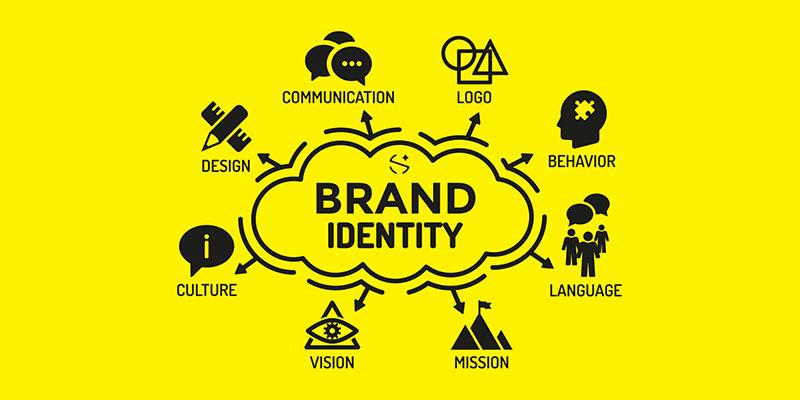
Start by sketching a person so vivid you could bump into them on the street: their weekday rhythm, weekend rituals, wardrobe gaps, favorite cafés and the music that follows them home. Treat this character as the product’s north star – every fabric choice, stitch placement and logo lockup should answer one clear question about them. Use research to sharpen intuition and distill a few repeatable cues: • aesthetic anchors (silhouette, palette)• emotional triggers (confidence, comfort, pride)• behavioral cues (where they wear it, why they buy). These become your visual grammar and the bedrock of your brand’s signature codes.
Then translate personality into experience: imagine the first unboxing, the label language, the store playlist and the way returns are handled – each touchpoint either confirms the lifestyle promise or undermines it. Map how design decisions show up across channels and keep the language consistent so the customer recognizes themselves in the brand voice. Practical touchpoints to iterate quickly include • product stories (materials + provenance)• commerce moments (price tier, packaging)• social proof (real customers living the aspiration), all guided by one clear metric: does this make the persona feel seen? If yes, your crafting clothing people choose not just for fit, but for identity.
Engineer product excellence through obsessive fit testing durable materials and transparent sizing

Designing clothes that people choose again and again comes from a ritual of tiny, measurable improvements: iterative prototypes on real bodies, movement labs that watch seams stretch, and a refusal to accept ‘close enough.’ When every sample goes through a checklist – shoulder slope, sleeve break, crotch depth, hem hang – you transform opinions into data. Fit is not a feeling; it’s a repeatable outcome, and the brands that win treat it like a science, logging fit notes, photographing adjustments, and running wear trials across sizes and activities.
- Try, measure, repeat: standardized trials for consistent decisions
- Diverse fit models: different bodies, one size system that actually works
- Transparent specs: clear measurements and conversion tips for shoppers
Material choices are the other pillar: durable yarns, reinforced high-stress points, and honest care instructions extend a garment’s life and build trust. Pairing that craftsmanship with visible sizing – millimeter-accurate charts, stretch allowances, and video demos – removes guesswork and reduces returns. Below is a quick reference that distills those decisions into actionable signals for product teams and shoppers alike.
| material | Durability | Fit Note |
|---|---|---|
| Ring-spun Cotton | 2-4 yrs | Break-in softening |
| Reinforced Nylon | 4-8 yrs | Holds shape under load |
| Technical Stretch | 3-6 yrs | Allows recovery; size to movement |
Design a signature visual and tactile language for labels packaging and online imagery

Craft a distinct look and feel that customers can recognize at a glance: build a compact toolkit of color accents, type treatments, and finishing techniques that translate across labels, boxes and pixels. Start with a few clear rules and let them breathe – a dominant palette, a signature typography pair, and one tactile trick (emboss, soft-touch, or foil) that becomes your sensory logo. Use these building blocks to inform photography and product shots so that online imagery feels like a packaged object,not just a picture:
- Color accents: one primary,one neutral,one pop
- Material finish: matte,gloss,or textured
- Photo style: natural light,shallow depth,contextual props
Turn the toolkit into a living system – guidelines,templates and sample swatches that every team can access. Document practical specs (label die-lines, bleed, resolution, and accessibility text) and pair them with quick prototypes to test how a finish reads on camera versus in hand. A short reference table helps align decisions at a glance:
| Finish | Visual Cue | Touch cue |
|---|---|---|
| Soft-touch | Muted matte | Velvety,quiet |
| Spot foil | Bright accents | Crisp ridge |
| Emboss | Shadowed relief | Raised detail |
Keep the system flexible but enforce consistency: rules that allow creativity will make people want to wear – and photograph – your brand.
Tell consistent customer centered stories using content pillars user generated content and strategic collaborations

Anchor every campaign in a handful of clear content pillars that reflect why people choose your brand – not why you think they should. Map each pillar to a customer moment (revelation, first wear, care, gifting) and use those moments to craft short, repeatable narratives that feel familiar across channels. Keep the pillars tangible and actionable:
- Everyday Confidence – looks that make routines easier
- Sustainable Choices – materials and stories behind them
- Fit & Care – how pieces evolve with wear
These touchpoints become the source material for captions, product pages and email flows so the same customer sees a connected story whether they scroll an ad or open a package.
Invite customers into the narrative through simple, human prompts and amplify those moments with curated partners, turning single posts into community culture. Use user-generated content as authentic proof and pair it with measured boosts from strategic collaborations to reach adjacent audiences without losing your voice. Try short-lived activations that reward participation and keep content fresh:
- Micro-challenges with a hashtag for seasonal drops
- Local maker collabs showcased in in-store lookbooks
- styling swaps with complementary brands for cross-audience features
This mix keeps the brand human, scalable and consistently grounded in the customer stories that matter.
Price for perceived value and create smart promotions that protect brand equity
Align pricing with how people perceive your label: customers pay for meaning as much as material. Build a clear price architecture that communicates tiers-basic, signature, and heritage-so each level tells a different story.Small moves, like a modest premium for limited runs or free repair for flagship pieces, increase perceived worth without shouting discounts. Consider simple tactics that reinforce value and avoid a race-to-the-bottom:
- Tiered offering - distinct benefits at each price point.
- Limited editions – scarcity that justifies a premium.
- Service packs – repairs, styling, or extended warranties bundled in.
Design promotions to reward loyalty and momentum, not to reset expectations. Use targeted, time-bound strategies that feel curated rather than clearance-driven, and test mechanics on small cohorts before broad rollout. A quick reference for balancing impact and risk:
| Offer | Best use | equity risk |
|---|---|---|
| Early-access drops | Fans & subscribers | Low |
| Member-only discounts | Loyalty retention | Medium |
| Sitewide flash sales | Clearing last season | High |
Build community driven retail and digital experiences that convert first buyers into loyal advocates

Create moments that invite participation – not passive selling.Design in-store rituals and digital touchpoints where people can contribute, share, and influence product stories. Encourage co-creation through limited-run collaborations, customer design challenges, and social features that reward creative contributions. Use friendly, simple incentives to nudge first buyers into repeat behavior and make advocacy feel natural, not transactional:
- Invite customers to vote on new colors or prints
- Turn purchases into badges or early-access perks
- Host micro-events - try-on nights, styling streams, pop-up swaps
- Feature user photos and short stories across product pages
Measure ritual adoption and nurture the feedback loop so early buyers become local champions and online storytellers. track small signals – repeat visits, shared content, referral clicks – and respond with tailored experiences that acknowledge individual contribution. The table below shows quick, creative activations and the kind of responses they typically generate:
| Activation | Typical Response |
|---|---|
| Welcome style quiz | Higher email engagement |
| Customer-designed drop | Community buzz + pre-orders |
| Local try-on evening | Word-of-mouth referrals |
Wrapping Up
Every stitch of your brand – from the first sketch to the last customer interaction – tells a story. When that story is honest, purposeful and consistently well-crafted, people don’t just buy the product; they choose to wear the idea behind it. You’ve learned how to shape identity,design experiences and build trust; now the task is to practice those principles patiently,test them openly and let real-world feedback refine the fit.
There’s no single formula that guarantees a cult following, only a process that favors clarity, empathy and persistence. Keep experimenting, listen to the people who wear your work, and let your brand evolve in response. the most wearable brands are the ones that feel inevitable – not because they tried to be perfect, but because they became unmistakably, quietly necessary.