

On a crowded shelf, a single object stands out: a product numbered in gold, a record pressed on colored vinyl, a sneaker wiht a logo that appears only once. Limited editions have a quiet way of turning ordinary items into cultural punctuation marks. They call attention,create queues,and inspire stories – not only about what the object is,but about who chooses to own it.
What makes one run of a thing more magnetic than another? At first glance the answer seems practical: rarity, novelty, and the simple mechanics of supply and demand. Look closer and the motives become less transactional and more psychological.limited editions activate a constellation of human impulses – the pleasure of discovery, the urge to mark identity, the comfort of belonging to an in-group, and the desire to preserve a singular moment against the erosion of time.They also intersect with memory, storytelling, and the way choices become part of a personal narrative.
This article unpacks those threads, examining why scarcity can feel meaningful, why numbered copies carry weight beyond their material, and how limited releases shape markets and social life alike. We will trace the cognitive shortcuts and cultural scripts that turn manufactured rarity into emotional resonance, exploring the fine line between appreciation and compulsion that defines our attraction to things that are, by design, few.
Scarcity and Perceived Value: Psychological Mechanisms and Practical Steps for Brands
Limited runs tap into several predictable quirks of the human mind: when supply seems constrained, the scarcity heuristic shortcuts careful evaluation and upgrades perceived value; threatened loss activates loss aversion, making “gone tomorrow” feel worse than “available today” feels good; and exclusivity becomes a social signal-owning a rare item communicates identity and status. Brands that understand these mechanics can design releases that feel emotionally urgent without resorting to deception: clarity about why something is limited (craft, collaboration, time-bound) transforms scarcity from a pressure tactic into a legitimate value cue, while consistent storytelling converts a short-term rush into long-term desirability.
- Plan with purpose: limit quantity for real reasons (materials, artist collaboration) rather than artificially constraining stock.
- Communicate clearly: explain limits, timelines, and replenishment policies so scarcity reads as authenticity, not manipulation.
- Segment releases: stagger drops to reward loyal customers and create multiple moments of attention rather than one frantic spike.
- Measure impact: track conversion, secondary-market activity, and customer sentiment to refine scarcity strategies responsibly.
Executed well, limited editions become a choreography of psychology and ethics: they harness urgency without eroding trust, turn a temporal shortage into enduring brand equity, and invite participation rather than panic.by pairing scarcity with transparency, community-building, and clear post-purchase care, brands can convert fleeting desire into lasting loyalty-so that rarity feels like a reason to return, not a reason to resent.
Identity, Status and Collecting: Why limited Editions Become Personal and How to Design Emotional Resonance
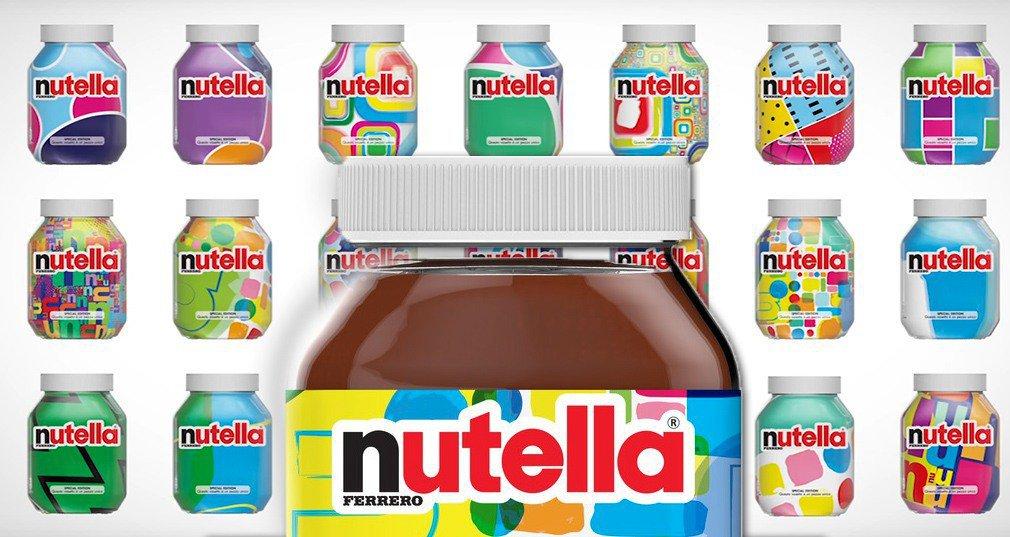
Limited editions translate abstract desires into a tangible mirror: when someone chooses a rare piece they are not just buying an object, they are selecting a signal about who they are. The collectible becomes a portable identity – a curated badge that broadcasts taste, experience and even moral alignment. Because scarcity narrows choice, each acquisition reads like a carefully chosen line in a personal biography; ownership becomes storytelling, and the fewer the pieces, the louder the story. Collecting also layers time onto value: a product that was once hard to obtain accrues memories, rituals and social currency, turning simple possession into an intimate archive.
Designing that emotional resonance starts with intentional cues that make a limited item feel like it was made for one person among many. Consider simple, repeatable levers:
- Personalization – serial numbers, custom engraving or selectable variants that make the object uniquely theirs.
- Provenance – clear stories about origin, creator intent and limited runs that justify scarcity with meaning.
- Community – access to owner groups, events or rituals that transform possession into belonging.
| Emotion | Design Touchpoint |
|---|---|
| pride | Visible serial/limited badge |
| Belonging | members-only experiences |
| Nostalgia | Heritage design notes |
These elements, woven into product and launch, convert scarcity into intimacy – not by forcing desire, but by making the item feel like a logical, personal extension of the buyerS identity.
Anticipation, Urgency and Reward Systems: Neuroscience Behind Limited Drops and Communication Tactics That Work
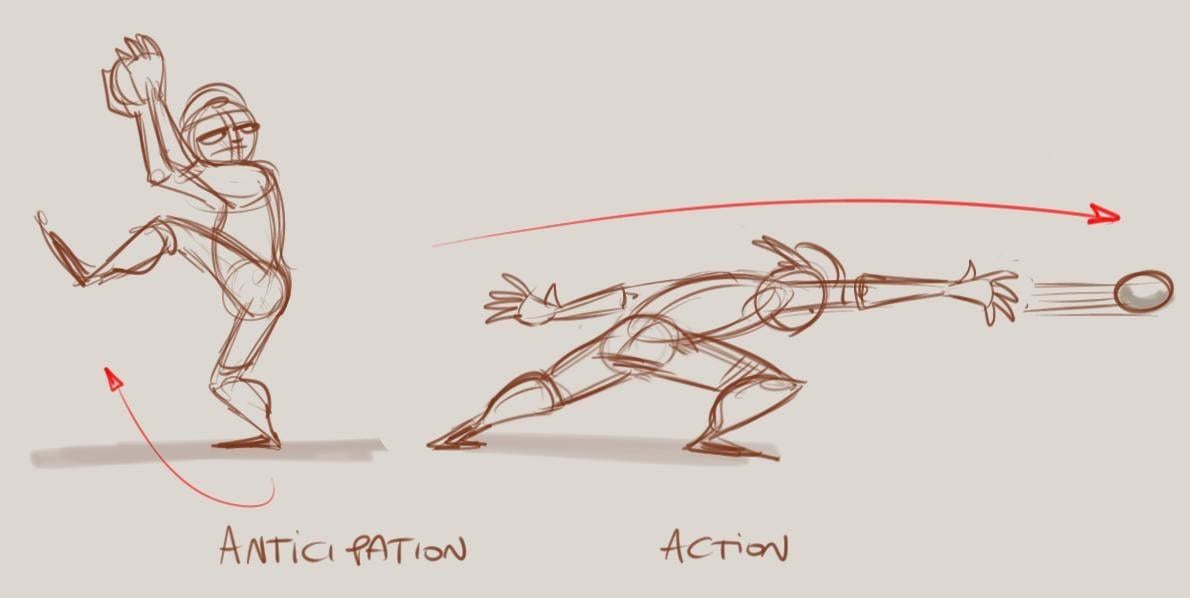
The pull of a short-run drop is less magic and more chemistry: when scarcity meets expectation your brain primes a reward loop that fires like clockwork. Anticipation acts as a magnifier-dopamine rises not just at purchase but during the wait, turning previews, teasers and mystery into a prolonged thrill. This is why a tiny, well-timed hint can feel more intoxicating than an immediate reveal; the brain loves to predict and then correct, and every micro-surprise creates a mini reward prediction error that keeps collectors returning. Scarcity, uncertainty and timed pacing form a trio that converts curiosity into persistent desire.
translating that wiring into effective outreach means designing experiences that nudge those neural responses without feeling manipulative. Use clear signals that respect choice-countdowns, numbered editions and staggered access work because they align with how people value exclusivity and social proof. Practical tactics that tap the neuro-economics of desire include:
- Countdowns that heighten attention and compress decision-making.
- Limited counts (e.g., “50 made”) that anchor perceived value.
- Surprise drops or randomized rewards that mimic variable reinforcement schedules.
These moves should be paired with honest storytelling and clear logistics so the excitement converts into satisfaction, not buyer’s remorse.
Social Proof and Exclusivity signals: Building Community Without Alienation
People crave membership signals because belonging is a shortcut to meaning – a subtle nod that says, “you belong here.” When brands lean on social proof and scarcity together they can kindle excitement without turning fans into outsiders: celebrate early adopters, share real-user stories, and frame limited runs as a shared experience rather than a club gate. The trick is to make exclusivity feel like an invitation to join a living story, not a barrier erected to keep others out; inclusive language, transparent rules, and visible pathways for new members transform a rare object into a community ritual.
Practical cues that create warm exclusivity include:
- Public recognition: member spotlights and user galleries that spotlight contributors, not just buyers.
- Transparent scarcity: live counters and honest supply notes that explain “why” a run is limited.
- Tiered access: pre-release windows and waitlists that reward engagement, not favoritism.
- Shared rituals: launch events, hashtags, and collaborative design polls that let everyone feel part of the story.
- clear re-entry points: restock alerts and community-driven drops so newcomers know they can join later.
Quality Perception Versus Manufactured Rarity: Ensuring Authenticity and Avoiding Consumer Backlash
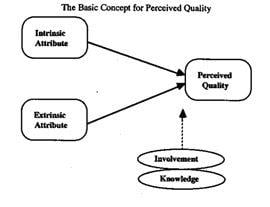
Scarcity often reads like craftsmanship: when limited runs are paired with visible care,consumers translate rarity into value. Brands that signal provenance, skilled labor, thoughtful materials and editorial storytelling invite customers to believe the scarcity reflects superior quality rather than a marketing trick. to protect that trust, emphasize clear markers of authenticity:
- Traceable origin – where and how the piece was made
- Visible craft - photos, behind-the-scenes, maker notes
- Controlled quantity – explicit production numbers, not vague language
- Unique identifiers – serial numbers, certificates, artist signatures
- Aftercare – warranties, repair services, community care
when scarcity is manufactured without those cues, the risk is not just disappointment but active backlash: angry customers, social media call-outs and a thriving gray market that corrodes long-term brand value. Smart brands avoid this by being transparent about intent and outcome,aligning price with verifiable quality,and inviting customer participation in limited drops. Below is a swift snapshot to help teams decide weather a limited edition will uplift the brand or undermine it:
| Signal | Authentic Scarcity | Manufactured Scarcity |
|---|---|---|
| Transparency | High – numbers & process shared | Low – vague timelines |
| Consumer Reaction | Delight & loyalty | Frustration & mistrust |
| Long-term Value | Strengthens brand equity | Damages reputation |
Sustainable and Ethical limited Editions: Balancing Scarcity with Responsibility and Concrete Implementation Guidelines
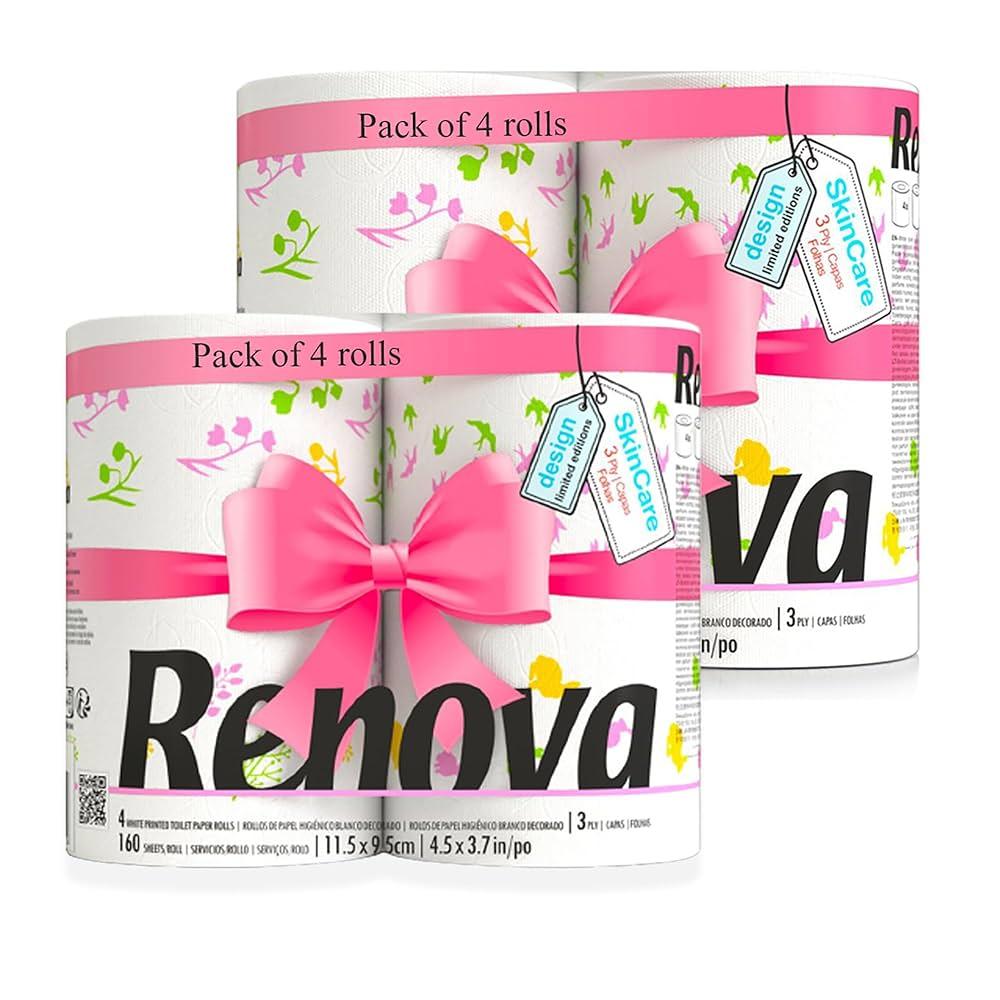
Scarcity can be a thrill, but when scarcity sits alongside visible care for people and planet, desire deepens into respect. Design limited runs with eco-conscious storytelling-explain why a run is finite (rare materials,handcrafted techniques),show the carbon cost and mitigation,and spotlight fair wages and local artisans. This transparency turns a marketing gimmick into a moral purchase: collectors feel they’re not just owning rarity, they’re endorsing responsibility, which in turn preserves brand prestige and extends the collectible’s cultural value.
Concrete implementation means actionable limits and measurable ethics: set edition sizes based on sustainable sourcing capacity, use recycled or certified materials, and build buy-back or repair programs that keep items in circulation rather than landfills. Practical steps include:
- Material audit: confirm sustainable sourcing before committing quantities.
- Transparent numbering: publish production and labor reports for each batch.
- Aftercare plan: offer repairs, parts, or resale channels to reduce waste.
| Action | Quick Benefit |
|---|---|
| Limit by supply (not hype) | Reduces overproduction |
| Partner with certified makers | Protects worker rights |
| Issue impact report | Builds trust |
Future Outlook
Limited editions are more than clever sales tactics or collectible curiosities; they are distilled stories about desire, identity and time. Scarcity sharpens attention, social signals translate ownership into meaning, and our brains – wiring for reward and belonging – supply the rest. Viewed together, these forces explain why a numbered run or a one-off collaboration can feel like a small piece of narrative we want to inhabit.
Understanding this psychology doesn’t reduce limited editions to mere manipulation, nor does it cast every purchase as purely instrumental. It reveals the human tendencies that brands and buyers alike tap into: our appetite for distinction, our need for connection, and our comfort in making choices that feel both rare and right.For creators and marketers, that insight invites responsibility; for consumers, it offers an possibility for mindful engagement.
limited editions act as cultural punctuation marks – brief, pointed expressions of value that momentarily reorder preference and attention. Whether you collect them, sell them, or study them, they remain a revealing mirror of how people assign meaning in a world of abundance.