A single unanswered question can be louder than a thousand facts. Walk past an open book with a sentence cut off mid-line and you’ll find your feet slowing, your eyes returning – not because the sentence was important, but because your brain hates unfinished business. That irresistible tug is the engine behind curiosity loops: a intentional opening of mental gaps that nudges peopel to seek closure. In marketing, those gaps can be the difference between a quick skim and a lasting connection.
Curiosity loops aren’t tricks; they’re structures rooted in how attention works. By raising a question, hinting at a payoff, and delaying resolution, you create a motivation loop that guides behavior – click, read, watch, or sign up. Done well, they transform passive audiences into active participants, turning fleeting interest into sustained engagement. Done poorly, they leave people feeling manipulated or frustrated.
This article unpacks the mechanics of curiosity loops and shows practical ways to weave them into your messaging, content, and campaigns.We’ll look at the psychology that makes them effective, the ethical boundaries to respect, and concrete techniques you can apply across channels so your marketing invites curiosity rather than demanding it. If you want your next message to pull people in instead of shouting for attention, start by learning how to leave a question they’ll want to answer.
Define a clear knowledge gap and promise a specific,desirable payoff
Start by spotting the one piece of information your audience is missing that would change their behavior – not a vague promise, but a crisp, attention-grabbing gap.name the gap clearly and frame it around a real, felt problem so the reader instantly recognizes the cost of not knowing. Use short cues that point to urgency and curiosity, than feed them a tiny, tantalizing hint.
quick checklist:
- Pinpoint the obstacle they keep hitting.
- Show the consequence of staying ignorant.
- Tease a single, specific benefit that fixes it.
Turn that gap into a payoff by promising something concrete and desirable – a measurable result, a time-bound win, or an unexpected shortcut – and make the claim believable with one small qualifier. Below are simple pairings you can borrow to craft your next curiosity-driven headline or email opener:
| Gap | Specific payoff |
|---|---|
| low lead quality | A 3-step filter to double qualified leads |
| Emails ignored | A subject-line formula that lifts opens by 25% in a week |
| Slow onboarding | A checklist to cut time-to-value in half |
Keep the promise tight, believable and framed as a direct outcome - specificity is the engine of curiosity, because people will open the loop only when they can clearly imagine the payoff.
Open with sensory detail and a provocative question to hook attention
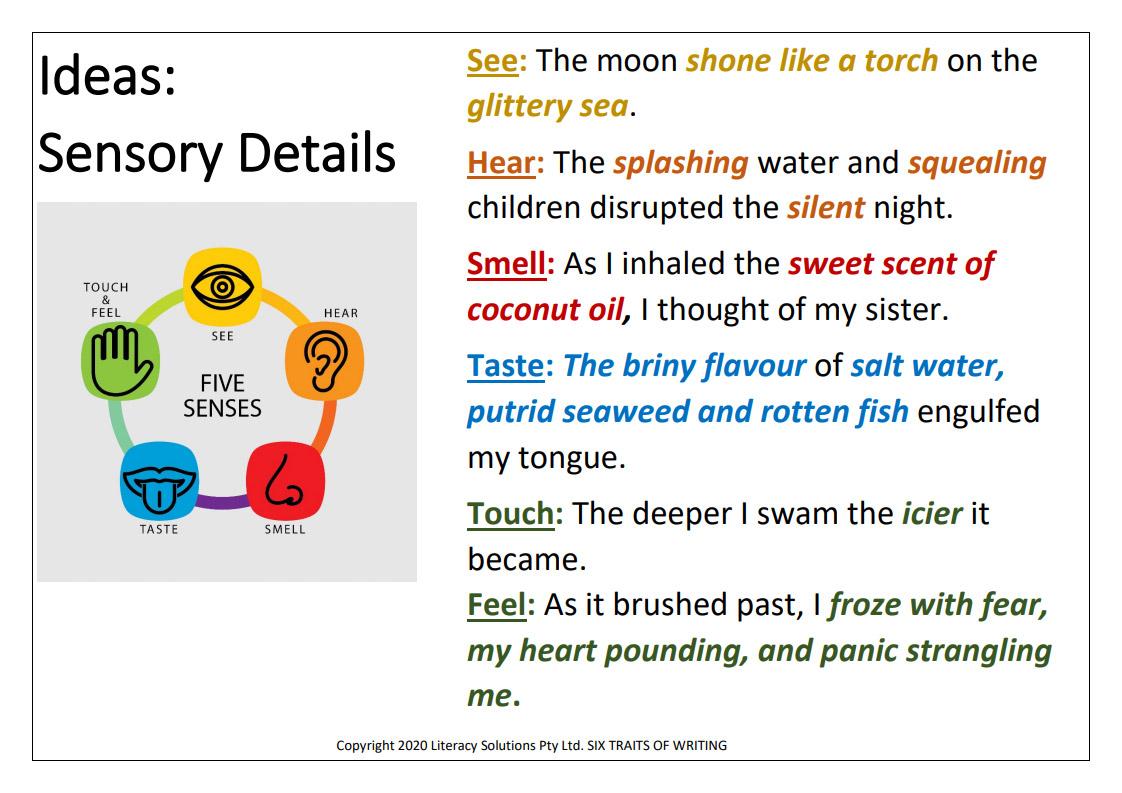
The screen breathes: a warm orange glow at the edge of the layout, the soft scrape of a cursor, the faint scent of coffee you imagine with every scroll. A headline grazes your attention and then pulls back, leaving a sliver of unfinished thought-what would happen if you never revealed the ending?
That small, sensory pause is the beginning of a curiosity loop: a deliberately broken promise that begs completion. Use subtle tactics to build it-tease a secret, present an odd fact, or start a micro-story that halts at the right beat-and people will lean in.
- Tease a secret: hint at outcome,delay payoff
- Pose an anomaly: surprise expectation to spark questions
- Cliffhanger: stop mid-solution to drive clicks
| Hook | Quick Effect |
|---|---|
| Cliffhanger | longer dwell |
| Teaser + CTA | higher clicks |
| Micro-story | More shares |
Use storytelling beats to frame curiosity and make the unknown feel tangible
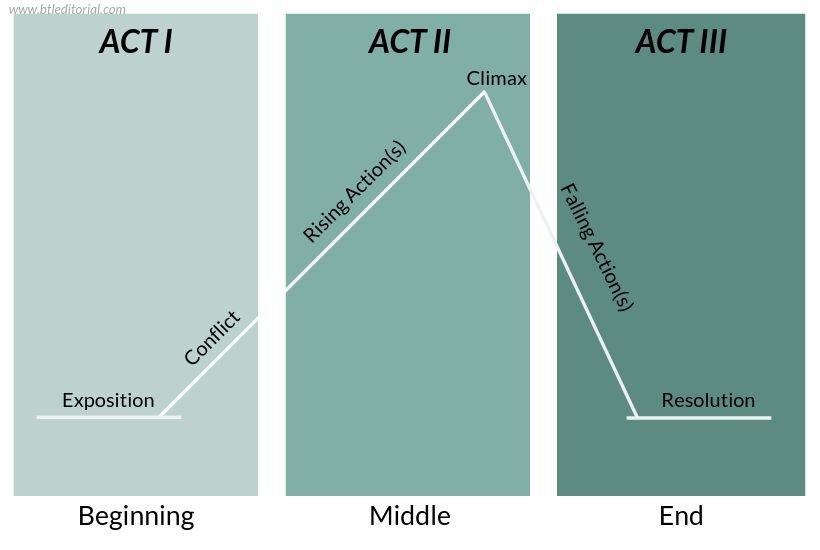
Think in quick, repeatable moments: a tiny sensory hook, a concrete mystery, a small reveal, and then a withheld answer that begs for more. Frame each moment as a beat you can tune – imagine the beat as a tactile cue that turns the abstract into something people can almost touch. Core beats:
- Hook: a sensory detail or striking line that stops the scroll
- Question: a specific unknown that invites speculation
- escalation: a surprising constraint or twist
- Micro-reveal: a partial answer that deepens interest
- Payoff: a tangible benefit or clear next step
Apply those beats to channel and cadence: a one-line hook for social, a visual anchor in email, a micro-video that ends on an unanswered problem for landing pages. Use copy and imagery to make the unknown feel physical – texture, motion, measurement – and then routinize the delay so the audience forms a habit of returning. Track which beats shorten or lengthen loop completion, and always end a beat with a subtle, well-timed CTA that converts curiosity into action without breaking the rhythm.
Plant micro cliffhangers across channels to prolong engagement and re-engagement
Think of every touch as a tiny story beat that ends on a deliberate snag – a blink-sized promise that begs to be finished. Use short, sensory teases and strategic withholding to convert curiosity into action:
- Stories / Reels: 4-8s visual that cuts before the reveal
- Email subject lines: a question or half-sentence that points to a single benefit
- SMS & Push: a one-line nudge with a cliff-edge verb
These micro cliffhangers are friction-light but emotionally sticky, urging users to click, swipe, or tap for closure without feeling tricked.
layer those beats across channels so each interaction becomes a chapter in a mini-serial – the answer lives on the next platform. Map a simple sequence (tease → hint → payoff), and use re-engagement signals to reopen loops: retargeting ads that mirror a previous tease, follow-up DMs that reference a prior line, or an email that finishes the sentence you left hanging.
- Sequence example: Instagram tease → Email hint → Product page payoff
- Re-engage: Push when the loop has cooled for 24-72 hours
| Channel | Micro-cliffhanger |
|---|---|
| “Wait until you see this…” | |
| “One detail we couldn’t fit in the post…” | |
| SMS | “See it live in 60s – open now” |
Sequence reveals strategically to balance tension, timing, and reward
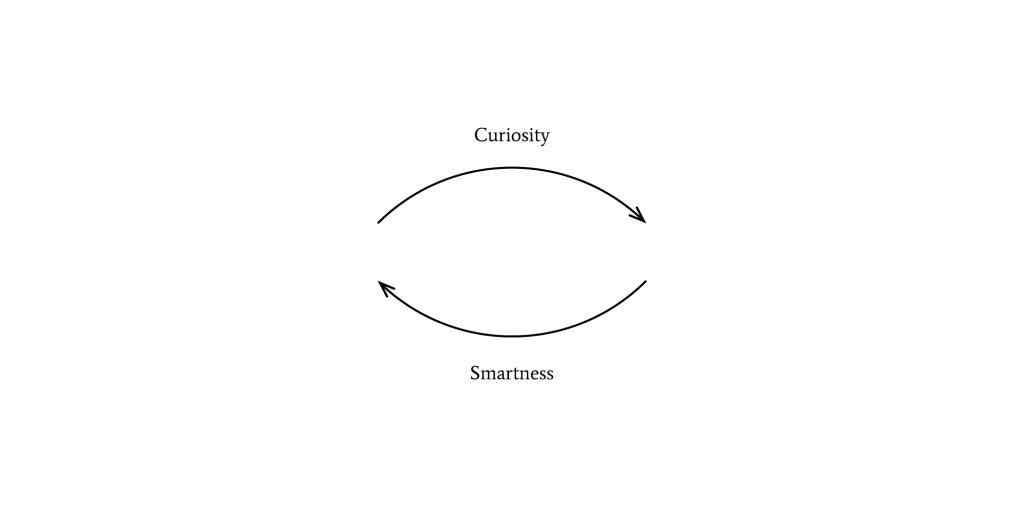
Think of your message like a story that reveals its secrets one beat at a time: you plant a curiosity seed, water it with hints, and then harvest attention with a well-timed payoff. Useful tactics include an intentional drip of information,deliberately unresolved micro-cliffhangers,and gated reveals that reward small actions. drip keeps people coming back,cliffhangers amplify desire,and gated reveals convert intrigue into interaction – combine them to create momentum without exhausting the audience.
Timing is the invisible hand that turns suspense into satisfaction; test cadence and adjust the size of each reveal so tension builds but never breaks trust. Use simple frameworks to guide choices and track outcomes – for example, the table below shows quick experiments you can run to tune pace and payoff.
| Cadence | Tension | Reward |
|---|---|---|
| Rapid | Low, frequent | Quick gratification |
| Slow | High, growing | Higher perceived value |
| Staggered | Moderate, varied | Sustained engagement |
Then measure response rates, refine intervals, and iterate until curiosity loops feel natural and repeatable.
Measure curiosity triggers with experiments that tie engagement to conversion and retention
Think of your marketing like a curiosity lab: run small, rapid experiments that expose which micro-triggers actually nudge people forward. Start by instrumenting moments of friction and delight - headline swaps, teaser lengths, progressive reveals – then measure not just clicks but the behavior that follows. Track cohorts from first interaction to next visit, and set up clear hypotheses (e.g., shorter teasers increase second-session return). test variants in parallel, and capture both immediate engagement and downstream signals so you can see which sparks become sustained attention.
- Subject line vs. preview text
- Teaser length vs. progressive reveal
- Surprise reward vs. predictable CTA
Link those engagement lifts to real business outcomes: conversions, retention, and lifetime value. Use causal gating – only push the full message when curiosity metrics (hover, scroll depth, dwell time) show a genuine pull – and then compare conversion and retention curves across test groups. Focus on simple, comparable metrics (CTR, next-session rate, 30-day retention) and run statistical checks before rolling out winners; the goal is to turn momentary intrigue into repeat behavior. With this approach you learn which elements create a repeatable curiosity loop that actually grows your base,not just your vanity numbers. Experiment → measure → iterate is the rhythm that converts curiosity into customers.
The Conclusion
Curiosity loops are less a trick and more a craft: a careful tug that draws attention, a small promise that nudges someone to lean in, and the thoughtful payoff that turns interest into trust. When you design them with intention – a clear gap, a memorable tease, and a satisfying reveal – they become a steady engine for engagement rather than fleeting clickbait.
start small: pick one piece of content,define the knowledge gap you want to create,and map the reveal so it rewards the audience without overpromising. Test different hooks, measure how long people stay, and iterate until the loop feels natural for your brand. Always balance intrigue with honesty – curiosity works best when it builds relationships, not confusion.
Think of curiosity loops as the breadcrumbs that lead people deeper into your story. Used wisely, they won’t just capture attention for a moment; they’ll foster anticipation, respect, and a readiness to come back for more. Open one loop today – then watch where it takes you.