


In a world brimming with choices, where attention spans wane and competition looms large, the quest for creating products that not only captivate but also foster genuine obsession has become the holy grail for designers and brands alike. Imagine a product so compelling that it sparks conversations, fuels social media buzz, and ignites a fervor among its users-a phenomenon that transcends mere satisfaction and ventures into the realm of passion. The art of designing such products lies not only in functional utility but also in understanding the intricate tapestry of human emotion, desire, and behavior. In this article, we’ll unravel the secrets behind crafting products that people don’t just want, but feel compelled to share, celebrate, and, ultimately, obsess over. Join us as we explore the principles, practices, and innovative mindsets that can transform an ordinary item into an extraordinary experience, creating a lasting bond between the product and its audience.
Understanding User Needs Through Empathy
To truly resonate with users, it’s essential to dig deeper than surface-level preferences and behaviors. Empathy allows designers to step into the shoes of their target audience, uncovering their pain points and desires. By engaging in user interviews, conducting surveys, and implementing observation techniques, designers can gather rich insights that reflect the emotional landscape of users. This immersive approach enriches the design process, enabling the creation of products that not only meet functional requirements but also fulfill emotional needs.
Moreover, fostering a culture of empathy within design teams leads to innovative solutions that can transform user experiences. By encouraging collaboration and open dialog among team members,designers can harness diverse perspectives and insights. Consider methods like:
- Role-playing scenarios to visualize user interactions.
- Empathy mapping to visualize and articulate user sentiments.
- Customer journey mapping to identify critical touchpoints.
These strategies enable teams to create products that not only meet market demands but also build a strong emotional connection with users-ultimately leading to products that people genuinely obsess over.
Crafting a Compelling Brand Narrative
To create a brand narrative that resonates, we must delve deep into the essence of what makes our products unique. A compelling story is not just about the product; it’s about the values, the mission, and the people behind it. Consider integrating the following elements into your narrative:
- Authenticity: Share the real journey behind the creation of your product.
- Connection: illustrate how your product solves a problem or fulfills a need in the lives of your customers.
- Emotion: Evoke feelings through relatable experiences, touching upon aspirations and desires.
Your brand narrative shoudl also cultivate a community of loyal advocates. by aligning your story with the lifestyle and aspirations of your target audience, you create a bridge that encourages engagement.Here’s a simple table highlighting how storytelling can transform customer perception:
| Aspect | Customary Marketing | Storytelling Approach |
|---|---|---|
| Focus | Product features | Customer experiences |
| Engagement | Passive consumption | Active participation |
| Brand Loyalty | Price-driven | Value-driven |
By weaving these elements into your brand narrative, you not only enhance the perception of your products but also inspire a connection that drives customer loyalty and advocacy. Each interaction becomes a shared experience that reinforces the emotional ties to your brand, turning casual customers into fervent fans.
Elevating Aesthetics and Functionality

To create products that captivate audiences, it’s essential to intertwine visual appeal with practical usability. The design must evoke emotion, encourage interaction, and establish a connection with the user. Incorporating elements such as color psychology, typography, and materials can elevate the overall aesthetic. Focusing on the following aspects can definately help achieve this blend:
- Texture: Utilize diverse surfaces to create a tactile experience.
- Symmetry vs. Asymmetry: Balance design elements to create a visual rhythm.
- Brand Identity: Consistency in design reinforces recognition and loyalty.
Functionality should seamlessly accompany aesthetics, ensuring the design serves its intended purpose without sacrificing style. This requires a deep understanding of the target audience and their needs. Innovative designs often include:
| Key Feature | Benefit |
|---|---|
| Ergonomics | User comfort and improved functionality. |
| Modularity | Customization to suit individual preferences. |
| Sustainability | Appeal to environmentally conscious consumers. |
By striking the right balance between beauty and purpose, designers can create products that not only attract but also retain the admiration of users.
Incorporating Feedback Loops for Continuous Improvement
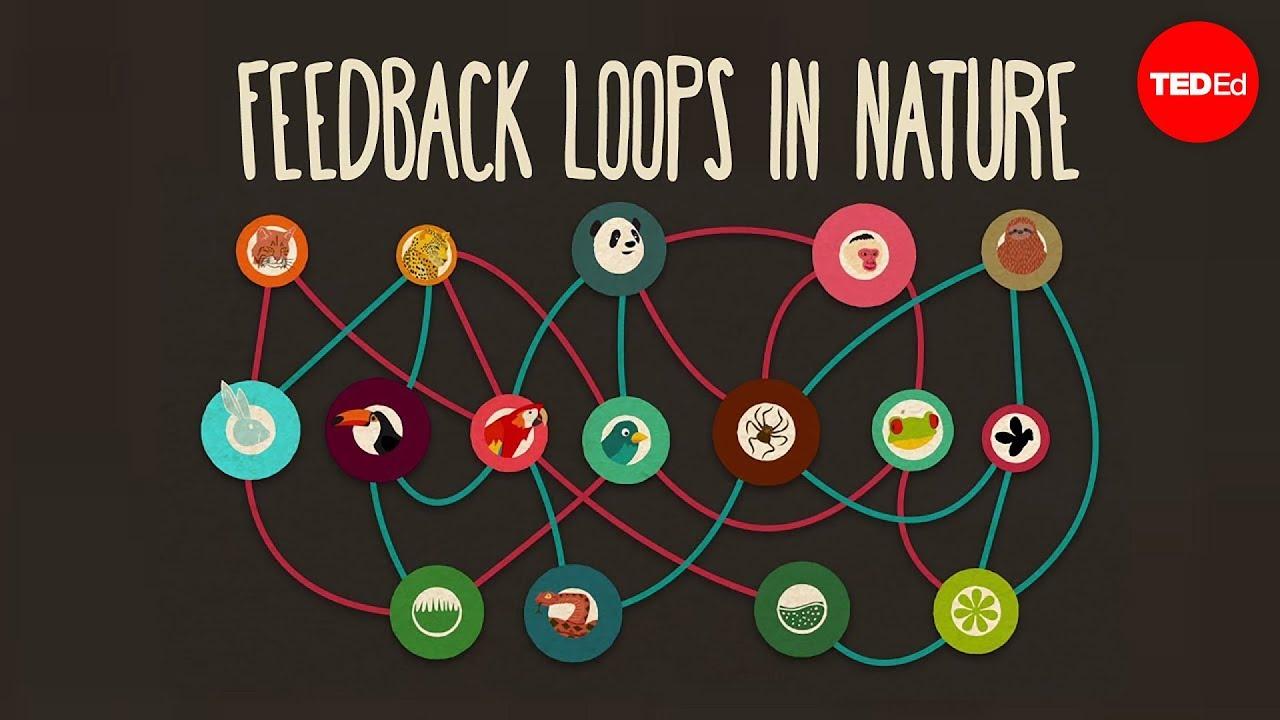
Embedding feedback loops into your product design process is crucial for fostering a culture of continuous improvement. By actively seeking and integrating user feedback, you create a dynamic cycle where insights drive innovation. Key methods to achieve this include:
- User Surveys: Regularly gauge user satisfaction and gather suggestions for enhancement.
- Usability Testing: Observe users in real-time to uncover pain points and areas for refinement.
- Beta Testing Groups: engage a select group of users to provide targeted feedback on new features before the full rollout.
Establishing clear channels for feedback ensures that your team can quickly adapt and iterate based on user needs. It’s importent to prioritize feedback by categorizing it based on impact and feasibility, allowing for a structured approach to product improvement. Utilizing a simple framework can aid in this organization:
| Feedback Type | Impact Level | Actionable Steps |
|---|---|---|
| Feature Requests | High | Prioritize for next sprint |
| Minor Bug Reports | Medium | Schedule for upcoming maintenance |
| General Suggestions | Low | Collect for future planning |
Building Community and Fostering Loyalty

To cultivate a thriving community around your product, focus on creating environments where customers feel a sense of belonging. Consider hosting events, whether online or offline, that allow users to connect with one another. Interactive experiences foster deeper relationships and can turn casual customers into passionate advocates. Here are a few strategies to implement:
- Host regular meet-ups: Encourage users to share their experiences and ideas.
- Create forums or social media groups: Build platforms for discussion and feedback.
- Launch user-generated content campaigns: Reward customers for sharing their stories.
A loyal customer base is an invaluable asset.Customers who feel part of a community are more likely to return and promote your product within their networks. To enhance loyalty further, consider implementing a rewards or loyalty program that resonates with your audience. This could include:
| Rewards Program Features | Description |
|---|---|
| Exclusive access | Provide early access to products or special events. |
| Personalized offers | Tailor promotions based on customer preferences and behaviors. |
| Community recognition | Highlight loyal customers in newsletters or social channels. |
Utilizing Psychological Principles in Design
Designing products that captivate audiences begins with an understanding of human psychology. By tapping into common behavioral patterns and cognitive biases, designers can create experiences that resonate on a deeper level. here are some psychological principles that can guide the design process:
Highlighting user testimonials and reviews builds trust and influences decisions.
Incorporating these principles into product design can create an engaging user experience that not only meets needs but also inspires obsession. As a notable example, a well-structured onboarding process that utilizes
| Psychological Principle | Request in Design |
|---|---|
| Reciprocity | Offer free trials or valuable content. |
| Scarcity | Use countdown timers for limited-time offers. |
| Consistency | Encourage users to fill out profiles or share preferences. |
| Social Proof | Display user ratings and success stories prominently. |
| Framing | Highlight savings in percentage over total cost. |
Creating Memorable Experiences Beyond the Product

To craft a product that transcends mere functionality, focus on the emotional journey that accompanies its use. Creating memorable experiences begins with understanding your audience’s desires, fears, and aspirations. By engaging users in a way that speaks to their values, you can foster a sense of belonging.For instance, consider implementing features that encourage community engagement and interaction, thus transforming individuals into a collective. Here are some effective strategies to enrich your product experience:
- Personalization: Tailor the product to individual preferences.
- Narrative: Develop a compelling story around the product’s origin or purpose.
- Involvement: Invite your audience to participate in product development or feedback loops.
- Wayfinding: Ensure users have an intuitive journey through the product, minimizing frustration.
Moreover, the service aspect of your offering should complement the product, creating a seamless experiental platform. This encompasses not only customer support but also post-purchase engagement.Think about how you can sustain interest and delight even after a sale is made.A well-designed loyalty program or educational resources can keep users involved and invested. Consider the following aspects:
| Engagement Method | Impact |
|---|---|
| Customer Workshops | Boosts community connection |
| Email Newsletters | Maintains engagement |
| Product Usage Tutorials | Enhances satisfaction |
In Summary
In a world overflowing with options, designing products that captivate and inspire loyalty is no small feat. As we wrap up our exploration of the principles behind creating items that people truly obsess over, it’s essential to remember that great design hinges not just on aesthetics but also on a profound understanding of the user’s needs and desires. By marrying functionality with emotional resonance, harnessing feedback, and fostering a culture of innovation, you can unlock the secret to sparking that undeniable connection with your audience.
Ultimately, the goal is not merely to produce a product but to cultivate an experience that leaves a lasting imprint on the hearts and minds of your users. So as you embark on your design journey, keep the user at the forefront: observe, empathize, and iterate. With these guidelines as your foundation,you’ll be well on your way to crafting products that don’t just meet expectations but set new standards that others aspire to. Here’s to designing the future-one remarkable obsess-worthy product at a time.