


In an ever-evolving landscape where technology, consumer preferences, and market dynamics shift with dizzying speed, the ability to adapt and anticipate future trends has become a crucial pillar of success for businesses. As we stand on the brink of new developments and challenges, the question arises: How can we ensure that our offerings remain relevant and compelling in the face of uncertainty? In this article, we will explore strategic approaches to future-proofing your offer over the next five years.From harnessing technological advancements to understanding the shifting sands of consumer behavior, we will guide you through practical insights and innovative strategies that will help you not just survive but thrive in a landscape ripe with opportunity.Whether you are a seasoned entrepreneur or a newcomer to the market,equipping yourself with the tools to adapt will be your strongest ally in building a resilient and forward-thinking business.
Embracing Change: Understanding Market Trends and Consumer Behavior

To navigate the evolving landscape of consumer preferences and market dynamics, it’s essential to stay ahead by embracing adaptability and innovation. This involves not just understanding current trends,but also anticipating future changes. Key strategies include:
- Continuous Market research: Regularly survey your target audience to gather insights about their preferences.
- Agile Development: Implement iterative processes that allow for rapid adjustments based on feedback.
- Leveraging Technology: Utilize data analytics to predict trends and tailor offerings accordingly.
Understanding the implications of demographic shifts and technological advancements can unveil new opportunities. Consider the following factors impacted by consumer behavior:
| Factor | Implication |
|---|---|
| Millennial Values | Focus on sustainability and ethical practices can drive loyalty. |
| Digital Engagement | Increased demand for online experiences can influence distribution strategies. |
| Health Consciousness | Products that align with wellness trends may see greater adoption. |
Innovative Offer Development: Integrating technology and Sustainability

in today’s rapidly evolving market, intertwining technological advancements with enduring practices is not just an option; it’s a necessity for businesses aiming to stay relevant. Embracing innovations such as AI-driven analytics, IoT, and blockchain not only enhances operational efficiency but also reduces the carbon footprint. Companies can leverage these technologies to create products and services that are both user-friendly and environmentally responsible, making sustainability a core part of the value proposition. Some strategic approaches include:
- Digitalization: Shift towards digital platforms to minimize resource use and maximize outreach.
- Smart Supply Chains: Utilize IoT to monitor resource usage in real-time, leading to more efficient operations.
- Circular Economy Models: Design products with life cycles that support recycling and repurposing.
Furthermore, integrating sustainable solutions can considerably enhance brand loyalty and customer satisfaction. By prioritizing eco-friendly methods and transparency, businesses can create a competitive edge that resonates, especially with environmentally conscious consumers. consider implementing the following initiatives to stay ahead:
| Initiative | Description |
|---|---|
| Green Partnerships | Collaborate with eco-conscious suppliers to foster a sustainable ecosystem. |
| Technology Training | Invest in upskilling employees on the latest sustainable technologies. |
| Customer Engagement | Create campaigns that educate consumers on the importance of sustainable choices. |
Building Agility: Crafting Flexible Business Models for Uncertain Times

In a rapidly evolving market, cultivating business agility is crucial for sustainability over the next five years. Companies must focus on iterative innovation and continuous improvement to remain relevant. Here are a few strategies to consider:
- Customer-Centric approach: Engage actively with customers to understand their shifting needs and preferences.
- Modular Offerings: design products and services that can be easily adjusted or upgraded.
- Cross-Functional Teams: Encourage collaboration among departments to drive creative solutions and faster decision-making.
Investing in technology is also a vital component of building a resilient business model. A flexible digital infrastructure can definitely help businesses adapt to changing demands while ensuring operational efficiency. Consider the following elements:
| Technology | Benefits |
|---|---|
| Cloud Computing | Scalability and cost-effectiveness |
| Artificial Intelligence | Enhanced data analysis and customer insights |
| Automation Tools | Improved efficiency and reduced manual efforts |
Engagement Strategies: Cultivating Strong Relationships with Customers
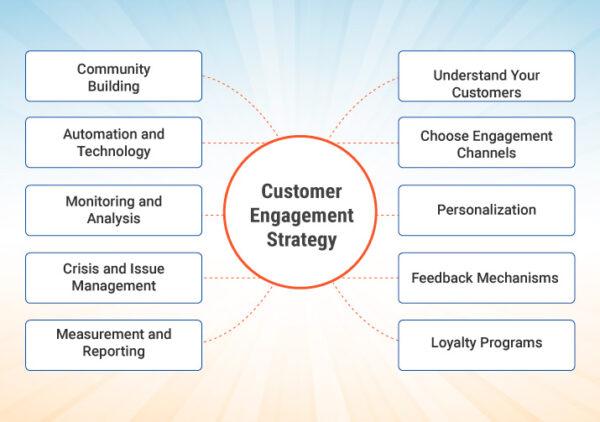
Building strong relationships with customers goes beyond delivering a product or service; it involves creating experiences that resonate with their needs and aspirations. To foster these connections,businesses should consider implementing personalization strategies that cater to individual customer preferences. Utilizing data analytics can help tailor marketing messages and offers, ensuring that customers feel valued and understood. Key methods to enhance engagement include:
- Active Listening: Encourage feedback through surveys and social media channels.
- Community Engagement: Create opportunities for customers to connect with each other and your brand.
- Exclusive Offers: Design loyalty programs that reward customers for their continued engagement.
Furthermore,establishing consistent interaction helps solidify these relationships. Regular updates about new products, company initiatives, and industry trends can keep customers informed and interested. consider utilizing various platforms such as blogs, newsletters, and social media to maintain an active presence. Here’s a brief overview of the different communication methods:
| Platform | Benefits |
|---|---|
| Social media | Real-time interaction and broad reach. |
| Email Newsletters | Direct communication and personalized content. |
| Company Blog | Establishes authority and offers valuable insights. |
Data-Driven Decisions: Leveraging Analytics for Continuous Improvement

In today’s hyper-competitive market, making informed decisions is crucial for sustaining growth and relevance. Companies must utilize data analytics to identify trends and patterns that can drive strategy. By focusing on the insights derived from customer behavior, sales performance, and market dynamics, organizations can tailor their offerings more precisely. Key areas to analyze include:
- Customer Preferences: Monitor trends in purchasing behavior to adjust product features or service offerings.
- Sales Data: Evaluate what items are most profitable and adjust inventory accordingly.
- Market Trends: Stay ahead by analyzing industry shifts that could affect demand.
Employing a structured analytics approach not only enhances operational efficiency but also fosters a culture of continuous improvement. Organizations can create dashboards and reports that pinpoint performance metrics, leading to informed adjustments in strategy. Consider implementing regular review cycles where stakeholders discuss data findings,thereby enabling iterative enhancements to the business model and customer experience. Below is a simple representation of how data-driven strategies can yield notable results:
| Strategy | Data Source | Expected Outcome |
|---|---|---|
| Customer Segmentation | user Surveys | Enhanced Targeted Marketing |
| Inventory Optimization | Sales Reports | Reduced Holding Costs |
| Price Adjustments | Competitive Analysis | Increased Market share |
Competitive advantage: Identifying and Nurturing Unique Selling Propositions
To stay ahead of the competition, businesses must pinpoint what sets them apart. This begins with an in-depth analysis of your target market’s needs and preferences. By engaging with customers through surveys, social media polls, and feedback forms, you can identify pain points and desires that are not being addressed by your competitors. Focus on your brand’s unique attributes, such as extraordinary customer service, innovative product features, or sustainable practices. Craft your unique selling proposition (USP) around these factors, ensuring it resonates with your audience and clearly communicates the value you provide.
Once you’ve identified your USPs, it’s crucial to nurture them consistently.Implement strategies such as:
- Continuous Improvement: Regularly update and enhance your offerings based on customer feedback and market trends.
- Brand Storytelling: Share the narrative behind your USP through content marketing efforts, showcasing how it relates to your customers’ needs.
- Team Empowerment: Train your staff to embody your USPs and deliver an experience that reflects your brand values.
Additionally, track the effectiveness of your USPs over time through metrics like customer satisfaction and retention rates. Adapting to market changes while staying true to your unique positioning will ensure you not only maintain relevance but also foster loyalty among your clientele.
Future Skills: Investing in Talent Development for upcoming Challenges

As businesses navigate increasingly complex landscapes, a strategic focus on talent development becomes essential. Companies that prioritize learning and growth not only equip their teams with the skills necessary to tackle future challenges but also foster a culture of innovation and resilience. Consider implementing the following strategies to cultivate a future-ready workforce:
- Upskilling and Reskilling: Invest in training programs that align with emerging technologies and industry trends.
- Mentorship Opportunities: Pair experienced professionals with new talent to facilitate knowledge sharing and skill enhancement.
- Diversity and Inclusion Training: Foster an inclusive environment that enhances creativity and problem-solving through diverse perspectives.
- flexibility in Learning: Offer both online and in-person learning options to accommodate various learning styles and schedules.
to effectively assess your talent development initiatives, establishing clear metrics is crucial. A focused evaluation process can definitely help identify gaps and inspire further investment in key areas. Below is a simple framework to guide you:
| Metric | Importance | Frequency of Assessment |
|---|---|---|
| Employee Satisfaction | Indicates morale and engagement | Quarterly |
| Skill Proficiency | Measures competency in critical areas | Annually |
| Training ROI | Assesses the value of training investments | Biannually |
| Talent Retention Rates | Tracks success in keeping valuable employees | Annually |
Concluding Remarks
In a world where change is the only constant,the ability to future-proof your offer is not just a strategic advantage-it’s a necessity. As we’ve explored, anticipating market trends, embracing technological advancements, and nurturing a customer-centric approach are essential pillars of a resilient business model. By staying flexible and open to innovation, you position yourself not merely to survive but to thrive in the face of uncertainty.As you embark on this journey of foresight, remember that future-proofing is not a one-time task but an ongoing evolution. It requires a commitment to continuous learning, agile adaptation, and a willingness to reimagine what’s possible. Keep your ears to the ground, maintain a pulse on your audience, and let your creativity guide you as you refine your offerings.
So, take a moment to reflect on your current position.What steps will you take today to not only meet the needs of tomorrow but to exceed them? The future is a canvas, and with each strategic brushstroke, you can craft an offer that stands the test of time. Here’s to building a resilient and brilliant future-one that not only meets the challenges ahead but also shapes the landscape for the years to come.