



Imagine a garden that thrives not because more soil, more water, or more seeds were added, but because someone came with a pair of shears and removed the crowded, sickly branches. Growth by subtraction is counterintuitive: we equate progress with accumulation, yet there is equal power in restraint. To grow by cutting rather of adding is to choose clarity over clutter, selectivity over surplus, and refinement over expansion.
This article explores that quieter route to improvement. We will look at how pruning-literal and figurative-frees resources,sharpens purpose,and accelerates change. From business strategies that eliminate features to sharpen core value, to personal routines that shed obligations to reveal priorities, cutting is a practice that creates room for healthier progress.
You will be introduced to principles that make subtraction productive: how to identify what to remove, how to manage the short-term loss for long-term gain, and how to measure growth that isn’t measured in accumulation. The aim is not austerity for its own sake but thoughtful reduction as a deliberate growth strategy.
Read on to learn how less can be more, and how letting go can be the first step toward becoming larger, stronger, and more resilient-without adding anything new.
Rethink Growth by Cutting Rather then Adding
Think of expansion as smart subtraction: pruning sharpens focus, frees resources, and accelerates the things that truly matter. When you remove clutter-whether that’s underused features, redundant meetings, or low-margin SKUs-you create breathing room for higher-impact work.Try cutting these first to test the strategy quickly:
- One feature that confuses users more than it converts
- One recurring meeting that has no clear outcomes
- one sales channel that drains support without scale
Execution is a discipline: measure, decide, communicate, and iterate. Use short experiments with clear success metrics and an honest sunset process so stakeholders see the gain, not just the loss.A compact reference can help prioritize quickly:
| Candidate to Cut | Immediate Benefit |
|---|---|
| Complex toggle feature | Faster onboarding |
| Weekly status meeting | More focused engineering time |
| Low-volume SKU | Reduced inventory and support |
Map Your Systems to Find low Value and High Cost Elements
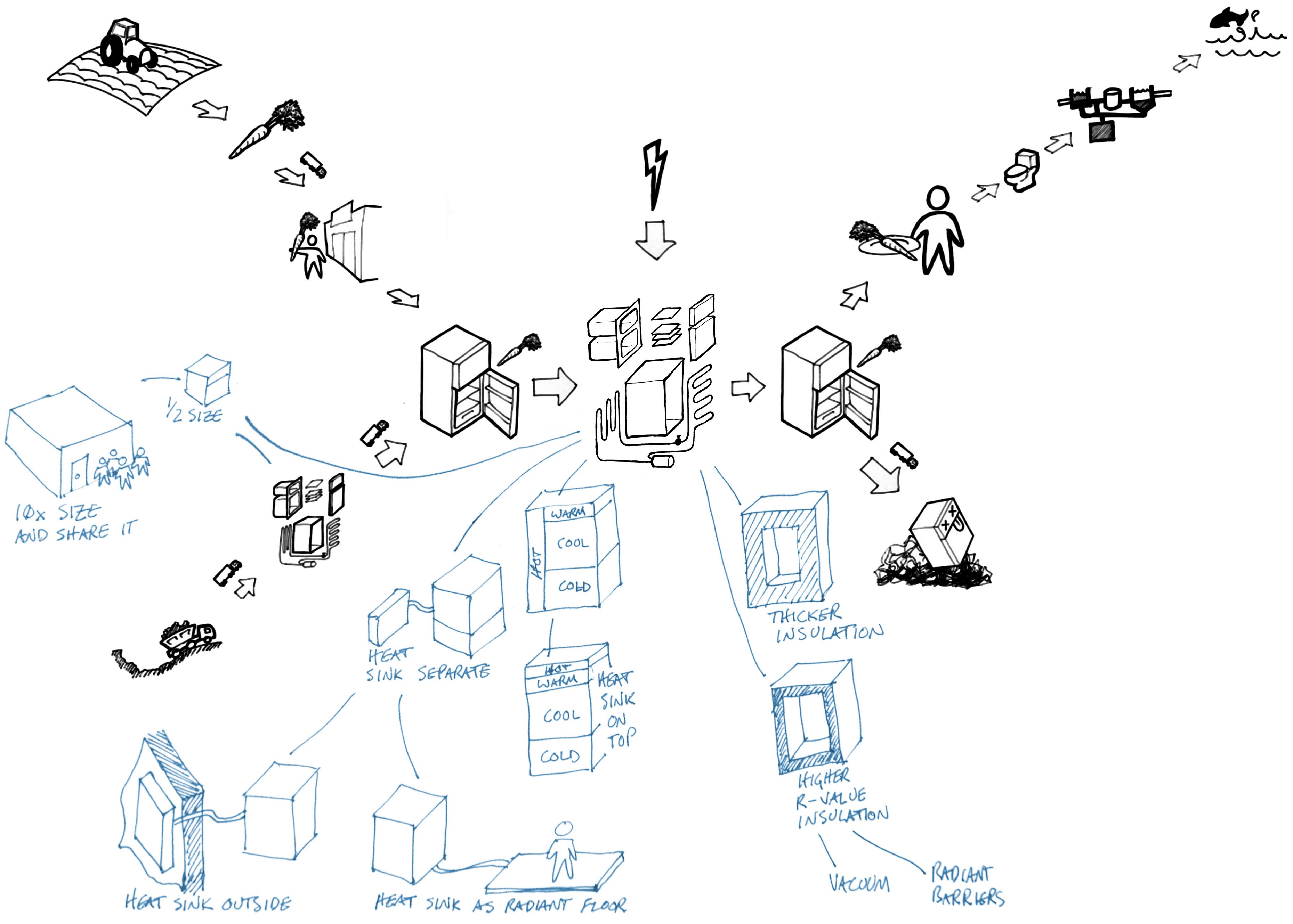
Start by drawing the invisible threads that stitch your business together: every recurring task, tool, handoff and approval. Give each node a speedy score for perceived value and for true cost (time, money, attention). A rough sketch-whiteboard,sticky notes,or a simple spreadsheet-turns opinions into evidence. Focus on connections as much as points: a small, low-value task that touches five systems can create outsized drag. Try these quick mapping moves to get momentum:
- List every repeatable activity for one week
- Estimate minutes and people involved per occurrence
- Label outputs as “impact” (high/med/low)
- Highlight handoffs and rework loops in red
With that map in front of you, the target becomes obvious: items with low impact and high cost are your pruning candidates. A tiny table like the one below helps stakeholders see the trade-offs at a glance and build consensus for cuts or consolidation.
| Component | Value | Cost | Suggested Action |
|---|---|---|---|
| Weekly regional meetups | 2/5 | $1,200/month | Consolidate or test quarterly |
| Custom reporting dashboard | 3/5 | $900/month | automate exports, reduce scope |
| Manual invoice reconciliation | 1/5 | 40 hrs/month | Automate or outsource |
- Automate repetitive chores first
- Consolidate duplicate tools and meetings
- Sunset features or rituals that no longer persuade customers
- Renegotiate vendor contracts tied to low-value services
Set Clear Criteria and Guardrails for What to Remove
Choose standards that remove ambiguity – build a short, shared playbook so every cut is justified, not emotional. Translate judgment into metrics: frequency of use, direct revenue or cost impact, alignment with your mission, and maintenance overhead. When you name thresholds (e.g., “feature used by fewer than X people/month” or “support time > Y hours/month”), you trade opinion for repeatable action and make it safe to prune without second-guessing.
Turn those standards into practical guardrails by codifying a few decision rules and review rhythms:
- Low engagement: under the usage threshold for 90 days
- Negative cost: support or technical debt outweighs value
- Redundancy: duplicates existing functionality or confuses users
- Strategic mismatch: conflicts with your core offerings or brand
Apply the rules consistently, document exceptions, and schedule automatic rechecks so removal becomes a predictable lever for growth rather than a leap of faith.
Run Small Controlled Pruning Experiments and Measure impact
Think of pruning as a micro-experiment: remove a tiny branch to see how the tree reallocates energy. Start with a hypothesis – for example, that trimming a feature or cutting back a marketing channel will improve overall efficiency – and design the smallest change that can still prove it. Run the test on a limited scope,document everything,and keep your lens on the data: small,measurable cuts reveal counterintuitive growth. Useful quick steps to follow include:
- Choose a low-risk target that impacts a single metric
- Set clear success criteria and a fixed timeline
- Prepare a rollback plan before you prune
Measurement is the root of learning: compare before-and-after baselines, watch for short-term shocks and long-term rebalances, and resist attributing every movement to the cut. Use both qualitative signals (customer feedback) and quantitative metrics (conversion, load, cost) and keep a control where possible so you can claim causal insight. A compact tracking table helps teams align quickly:
| Metric | Why it matters | Target |
|---|---|---|
| Conversion Rate | Revenue signal | ±2% |
| Cost per Acquisition | Efficiency | -10% |
| User complaints | Experiance check | no increase |
Keep iterations short, celebrate small wins, and treat each pruning as an experiment that teaches you which cuts really help the whole organism thrive.
Communicate Reductions with empathy Data and a Transition plan

Be transparent with numbers and humanize the impact. Share the data that drove the choice-usage trends, cost-per-feature, or customer cohort performance-alongside real stories that show you understand what people will lose. Presenting clear metrics reduces rumor and fear; layering empathy reduces defensiveness.
- Show the trends that matter, not every spreadsheet.
- Acknowledge who will feel the change and why it hurts.
- Offer visible metrics for success so stakeholders can track progress.
Map the next steps and resources with kindness and rigor. A transition plan should be concrete: timelines, protections, retraining, and a feedback channel. When people see a roadmap and available support, the pain of loss becomes a manageable process and the organization preserves trust.
- Define short-term relief and long-term opportunity.
- List roles, owners, and checkpoints for the transition.
- Commit to follow-up communications and measurable checkpoints.
Institutionalize Pruning with Rituals Incentives and Governance

Think of pruning as a practiced craft, not a one-off chore: create small, repeatable ceremonies that normalize cutting before adding. Designate a cadence – a monthly clear day, a weekly micro-retro, or a quarterly “trim and celebrate” – and attach clear incentives so people show up with scissors, not excuses. Examples include:
- Micro-retros to surface items that no longer serve goals
- Clear days where teams reclaim time by archiving or deleting obsolete work
- Recognition rituals that spotlight contributors who remove complexity
These rituals make pruning visible, reduce emotional friction, and slowly rewrite culture so subtraction becomes as valued as addition.
Governance turns ad hoc cuts into reliable growth: define roles, simple rules of engagement, and a feedback loop that converts reclaimed capacity into strategic opportunities.Use transparent metrics to guide choices and align incentives-public credits,reallocated budget slices,or extra headcount for teams that maintain tidy backlogs.
| Role | Pruning Incentive | Cadence |
|---|---|---|
| Team Lead | Recognition & freed time | Weekly |
| Curator | Budget reallocation | Monthly |
| Budget Owner | Efficiency bonus | Quarterly |
With modest governance and well-tuned incentives, cutting becomes predictable, fair, and strategic – a governance-backed habit that scales better than any unchecked accumulation.
Practical Checklists Templates and Case Examples to Begin Today

Copy this lean pruning checklist into your project board and run it weekly to reclaim time and margin:
- Map value vs. effort: tag features/processes as high/low value and high/low effort to spot pruning candidates.
- Set a simple kill metric: define one KPI that justifies removal (usage < 5% over 90 days, or CAC > LTV threshold).
- Communicate the trade: inform stakeholders with expected benefit and rollback plan before cutting.
- Reallocate capacity: assign freed resources to one focused growth experiment.
Test small, measure fast: a few short case examples show the pattern-cut something small, measure impact, scale what works.
| Case | Cut | Immediate Impact |
|---|---|---|
| SaaS onboarding | Remove redundant email steps | +12% activation |
| Retail assortment | Eliminate low-turn SKUs | +8% gross margin |
| Paid ads | Pause underperforming creatives | +15% ROI |
Use these quick templates to get started today:
- Weekly pruning agenda: 10 min triage, 20 min decision, owner assigned.
- customer feedback filter: three-question form to prioritize signals.
- decision rubric: Impact × Certainty ÷ Effort – prune if score below threshold.
Concluding remarks
Pruning, not piling on, is where steady, durable growth often begins. Whether your tending a garden,a team,or your daily habits,cutting away the excess creates space for what matters to breathe,take root,and strengthen. This is less about loss and more about clarity: a deliberate subtraction that reveals shape, purpose, and possibility.
Start small. Notice what consumes time, energy, or attention without yielding return, and try removing it. Watch how the remaining parts respond – they may stretch into new strength, settle into healthier rhythms, or invite fresh, focused intention.Over time, these careful reductions accumulate into a lighter, more resilient whole.
There’s no single formula; pruning requires observation,patience,and occasional courage. But if you adopt the mindset that growth can be sculpted by subtraction,you’ll find opportunities to refine rather than endlessly expand. In the quiet spaces left behind, the future you want has room to grow.What will you trim first?