


Unlocking your Vision: How to Validate Your Business Idea in One Weekend
In the fast-paced world of entrepreneurship, the journey from inspiration to execution can often feel daunting. With countless ideas swirling in our minds, the crucial first step lies in testing their viability.Imagine condensing this essential process into a single weekend-transforming abstract thoughts into concrete feedback. This article delves into practical strategies and streamlined methods that will empower you to validate your business idea efficiently. Whether your a seasoned entrepreneur or a first-time dreamer, join us as we explore how you can harness your weekend, transform your vision into reality, and ultimately pave the path to future success.
Understanding the Core of Your business Idea
To effectively validate your business idea, you must first delve deep into its core essence. Begin by clearly outlining its unique value proposition-what makes your idea stand out in a crowded market? Identify the specific pain points your product or service addresses, and consider how it will improve the lives of your target audience. Engaging with potential customers early can provide insights that will refine your offering. Conducting brief surveys or informal interviews can reveal whether your assumptions about the market hold true,giving you a clearer picture of the demand.
Next, dive into competitive analysis to understand where your idea fits within the existing landscape. Create a simple comparison table to visualize key competitors and their offerings, focusing on aspects such as pricing, features, and target demographics. This analysis will help you identify gaps in the market that you can exploit. Additionally,consider these elements to solidify your concept:
| Element | Importance |
|---|---|
| Target Audience | Know who your buyers are. |
| Market Demand | Assess the level of interest in your idea. |
| Financial Feasibility | Calculate potential revenue and costs. |
| scalability | Can your idea grow over time? |
Identifying Your Target Audience and Their Needs
Understanding the specific characteristics, preferences, and pain points of your potential customers is crucial for validating your business idea.Start by examining various demographics that could be interested in your product or service. This involves gathering data on factors such as age, gender, location, and income level. A comprehensive approach could include:
- Surveys and Questionnaires: Create simple surveys to gather insights directly from potential users.
- Social Media Polls: Utilize platforms like Instagram and Facebook to engage with your audience and collect feedback.
- Competitor Analysis: Analyse successful businesses in your niche to see who their customers are and what needs they address.
Once you have a clearer picture of your audience, it’s vital to drill down into their specific needs and preferences. This can be accomplished through qualitative research methods that allow you to explore what drives their decision-making. Consider organizing your findings into an easily digestible format. For example, you could use the following table to outline key needs identified during your research:
| Customer Segment | Key Needs | Desired Outcomes |
|---|---|---|
| Young Professionals | Convenience, Quality | Time-saving solutions, Reliable products |
| Busy Parents | Affordability, Accessibility | Budget-friendly options, Easy-to-find resources |
Crafting a Simple Market Survey to Gather Insights
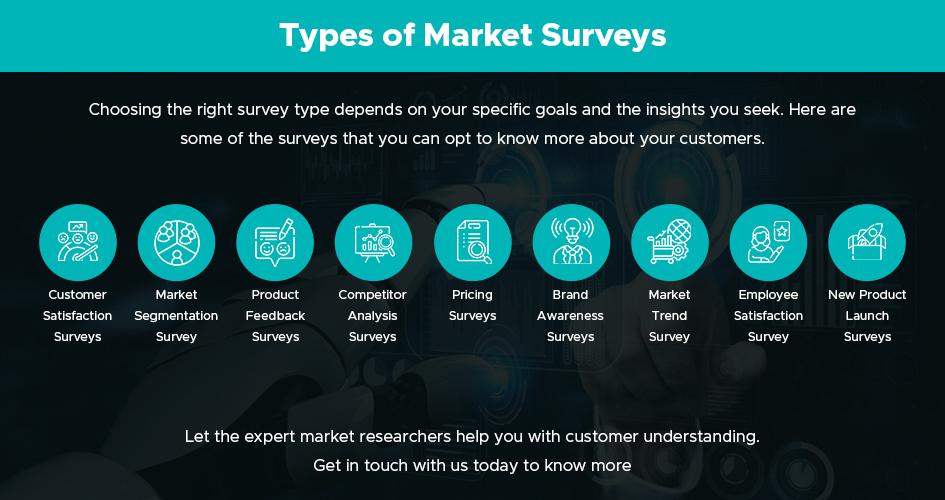
To effectively gather insights from your target audience, start by formulating clear and concise questions. Focus on areas such as customer preferences, pain points, and demographics. select a combination of qualitative and quantitative questions to allow for a more comprehensive analysis. Consider using the following types of questions in your survey:
- Multiple choice questions to gauge preferences
- Rating scales to assess customer satisfaction
- Open-ended questions for detailed feedback
Once your questions are prepared, choose a survey tool that aligns with your needs. Popular platforms such as SurveyMonkey, Google Forms, and Typeform offer user-friendly interfaces for easy data collection. To maximize participation, keep your survey short, ideally under 10 questions, and incentivize responses with small rewards. To illustrate, you can use a simple table to showcase potential incentives:
| Incentive | Value |
|---|---|
| Gift Card | $10 |
| Discount Coupon | 15% |
| Exclusive Content | Free eBook |
Leveraging Social Media for Real-Time feedback

in today’s fast-paced digital landscape,social media platforms are invaluable tools for gathering real-time feedback on your business idea.Leveraging the vast reach and user engagement on platforms such as facebook, Twitter, and Instagram can propel your validation efforts. Begin by crafting a compelling post or poll that succinctly communicates your idea and invites specific feedback. Encourage your followers to share their thoughts by offering an incentive, like a chance to win a small prize or exclusive early access to your product. This not only garners attention but also fosters a community of potential customers invested in your journey.
Use analytics tools provided by these platforms to track engagement levels and assess the data effectively. Create a feedback framework that categorizes responses into actionable insights, such as:
- Likes and Shares: Measure general interest and organic reach.
- Comments: Analyze qualitative feedback for deeper understanding.
- Direct Messages: Engage with respondents for more personalized insights.
By systematically evaluating these metrics, you can pivot your approach quickly as needed, ensuring that your business idea resonates with your target audience before you commit extensive resources.
creating a Minimum Viable Product for quick Testing

To transform your brilliant idea into a tangible product quickly, focus on developing a minimum viable Product (MVP) that encapsulates the core features necessary for testing your concept. Start by identifying the primary problem your idea addresses and the key features that solve it. This process involves prioritizing functionalities that deliver value while minimizing complexity. Use a lean approach to design, keeping in mind the following crucial points:
- Essential features: Determine what’s absolutely necessary for initial testing.
- Rapid Prototyping: Utilize tools like Figma or Adobe XD to create mockups swiftly.
- User feedback: Early user involvement ensures that the product resonates with your target audience.
Once your MVP is defined, dedicate your weekend to building it. Consider utilizing platforms like Bubble or WordPress for a quick setup without extensive coding skills. Remember,the goal is not perfection; rather,it’s to validate your idea through real user interactions. To facilitate this, create a simple framework that reflects your MVP’s features:
| Feature | Description | Status |
|---|---|---|
| User sign-Up | Allow users to register with minimal information. | ✔ Ready for Testing |
| Core Functionality | Implement the main feature addressing user needs. | ✔ In Development |
| Feedback Mechanism | Collect user insights through surveys or direct messages. | ✔ Planned |
Analyzing Competitor Strategies and Market Trends

To effectively validate your business idea, it is indeed essential to analyze what your competitors are doing and to keep an eye on prevailing market trends. Start by identifying your key competitors and scrutinizing their strategies. Take note of their product offerings, pricing structures, and marketing tactics. By understanding their strengths and weaknesses, you can pinpoint opportunities for differentiation and innovation in your own idea. Additionally,consider the following points during your analysis:
- Market Gaps: Are there unmet needs that your competitors aren’t addressing?
- Customer Feedback: What are customers saying in reviews about competitors’ products?
- Trends: Which aspects of the market are currently gaining traction?
Next,step back and evaluate broader market trends that could either support or hinder your business idea. Utilize available tools such as Google Trends and social media analytics to gauge customer interests and evolving preferences. Developing a clear picture of market dynamics will not only refine your offering but also enhance your approach to customer engagement.here’s a brief comparison of market trends to examine:
| Trend | Description | Opportunity |
|---|---|---|
| Eco-friendly Products | Growing demand for sustainable alternatives. | Incorporate green practices into your offerings. |
| Remote Services | Rise in remote working leads to demand for virtual tools. | develop solutions that cater to distant teams. |
| Health and Wellness | increased focus on personal health post-pandemic. | Create products focusing on well-being. |
Reflecting on Feedback to Refine Your Concept

Feedback is an invaluable tool for improving your business concept. Engaging with your target audience or potential users can provide insights that you might not have considered. Create a simple feedback loop by sharing your idea with multiple stakeholders, including friends, family, and industry experts. Their insights may reveal both the strengths and weaknesses of your concept. pay special attention to:
- Clarity: Are people understanding your idea as you intended?
- Relevance: Does your concept solve a real problem for your audience?
- Appeal: How attractive do they find your product or service?
Once you’ve gathered feedback, don’t just sit on it-analyze it critically. Look for patterns in the responses and identify specific areas for improvement. Consider creating a table to visualize the feedback and prioritize changes that can enhance your concept:
| Feedback Aspect | Positive Feedback | Areas for Improvement |
|---|---|---|
| Functionality | User-friendly interface | Need more features |
| Market Fit | Addresses a key pain point | explore niche markets |
| Design | Visually appealing | More color options suggested |
This structured approach will not only help you refine your idea but will also reassure you that you’re on the right path toward creating something meaningful. Engaging thoughtfully with feedback empowers you to pivot your concept into something your market truly desires.
Final Thoughts
validating your business idea in just one weekend is not only possible but entirely achievable with the right approach and mindset. By immersing yourself in a focused blend of research, prototyping, and real-world feedback, you can transform your concept into a more refined and viable venture. Remember, the weekend is just the beginning. Use the insights gained to iterate, pivot, and strengthen your idea further. As you embark on this journey, keep an open mind, embrace constructive criticism, and let your passion guide you.The path to entrepreneurship is as much about learning as it is about execution.So, gather your tools, rally your resources, and take that crucial first step. Your business dream could be just a weekend away from reality. Happy validating!