


In a world were trends flicker by like fireflies, captivating our attention only to vanish moments later, the modern brand faces a pivotal choice: to chase the ephemeral or to cultivate lasting significance. While the allure of the latest craze is undeniable,those that chase trends often find themselves entangled in a relentless cycle,vulnerable to the whims of consumer behavior and market fluctuations. Instead, a more sustainable path beckons-one where businesses redefine their approach by owning a category rather than merely surfacing on the shores of fleeting fads. This article explores the transformative power of category ownership, illustrating how businesses can stand apart in a saturated marketplace, create genuine connections with their audience, and forge a legacy that endures beyond the clamor of the latest trends. Join us as we delve into the strategies and insights that empower brands to rise above the noise and claim their rightful place as leaders in their category.
Exploring the Pitfalls of Trend Chasing
In the fast-paced world of marketing and entrepreneurship, the allure of fleeting trends can be intoxicating. Many businesses fall into the trap of chasing after the latest fads, often sacrificing their identity and core values in the process.This impulsive behavior can led to several challenges,including:
- Brand Dilution: By continuously shifting focus to what’s currently popular,a brand risks losing its unique voice,making it harder for audiences to connect.
- Resource Drain: Time and money spent on trend-surfing could be put towards building a solid foundation and nurturing long-term strategies.
- Reputation Risk: engaging in trends that may not align with audience expectations can lead to backlash and diminished trust.
The consequences of relentless trend chasing can be further highlighted through examining key metrics that often suffer consequently. Consider the following table, wich outlines impacts across different areas:
| Impact Area | Potential Effects |
|---|---|
| Customer Loyalty | Decline in repeat purchases |
| Brand Perception | Loss of authenticity |
| financial Health | Increased costs with little ROI |
Ultimately, businesses must recognize that the race to keep up with trends often comes at the expense of long-term success and stability. By prioritizing category ownership and defining their niche,companies can cultivate deeper connections with their audience while fostering sustainable growth. Establishing a distinctive place in the market allows for greater innovation and lessens the risk associated with trend volatility.
Identifying Your Unique Market Niche
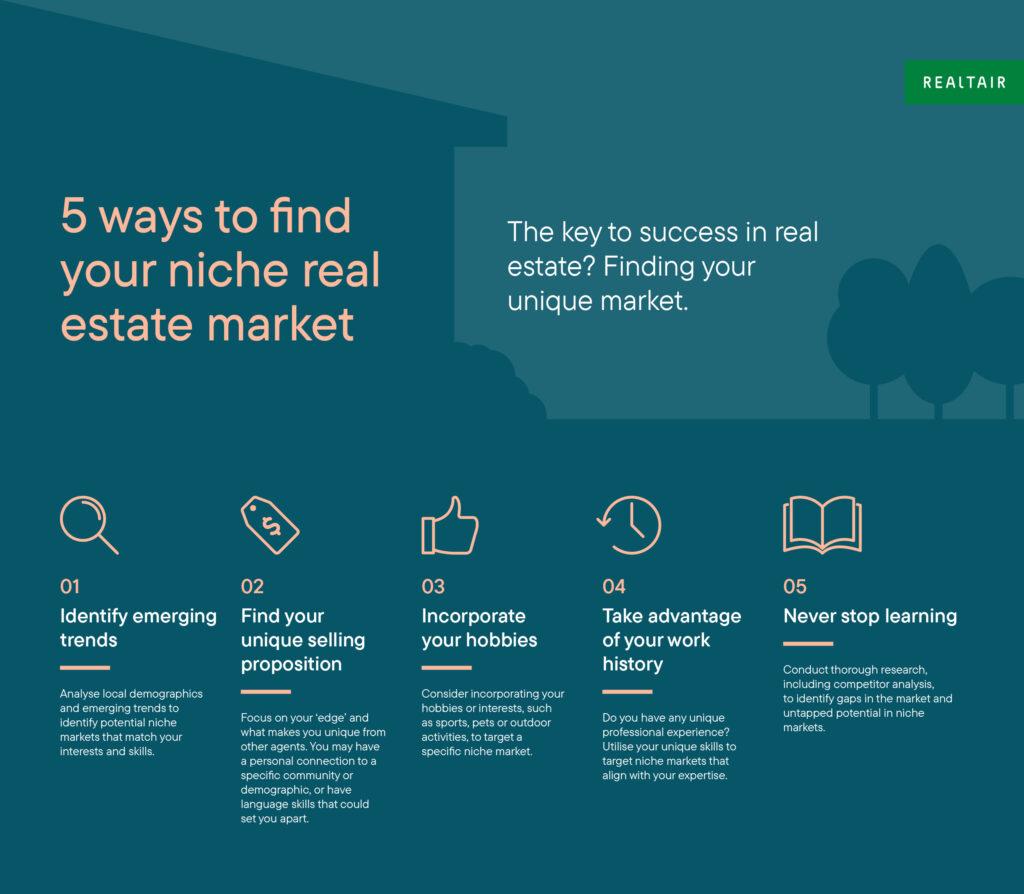
Finding your distinctive spot in the market requires introspection, research, and a little bit of daring. Begin by evaluating your passions and what makes you tick. Consider the following points:
- Your Skills: What do you excel at? List your competencies and experiences that stand out.
- Your Interests: What are you passionate about? Align your products or services with what you truly love.
- Market Gaps: Analyze the current market trends and identify areas that are underserved or overlooked.
After you’ve pinpointed your foundation, conduct thorough market research to affirm your niche’s viability. Utilize qualitative and quantitative data to analyze your target audience and their needs. Here’s a simplified table to illustrate the elements to consider:
| Element | Considerations |
|---|---|
| Target Audience | Age, location, interests, pain points |
| Competitor Analysis | Who are your main competitors? What are their strengths and weaknesses? |
| Market Trends | What are the current trends? How can you provide a unique angle? |
By combining your personal insights with thorough research, you can carve out a niche that not only resonates with you but also fills a genuine need in the market. This fusion enables you to own your category confidently, distinguishing yourself from the crowd.
Cultivating Brand Authority Through Category Ownership

In the fast-paced digital landscape, where trends can shift overnight, establishing category ownership becomes crucial for brands looking to build lasting authority. By identifying and claiming a unique space within a market-whether through innovative product offerings, superior customer service, or exceptional brand storytelling-companies can differentiate themselves from competitors. Instead of merely reacting to industry trends, invest in developing expertise and insights that resonate deeply with your audience. This includes:
- Conducting comprehensive market research to uncover gaps and opportunities.
- Building thought leadership through high-value content like blogs, white papers, and webinars.
- Engaging with your community on platforms where they are most active.
Establishing this ownership also requires a commitment to quality and consistency. Once a brand secures its position, reinforcing it through regular, meaningful engagement is essential. This can be achieved by creating relatable narratives that align with customers’ values and aspirations. A table of actionable strategies for brand authority could look like this:
| Strategy | Description |
|---|---|
| Content Marketing | Develop informative and engaging material tailored to your target audience. |
| Social Proof | Encourage testimonials and reviews to build trust and credibility. |
| Partnerships | Collaborate with influencers or brands that share your values for greater reach. |
By diligently executing these strategies, brands can effectively position themselves as leaders in their respective categories, creating sustainable competitive advantages that outlast fleeting trends.
Strategies for Building a Distinctive Brand Identity

To cultivate a distinctive brand identity, it’s essential to focus on authenticity and clarity in your messaging. Start by deeply understanding your core values and what makes your brand unique. This can involve:
- Creating a compelling brand narrative: tell your story in a way that resonates emotionally with your audience.
- Establishing visual consistency: Use defined color palettes, typography, and logo designs across all platforms.
- Engaging with your audience: Utilize social media and community interactions to gather feedback that shapes your brand’s evolution.
Next, embrace a targeted positioning strategy that steers clear of trends and instead focuses on category ownership. This includes:
- Identifying specific market niches: research to find gaps in the market that align with your brand’s strengths.
- Offering continuous innovation: Regularly update your products or services to meet the changing needs of your audience without losing your essence.
- Building partnerships: Collaborate with like-minded brands or influencers to enhance credibility and reach.
Leveraging Customer Insights for Category Leadership

Understanding your customers on a deeper level is crucial in establishing category leadership. By collecting and analyzing customer insights, brands can tailor their offerings to better meet the needs and desires of their target audience. This involves not only gathering quantitative data but also embracing qualitative feedback that reveals the motivations and emotions behind consumer choices. Implementing tools such as surveys, focus groups, and social listening can unearth valuable perceptions and pain points, allowing you to innovate in ways your competitors may overlook. Use this knowledge to shape your marketing strategies, ensuring every touchpoint resonates with your customers.
By prioritizing these insights, businesses can shift from merely tracking trends to positioning themselves as thought leaders within their categories. Consider the following approaches to maximize customer insights:
- segmentation: Divide your audience into distinct groups based on behaviors, preferences, or demographics.
- Personalization: Create tailored experiences that foster loyalty, demonstrating a commitment to understanding individual needs.
- Feedback Loops: Establish continuous channels for customer feedback to adapt and evolve your strategies dynamically.
These initiatives can lead to a profound understanding of market gaps and emerging opportunities, further solidifying your position as a leader. A strategic combination of these practices not only enhances customer retention but also enables you to predict future trends accurately, positioning your brand at the forefront of the industry.
Measuring Success Beyond Trends: Key Performance Indicators
In the journey to dominate a category, it’s essential to define success not merely through trends but through meaningful metrics that reflect your brand’s unique value. Traditional metrics such as sales volume and website traffic are crucial, yet they do not capture the full picture of your buisness health. Instead, you should focus on a blend of qualitative and quantitative key performance indicators (KPIs) that represent the essence of your brand’s positioning and customer engagement. Consider evaluating indicators like:
- Customer Satisfaction Score (CSAT): Measure how products or services meet customer expectations.
- Net Promoter Score (NPS): Determine the likelihood of customers recommending your brand to others.
- Customer Lifetime Value (CLV): Estimate the revenue a customer will generate over their entire relationship with you.
- Brand Engagement Rate: Assess how actively your audience interacts with your content on various platforms.
To effectively manage these indicators,association and categorization are key. A simple dashboard that consolidates these metrics can streamline your insights and showcase progress in real-time.Here’s an example of how you can organize essential KPIs:
| Indicator | Description | Target Value |
|---|---|---|
| CSAT | Measures customer satisfaction by post-purchase surveys. | 85%+ |
| NPS | Tracks customer loyalty through likelihood to recommend. | 50+ |
| CLV | Predicts total revenue from a customer relationship. | $300+ |
| Engagement Rate | Evaluates audience interaction with your digital content. | 20%+ |
Fostering Innovation: Creating Lasting Value in Your Category

In a saturated market,merely keeping up with fleeting trends can lead to stagnation. instead, organizations should focus on building a unique identity within their category, thus creating a lasting impact.To do this, companies must delve into the essential aspects that differentiate them from competitors. Key strategies include:
- Deep Consumer Insights: Understanding customer needs and behaviors lays the groundwork for authentic innovation.
- Sustainable Practices: Embracing eco-pleasant methodologies not only attracts conscious consumers but also enhances brand reputation.
- Continuous Feedback Loops: Engage with customers regularly to adapt and refine offerings based on their input.
Transforming an organization into a category leader involves embracing a mindset that prioritizes long-term value over short-lived trends. Investing in research and development fuels innovation and fosters a culture of creativity. by leveraging unique strengths, businesses can focus on delivering exceptional experiences that resonate with their audience. Consider the following elements in crafting your strategy:
| Element | Focus Area |
|---|---|
| Brand Story | Craft a narrative that connects emotionally with your target audience. |
| Community Engagement | Build loyal customer relationships through meaningful interactions and contributions. |
| Innovation Pipeline | Establish a robust framework for continuous idea generation and testing. |
Concluding Remarks
In a world buzzing with fleeting trends and the relentless pursuit of what’s next, the wisdom of owning a category stands tall as a beacon of strategic clarity. As we wrap up this exploration, remember that true distinction lies not in the chase, but in the cultivation of a niche that resonates deeply with your brand’s essence and your audience’s needs. While trends may shimmer and fade, a well-defined category has the durability of time, inviting customers to not just observe, but to engage and belong.
So, take a step back from the whirlwind of trends, turn your gaze inward, and focus on what sets you apart. Whether you’re a fledgling startup or an established titan, the choice is yours: to scatter your energy in the chaos of the current or to plant your flag firmly and cultivate a space that reflects your unique vision. Embrace the challenge of category ownership, and watch as the narrative of your brand transforms from one of imitation to one of genuine innovation. The future calls-not to follow trends, but to lead your own market story.