


In an era where technological advancements shape industries at breakneck speed, the concept of leadership is undergoing a radical change. Imagine a corporate landscape where algorithms—not human executives—guide strategic decisions, optimize operations, and steer company culture. Enter the Algorithmic CEO,a pioneering paradigm that challenges the traditional notions of leadership and management.As artificial intelligence continues to evolve and integrate into business practices, organizations are beginning to explore the potential of data-driven governance, raising essential questions about creativity, ethics, and the very essence of what it means to lead. In this article, we will delve into the mechanics of algorithmic leadership, examine case studies of companies embracing this innovative approach, and ponder the implications for the future of work in a world where code takes the helm.
The rise of the Algorithmic CEO in Modern Business
The concept of an Algorithmic CEO is transforming the landscape of modern business, where data-driven decision-making supersedes traditional leadership. By leveraging complex algorithms and machine learning, organizations are able to analyze market trends, customer preferences, and operational efficiencies at unprecedented speed and scale. This shift empowers companies to make informed, real-time strategic choices that minimize the margin of error while maximizing profitability. Key advantages of adopting algorithmic leadership include:
- Increased Efficiency: Automated processes reduce human oversight,enabling faster execution of strategies.
- Data-Driven Insights: Access to insights extracted from vast datasets helps in crafting personalized customer experiences.
- Risk Mitigation: Algorithms can predict potential market shifts and downturns, allowing for proactive measures.
However, the rise of the Algorithmic CEO raises pertinent questions about the future of human leadership in organizations. Will the emotional intelligence and adaptability that human leaders bring become obsolete, or will a symbiotic relationship emerge where algorithms support human decision-making? It is essential to consider the implications of relying on technology in leadership roles, particularly in terms of ethics and accountability. A potential model for understanding this dynamic is illustrated in the table below:
| Aspect | Algorithmic CEO | Human CEO |
|---|---|---|
| Decision-Making Speed | Instantaneous | Time-Consuming |
| Emotional Intelligence | None | High |
| Risk Assessment | data-Driven | Intuitive |
| Operational Scope | Broad | Narrow but Deep |
Navigating Decision-Making in an Automated World
In an era where machine learning and artificial intelligence dominate decision-making processes, organizations are increasingly relying on algorithms to navigate complex business landscapes. These digital decision-makers analyze vast amounts of data at lightning speed, offering insights and predictions that human leaders might take weeks to synthesize. However, this shift dose not come without challenges. Autonomous algorithms can introduce biases based on the data they are trained on and may lack the empathy necessary for nuanced leadership. Striking a balance between algorithmic prowess and human intuition becomes essential, as companies must ensure that their “Algorithmic CEO” understands not just the numbers, but also the context in which they operate.
To effectively integrate algorithmic decision-making into corporate governance, companies should consider establishing clear frameworks that guide how algorithms interact with human employees. This could involve:
- Ethical Guidelines: Defining the moral boundaries within which algorithms must operate.
- Data Diversity: Ensuring training data encompasses a wide range of demographics to minimize bias.
- human Oversight: Implementing checkpoints where human intuition can adjust algorithmic suggestions.
- Continuous Learning: Allowing algorithms to update from real-time feedback, improving their effectiveness over time.
By fostering collaboration between robots and human leadership, organizations can mitigate risks while maximizing the potential of algorithm-driven strategies. A well-structured approach not only empowers the workforce, fostering a culture of innovation and adaptability but also enhances accountability, ensuring algorithms remain aligned with the company’s core values.
Balancing Efficiency and Creativity in Algorithmic Leadership
In a world increasingly dominated by data-driven decisions, the challenge lies in maintaining a harmonious equilibrium between productivity and innovative thought.An algorithmic CEO can systematically analyze vast datasets to identify trends, streamline operations, and enhance overall efficiency. however, reliance on mechanized processes can sometimes stifle the creative instincts that propel a company forward. To navigate this delicate balance, organizations must embrace frameworks that allow room for both algorithmic precision and human-like creativity.
implementing collaborative platforms where human insights complement algorithmic outputs is essential. Companies can utilize approaches such as:
- Brainstorming sessions enhanced by data analytics to inform discussions
- Cross-functional teams that blend diverse skill sets and perspectives
- Innovation sprints driven by algorithmic suggestions yet grounded in human experience
Such initiatives can lead to a dynamic synergy where creativity flourishes alongside efficiency. By fostering an surroundings that values both rigorous analysis and imaginative thinking, algorithmic leadership can transform organizations into agile entities ready to respond to ever-changing markets.
Implementing AI in Corporate Strategies for Optimal Performance
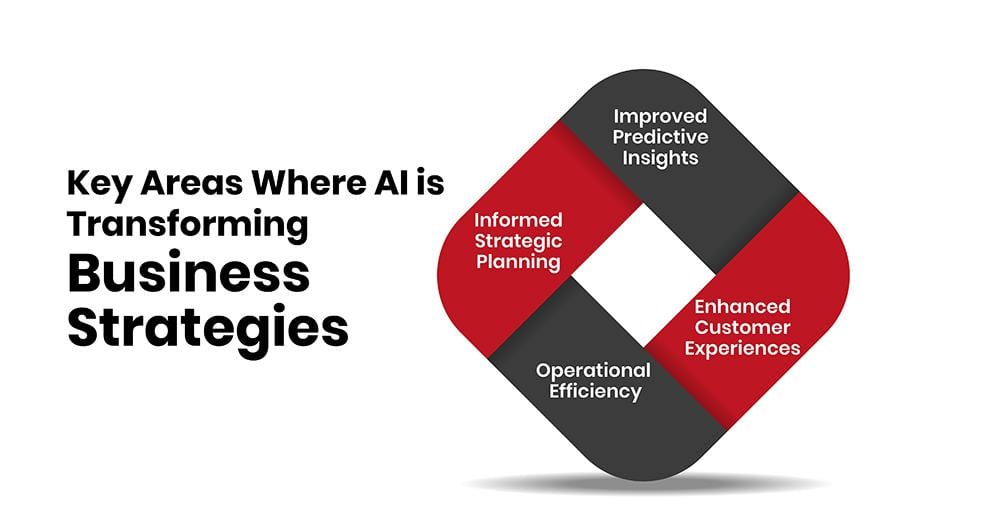
The integration of artificial intelligence into corporate strategies requires a multifaceted approach aimed at enhancing decision-making processes, optimizing resource allocation, and driving innovation. By harnessing advanced algorithms, companies can analyze vast amounts of data to extract valuable insights, which can lead to more precise forecasting and improved operational efficiency. Businesses can benefit from AI systems that facilitate real-time analytics, allowing them to adapt swiftly to market changes and consumer trends. Key areas where AI can be effectively implemented include:
- Predictive Analytics: Utilizing past data to forecast future trends.
- Automated Decision-Making: Enabling real-time responses without human intervention.
- Personalized Marketing: Tailoring strategies based on consumer behavior insights.
Implementing AI also entails cultivating an organizational culture that embraces change and innovation. To ensure accomplished deployment, it is indeed critical to establish a clear framework that aligns AI initiatives with overarching business objectives. Collaborating with cross-functional teams fosters an environment of shared knowlege and collective problem-solving. A structured evaluation can be conducted through a table format, outlining various performance metrics that demonstrate AI’s impact:
| Metric | Before AI Implementation | After AI Implementation |
|---|---|---|
| Decision-Making Speed | Days | Minutes |
| Cost Reduction | 20% | 40% |
| Customer Satisfaction Score | 75% | 90% |
Addressing Ethical Concerns in Algorithm-Driven Management
As organizations increasingly entrust critical decisions to algorithms,it is imperative to confront the ethical implications of this transition. the algorithmic approach may streamline processes and optimize performance, but it raises notable concerns related to openness, accountability, and bias. The lack of visibility into the decision-making algorithms can create a black-box scenario where employees and stakeholders are left questioning the rationale behind decisions that affect their lives. Moreover, if these algorithms are trained on biased data, it could perpetuate and exacerbate existing inequalities within the workplace. Addressing these issues demands a proactive stance from companies to ensure that their algorithmic systems adhere to ethical standards,fostering a culture where data-driven decisions reflect the diversity and values of the workforce.
To tackle these ethical challenges, organizations should implement strategies that prioritize fairness and inclusivity in their algorithmic frameworks. This can include establishing a dedicated ethics board to oversee algorithmic processes, conducting regular audits to detect and rectify biases, and engaging with employees to gather diverse perspectives on algorithmic outcomes. Moreover, companies should emphasize explainability, ensuring that employees can understand how decisions are made and the criteria influencing those choices. By adopting a complete ethical framework that encompasses these principles, organizations will not only enhance their internal cultures but also build trust among stakeholders, paving the way for a more equitable application of algorithmic management.
Preparing the Workforce for a Future with Automated Leadership

The convergence of technology and business has reached an unprecedented point, creating a compelling need to transition our workforce into a new era characterized by automated decision-making and leadership. Companies must focus on upskilling their employees to thrive alongside clever systems, allowing them to leverage data analytics and artificial intelligence as invaluable resources. To effectively prepare the workforce for this transformation, organizations should prioritize:
- Continuous Learning: Encourage an environment where employees engage in regular training programs to enhance their technological literacy and adapt to evolving digital tools.
- Collaboration: Foster interdisciplinary teamwork, ensuring that diverse skill sets are combined to address complex challenges collaboratively.
- Adaptability: Cultivate a culture that welcomes change and flexibility, allowing teams to pivot strategies effortlessly as algorithms take over more routine leadership tasks.
Implementing structured development frameworks is crucial for a seamless transition. by creating a roadmap for training initiatives and defining clear roles in an automated environment,organizations can maintain productivity while embracing innovation. A well-structured approach could involve:
| Focus Area | Training Type | Frequency |
|---|---|---|
| data Analytics | Workshops | Monthly |
| Leadership Skills | Online courses | Quarterly |
| Collaboration Tools | Hands-on Sessions | Bi-weekly |
By committing to these strategies, businesses can ensure that their workforce is not only ready for automation but can also lead its implementation effectively, thus paving the way for a future harmonized with both advanced technologies and human ingenuity.
Q&A
Q&A: The Algorithmic CEO – Running a Company Without Human Leadership
Q1: What is the concept of an Algorithmic CEO?
A1: The Algorithmic CEO represents a bold paradigm shift in corporate leadership wherein artificial intelligence algorithms take the helm of decision-making processes traditionally belonging to human leaders. By managing everything from resource allocation to strategic planning, these digital entities leverage vast datasets to optimize company performance, ensuring efficiency and adaptability in a rapidly changing market.
Q2: How does an Algorithmic CEO operate differently from a human CEO?
A2: Unlike human CEOs, who may blend intuition, experience, and emotional intelligence into their decision-making, Algorithmic CEOs rely purely on data-driven algorithms. They process vast amounts of information in real-time, identifying patterns and predicting outcomes with a level of efficiency and speed impossible for humans.This eliminates biases that can sometimes cloud human judgment, but it may also lack the empathy and contextual awareness that human leaders bring to interpersonal interactions.
Q3: What are the potential benefits of having an Algorithmic CEO?
A3: The benefits are numerous. an Algorithmic CEO can enhance operational efficiency, reduce human error, and streamline decision-making processes.by maximizing data utilization, it can uncover insights that lead to more effective strategies. Moreover, companies could see a decrease in turnover costs and overhead expenses as algorithms do not require salaries, benefits, or time off.
Q4: Are there specific industries that would benefit most from an Algorithmic CEO?
A4: While any industry can theoretically benefit from an Algorithmic CEO, industries heavily reliant on data, such as finance, logistics, and technology, may see particularly significant advantages. For instance, in finance, machine learning can analyze stock movements much faster than a human could, allowing for rapid trading decisions. Similarly, in logistics, algorithms can optimize routes and inventory management, saving both time and resources.
Q5: what challenges might arise from employing an Algorithmic CEO?
A5: Several challenges accompany the rise of Algorithmic CEOs. Primary concerns include the potential loss of jobs traditionally held by human leaders and the ethical implications of decision-making devoid of human compassion. Additionally, there are risks involved with data privacy and security, and also the question of accountability—if an algorithm makes a detrimental business decision, who is responsible? These ethical dilemmas require careful consideration as businesses navigate this technological frontier.
Q6: How can companies prepare for the transition to an Algorithmic CEO model?
A6: Preparation for this transition involves investing in technology and training. Companies need to assess their data infrastructure, ensuring they have the right systems in place to properly feed and support an Algorithmic CEO. Moreover,training existing employees to work alongside these systems is crucial.Understanding how to interpret the data and insights generated by an Algorithmic CEO will be key to leveraging its full potential.
Q7: Will there still be a place for human leadership in companies using an Algorithmic CEO?
A7: While the Algorithmic CEO can carry out many operational tasks, human leadership is highly likely to endure in areas that require emotional intelligence, creativity, and relationship-building. Hybrid models may emerge,where Algorithmic CEOs handle data-intensive tasks while humans focus on corporate culture,vision,and strategic relationships. This synergy can combine the strengths of both artificial intelligence and human insight, possibly leading to more innovative and resilient organizations.
Q8: What does the future hold for companies with Algorithmic CEOs?
A8: The future could see a blend of enhanced efficiency and innovation, as Algorithmic CEOs become more integrated into corporate structures.As technology progresses, these systems may evolve to take on more complex and strategic roles, potentially leading to entirely new business models. However, as we embrace this shift, it will be crucial to navigate the non-technical implications of reducing human roles in leadership, ensuring that ethical considerations remain at the forefront of corporate governance.
The Way Forward
In a world where technology has become intricately woven into the fabric of our daily lives, the emergence of the Algorithmic CEO challenges our traditional notions of leadership and management. As we have explored, the potential for artificial intelligence to guide corporate strategy and decision-making offers both unprecedented opportunities and significant ethical considerations. The Algorithmic CEO not only redefines efficiency and response times but also sparks vital discussions about accountability,creativity,and human intuition in business.
Looking ahead, we must ponder whether this innovative paradigm can genuinely thrive in the complex landscape of human emotions, societal values, and ever-evolving market dynamics. As organizations experiment with this unique blend of technology and leadership, the outcomes will undoubtedly shape the future of corporate governance. Thus, in our quest for progress, we are reminded that while algorithms may lead, it is indeed the human experience that ultimately defines the journey. The evolution of the Algorithmic CEO is not merely about replacing human leaders but about exploring new frontiers where technology and humanity can coexist in pursuit of greater innovation and understanding.