


In a marketplace once dominated by the glitz and glamour of high-priced luxury brands, a quite revolution is brewing beneath the surface. The allure of ostentatious wealth has long dictated consumer behavior, creating an impenetrable barrier between the elite and the everyday shopper. Yet, an emerging trend is challenging this age-old paradigm: the rise of “affordable prestige.” This innovative approach to branding juxtaposes the essence of luxury—exclusivity, craftsmanship, and identity—with accessibility, enabling a new generation of consumers to indulge in the semblance of high-end living without the exorbitant price tags. As these faux luxury labels carve out their niche, they are not just reshaping consumer perceptions; they are disrupting the very fabric of established big brands.In this article,we will delve into the mechanics of this intriguing phenomenon,exploring how “selling fake luxury” is not merely about imitation,but rather a compelling commentary on modern consumerism and the evolving concept of value in an increasingly democratized world.
Emergence of Affordability in the Luxury Market
The contemporary consumer landscape has witnessed a seismic shift, as the traditional barriers of entry into luxury markets begin to dissolve. The rise of affordable prestige brands has altered perceptions of opulence, making it more accessible to a broader audience. Young shoppers, driven by social media and the influence of peer endorsement, often prioritize experiences over exclusive brand loyalty, prompting a new era where affordability intersects with luxury appeal. these brands adeptly blend high-quality materials with smart marketing strategies,offering products that resonate with aspirational consumers without the exorbitant price tag.
Below are some key components contributing to this transformation:
- Social Media Influence: Platforms like Instagram showcase affordable luxury, allowing consumers to curate their lives around aspirational aesthetics.
- Sustainability: Many consumers are now gravitating towards brands that prioritize eco-friendly practices, even within the luxury segment.
- direct-to-Consumer models: Cutting out middlemen allows brands to offer luxury-quality products at more attainable prices.
Moreover,the competitive landscape has compelled established luxury brands to reconsider their pricing strategies and product offerings. some have introduced diffusion lines, which are essentially budget-friendly versions of their premium collections, while others have ventured into collaborations with streetwear labels to attract younger demographics. This evolution has resulted in a fascinating ecosystem where the lines between luxury and affordability are increasingly blurred. The table below highlights how established brands are responding:
| Brand | Strategy |
|---|---|
| Gucci | Collaborations with streetwear brands |
| Chanel | Introduction of mid-tier accessory lines |
| Dolce & Gabbana | Seasonal sales with limited edition items |
Understanding the Psychology Behind Affordable Prestige
The allure of luxury has long captured the creativity of consumers, positioning it as a symbol of success and sophistication. However,with the rise of “affordable prestige,” a psychological shift is occurring where the traditional values associated with luxury are being redefined. Consumers are increasingly drawn to brands that offer a taste of opulence without the sky-high prices, allowing them to satisfy their desire for status while maintaining financial prudence. This phenomenon taps into the social identity theory, where individuals find greater self-esteem through their association with high-status products, even if those products are strategically positioned as affordable alternatives. The cleverly crafted branding and marketing strategies of these faux-luxury brands resonate with a broader audience, enticing consumers to gravitate toward them, frequently enough overlooking the intrinsic value of established luxury brands.
Moreover, the concept of perceived value plays a pivotal role in this equation. To many, the idea of acquiring prestigious items at accessible prices aligns with their aspirations — they feel empowered and valued, as if they belong to an elite circle without the financial burden. Budget-friendly brands thrive on creating an illusion of exclusivity through elaborate packaging, limited editions, and aspirational marketing campaigns, leaving consumers to question the authenticity of luxury itself. This shift challenges conventional brand loyalty as customers continuously navigate a marketplace where the lines between genuine luxury and mass-produced prestige are blurred. Companies that successfully capitalize on this trend not only disrupt traditional luxury brands but also redefine what it means to achieve the “good life” in contemporary society.
Strategies for Authentic Brands to Compete Effectively

In a marketplace increasingly dominated by the allure of affordable prestige, authentic brands must adapt their strategies to maintain relevance and engage consumers. one effective approach is to enhance brand transparency, allowing customers to understand the craftsmanship and materials behind their products. By sharing authentic stories that highlight the brand’s heritage and values, companies can forge deeper connections with their audience. Additionally, incorporating sustainability practices into the production process not only appeals to modern consumers but also reinforces the brand’s integrity. Brands can further differentiate themselves through unique collaborations that reflect their authenticity and resonate with their target market.
Another vital strategy is to leverage technology to create immersive brand experiences. Utilizing social media platforms and virtual reality can foster community engagement and allow consumers to interact with the brand on a personal level. Building a loyal community around the brand’s ideals enhances customer retention and word-of-mouth marketing.To illustrate these strategies,here is a simple comparison of traditional versus modern approaches:
| Traditional Approach | Modern Approach |
|---|---|
| Top-down marketing | Community-driven engagement |
| Limited transparency | High transparency and storytelling |
| Focus on prestige | Emphasis on sustainability |
The Role of Social media in Shaping Consumer Perceptions

The rise of social media has fundamentally altered the landscape in which consumers form their opinions about brands, particularly in the luxury market. Platforms like Instagram, TikTok, and Pinterest have become integral to the way individuals perceive prestige and value. By showcasing aspirational lifestyles, influencers often promote a concept where luxury is not solely tied to high prices but can also be achieved through more accessible purchases. This shift has led consumers to prioritize personal resonance and emotional connection over traditional markers of luxury.
As a result, many brands are now under pressure to adjust their marketing strategies to compete with “affordable prestige” offerings. In this environment, social proof emerges as a critical element; when consumers see peers or influencers endorsing more accessible substitutes, their perception of value transforms.The implications are clear: consumers are increasingly drawn to brands that foster community and relatability rather than exclusivity. Here’s how social media shapes these perceptions:
- Influencer Engagement: Influencer partnerships amplify product visibility and credibility.
- UCG (User-Generated Content): Consumers trust peer experiences over traditional advertising.
- Brand Transparency: Authentic dialog fosters loyalty and encourages consumer participation.
Navigating Ethical Considerations in the Age of Imitation

As the lines between authenticity and imitation blur, the challenge of navigating the ethical implications of this phenomenon becomes increasingly complex. Luxury brands that once thrived on exclusivity are now facing competition from entities that leverage the allure of prestige at a fraction of the cost. This has led to critical conversations around the value of genuine craftsmanship versus the appeal of “affordable prestige.” Stakeholders must grapple with questions around consumer responsibility, brand integrity, and the impact on artisans who dedicate their lives to creating genuine luxury goods.
The widespread acceptance of imitative luxury goods brings forth a series of potential repercussions for both consumers and producers. Ethical considerations include:
- Sustainability: Do cheap imitations contribute to environmental degradation through mass production?
- Cultural Dilution: Is the essence of traditional craftsmanship endangered by the rise of easily replicated designs?
- Economic Impact: How do affordable alternatives affect the livelihood of skilled artisans and premium brands?
A closer examination reveals a delicate balance between accessibility and authenticity, prompting an urgent need for dialogue among consumers, brands, and regulatory bodies. in this evolving landscape, establishing ethical standards may not only protect creative innovation but also redefine what luxury truly means in contemporary society.
Future Trends: Where Luxury and Accessibility Will Converge
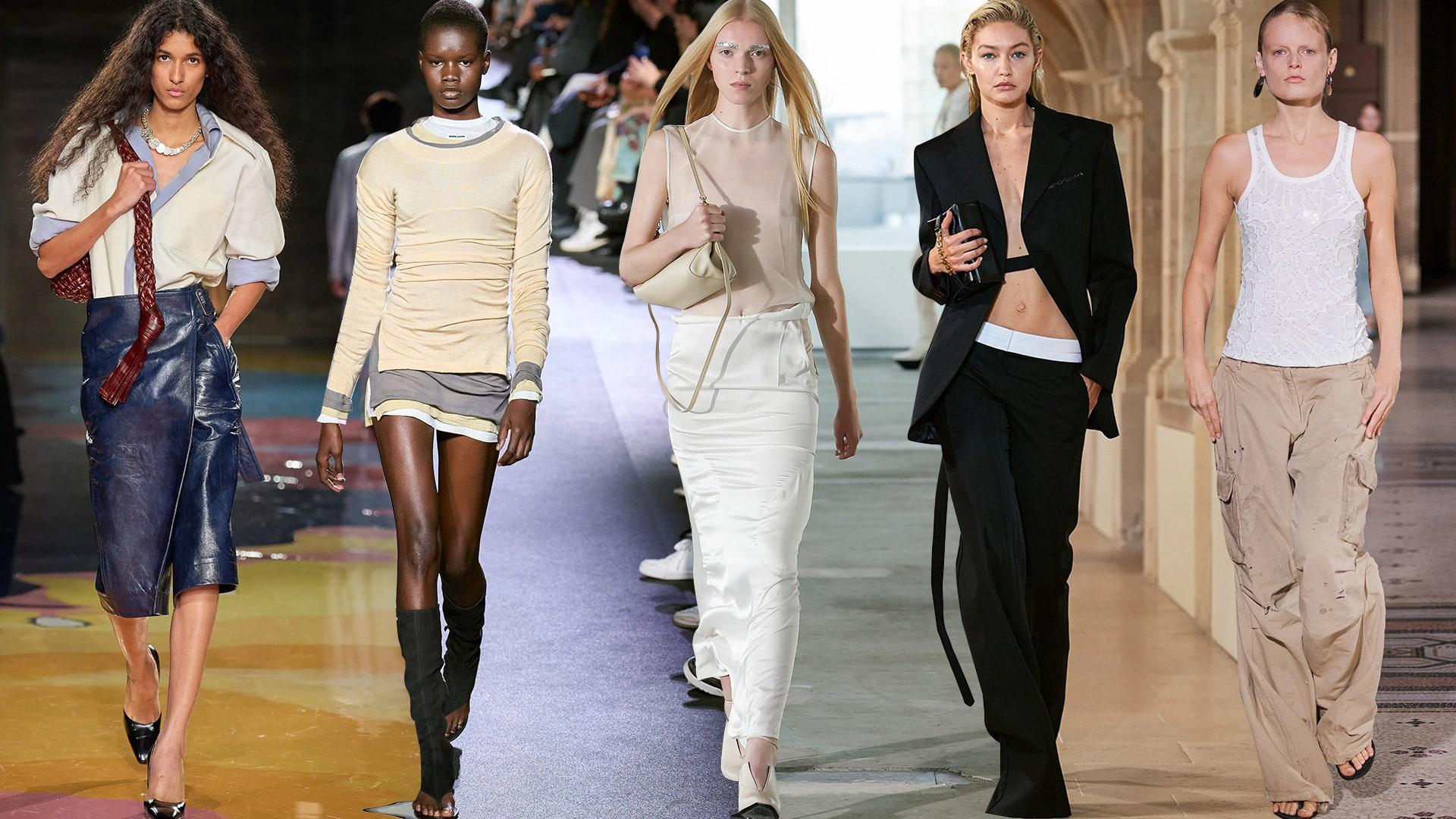
As consumer preferences evolve, the lines between luxury and accessibility are beginning to blur. Today’s discerning shoppers seek out products that embody both prestige and affordability,prompting brands to rethink their strategies. the emergence of this “affordable prestige” movement reflects a growing desire for quality experiences that don’t compromise on style.Companies that traditionally held a monopoly on luxury are responding to these shifts by re-evaluating their price points and brand ethos, striving to maintain exclusivity while also expanding their outreach to a broader audience. Innovative materials, sustainable practices, and enhanced digital engagement are becoming essential features of modern luxury, enabling the fusion of high-end aesthetics with wallet-friendly options.
This convergence can be observed across various categories, from fashion to home goods, where brands are adopting a more inclusive model to attract the next generation of consumers. Here are some aspects driving this trend:
- Democratization of Design: Aspiring designers are utilizing online platforms to reach a global audience, promoting exclusive yet affordable collections.
- Sustainable Luxury: Eco-conscious consumers are prioritizing brands that offer luxury items with ethical sourcing and production methods.
- Personalization: Customization options allow customers to feel a sense of ownership and uniqueness in their purchases, enhancing the perceived value.
| Trend | Description |
|---|---|
| Inclusive Marketing | Brands are actively seeking diverse representations in their advertising campaigns. |
| Tech Integration | Luxury retail is harnessing technology to enhance customer engagement and streamline the shopping experience. |
Q&A
Q&A on “Selling Fake Luxury: How ‘Affordable Prestige’ is Disrupting Big Brands”
Q1: What exactly is “affordable prestige”?
A1: “Affordable prestige” refers to a market trend where brands offer products that mimic the luxury appeal—think high-quality materials, complex designs, or unique branding—at a fraction of the price of traditional luxury goods. This phenomenon caters to consumers who desire the prestige associated with luxury items but either find them financially out of reach or simply do not wish to invest heavily in them.
Q2: How has the rise of affordable prestige impacted traditional luxury brands?
A2: The emergence of affordable prestige has posed a notable challenge to traditional luxury brands, which once enjoyed near-monopolistic control over the high-end market. These established brands are facing increased competition from lower-priced alternatives that successfully capture the essence of luxury while remaining accessible. This shift has led to luxury brands reevaluating their pricing strategies and brand positioning to retain their market share.
Q3: Who are the key players in the affordable prestige market?
A3: This market comprises a mix of innovative start-ups and established mid-tier brands that have pivoted towards offering luxury-inspired products. Brands like Reformation in fashion or Everlane in apparel have thrived by blending ethical manufacturing practices with high-end designs, appealing to a consumer base that values both style and sustainability. Additionally, direct-to-consumer brands are further amplifying this trend by leveraging online platforms to reach a wider audience.
Q4: What are the psychological factors driving consumers towards affordable prestige?
A4: Consumers are motivated by a desire for social signaling; owning items that imply a connection to luxury can enhance one’s status without the associated financial burden. Additionally, with the rise of social media, individuals are eager to showcase their curated lifestyles, and affordable prestige products allow them to do so without overspending. This democratization of luxury has empowered consumers to express their identities and aspirations through the products they choose.
Q5: Are there any ethical concerns surrounding the production of affordable luxury items?
A5: Indeed, while many affordable prestige brands pride themselves on transparency and sustainability, others may cut corners in production, leading to ethical dilemmas regarding labor practices and material sourcing. Consumers are increasingly scrutinizing brands for ethicality, pushing many to adopt more sustainable practices or risk losing their reputable status. As the market matures, the challenge will be to balance affodability with ethical manufacturing.
Q6: How are traditional luxury brands responding to the pressure from affordable alternatives?
A6: In response, many traditional luxury brands are adopting strategies such as introducing more accessible product lines, diversifying their offerings, or launching limited-edition collaborations that entice a broader audience. Some are also enhancing their branding efforts to focus on the unique heritage and craftsmanship of their products, reinforcing the idea that true luxury justifies its price point.
Q7: What does the future of luxury look like amid the rise of affordable prestige?
A7: The future of luxury likely includes a spectrum of offerings that appeal to diverse consumer needs—traditional high-end brands may coexist with a vibrant array of affordable prestige products, each serving distinct markets. As consumer values evolve, luxury branding may need to adapt through innovation in experiences, sustainability, and inclusivity, requiring both big brands and newcomers to stay attuned to shifting societal expectations.
Final Thoughts
In a world increasingly driven by notions of accessibility and inclusivity, the rise of “affordable prestige” marks a significant shift in both consumer behavior and brand strategy. As the lines between true luxury and its affordable mimics blur, consumers are redefining what it means to indulge in prestige. Big brands,once impervious to market disruption,now find themselves navigating a landscape where authenticity is challenged by the allure of affordable opulence.As we move forward, this evolving dynamic raises important questions: What does it mean for the future of luxury? Will traditional powerhouses adapt to an era where prestige is no longer dictated by price tags? One thing is certain: the allure of “fake luxury” is not merely a fleeting trend but a harbinger of change in our culture, inviting both opportunity and introspection within the industry.
In exploring this phenomenon,we open the door to a broader conversation about value,identity,and aspiration. It’s a revealing moment for consumers and brands alike, where the meaning of luxury transcends traditional boundaries, ultimately inviting everyone to partake in the dream, regardless of the price. As we close this chapter, we invite you to consider the implications of this shift—not just for brands, but for the very essence of luxury in our lives.