

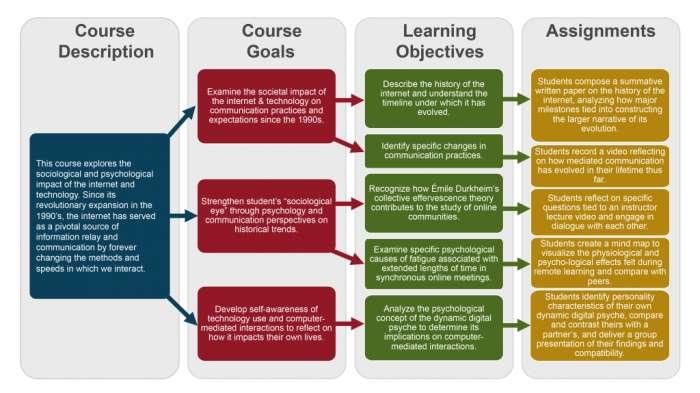

In the ever-evolving landscape of digital learning,the allure of creating a six-figure online course has captured the inventiveness of entrepreneurs adn educators alike. With the world increasingly turning to online platforms for knowledge and skills growth,the potential to transform expertise into a lucrative business has never been more tangible. But what does it truly take to build an online course that not only resonates with learners but also generates meaningful revenue? In this article,we will unveil the blueprint for crafting a successful six-figure online course,exploring essential elements such as market research,course design,marketing strategies,and more. Whether you are a seasoned educator or an industry expert looking to share your knowledge, we aim to guide you through the essential steps that can propel your online course from concept to income. Join us as we embark on this journey to unlock the secrets of creating a thriving educational experience that pays off.
Understanding Your Audience’s Needs

Identifying the precise needs of your audience is the cornerstone of a successful online course. Start by conducting surveys or interviews to gain direct insight into their challenges, goals, and learning preferences. Leverage tools like social media or forums to gather qualitative data. By understanding what your potential students are eager to learn or struggle with, you can tailor your content to resonate with their needs, ensuring a higher engagement rate. Consider organizing your findings in a user-friendly format, such as a table, to clearly illustrate specific requirements.
| Audience Needs | Preferred formats |
|---|---|
| Expertise in a specific topic | Video tutorials, live Q&A |
| Networking opportunities | Discussion forums, Group projects |
| Practical applications | Hands-on workshops, Case studies |
Moreover, consider segmenting your audience to develop highly targeted messaging. This could involve creating personas that reflect different demographics, skills, and aspirations. By analyzing the data collected from your audience, you can develop thorough learning paths that cater to these personas. For instance,a novice may prefer step-by-step guidance,while an advanced learner might seek more complex topics. tailoring your course accordingly not only enhances learner satisfaction but also increases the likelihood of referrals and repeat customers.
Crafting Compelling Course Content

to truly engage your audience and elevate your online course, it’s essential to focus on the quality and structure of your content. Start by defining clear learning objectives that provide direction and purpose for your students. this not only enhances their understanding but also keeps them motivated. Incorporate various multimedia elements-such as videos, infographics, and interactive quizzes-to create a rich learning experience. here are some key components to weave into your content:
- Real-World Examples: Use case studies and personal anecdotes to ground your lessons.
- Actionable Insights: Offer steps that learners can implement immediately.
- Engaging Activities: Integrate exercises that promote self-reflection or group collaboration.
your course should not just deliver information but rather facilitate conversion. To keep students’ attention, maintain a dynamic pacing throughout your modules.Break down complex topics into digestible sections and incorporate visual aids that supplement textual content. Here’s a simple table outlining different content formats and their objectives:
| Format | Purpose |
|---|---|
| Video Tutorials | Visual explanation of concepts |
| Quizzes | Assessment of learner retention |
| Podcasts | In-depth discussions on topics |
| PDF Handouts | Summary of key points and strategies |
Designing an Engaging Learning Experience
Creating a captivating online course hinges on your ability to engage learners in a way that feels both personal and interactive. To achieve this, consider incorporating a variety of multimedia elements, such as videos, infographics, and podcasts, into your course framework. These diverse formats cater to different learning styles and keep the content fresh, helping to maintain interest over time. Additionally, fostering a sense of community among participants can greatly enhance the learning experience. You might include:
- Discussion forums for collaborative learning
- Live Q&A sessions to address immediate concerns
- Assessment quizzes that reinforce key concepts
Another critical element in ensuring engagement is the implementation of clear pathways through the course material. A well-organized structure not only guides learners but also helps them track their progress. Consider using a table to outline course modules, which can serve as a roadmap for students:
| Module | Topics Covered | Assessment Type |
|---|---|---|
| Module 1 | Introduction to Key Concepts | Quiz |
| Module 2 | Practical Applications | Project Submission |
| Module 3 | Advanced Techniques | Final Exam |
By combining varied content formats with a structured approach, you’ll not only empower your learners but also pave the way for a successful course that resonates well with your audience.
Marketing Strategies to Launch Your Course
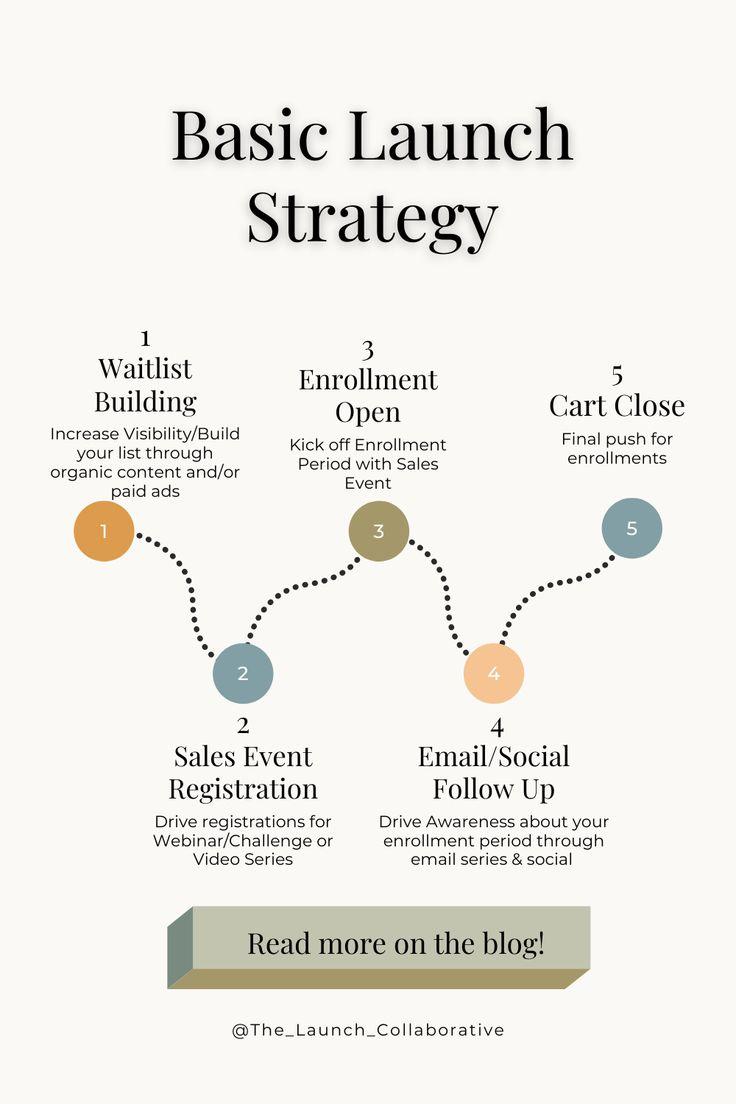
To ensure a successful launch of your online course, it’s essential to implement a multi-faceted marketing strategy that resonates with your target audience. Start by building a compelling landing page that clearly outlines the benefits of your course. This page should feature captivating visuals and testimonials from beta testers if possible. Consider these tactics:
- Email Marketing: Develop an email list by offering a freebie or a mini-course, and nurture these leads with valuable content leading up to your launch.
- Social Media Engagement: use platforms like Instagram,Facebook,and LinkedIn to create buzz around your course. Share behind-the-scenes content,sneak peeks,and launch countdowns.
- Webinars or Live Q&A Sessions: Host live sessions to provide value and engage directly with your audience, addressing their queries regarding the course.
Additionally, consider leveraging strategic partnerships to amplify your reach. Collaborate with influencers or brands that align with your course content to tap into their audiences. Here’s a simple overview of potential promotional channels:
| Channel | Benefits | Considerations |
|---|---|---|
| Email Campaigns | Direct dialog with interested leads | Ensure compliance with email regulations |
| Social Media ads | High visibility and targeted reach | Budget constraints and ad fatigue |
| affiliate Marketing | Expand reach through established networks | Monitor quality and performance |
Leveraging Technology for Seamless Delivery

In today’s fast-paced digital landscape, technology serves as the backbone of an efficient delivery system for online courses. By employing innovative tools, course creators can streamline processes, enhancing the learning experience for their audience. Consider integrating the following elements into your delivery strategy:
- Learning Management Systems (LMS): Platforms like Teachable or Thinkific allow you to host, protect, and manage your course content with ease.
- automation Tools: Utilize tools such as Zapier or Mailchimp to automate email marketing and engagement, driving consistent communication with learners.
- Video Hosting Services: Leverage reliable platforms like vimeo or Wistia that provide high-quality video delivery and analytics.
- Interactive Elements: Incorporate quizzes, polls, or discussion forums using tools like Google Forms or Discourse to foster engagement and community.
Furthermore, a robust technology setup should embrace analytics to gauge learner engagement and content effectiveness. By measuring metrics such as completion rates and user feedback, you can continuously refine your offerings. Here’s a simple overview of essential KPIs to monitor:
| Key Performance Indicator (KPI) | Description | Importance |
|---|---|---|
| Course Completion Rate | Percentage of students who complete the course. | indicates the effectiveness of content and student engagement. |
| Enrollment growth | Rate of new enrollments over time. | Reflects the demand and popularity of your course. |
| Average Course Rating | Students’ average feedback rating on course content. | Identifies strengths and areas for betterment. |
Building a Community for Sustained Engagement
Creating a vibrant community around your online course is essential for fostering genuine engagement and long-term success. When learners feel they are a part of something bigger, they are more likely to participate actively and share their experiences with others. To build this sense of community, consider implementing interactive forums and social media groups where students can ask questions, share insights, and collaborate on projects. Here are some strategies to enhance community interaction:
- Host regular live Q&A sessions to address queries and gather feedback.
- Encourage students to share their successes and challenges via weekly showcases.
- Offer incentives for participation, such as discounts on future courses or exclusive content.
- Utilize polls and surveys to gather insights and tailor content to community needs.
Incorporating these elements can help you create a dynamic ecosystem where learners thrive. Moreover, utilizing engagement metrics can provide you with insights into community health. Consider setting up a simple feedback loop where users can share their thoughts on the collaboration tools and resources provided:
| Metrics | Tracking Method | Desired Outcome |
|---|---|---|
| Participation Rate | Monthly Analytics Review | Increased member involvement |
| Feedback Scores | Post-Session Surveys | Improved course satisfaction |
| Content Shares | Social Media Monitoring | Expanded audience reach |
Measuring Success and Iterating for Growth

Understanding the effectiveness of your online course is key to scaling it into a lucrative venture. Start by implementing robust metrics that illuminate how learners engage with your content. Consider tracking course completion rates, student feedback, and access patterns to identify which modules resonate most. Regularly assess these metrics to inform necessary revisions and enhancements.This proactive approach not only nurtures existing students but also attracts new ones by elevating your course’s quality based on authentic feedback.
Once you gather substantial data, it’s time to pivot and refine your course. Engage in iterative development by establishing a feedback loop that allows for continuous improvement. Utilize techniques such as A/B testing or surveys to gauge student satisfaction and knowledge retention. Here are some strategies to keep in mind during this process:
- Regularly update course materials based on student needs and industry trends.
- create community forums to foster discussion and gather insights on course effectiveness.
- Incorporate student success stories to motivate new learners and validate your content.
By embracing a culture of adaptability and responsiveness,you’re setting the stage for sustainable growth and,ultimately,a six-figure revenue stream.
Concluding Remarks
As we conclude this exploration of the blueprint for building a six-figure online course, it’s clear that success in the digital learning landscape is within reach for those willing to invest time, creativity, and strategic thinking. By methodically crafting your content, understanding your audience, and leveraging the right tools, you can transform your expertise into a lucrative online venture. Remember,the journey doesn’t end with the launch; continuous engagement,feedback incorporation,and growth are key ingredients in your recipe for success.
So, as you stand at the starting line of this exciting venture, take a moment to envision the impact your course could have-not just on your bank account, but on the lives of those seeking knowledge and wisdom. Embrace the challenges ahead, celebrate the small victories, and stay committed to your vision. With the right blueprint in hand,the potential to create a thriving educational platform is monumental. Now, it’s time to take that first step and turn your aspirations into reality. Happy course-building!