


The Death of the Conventional Sales Funnel: A New Era of Customer Engagement
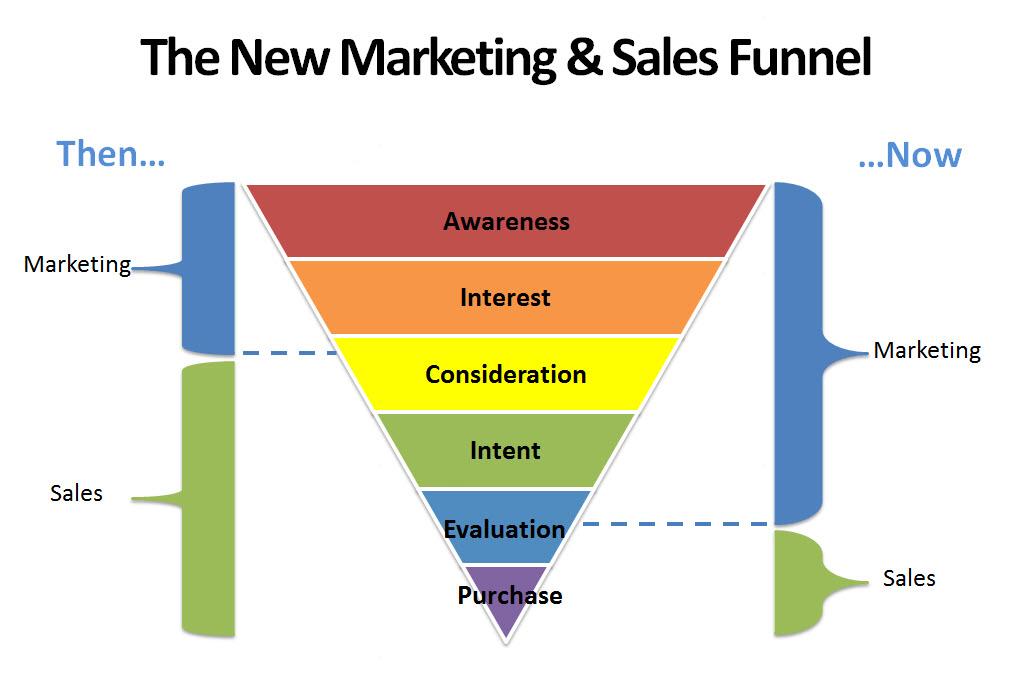
In a world where information flows at the speed of light, and consumer behavior shifts with every click, the traditional sales funnel is beginning to resemble a relic of a bygone era. Once a steadfast guide for marketers, the funnel mapped a linear journey of customer engagement-from awareness to consideration, and ultimately, to the coveted conversion. However, as the digital landscape evolves, so too do the pathways that lead consumers to their purchasing decisions. Today’s customers are dynamic, empowered by access to an abundance of information and a plethora of choices at their fingertips.They no longer fit neatly into predefined stages; instead, they engage in a fluid dance of discovery, research, and decision-making. This article explores the decline of the traditional sales funnel, examining the factors that have led to its obsolescence and the innovative strategies emerging in its wake. Join us as we delve into this shifting paradigm, where adaptability and understanding reign supreme over the once-cherished sequential model.
The Evolution of Consumer Behavior in the Digital Age

The traditional sales funnel, once a linear path guiding consumers from awareness to purchase, has transformed into a more dynamic and complex journey. In the digital age, consumers are no longer passive recipients of marketing messages; rather, they are active participants in their buying process. This shift has given rise to multiple touchpoints where potential customers engage with brands across various platforms-social media, websites, apps, and more. The freedom of choice and instant access to information have empowered consumers to explore options, compare products, and read reviews, which complicates the direct path to conversion. Here’s what characterizes this new approach:
- Non-linear paths: Consumers bounce between stages, revisiting previous ones as they seek more information.
- Social influence: Recommendations from peers and influencers play a crucial role in decision-making.
- Informed choices: accessibility to reviews and comparisons helps consumers make decisions based on extensive research.
This evolved landscape also demands that brands rethink their strategies. Rather than funneling all efforts to push potential customers towards a sale, businesses now focus on nurturing relationships through personalized content and continuous engagement. the segmentation of consumer behavior is more pronounced; thus, brands must utilize data analytics to tailor experiences. Below is a simple representation of this evolution:
| traditional Funnel Stage | Digital Age Dynamics |
|---|---|
| Aware | Multiple Sources of Information |
| Consideration | User Feedback and Content Consumption |
| Decision | Social Proof and Community Engagement |
Breaking down Silos: The Rise of Integrated Marketing strategies
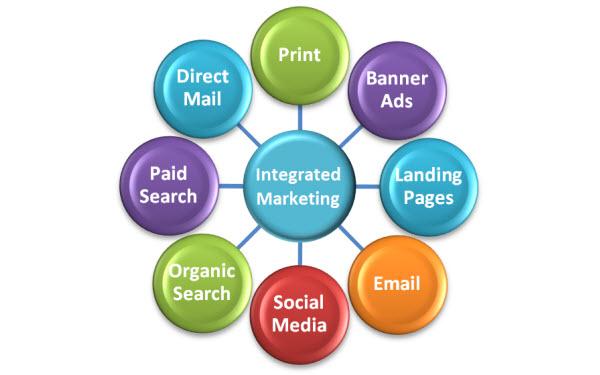
As we witness the decline of the traditional sales funnel, businesses are increasingly embracing integrated marketing strategies that allow for a 360-degree view of the customer journey.Gone are the days when marketing, sales, and customer service functioned as isolated entities. Rather, organizations now recognize the value of breaking down silos to create a seamless experience across all touchpoints. By blending online and offline interactions, companies foster deeper relationships with their audiences, enabling them to swiftly respond to changes in consumer behavior and preferences.
To effectively implement this holistic approach, marketers must focus on key elements that bridge the gap between disparate channels. These include:
- Unified Messaging: Consistent interaction across all platforms enhances brand recognition.
- Real-time Data Sharing: Leveraging analytical insights allows for timely decision-making.
- Cross-functional Teams: Collaborative efforts between departments lead to innovative solutions.
- Customer-Centric Provisions: Tailoring strategies around customer needs boosts engagement.
Moreover, the integration of marketing efforts not only consolidates resources but also amplifies the effectiveness of campaigns. Businesses that harness the power of multiple channels can maintain a dynamic presence in consumers’ lives. This strategy is reflected in the table below, showcasing the advantages of an integrated marketing model over traditional methods:
| Traditional Methods | Integrated Strategies |
|---|---|
| Isolated campaigns | Coordinated efforts |
| Delayed response | Real-time engagement |
| Single-channel focus | Multi-channel outreach |
| Static customer relationships | Dynamic interactions |
Navigating the Complex Buyer Journey: Embracing a Non-Linear Approach
In today’s marketplace, the traditional sales funnel is becoming increasingly obsolete as buyers navigate their journeys in a more dynamic and fluid manner. Potential customers no longer follow a straightforward path from awareness to purchase; instead, they engage with brands across multiple touchpoints and channels, often looping back to previous stages.This non-linear approach highlights the importance of understanding buyer behavior and preferences. Businesses must adopt strategies that focus on personalization, engagement, and trust-building throughout the entire journey.By doing so, they create a seamless experience that nurtures relationships rather than treating consumers as mere transactions.
To effectively manage this complex landscape, companies should consider the following tactics:
- Data-Driven Insights: utilize analytics to track customer interactions and preferences, adapting strategies in real time.
- Content Diversity: provide various content types-videos, blogs, webinars-that cater to different stages of decision-making.
- Engagement Across Channels: Maintain a consistent brand presence across social media, email, and in-person interactions to foster ongoing dialog.
The following table presents a comparison of traditional and non-linear buyer journeys:
| Aspect | Traditional Sales Funnel | Non-Linear Buyer Journey |
|---|---|---|
| Pathway | Linear & Sequential | Circular & Iterative |
| Decision Factors | Sales Pitch | Peer Reviews & Brand Trust |
| Customer Relationship | Transactional | Relational & Ongoing |
Harnessing Data: Tools for Understanding Real-Time Engagement

In an era where engagement is constantly evolving, leveraging data tools has become indispensable for businesses striving to connect with their audience in real-time. The traditional sales funnel is transforming into a more dynamic model, necessitating the adoption of advanced analytics and engagement metrics. analytics platforms such as Google Analytics and Kissmetrics provide invaluable insights into user behavior,enabling brands to identify patterns and preferences. By focusing on key performance indicators (KPIs) – like session duration, bounce rates, and conversion paths – businesses can gather a clearer picture of their customers’ journey, allowing for more personalized and timely interactions.
Moreover, integrating customer relationship management (CRM) systems with real-time data can enhance the understanding of user engagement and foster deeper relationships.Tools such as HubSpot and Salesforce not only centralize customer data but also offer automation features to tailor outreach strategies effectively. By utilizing advanced segmentation, gestures like personalized emails or targeted offers can be deployed, creating an experience that resonates with the individual needs of consumers. Emphasizing feedback loops from social media interactions can also strengthen customer connections, ensuring that companies remain responsive and adaptable in their communication strategies.
Cultivating Relationships: The Shift from transaction to Connection
in today’s interconnected landscape, businesses are recognizing the need to move beyond mere transactions to foster genuine connections with their audience. This evolution is essential, as consumers are increasingly discerning, seeking not just products but relationships with the brands they choose. This shift involves understanding customers’ needs on a deeper level and creating value that resonates with them.It requires:
- Active listening: Engaging with customer feedback and adapting accordingly.
- Engagement strategies: Utilizing social media and other platforms to interact in real-time.
- Community building: Establishing spaces where customers can share experiences and ideas.
Moreover, brands must now think long-term, considering customer lifetime value over immediate sales. This implies a focus on nurturing relationships through personalized marketing approaches and consistent communication, tailoring offers that reflect understanding and empathy. To illustrate the contrasting dynamics of traditional sales versus relationship-oriented practices, consider the following table:
| Traditional Sales Approach | Relationship-Centric approach |
|---|---|
| One-time transactions | Ongoing engagement |
| Generic marketing | Personalized interaction |
| Focus on closing deals | Focus on building trust |
By prioritizing relationship-building tactics, companies can transform their customer base into brand advocates, leading to a sustainable business model that thrives on loyalty and community.This transition not only enhances customer satisfaction but also cultivates a deeper connection that transcends simple buying patterns, making the relationship itself a core element of the business strategy.
Empowering Sales Teams: Skills and mindsets for Modern Commerce

In an era where traditional sales methodologies are rapidly becoming obsolete, modern sales teams must adapt by embracing a more holistic approach to commerce. Rather than focusing solely on a linear journey, prosperous sales professionals now prioritize building relationships and delivering personalized experiences. This shift requires a set of skills that go beyond mere transactional knowledge.Key abilities include:
- Emotional Intelligence: Understanding client needs and emotions to foster connection.
- Data Literacy: Analyzing customer behavior to tailor sales tactics effectively.
- Agility: Quickly adapting strategies based on real-time feedback and market changes.
Moreover, cultivating the right mindset is equally crucial. Embracing a beliefs of customer-centricity allows sales teams to view prospects as partners rather than just potential revenue sources. By shifting the focus towards shared value creation, organizations can foster loyalty and long-term relationships.Essential mindsets include:
- Growth Mindset: Viewing challenges as opportunities for learning and progress.
- Collaborative Spirit: Working across departments to provide thorough solutions for clients.
- resilience: staying motivated in the face of setbacks or market fluctuations.
future-proofing Your Strategy: Adaptability in an Ever-Changing Marketplace

In today’s fast-paced business environment, a rigid approach to sales is no longer a viable strategy. the traditional sales funnel, once a cornerstone of marketing and sales, has become increasingly obsolete.Consumers now engage with brands across multiple touchpoints,making it imperative for businesses to develop a more fluid and personalized journey. Companies must take the initiative to build adaptable frameworks that respond to changing consumer behaviors, ensuring that they are aligned with various channels such as social media, email, and in-person interactions. Failing to recognize the need for flexibility can lead to missed opportunities and stagnation in an ever-evolving marketplace.
To successfully navigate this shift, organizations should embrace key adaptability principles that foster resilience and innovation. Consider the following strategies:
- Data-Driven Decisions: Employ robust analytics tools to gauge customer feedback and preferences continually.
- Omnichannel engagement: Create seamless transitions between online and offline experiences, allowing customers to interact with your brand fluidly.
- agile Marketing Teams: Form cross-functional teams that can pivot strategies based on real-time insights and market trends.
by embedding these principles into everyday practices, businesses can not only enhance their responsiveness but also cultivate deeper relationships with their consumers. The landscape might potentially be unpredictable, but with the right tools and mindset, a future-proof strategy can transform challenges into opportunities for growth.
Final Thoughts
As we stand on the precipice of a new era in sales and marketing, it’s clear that the traditional sales funnel, once a steadfast guide through consumer journeys, is experiencing its final act. The linear paths of yesteryear are giving way to a more dynamic, fluid landscape where adaptability and connection reign supreme. In this comprehensive exploration of the death of the familiar funnel, we’ve uncovered how the evolving behaviors of informed consumers demand a shift in strategy that prioritizes engagement over rigid progression.
While the foundational principles of understanding your audience and meeting their needs remain intact,the methods have transformed dramatically. No longer can brands rely solely on funnel diagrams to navigate the complexities of decision-making in a digital age-those who thrive will be those who embrace the chaos, foster ongoing relationships, and harness the power of authenticity.As we bid farewell to the conventional funnel, we invite you to look toward the horizon. The future of sales lies in understanding the tapestry of customer experiences, where every touchpoint is an prospect for connection rather than a mere step on a journey. Embrace this evolution, adapt to the rhythm of change, and prepare to chart a course in a world where the journey is just as important as the destination. Welcome to the next chapter in the art of selling.