

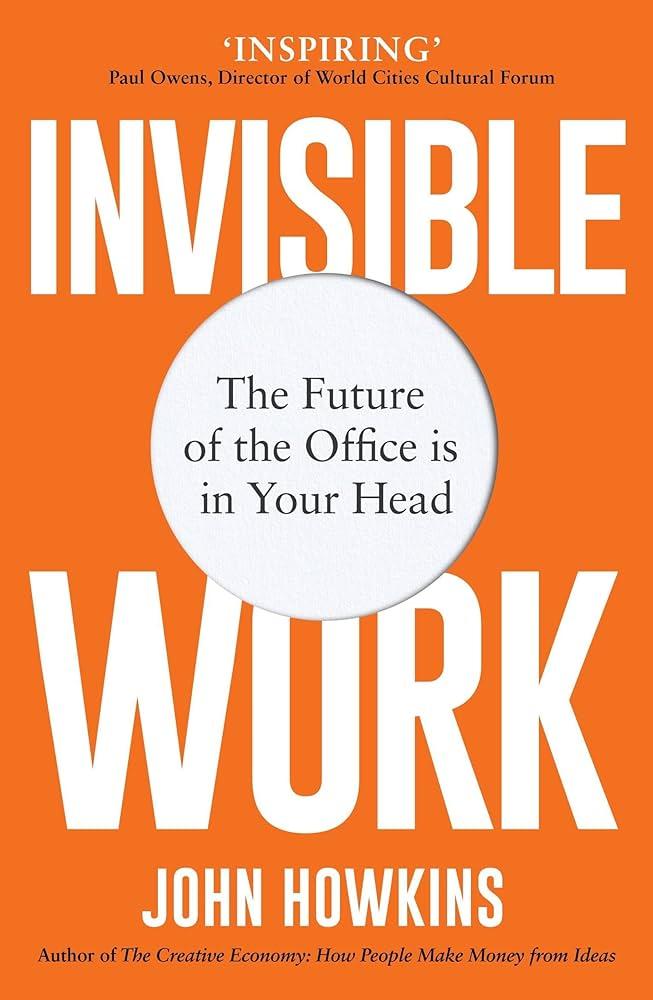

In a world where the boundaries of time and space are increasingly blurred,the notion of work is undergoing a profound transformation. The future of work is no longer confined to the four walls of an office or the rigid structure of a nine-to-five schedule; it is becoming invisible, woven seamlessly into the fabric of our daily lives. As technology continues to evolve at a lightning pace, the rise of remote work is not just a fleeting trend but a essential shift in how we approach our professional responsibilities. From virtual collaborations to asynchronous communication, the workplace of tomorrow is characterized by flexibility and fluidity, allowing individuals to contribute and connect from virtually anywhere.As we stand on the brink of this new era, it’s essential to explore the implications of an invisible and remote work landscape. What does this mean for productivity, work-life balance, and the nature of human connection? How can organizations adapt to harness the opportunities and navigate the challenges this future presents? In this article, we will delve into the nuances of this evolving paradigm, uncovering the potential of remote work and the invisible forces that will shape the professional world of tomorrow.
The Shift to remote Work and its Lasting Impact
The transition to remote work has ushered in a new era that has fundamentally altered how we perceive the workplace. No longer confined by the physical boundaries of an office, individuals have increasingly embraced the flexibility and autonomy that comes with working from home. This shift has led to a profound reassessment of work-life balance, with many workers experiencing a newfound sense of liberation. Consider some of the following benefits that remote work has bestowed upon the modern workforce:
- Increased Flexibility: Employees can tailor their schedules to better accommodate personal commitments and peak productivity hours.
- Cost Savings: Reduced commuting and associated expenses allow for a more economical lifestyle.
- Broader Talent Pool: companies can hire employees from anywhere in the world,cultivating a diverse and skilled workforce.
However, alongside these advantages, the transition has not been without its challenges.As teams work in dispersed environments, collaboration and communication have had to adapt, necessitating the use of advanced technologies. The lasting impact of remote work manifests in the rise of digital tools and innovative solutions aimed at enhancing connectivity and task management. Below is a simple overview of tools that have become essential in this new workspace:
| Tool | purpose |
|---|---|
| Zoom | Video conferencing |
| Trello | Task and project management |
| Slack | Instant messaging and collaboration |
| Google Workspace | Document creation and sharing |
Harnessing Technology for Seamless Virtual Collaboration

As organizations embrace a future where physical presence is no longer a prerequisite for collaboration, the integration of advanced technologies becomes paramount. Video conferencing tools, project management software, and real-time collaborative platforms push the boundaries of teamwork by allowing global connectivity without geographical constraints. The key to a productive remote workforce lies in selecting the right mix of tools, including:
- Cloud storage solutions for easy file sharing and accessibility.
- Instant messaging apps that ensure swift communication.
- Virtual whiteboards for brainstorming and creativity.
Moreover, establishing clear protocols and leveraging automation can transform the way teams interact, minimizing misunderstanding and delays. Adopting styles such as agile methodologies promotes flexibility, enhancing responsiveness to change. A cohesive approach can be visualized in the table below, illustrating the impact of tech tools on collaboration efficiency:
| Technology | Impact on Collaboration |
|---|---|
| Video Conferencing | Facilitates face-to-face interaction |
| Collaboration Software | Streamlines task assignments and progress tracking |
| File Sharing Platforms | Enhances document management and access |
Cultivating a Culture of Trust in a distributed Workforce
In an era where remote work is not just a trend but a fundamental shift, fostering trust becomes essential for cohesive team dynamics. Regular communication is a cornerstone in this endeavor. Organizations can employ various tools to enhance transparency and ensure that all team members feel connected, including:
- Video Conferencing: Use platforms like zoom or Microsoft Teams for weekly check-ins.
- Project Management Tools: Leverage Trello or Asana to keep everyone on the same page.
- Feedback Loops: Implement anonymous surveys to gather insights on team dynamics.
Moreover, empowering employees by granting autonomy can cultivate a deeper sense of responsibility and allegiance. Providing clarity on expectations and allowing flexibility in how tasks are executed can lead to increased job satisfaction. Consider these strategies for enhancing trust:
| Strategy | Benefit |
|---|---|
| Set Clear Goals | Enhances focus and accountability. |
| Encourage Social Interactions | Strengthens team bonds and collaboration. |
| Recognize Achievements | Boosts morale and motivation. |
Rethinking Recruitment Strategies in a Remote Environment

As organizations adapt to a landscape dominated by remote work, conventional recruitment methods are quickly becoming obsolete. Shifting focus from geographical proximity to skillset and cultural fit allows companies to tap into a broader talent pool. to thrive in this new environment, companies should consider implementing the following strategies:
- Leverage Technology: Utilize AI-driven recruitment tools and platforms that facilitate efficient candidate screening and engagement.
- Emphasize Soft Skills: Prioritize traits like communication, adaptability, and self-motivation, which are crucial in a remote work setting.
- Engage Through Virtual Experiences: Create immersive and interactive online interview processes that reflect yoru company’s values and culture.
- Diverse Sourcing Channels: Expand your outreach to include remote job boards, social media, and online communities relevant to your industry.
Data-driven decision-making will play a vital role in shaping effective recruitment strategies. Companies should track performance metrics to identify which avenues yield the best candidates. A simple overview table can help visualize these insights:
| Recruitment Channel | Candidate quality | Time to hire |
|---|---|---|
| Job Boards | Medium | 30 days |
| Social Media | High | 20 days |
| Employee Referrals | Very High | 15 days |
| Freelance Platforms | Variable | 25 days |
Prioritizing Mental Health and Wellbeing from Afar

In an increasingly remote workplace, where colleagues may never see each other in person, the challenge of maintaining mental health and wellbeing grows more notable. Employers and employees alike must embrace innovative strategies to create a supportive environment that fosters connection and positivity. This can include:
- Regular check-ins: Schedule consistent virtual meetings to discuss not just work progress but also mental health.
- Flexible work hours: Allow employees to choose their work schedules to accommodate personal responsibilities and self-care.
- Encouraging breaks: Promote taking breaks throughout the day to recharge and refresh.
- Virtual team-building activities: Organize online events that foster team camaraderie and lighten the mood.
Moreover, access to mental health resources should be readily available and encouraged. Companies can implement a range of services to support their staff, such as online counseling sessions, meditation apps, or workshops focusing on stress management and resilience. Consider the following approaches:
| Resource Type | Description |
|---|---|
| Therapy Access | Provide employees with a subscription to online therapy platforms. |
| Mental Health Days | Allow designated days off specifically for mental health without penalty. |
| Peer Support Groups | Encourage the formation of internal support groups where employees can share experiences. |
Future Skills for the Invisible Workplace

As the workforce continues to shift towards remote and invisible settings, certain skills will become essential for navigating this evolving landscape. Digital literacy stands at the forefront, enabling employees to effectively utilize various tools and platforms. In this environment, collaboration tools like Slack and zoom are not just handy; thay are the backbone of communication. Additionally, a growing emphasis on self-management skills, including time management and personal accountability, will empower remote workers to thrive without direct supervision. To remain competitive, professionals must equip themselves with the ability to adapt and learn continuously, fostering a mindset of lifelong learning.
equally important is the advancement of interpersonal skills that transcend virtual interactions. Empathy, emotional intelligence, and active listening play critical roles in maintaining team cohesion when colleagues are geographically dispersed. Moreover,businesses will require data-driven decision-making capabilities,as insights gathered from remote work analytics will inform strategies and performance improvement. To visualize these pivotal skills required for the invisible workplace, consider the following table:
| Skill | Description |
|---|---|
| Digital Literacy | Proficiency in using digital tools and platforms for communication and task management. |
| Self-Management | Ability to manage time and responsibilities independently. |
| Interpersonal Skills | Skills that foster effective communication and collaboration in virtual environments. |
| Data-Driven Decision-Making | Capability to analyze data for informed business strategies. |
Designing Flexible Workspaces for Enhanced Productivity
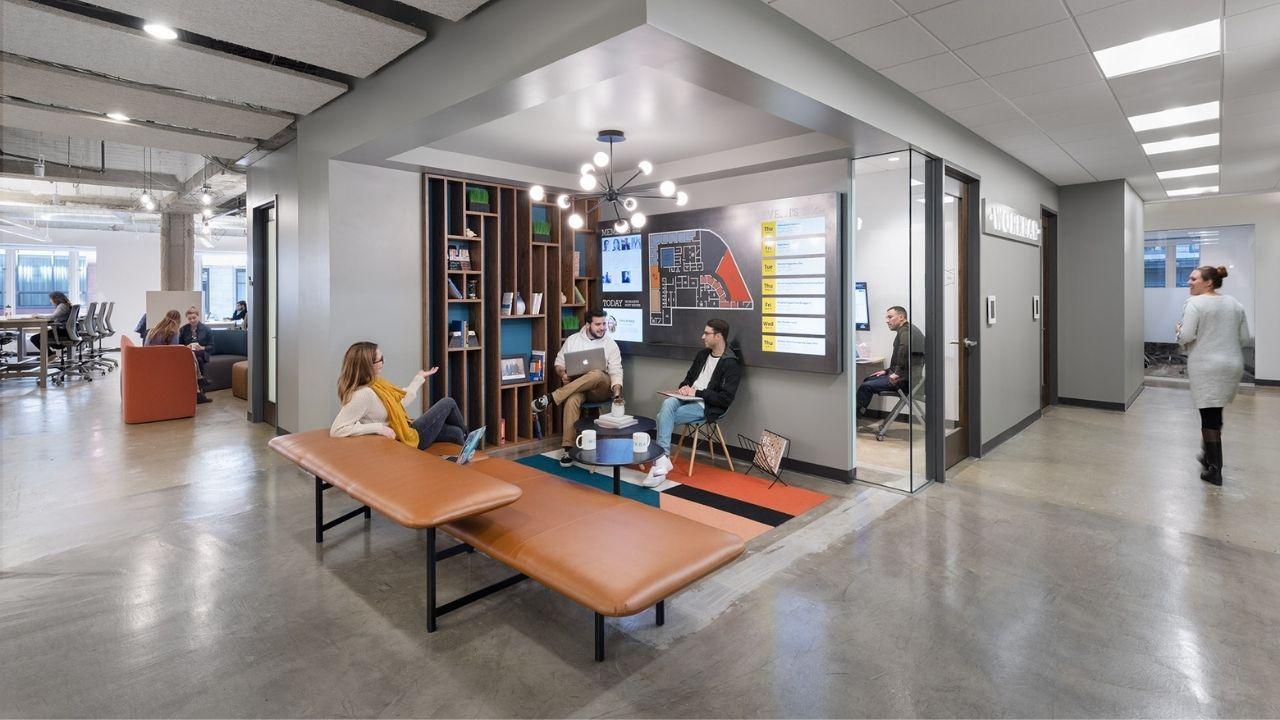
As the landscape of work continues to evolve, the emphasis on adaptable work environments has never been more pivotal. In a world where employees may choose to connect from their living rooms, cafés, or co-working spaces, traditional office layouts can hinder creativity and collaboration. Embracing a variety of workspace configurations can greatly enhance productivity and employee satisfaction. Consider implementing:
- modular furniture: Easily rearranged to accommodate different tasks and team sizes.
- Quiet zones: Designated areas for deep focus away from distractions.
- Collaborative spaces: informal meeting spots that encourage teamwork and brainstorming.
- Technology integrations: Tools that support seamless virtual communication and project management.
Moreover, the importance of natural light and biophilic design cannot be overstated. Incorporating elements that connect employees to nature can drastically improve well-being and concentration. Consider a layout that maximizes window access or includes indoor plants to create a refreshing atmosphere. A strategic approach to workspace design is also critical when it comes to technology. Below is a quick overview of essential tech tools that support a flexible work culture:
| tool | Purpose |
|---|---|
| Slack | Real-time communication |
| Trello | Task management |
| Zoom | Video conferencing |
| Asana | Project tracking |
Concluding remarks
As we navigate this evolving landscape, it’s clear that the invisible threads connecting us are reshaping the definition of work itself. The future may lack the traditional office walls that once defined our professional lives, but it is indeed rich with opportunities for flexibility, creativity, and collaboration. Embracing this shift allows us to transcend geographical boundaries, harness diverse perspectives, and foster innovation in ways previously unimagined.
The invisible workforce is already here, quietly transforming industries and redefining roles from the ground up. As we look ahead, it’s essential to balance technology with the human touch, ensuring that connections-though frequently enough unseen-remain meaningful and impactful. With each click, message, and video call, we have the chance to cultivate a work culture that thrives on inclusivity, adaptability, and resilience.
the future of work is not just about how we connect; it’s about the rich tapestry of experiences and collaborations we weave together, no matter where we are. So, as we step into this new era, let us embrace the invisible, where possibilities are endless, and the way we work is limited only by our imagination.