



In an increasingly digital world, user experience (UX) design stands at the crossroads of technology and human interaction. It shapes the way we navigate websites, engage with apps, and even feel about brands. While a well-crafted user experience can propel a business to new heights, the hidden costs of poor UX design often lurk beneath the surface, quietly undermining success and eroding customer loyalty. From frustrating interfaces that drive users away to the financial repercussions of a tarnished reputation, the stakes are higher than many organizations realise. In this article, we will explore the often-overlooked implications of bad UX design, unveiling the ways it can impact not just the user, but also the very foundation of a company’s growth and sustainability. Join us as we delve into this crucial and often underestimated aspect of the digital landscape, illuminating the path toward a more user-centered future.
Understanding the Financial Impact of Poor User Experience
A poor user experience can have profound implications for a business’s bottom line.When users encounter cumbersome interfaces or frustrating navigation, they are more likely to abandon a product or service, leading to increased churn rates. Additionally, negative experiences can result in unfavorable word-of-mouth, causing potential customers to seek alternatives. According to a report by Forrester, every dollar invested in UX brings a return of $100, highlighting the exponential financial sense of prioritizing user experience. The connection between user satisfaction and financial performance is undeniable, making it crucial for businesses to address UX issues proactively.
Furthermore, the long-term financial consequences of neglecting good design extend beyond immediate sales losses.poor UX can led to excessive customer support inquiries, which strain resources and inflate operational costs. To underscore this point, consider the following factors that contribute to the hidden costs of bad UX:
- Increased Customer Support Costs: More inquiries due to usability issues.
- Decreased Retention rates: Users leave in frustration.
- Reputation Damage: Negative reviews deter new customers.
- Recovery Expenses: Costly redesigns after initial investment.
| Impact Area | Consequences |
|---|---|
| Sales | Decreased conversion rates |
| Support | Increased operational costs |
| Brand | Lower customer trust |
| Growth | Higher redesign costs |
Identifying Common UX Pitfalls that Negatively Affect Engagement
Understanding the elements that can derail user experience is crucial for maintaining high engagement levels.One significant pitfall is poor navigation. When users struggle to find facts due to unclear menus or convoluted pathways, they are likely to abandon their visit. Other common issues include:
- Inconsistent design: Varied button styles and color schemes can confuse users.
- Slow loading times: users are prone to lose interest if a page takes too long to load.
- Lack of mobile optimization: With more users accessing sites on mobile devices, neglecting responsive design is a major oversight.
Another critical aspect is content readability. When users encounter dense paragraphs of text without visual breaks, they may feel overwhelmed. This might lead to decreased comprehension and engagement. It’s essential to pay attention to typography and layout choices. Consider the following factors:
| Factor | impact on Readability |
|---|---|
| Font size | Affects ease of reading; smaller fonts can deter engagement. |
| Line spacing | improper spacing can lead to a cluttered appearance, reducing focus. |
| Color contrast | weak contrast can make text challenging to read, especially for users with visual impairments. |
The Ripple Effect: How Bad UX Influences Brand Perception
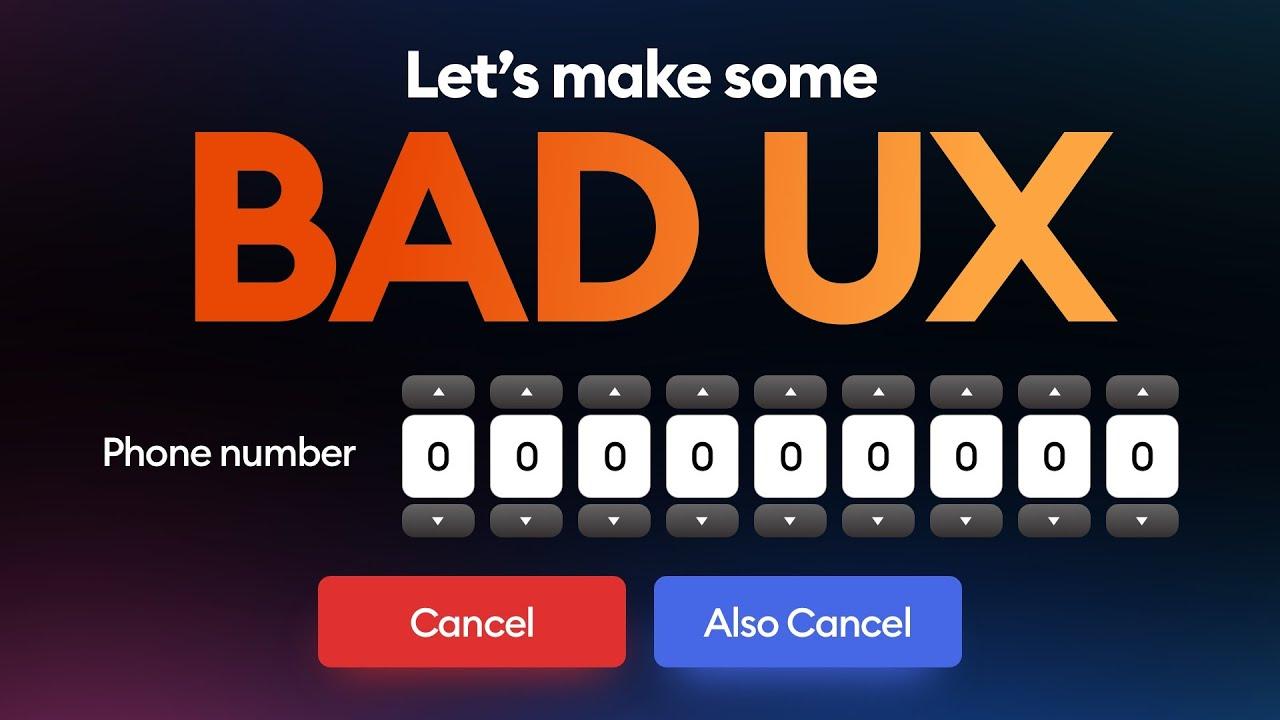
A poor user experience can quickly cascade through a brand’s ecosystem, leading to a decline in customer trust and loyalty. When users encounter frustrating navigation, slow load times, or confusing layouts, their frustration doesn’t end with just a single interaction. Instead, it can translate into negative perceptions that extend far beyond the website or app. Users are likely to share their experiences on social media, fueling a cycle of bad reviews that can tarnish a brand’s reputation. This ripple effect affects not only potential customers but can also deter partnerships and collaborations, creating a long-lasting impact on market standing.
Furthermore, the implications of bad UX design are tangible in measurable metrics. When users leave a platform due to a negative experience, brands face significant consequences, including:
- Increased Bounce Rates: A bad UX can lead users to exit pages, driving traffic away and ultimately affecting SEO rankings.
- Higher Customer Acquisition Costs: Attracting new customers to replace those lost becomes more expensive as the brand’s reputation takes a hit.
- Decreased customer Satisfaction: Dissatisfied users are less likely to return, reducing repeat business and diminishing customer lifetime value.
| Consequences | Description |
|---|---|
| Brand Damage | Negative perceptions linger and can deter new users. |
| Lost Revenue | With fewer loyal customers, sales and profits plummet. |
| Increased Support Costs | More complaints lead to higher customer support demands. |
Measuring User Satisfaction: Tools and Metrics that Matter

Understanding user satisfaction is pivotal in pinpointing the impact of poor UX design. Several tools can help gauge how users perceive their experience with a product or service. Surveys and feedback forms are widely used, allowing users to express their feelings in quantifiable ways. Alternatively, user testing platforms provide rich insights by observing real-time interactions, revealing pain points that might not surface in conventional surveys. Tools like heatmaps offer a visual representation of user behavior, showing where users click, scroll, and linger on a page.
Metrics such as Net Promoter Score (NPS), Customer Satisfaction Score (CSAT), and System Usability Scale (SUS) are essential for a thorough analysis of user experience. implementing a structured approach to gather and analyze these metrics can unveil the hidden layers of user dissatisfaction. Below is a summary of key metrics to consider:
| Metric | Description | purpose |
|---|---|---|
| NPS | Measures customer loyalty through a single question survey. | Identify promoters and detractors. |
| CSAT | Measures satisfaction with a product or service. | Gauge overall user satisfaction. |
| SUS | Evaluates usability through a simple questionnaire. | Assess and compare usability across products. |
implementing User-Centered Design Principles for Lasting Success

Adopting user-centered design principles can substantially enhance user experience, ultimately leading to greater customer satisfaction and loyalty. By focusing on the needs, wants, and limitations of end-users, organizations can avoid costly pitfalls associated with poor UX design. This approach encourages iterative testing and feedback, enabling designers to refine their products based on real user interactions. Some key strategies include:
- User Research: Conduct interviews and surveys to understand user preferences and pain points.
- Usability Testing: Test prototypes with real users to identify areas for improvement.
- Personas and Scenarios: Create detailed user profiles and scenarios to guide design decisions.
When these principles are effectively implemented, organizations can mitigate the hidden costs associated with bad UX, which often manifest as increased support inquiries, high churn rates, or lost revenue opportunities. To illustrate the tangible benefits of user-focused design, consider the following comparison:
| Scenario | Cost of Poor UX | Investment in Good UX |
|---|---|---|
| High bounce Rate | $100,000 in lost sales | Reduced bounce rate, increased conversion |
| customer Support Issues | $50,000 in support costs | Lower support tickets due to intuitive design |
| Brand Reputation Damage | Priceless; long-term effects | Stronger customer loyalty, positive reviews |
Case Studies: Learning from Real-Life UX Design Failures

Examining the pitfalls of specific applications reveals crucial lessons for UX designers. A notable example is the 2016 redesign of a popular social media platform that left users bewildered and frustrated. The revamp, aimed at enhancing user engagement, inadvertently stripped away familiar features, resulting in decreased daily usage. Issues such as confusing navigation and a lack of intuitive design led to widespread user backlash.Key takeaways include:
- Prioritize user feedback: Involve users in design iterations.
- Simplify navigation: Maintain essential user pathways.
- Test thoroughly: Conduct usability tests to anticipate pain points.
Another significant failure can be identified in a healthcare app that promised seamless appointment scheduling. However, users faced numerous challenges due to an overly complex interface, resulting in a staggering 40% drop-off rate during the booking process. The app, intended to improve patient experience, instead created frustration and miscommunication between patients and providers. This case underscores the importance of user-centric design principles. Considerations should include:
| Critical Design Flaws | User Impact |
|---|---|
| Complex forms | Higher abandonment rates |
| Poorly labeled buttons | User confusion |
| Lack of clear instructions | Increased errors |
Building a Sustainable UX Strategy to Enhance Customer Loyalty
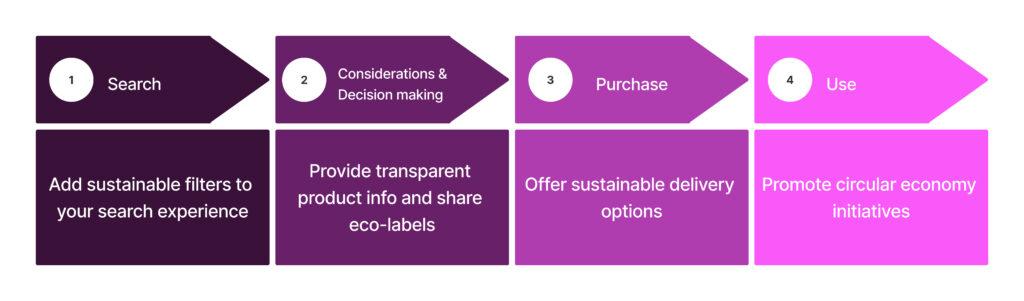
To cultivate lasting customer loyalty,organizations must weave sustainability into their user experience (UX) design strategies. This involves understanding that every interaction contributes to a customer’s perception of the brand. By focusing on ethical design principles, businesses can resonate with environmentally and socially conscious users. Strategies might include:
- Minimalist design: Reducing clutter to enhance usability and decrease resource consumption.
- Accessibility: Ensuring that all customers, regardless of their abilities, have equal access to services.
- Feedback loops: Establishing channels for users to share their experiences and suggestions for improvements.
Moreover, adopting sustainable practices can lead to a more engaged customer base. When users see that a brand values their feedback and prioritizes sustainability, they are more likely to develop a deeper emotional connection. consider the following table that outlines the impact of sustainable UX practices on customer loyalty:
| Practice | Impact |
|---|---|
| Eco-friendly Materials | Increase in brand trust |
| Efficient Processes | Reduced user frustration |
| User-Centric Feedback | Enhanced community feel |
Concluding Remarks
In a world where every pixel counts and the user experience can make or break a brand, the hidden cost of bad UX design emerges as an undeniable reality. As we traverse the intricate relationship between design and user satisfaction, it’s clear that the implications stretch far beyond immediate metrics.
In the shadows of poor design decisions lie lost customers, wasted resources, and tarnished reputations-expenses that frequently enough remain hidden until they manifest as lost revenue or a diminished market presence. As we peel back the layers of this complex issue, it becomes evident that investing in good UX is not merely a matter of aesthetics; it’s a strategic imperative that champions user satisfaction and fosters long-term loyalty.
As businesses navigate the digital landscape, it’s crucial to prioritize thoughtful design that resonates with users. The costs incurred from neglecting this aspect can be substantial, spanning both financial repercussions and enduring impacts on brand identity. By recognizing and addressing these hidden costs, organizations can transform their approach to UX, ultimately reaping the rewards of a more engaged customer base and a thriving bottom line.
Let this serve as a clarion call for all designers and decision-makers: invest in good UX today, and safeguard your brand’s future from the unseen consequences of neglect. After all,it is indeed the user who defines our success,and their experience should always be at the forefront of our designs.