

Revenue charts climb.Quarterly reports glint with percentages. Yet like a patient whose outward signs look fine while something quietly shifts beneath the surface, many businesses hide their true condition behind flattering headlines. The “hidden metric” is less showy than headline revenue or glossy growth rates, but it behaves like a steady pulse-subtle, consistent, and diagnostic. Read correctly, it tells you not just where the company has been, but where it’s likely to go.
Obvious KPIs measure outcomes; the hidden metric measures resilience. It cuts through seasonality and one-off gains, surfacing the friction points that erode long-term value: customer behavior, operational strain, or cash flow thinness that conventional snapshots can miss. Understanding this indicator means moving from reaction to foresight-spotting declines before they surface in profit-and-loss statements and prioritizing fixes that sustain momentum.
In the pages ahead we’ll identify that elusive yardstick, explain why it frequently enough goes unnoticed, and show how to calculate and apply it across different business models. If you want a clearer sense of your association’s underlying health-to diagnose, not just celebrate-this is where the conversation begins.
The overlooked metric that predicts financial resilience
Cash Conversion Cycle (CCC) is the quiet signal most owners ignore until it’s too late. While revenue and profit tell you what you made,CCC reveals how long your cash is trapped in the business – and that gap determines whether you can absorb shocks.A compressed cycle buys you breathing room; an expanding cycle quietly erodes runway. Treat this metric like a pulse: check it regularly, and you’ll see early signs of stress long before the P&L demands drastic fixes.
Focus your improvements on three simple levers to strengthen resilience:
- Inventory days – reduce excess stock to free cash.
- Receivable days – tighten collections to speed inflows.
- Payable days – optimize terms without harming relationships.
| Scenario | CCC (days) | Read |
|---|---|---|
| Healthy | 15 | Swift turnover, strong buffer |
| Warning | 60 | Watch cash; trim cycles |
| At risk | 120 | Immediate action required |
How customer retention uncovers underlying profit leaks
A single percentage point of lost customers can translate into surprising holes in your bottom line – not because acquisition fails, but because loyalty quietly stops compounding. tracking customer retention turns vague intuition into a diagnostic tool: it illuminates onboarding frictions, pricing misalignments and product gaps that hide inside healthy-looking revenue lines. Think of retention as the business’s pulse – steady rates mean efficient growth, small dips signal clogged channels where profit seeps away.
Use returning customers as early warning signals and map small behavior shifts to concrete fixes. Look for:
- rising support volume from new sign-ups – a sign of onboarding leak.
- Shorter repurchase cycles – possible product dissatisfaction or inferior value.
- Flattening cohort LTV – acquisition cost begins to outpace lifetime value.
| Signal | Likely Leak | Quick Fix |
|---|---|---|
| 30% drop in month-2 retention | Onboarding confusion | Guided setup + emails |
| increase in refunds | Expectation mismatch | Revise messaging |
| Declining repeat purchases | Weak ongoing value | Introduce loyalty offers |
Interpreting cohort trends to spot early warning signs

Think of cohort lines as tiny thermometers – they don’t shout when something’s wrong, they change tone. When the slope of a new cohort dips earlier than the ones before it, that’s not noise; it’s an early whisper that the product, onboarding, or messaging is misaligned. Pay attention to week-over-week inflections, sudden divergence between paid and organic cohorts, and any mismatch between activation and retention curves. Small, repeatable signals matter more than one-off blips, so track patterns like these in your dashboards:
- Sharp drop between W1 and W2 retention
- Rising support contacts per user by cohort
- Decline in core feature adoption inside the first 14 days
- Disproportionate churn among high-LTV cohorts
These cues let you prioritize experiments before a small slip becomes a runway problem.
A compact snapshot often tells the truth faster than pages of analytics. Below is a quick example board that transforms raw percentages into readable signals – use it as a gatekeeper to decide when to escalate:
| Month | W1 | W2 | W4 | Signal |
|---|---|---|---|---|
| Jan | 60% | 45% | 25% | Stable |
| Feb | 58% | 38% | 12% | ⚠️ Warning |
| Mar | 62% | 50% | 40% | Healthy |
when a cohort lights up Warning, act fast: triage the likely causes, form a hypothesis, and run a targeted experiment.Simple corrective plays – tweak onboarding flows, surface the sticky feature earlier, or reword a key email – often stop a downward trend before it becomes a business problem.
Operational signals that magnify a single metric’s impact

Certain day-to-day operational signals act like levers that can turn a single KPI into a business-defining indicator. pay attention to the subtle tremors: a rising rate of support tickets frequently enough magnifies product friction and churn risk; small changes in fulfillment time will disproportionately affect customer lifetime value; drifting inventory levels can turn acquisition gains into lost revenue overnight; and fluctuations in ad efficiency can make acquisition cost look either healthy or catastrophic depending on campaign pacing.Each signal doesn’t just inform-you can design it to amplify what the metric is telling you, so low-level operational noise becomes strategic, actionable insight.
Turn these signals into control mechanisms with simple dashboards and rules: automate alerts for ticket surges, set TTLs for anomalous fulfillment delays, and surface inventory divergence by SKU. Use short, repeatable experiments to confirm causality and enforce guardrails so a single metric doesn’t swing your strategy wildly. Below is a compact cheat-sheet to map signals to impact and a quick remedial action you can run this week.
| Signal | Magnifies | Quick Fix |
|---|---|---|
| Support spikes | Hidden churn | Fast triage + root-cause tag |
| Fulfillment lag | Repeat purchase drop | Short-term SLA & priority queues |
| Inventory drift | Revenue volatility | Reorder thresholds & safety stock |
Actionable steps to test,track,and improve the hidden metric

Start by treating the hidden metric like any other experimentable KPI: define a clear baseline, decide on a measurable hypothesis, and run controlled tests. Practical first moves include a brief audit to identify data sources, a small A/B or cohort test to validate causality, and a short measurement window that balances statistical power with speed. Use an internal checklist to keep tests rigorous:
- Define the metric and business impact
- Capture a reliable baseline (7-30 days depending on volume)
- Segment users to uncover where the metric moves most
- Run one change at a time with clear success criteria
Once you can reproduce movement, build a simple tracking system and a cadence for continuous advancement: a lightweight dashboard, weekly alerts for anomalies, and a monthly review that ties changes back to revenue or retention. Train one owner to shepherd experiments and document learnings so optimizations compound. Quick reference:
- Automate alerts for >10% deviation
- Prioritize fixes with highest ROI per hour
- Document experiment outcomes in a shared playbook
| Check | Cadence | Target |
|---|---|---|
| Baseline refresh | Weekly | Stable within ±5% |
| Experiment run | 2-4 weeks | Stat sig or clear trend |
| Impact review | Monthly | Lift ≥ business threshold |
Building a dashboard and meeting cadence to keep business health visible
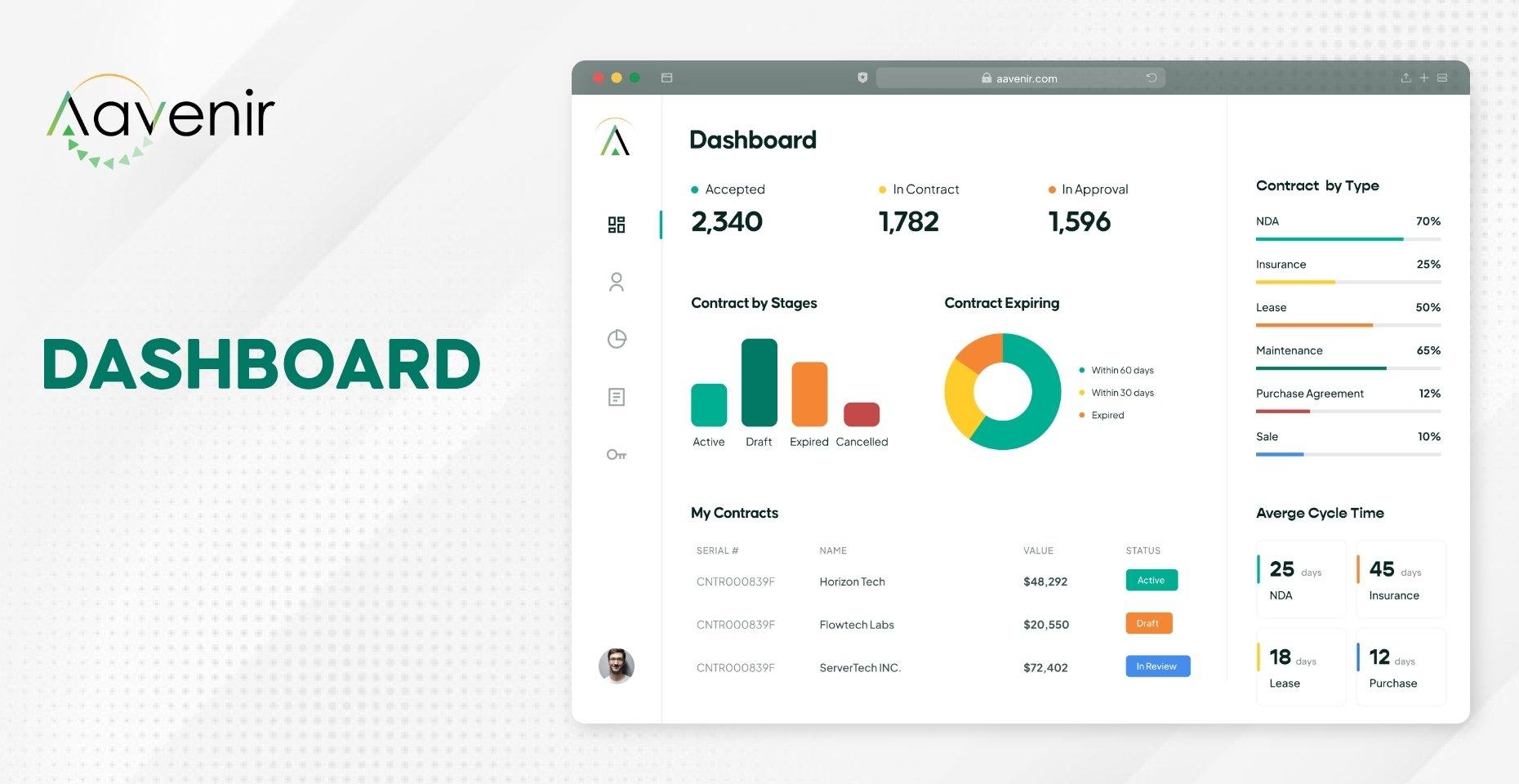
Think of the dashboard as a living mural of your business: each widget a brushstroke that, when seen together, reveals the pattern beneath the noise. Start with a compact set of signals – a mix of leading indicators (activation, pipeline velocity), classic outcomes (revenue, gross margin) and a single synthesized metric that ties them together – the true compass that surfaces early health shifts. Design it as a single source of truth with clear visual thresholds, color-coded trends, and owner tags so nothing sits unanswered. Keep the display lean: your goal is to answer “Are we headed toward our target?” within five seconds, not to be encyclopedic.
Visibility is useless without rhythm, so pair the dashboard with a matched meeting cadence that assigns attention and accountability. Use short tactical checkpoints, a monthly review for course corrections, and a quarterly strategy forum to reset bets – each with a named owner, a preparation checklist and a default action type (fix, pivot, invest). Sample cadence to borrow and adapt:
- weekly: Tactical ops – surface blockers, quick wins.
- Monthly: Performance review – trend analysis and decisions.
- Quarterly: Strategic alignment – OKRs, resource shifts.
| Cadence | Focus | Owner |
|---|---|---|
| Weekly | Tactical fixes & blockers | Ops Lead |
| monthly | Performance & resource decisions | Head of Product |
| Quarterly | Strategy & OKR reset | CEO |
Concluding Remarks
Numbers that shout are easy to notice; the hidden metric is the quiet pulse that keeps everything else honest. By listening to it you stop reacting to headlines and start tuning into trends-small shifts that, over time, reveal whether your strategy is strengthening or slipping. The work is simple but steady: establish a baseline, track changes, test adjustments, and let the data inform conversations across the organization.
Treat this metric as a diagnostic, not a verdict. It won’t solve every problem, but it will help you prioritize the right experiments and allocate attention where it matters most. In practice,that means embedding the measure into regular reporting,sharing insights with your team,and making incremental course corrections rather than chasing perfection.
If you walk away with one idea, let it be this: look beneath the surface. The healthiest companies are those that make quiet, consistent observation part of their routine-because when the hidden metric finally speaks, you want to be ready to understand and act.