

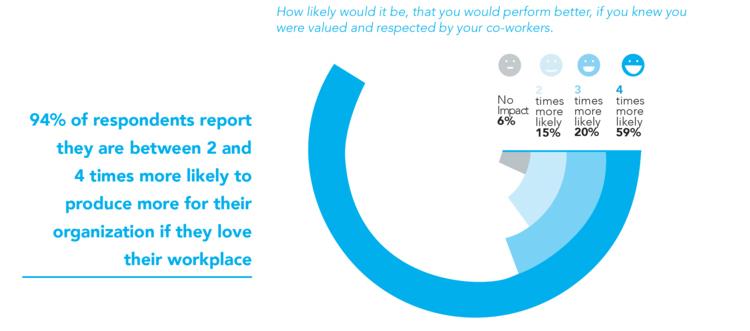

in a world where salary negotiations, benefits packages, and workplace perks have long dominated the conversation about what constitutes a fair and rewarding career, a subtle yet profound shift is taking place beneath the surface. Enter the new workplace currency-a concept gaining traction but still flying largely under the radar. This emerging form of value is not something that can be quantified in monetary terms, nor easily defined in job descriptions. Instead, it encompasses the intangible assets that enhance employee satisfaction and engagement, from autonomy and recognition to mental well-being and corporate culture. As organizations strive to navigate the complexities of modern work dynamics, understanding this evolving currency might just become the key to attracting and retaining top talent in an era where customary measures of success are being redefined. Join us as we delve into the nuances of this silent revolution and explore why it deserves a seat at the table of workplace discussions.
The Rise of Employee Wellbeing as the New Currency

The landscape of workplace value is evolving, with a pivotal shift towards prioritizing employee wellbeing. In a world where traditional incentives like salary and bonuses have dominated the conversation,organizations are starting to realize that genuine investment in the mental and physical health of their workforce is proving to be invaluable. Forward-thinking companies are embracing an array of programs designed to foster wellbeing, not just as a perk but as a basic tenet of their culture. These initiatives often encompass various components such as:
- Flexible Working Hours: Allowing employees to tailor their schedules to better fit their personal lives.
- Mental Health Resources: Providing access to therapy and counseling services,promoting a proactive approach to mental wellness.
- Wellness Programs: Implementing initiatives like yoga, meditation, and fitness challenges that encourage physical activity.
- Social Connectivity: Creating opportunities for team-building and strengthening interpersonal relationships among colleagues.
This focus on holistic wellbeing translates into tangible benefits for companies, ultimately boosting productivity and reducing turnover rates. employers who recognize the potential of a healthy workforce are also differentiating themselves in a competitive job market, drawing in top talent eager for more than just financial gain. To illustrate the impact, consider the following table highlighting the correlation between employee wellbeing initiatives and workplace productivity:
| Wellbeing Initiative | Increase in Productivity (%) |
|---|---|
| Flexible Work Options | 25% |
| Mental Health Days | 20% |
| Regular Fitness Activities | 15% |
| Team Building Off-Sites | 30% |
These numbers illustrate how the investment in wellbeing pays off, establishing a new benchmark in organizational success that extends beyond financial measures. As the recognition of employee wellbeing richens the fabric of workplace culture, it shapes a future where the conventional metrics of success are reassessed, placing health and happiness at the forefront of business objectives.
Understanding the Value of Emotional intelligence in Leadership
In the dynamic and often chaotic landscape of modern workplaces, emotional intelligence has emerged as a pivotal component of effective leadership. Leaders who cultivate this skill are not merely task-oriented; they understand the emotional undercurrents that drive team behaviors and performance. By fostering an environment where empathy, self-awareness, and social skills thrive, these leaders can enhance collaboration and create a more cohesive atmosphere. The ability to navigate interpersonal dynamics makes them more relatable and enhances their capacity to inspire others.
The tangible benefits of emotional intelligence in leadership manifest in various ways, contributing to both individual and organizational success. Consider the following elements that underline its meaning:
- Enhanced Interaction: Emotionally intelligent leaders convey messages more effectively and are better at understanding feedback.
- Improved Conflict Resolution: such leaders address disputes with empathy, leading to quicker and less damaging resolutions.
- Stronger Relationships: By recognizing and respecting the emotions of team members, they forge deeper connections.
- Higher Employee Satisfaction: A supportive environment reduces turnover rates and increases overall morale.
Harnessing the Power of Flexibility and Remote work Options

in today’s dynamic work environment, the ability to adapt is more crucial than ever. Companies that embrace flexibility and remote work options are not only enhancing employee satisfaction but also unlocking untapped potential within their teams. A workspace that allows individuals to dictate their own schedules enables them to find their optimal productivity zones. This freedom can lead to increased engagement and creativity, as employees feel empowered to manage work-life balance in a way that best suits them.
Organizations should consider a variety of flexible arrangements to tap into this potential. Some effective strategies include:
- Hybrid Work Models: A combination of in-office and remote work days.
- Flexible Hours: Allowing employees to start and end their day based on personal productivity preferences.
- Results-Oriented Work Environment (ROWE): Focusing on output rather than time spent in the office.
To better illustrate these options, the table below summarizes advantages and considerations for each approach:
| Work Arrangement | Advantages | Considerations |
|---|---|---|
| Hybrid Work Model | Enhanced collaboration, better work-life integration | Coordination challenges for team meetings |
| Flexible Hours | Boosted morale, tailored productivity | Potential communication gaps |
| ROWE | High accountability, fosters innovation | Requires clear goal-setting and performance metrics |
Building Trust: The Foundation of a Progressive Workplace Culture

In a rapidly evolving professional landscape, trust emerges as the cornerstone of a thriving workplace culture. It transcends the mere absence of doubt; rather, it fosters connections that empower individuals and teams to flourish. When trust is present, employees feel safe to express their ideas, take risks, and embrace challenges. This cultural shift encourages openness and collaboration, propelling organizations towards innovation and success. Some key aspects that contribute to cultivating trust include:
- Open Communication: Encouraging dialog at all levels to share feedback and insights.
- Consistent Leadership: Leading by example with integrity and honesty.
- Recognition of Contributions: Valuing and celebrating individual efforts enhances morale and commitment.
A progressive workplace recognizes that building and maintaining trust is an ongoing process, demanding commitment from both management and team members. This reciprocity not only strengthens relationships but also drives employee engagement and retention rates. To illustrate the impact of trust on different facets of the workplace, the following table highlights the relationship between trust levels and employee outcomes:
| Trust Levels | Employee Engagement | Retention Rate |
|---|---|---|
| High | ~85% | ~90% |
| Medium | ~60% | ~70% |
| Low | ~30% | ~40% |
Investing in Continuous Learning and Skill Development
In the rapidly evolving landscape of today’s workplaces, the ability to adapt and grow through knowledge acquisition has become essential. Organizations that prioritize continuous learning and skill development not only enhance their employees’ capabilities but also cultivate a culture of innovation. Embracing this mindset encourages individuals to step out of their comfort zones and explore new territories in their professional lives. As industries shift and new technologies emerge, investing in skills such as data literacy, emotional intelligence, and digital proficiency ensures that employees remain relevant and competitive.
Consider the implications of making skill enhancement a core company value. employees who are invested in their professional growth tend to demonstrate increased engagement and job satisfaction. This results in a more dynamic workforce capable of tackling the challenges of the future. A few key areas to focus on include:
- Online courses for flexibility and accessibility
- Mentorship programs that foster knowledge sharing
- Cross-training opportunities to broaden expertise
- Workshops and seminars for hands-on learning
To illustrate the potential benefits of these programs, here’s a brief overview of how various companies have successfully integrated learning initiatives:
| Company | Initiative | Outcome |
|---|---|---|
| TechStar Inc. | Online Skill Upgrading | 60% increase in employee productivity |
| Innovate Corp. | Mentorship programme | Improved retention rates by 30% |
| Creative Minds | Workshops | Boosted team collaboration |
Fostering Inclusivity for Enhanced Team Dynamics

In today’s diverse work environment, cultivating an atmosphere where every voice is heard and valued is not just a courtesy; it’s a strategic advantage. By embracing inclusivity, organizations can unlock the full potential of their teams. This goes beyond merely assembling a varied group of individuals; it requires active engagement and a commitment to fostering an environment where differences are celebrated. Some impactful strategies include:
- Encouraging open dialogue: Create safe spaces for team members to share their insights and experiences.
- Implementing mentorship programs: Pairing diverse staff with seasoned employees can definately help bridge gaps and nurture talent.
- Regular inclusivity training: Ongoing education can help cultivate an empathetic workplace culture.
When inclusivity is woven into the fabric of a team,it enhances collaboration and sparks innovation,driving performance to new heights. A microcosm of this process can be seen in how teams handle projects. When team members contribute unique perspectives, the results can be groundbreaking. Consider the following comparison of inclusive and non-inclusive team dynamics:
| Team Dynamics | Inclusive Teams | Non-Inclusive Teams |
|---|---|---|
| Decision-Making Speed | Faster due to diverse inputs and consensus | Slower, often due to overlooked voices |
| Innovation Rate | Higher, as unique ideas are valued | Lower, with limited perspectives |
| Employee Satisfaction | Increased, with a sense of belonging | Decreased, leading to higher turnover |
Measuring Success: Metrics for Evaluating Workplace Currency

In an era where traditional metrics like revenue and employee turnover fail to fully capture the evolving dynamics of workplace value, organizations need to diversify their approach to measuring success. Engagement metrics are crucial, as they provide insights into how invested employees are in their work and the association’s mission. Consider metrics such as:
- employee Net Promoter score (eNPS): gauges employees’ willingness to recommend the workplace to others.
- Social Collaboration Index: measures the extent and effectiveness of employee interactions across teams.
- Learning and Development Participation: Tracks employee involvement in growth initiatives.
Beyond engagement, it’s imperative to evaluate innovation metrics to understand how workplace currency fosters creative thinking and problem-solving.This includes metrics such as:
- idea Submission Rate: Monitors the frequency of new ideas proposed by employees.
- Project Completion Rates: Assesses the timeliness and quality of work delivered on innovative projects.
- Cross-functional Collaboration Success: Evaluates how different teams work together to bring ideas to fruition.
assessing these components can illuminate the true value of an organization’s culture and operations, painting a clearer picture of success in a landscape that is constantly shifting.
Future Outlook
As we navigate the evolving landscape of work, it’s clear that the concept of currency is expanding beyond traditional definitions. The new workplace currency-trust-remains unheralded yet indispensable. It shapes collaboration, fuels innovation, and ultimately drives success in an age where remote interactions have become the norm.
As organizations grapple with hybrid models and shifting power dynamics, fostering a culture of trust might just be the most valuable investment they can make.While it may not clink like coins or shine like gold, its effects ripple through team dynamics, employee engagement, and organizational resilience.
In our pursuit of a thriving workplace, let us not overlook this silent yet potent currency. As we collectively embrace a new era of work, let trust be the bridge that connects us, the lubricant that smooths the gears of collaboration, and the foundation upon which we build our future. The conversation around trust is just beginning-let’s ensure it doesn’t remain the currency no one talks about for long.