

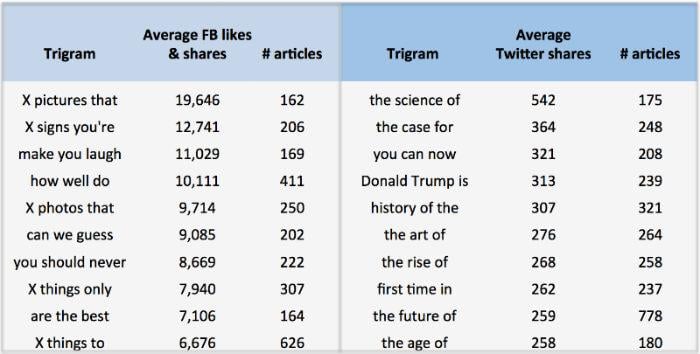

In a world where facts zips across our screens in milliseconds, the headlines we encounter can be both alluring and perplexing. From the captivating to the outrageous, viral headlines possess an almost magnetic allure, drawing us in with their promise of intrigue, humor, or sensationalism. But what underlies this phenomenon? What secret currents of psychology propel certain headlines into the viral stratosphere while others languish in obscurity? As we dissect the hidden mechanics of headline creation, we’ll uncover the subtle psychological triggers that engage our emotions, dictate our curiosity, and ultimately influence our decision to click, share, or scroll on. Join us on a journey through the art and science behind viral headlines,where every word is strategically chosen,and every phrase serves a purpose in the intricate dance of human attention.
The Anatomy of a Viral Headline Explored
The most captivating headlines tap into human emotions and psychological triggers,driving readers to click without a second thought. Thes headlines often appeal to our instincts and curiosity through various mechanisms, such as:
- Fear of Missing Out (FOMO): Phrases like “Don’t Miss Out” generate a sense of urgency.
- Awe and Wonder: Headlines that promise extraordinary content inspire intrigue, e.g., “You Won’t Believe This!”
- Identity Validation: Titles that resonate with personal beliefs encourage sharing, such as “10 Habits of Highly Accomplished People.”
Many viral headlines also leverage the power of curiosity gaps, enticing readers to seek answers and delve deeper into the content. This is achieved through ambiguous or thought-provoking statements that make the audience wonder. By using structures like:
- Questions: “What Happens When You Stop Eating Sugar for a Month?”
- Lists: “7 Shocking Facts You Didn’t Know About Coffee”
- Contradictions: “Why More Sleep Might Make you Tired”
These strategies not only encourage engagement but also create a sense of community among readers who share similar interests and insights. In essence, crafting a headline that resonates on a psychological level transforms mere words into compelling invitations for exploration.
Emotional Triggers: The Key to Captivating Your Audience
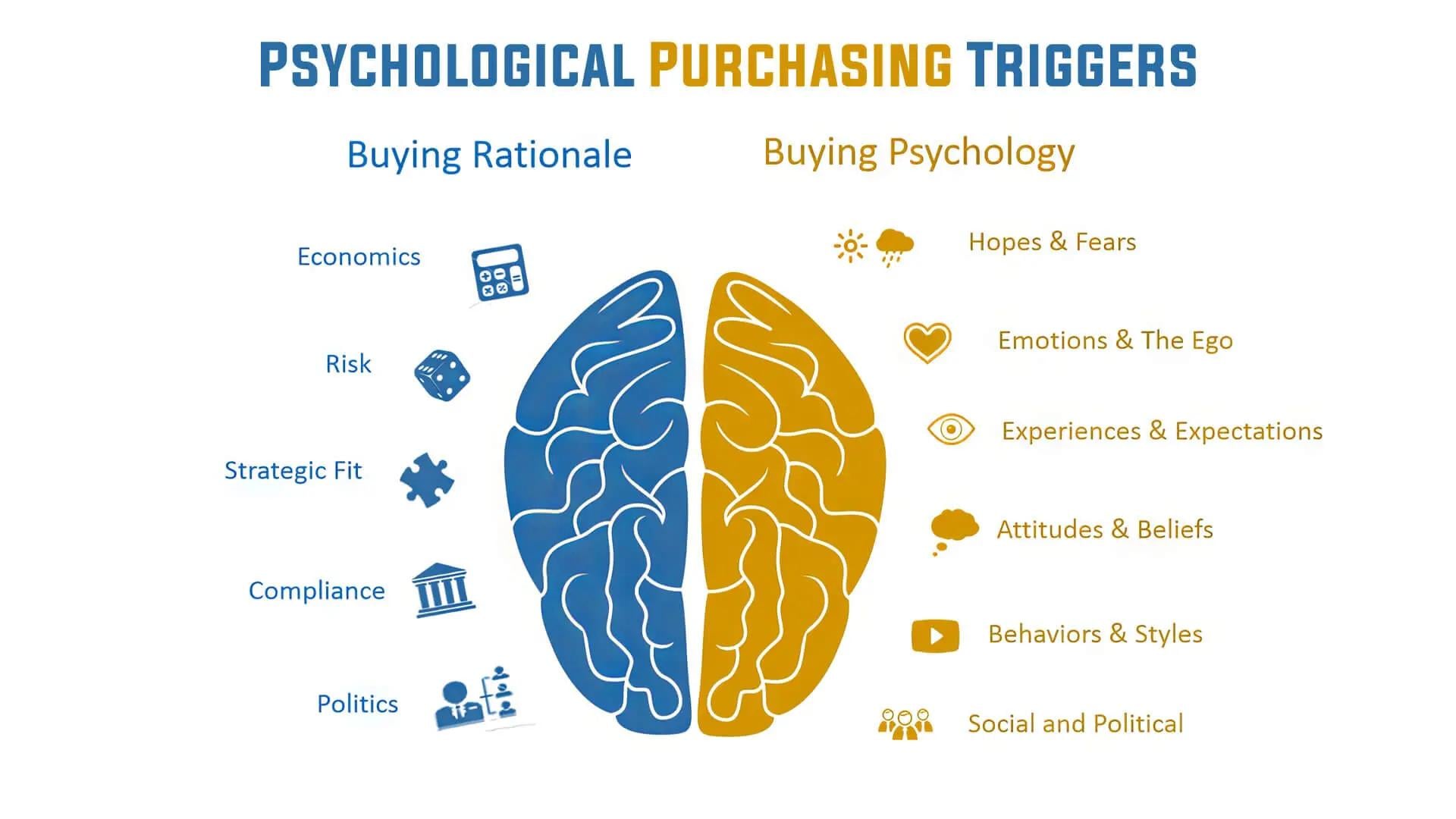
To truly captivate your audience, understanding emotional triggers is essential. These feelings can guide decision-making in ways that logic alone cannot.Consider the following emotional triggers that can elevate your headlines and increase engagement:
- curiosity: Headlines that leave questions unanswered create an urge for readers to find out more.
- fear of missing out (FOMO): Evoking a sense of urgency can compel action, especially when readers believe they might miss an chance.
- Belonging: Appeals to community and connection resonate deeply, making readers feel part of something larger.
- Surprise: unexpected twists in a headline can intrigue readers, enticing them to explore further.
Different emotions can be harnessed to craft compelling content. The following table illustrates some common emotional triggers alongside the types of headlines that effectively use them:
| Emotional Trigger | Headline Example |
|---|---|
| Joy | “10 inspiring Stories That Will Lift Your spirits” |
| disgust | “What Happens When You Ignore Your Health?” |
| Anticipation | “Get Ready for the Upcoming Tech Revolution!” |
| Trust | “Experts Reveal: Top 5 Tips for Home Improvement” |
The Role of Curiosity in Driving Clicks and Shares

Curiosity acts as a powerful fuel that ignites the desire to click and share content. It taps into our innate human tendency to seek out new information and experiences. When a headline piques curiosity, it effortlessly compels readers to dive deeper, as they yearn for answers to the unanswered questions it raises. This phenomenon can be attributed to several factors:
- Engagement: Intriguing headlines foster a sense of involvement, drawing readers in with the promise of valuable insights.
- Anticipation: Readers are naturally inclined to predict outcomes or revelations,prompting them to engage further.
- Suspense: Titles that suggest a mystery or a meaningful takeaway generate a feeling of urgency, inspiring shares across social platforms.
In the digital landscape, where attention spans are fleeting, crafting headlines that incite curiosity can significantly impact content visibility. A recent study highlighted which types of headlines lead to higher engagement:
| Headline Type | Engagement Rate |
|---|---|
| Questions | 25% |
| How-To Guides | 30% |
| Listicles | 22% |
| Mystery/Intrigue | 35% |
Utilizing these strategies not only elevates the click-through rate but also encourages readers to share content with their networks, driven by the desire to satisfy their curiosity and share new discoveries.
Understanding Cognitive Biases that Influence Readership
Cognitive biases are the hidden players in the realm of readership, subtly steering the choices readers make and how they interpret information. One common bias is the confirmation bias,where readers gravitate toward headlines that align with their existing beliefs,seeking validation rather than diverse perspectives.Another prevalent form is the anchoring effect, where the initial piece of information consumes the reader’s judgment; for instance, an eye-catching but misleading headline can set a narrative that colors all subsequent details. It’s crucial to recognize how these biases can distort perception, pushing audiences toward sensationalism while undermining meaningful discourse.
When crafting headlines, understanding biases allows writers to strategically engage their audience. Utilizing effective hooks can harness these psychological tendencies for greater impact. Consider the following approaches:
- Emotional Triggers: words that evoke strong feelings can captivate readers and encourage sharing.
- Curiosity Gap: Headlines that create intrigue can compel readers to click, as they crave resolution.
- Social Proof: References to popular opinions or trends can align with the reader’s desire to fit in.
To illustrate the effect of cognitive biases on readership, the table below highlights how different headlines can evoke varied responses based on these psychological principles:
| Headline Type | Impact on Readership |
|---|---|
| Emotional Appeal | High engagement through relatability |
| Mystery and Intrigue | Increased clicks driven by curiosity |
| Controversial Statements | Polarization and strong reactions |
Crafting Headlines that Balance Clarity and Intrigue

Finding the right balance between clarity and intrigue in headlines is essential for capturing reader attention. A great headline succinctly conveys the essence of the article while leaving just enough mystery to spark curiosity. Here are some effective strategies to consider:
- Use Powerful Verbs: Opt for dynamic verbs that evoke action and emotion.
- Incorporate Numbers: Lists attract readers, as they suggest easily digestible information.
- Ask Provocative Questions: Posing a question invites readers to seek answers, making them more likely to click.
- Utilize Alliteration: Playful phonetics can make your headline more memorable.
By weaving elements of surprise into clarity, your headlines can transform ordinary content into something extraordinary. Consider the following structural elements to enhance your headlines:
| Element | Impact |
|---|---|
| Clear Topic | Sets expectations; prepares the reader. |
| Intriguing Phrase | Creates curiosity; encourages further reading. |
| Emotional Trigger | Connects with the reader on a personal level. |
Utilizing Data and Trends to Enhance Relevance
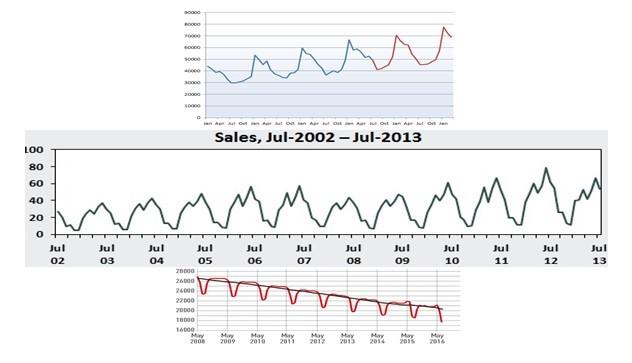
Understanding audience behavior through data analytics is crucial for crafting compelling headlines that resonate. By diving into metrics such as click-through rates and social media shares, content creators can identify what piques interest and what falls flat. Utilizing insights from A/B testing on various headline formats allows for continuous optimization and refinement. Consider trends such as seasonal interests or emerging topics to weave relevance into your headlines. Here are a few techniques to make headlines more appealing:
- Utilize numbers: Incorporate specific statistics or lists to draw readers in.
- Pose questions: engage the reader’s curiosity by prompting them to seek answers.
- Appeal to emotions: Use emotionally charged language to create a connection.
Moreover, analyzing current trends not only improves the topical relevance of your headlines but also elevates their virality potential. Regularly monitoring social media hashtags, trending topics, and news cycles can provide a goldmine of opportunities for headline creation. To effectively capture these trends, consider implementing a simple table to compare the performance of different headline themes:
| Headline Theme | Engagement Rate (%) | Clicks |
|---|---|---|
| Emotional Appeals | 45 | 1,200 |
| Data-Driven | 32 | 900 |
| Questions | 50 | 1,500 |
This approach not only sharpens your understanding of what captivates your audience but also creates a systematic way to leverage data in enhancing your content’s appeal. By remaining vigilant and adaptable, you can maintain a competitive edge in the ever-evolving landscape of viral content.
Testing and Iterating: The Road to Headline Perfection
When it comes to crafting compelling headlines, the initial idea is just the beginning. The true art lies in the ongoing process of testing and refining those initial concepts. By utilizing tools such as A/B testing and audience feedback, you can gather valuable insights into what resonates. Consider these elements when evaluating your headlines:
- Emotional Trigger: Does the headline evoke curiosity, fear, or excitement?
- clarity: Is the message straightforward, or does it risk being misconstrued?
- Length: is it concise enough to capture attention yet descriptive enough to convey its essence?
once the baseline metrics have been established, it’s crucial to iterate on the data collected.This can involve slight adjustments in phrasing, playful language swaps, or even # tweaks in structure to see what drives engagement. The beauty of this iterative process is the opportunity to create a headline that not only draws readers in but also reflects the underlying psychology that motivates them.Below is a simple table summarizing the impact of various headline strategies:
| Strategy | Impact |
|---|---|
| Use of Numbers | Increases perceived value (e.g., “7 Tips”) |
| Questions | Engages readers’ curiosity (e.g., “what If…?”) |
| strong Verbs | Inspires action and urgency (e.g., “Unlock”) |
Closing Remarks
As we conclude our exploration into the hidden psychology behind viral headlines, it becomes clear that the allure of a catchy title is not merely a product of creativity but a complex interplay of human emotion, cognitive biases, and social dynamics. In an age where attention spans are fleeting and information is abundant, these crafted phrases serve as gateways, guiding us into the depths of content that resonates with our innate curiosities and desires.
Understanding the mechanisms at play can empower creators and consumers alike, enriching our experiences in an era saturated with noise. Whether you’re a writer seeking to captivate your audience or a reader navigating the digital landscape, awareness of these psychological principles can enhance your engagement with the written word.
So, the next time a headline catches your eye, pause for a moment to appreciate the intricate tapestry of emotions and techniques woven into its design. viral headlines may be more than just attention-grabbers; they are reflections of our collective psyche, echoing our hopes, fears, and dreams in the vast expanse of cyberspace. Happy reading-and may your own headlines shine as brightly in this ever-evolving narrative!