


A stray notebook tucked between a laptop and a charger might seem like an anachronism in today’s fast-paced offices,but the simple act of putting pen to paper still carries subtle consequences for how business gets done. Handwritten notes interrupt the sameness of pixels and pings; they move at the pace of a human hand and leave behind traces-loops and pressure, hurried margins and decisive strokes-that a typed memo cannot replicate.this article explores that quiet, often overlooked influence.We’ll look beyond nostalgia to consider what handwritten notes do: they focus attention, shape memory, and alter the texture of relationships. From brief thank-you notes after meetings to personal annotations on contracts, these marks function as small signals of care, credibility, and thoughtfulness. They also create durable artifacts that survive the churn of inboxes and version histories.
By examining the cognitive, social, and practical dimensions of handwriting in a business context, we aim to show why this low-tech practice still matters-and how, when used intentionally, it can complement digital workflows rather than oppose them.
Why a pen still beats a screen: psychological drivers and when to choose a handwritten note over digital communication
There’s a quiet chemistry that happens when ink meets paper: the brain shifts from skimming to savoring. Handwritten notes engage motor memory, making messages more memorable and better anchored in a recipient’s mind than a blink-and-forget email. They also signal a human rhythm-slower, deliberate, and unmistakably personal-wich increases perceived value and trust. The tactile act of writing communicates effort and intention in ways a screen rarely can; that subtle investment frequently enough triggers stronger emotional responses and social reciprocity.
Use handwriting strategically for moments that benefit from warmth and lasting impression. Below are common situations where a pen usually outperforms pixels:
- Thank-yous after a meeting - reinforce rapport and differentiate your follow-up
- Apologies or condolences – convey sincerity when tone matters most
- Milestones (onboarding, anniversaries) – turn routine updates into keepsakes
- client retention – small surprises that build loyalty over time
| Occasion | Handwritten Benefit | Best Timing |
|---|---|---|
| Post-meeting | Personalized recall | Within 48 hours |
| Client milestone | Creates keepsake value | On the day |
| Apology | Signals sincerity | Promptly, followed by action |
The anatomy of an effective business note: structure, tone and sample phrases that earn attention
Keep it compact and intentional. A short handwritten message succeeds when each line has a job: one sentence to open, one to explain value, one to request next steps. Use a calm, confident tone – not salesy, not overly familiar - and let the pen show care rather than urgency. Try these fast starters and closers to earn attention without shouting:
- openers: “Thank you for your time yesterday – I loved our idea about…”
- context lines: “A quick note to summarize the one action that mattered:…”
- Closes: ”If this fits, I can prepare a two-item plan by Friday.”
Design the note so it’s readable at a glance. Choose short sentences, leave generous margins and a clear signature; the visual pause created by white space often communicates respect. Keep tone neutral and specific, and rely on one clear ask. Practical cues that make a handwritten note work are simple, repeatable and human:
- Be specific: name the project or meeting date.
- Be brief: one ask, one benefit.
- Be personal: use a first name and a short, sincere line.
| Element | why it effectively works |
|---|---|
| One-line opener | Grabs attention immediately |
| Single ask | Makes response simple |
| Handwritten signature | Signals authenticity |
Timing and targets: which stakeholders benefit most and scheduling tactics to maximize response

Handwritten notes deliver the biggest punch when you match recipient and moment. Target clients after a milestone or closed deal, prospects after a demo or site visit, new hires during onboarding, and referral partners following an introduction-each benefits differently:
- Clients: deepens loyalty and reduces churn.
- Prospects: boosts recall and shortens sales cycles.
- Employees: increases engagement and retention.
- Vendors/Partners: strengthens collaboration and goodwill.
Craft each note with a clear intent-gratitude, next step, or recognition-and the perceived effort makes the message feel bespoke rather than transactional.
Timing and cadence are tactical levers that amplify response: aim for a window that aligns with the interaction and follow it up with a gentle digital touchpoint. A quick reference table helps operationalize this at scale:
| stakeholder | Optimal Send Window | Suggested Frequency |
|---|---|---|
| New Client | 24-48 hours post-close | one welcome note + quarterly check-ins |
| Prospect | Within 48 hours of meeting/demo | Follow after key milestones |
| Employee | First week of onboarding | Periodic recognition (annually/quarterly) |
- Batch and schedule: designate a weekly “note day” to keep production consistent.
- Coordinate channels: follow with an email calendar invite or SMS reminder to boost acknowledgement.
- test and measure: vary send windows and track replies or conversion to refine your cadence.
With deliberate timing and clear targets,handwritten notes move from charming novelty to reproducible strategic tool.
Making it scalable without losing authenticity: cost effective processes, reusable templates and CRM integration
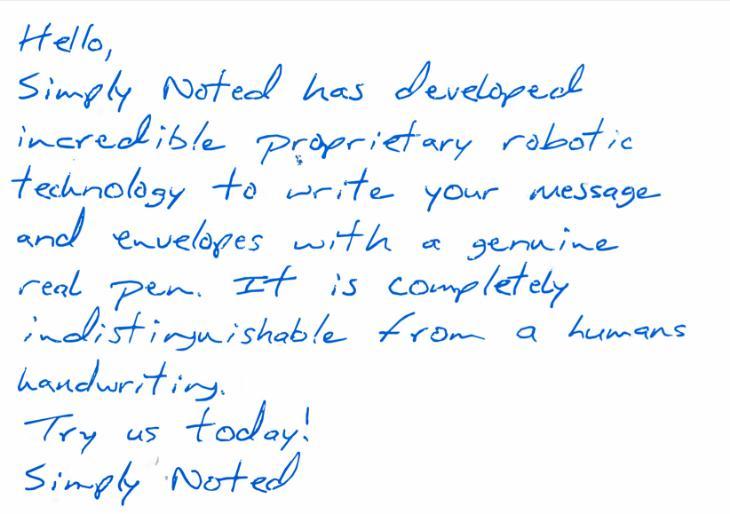
Scale the intimacy without turning every note into an assembly line by designing low-friction, repeatable processes that keep the human touch front and center. Carve out short, focused batch-writing sessions and pair them with simple, reusable prompts so every writer keeps a consistent voice while still adding one-line personal touches. Practical tactics include:
- set a 30-minute window for handwriting 20 notes – momentum beats perfection.
- Use micro-templates: 1 sentence of context + 1 sentence personal – easy to tweak, hard to sound robotic.
- Keep a lightweight handwriting style guide (tone, sign-off, ink color) to preserve brand personality.
- Source cost-effective materials (pre-printed headers, economy envelopes) so postage, not paper, becomes your largest variable.
These steps let teams produce meaningful pieces at scale while protecting the signature detail that makes a handwritten note memorable.
Turn those processes into predictable outcomes by letting your CRM drive the workflow: tag contacts, trigger handwrite requests, and log deliveries so every outreach has context and measurable ROI. With CRM-driven workflows and a small library of reusable templates,you can automate the mundane (addressing,scheduling) and keep humans focused on the bespoke lines that matter. sample integration map:
| Template | CRM Trigger | Typical Cost/Time |
|---|---|---|
| Welcome note | New Customer Tag | $0.80 / 2 days |
| Thank You Follow-up | Purchase + Manual Personal Line | $0.90 / 1-3 days |
| Re-engagement | 90-day Inactive | $0.75 / 3-5 days |
Small automations – QR codes that pull up the contact record, a webhook to a handwriting vendor, or a CRM note reminding a rep to add a single personal sentence – preserve authenticity while keeping cost and cadence predictable.
Design, materials and legibility matter: paper choice, handwriting norms and accessibility considerations
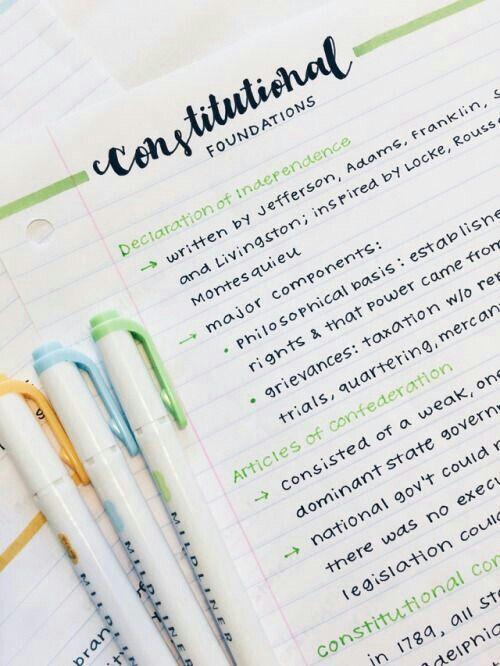
Small choices in materials and layout change how a handwritten note is read and remembered. Heavier paper and a warm off‑white stock invite touch and improve contrast, while high‑contrast ink (black or deep blue) helps scanners and readers with low vision. Consider line spacing and margin width as accessibility tools: wider spacing reduces crowding for readers with dyslexia, and clear left margins give room for annotations without obscuring the main message. Below is a compact reference you can keep on your desk or in your stationery drawer.
| Material | Why it helps |
|---|---|
| 28-32 lb uncoated paper | Better legibility, pleasant feel |
| Soft ruling (6-8mm) | Reduces line crowding |
| Dark pigment ink | High contrast for eyes & scanners |
Practical habits to adopt:
- write purposely – slow down to form consistent letter shapes rather than ornate flourishes.
- Test readability – photocopy or photograph a sample; if it blurs, change pen or spacing.
- Include a typed backup – when accessibility matters, scan and attach a text version for screen readers.
measuring impact and iterating: simple metrics, split test ideas and how to prove ROI to skeptics

Think small, measure smart. Start with a handful of easy-to-track numbers that tell the story of a single handwritten note:
- Response rate – replies, callbacks or social mentions per note sent.
- Conversion lift – percentage change in purchases or sign-ups among recipients vs control.
- Retention – return-purchase rate at 30/60/90 days.
- Cost per meaningful contact - materials + time divided by inspired actions.
These metrics let you iterate quickly: if response rises but conversions lag, test copy; if cost per contact is high, refine targeting. Keep reporting visual and simple – a single chart that compares ”notes vs no notes” often convinces faster than a 12-slide deck.
Run lean experiments and make the ROI math unavoidable. Try split tests like
- Note vs No Note - baseline impact of any handwriting.
- Signature Style – cursive vs block vs personalized doodle.
- Timing – at purchase, 3 days later, or at renewal.
- Audience Slice – high-value customers vs first-time buyers.
Then show skeptics a compact table that translates results into dollars:
| Scenario | Lift | Incremental Revenue | Cost | Net ROI |
|---|---|---|---|---|
| Notes to VIPs | 5% | $2,500 | $250 | 900% |
| Notes to New Buyers | 2% | $400 | $200 | 100% |
Numbers like these let you move from “nice touch” to a line item in the budget – and once you have a repeatable win, scale by automating templates and refining audience selection.
Final Thoughts
In a world that prizes speed and scale, the simple act of putting pen to paper quietly shifts the conversation. Handwritten notes aren’t a panacea, but they are a reliable tool for adding warmth, attention and memorability to business interactions that can or else blur together. Used selectively-paired with digital efficiency-they help peopel feel seen and decisions feel considered. That subtle human touch may be the overlooked advantage many organizations need to stand out and build more durable relationships.