

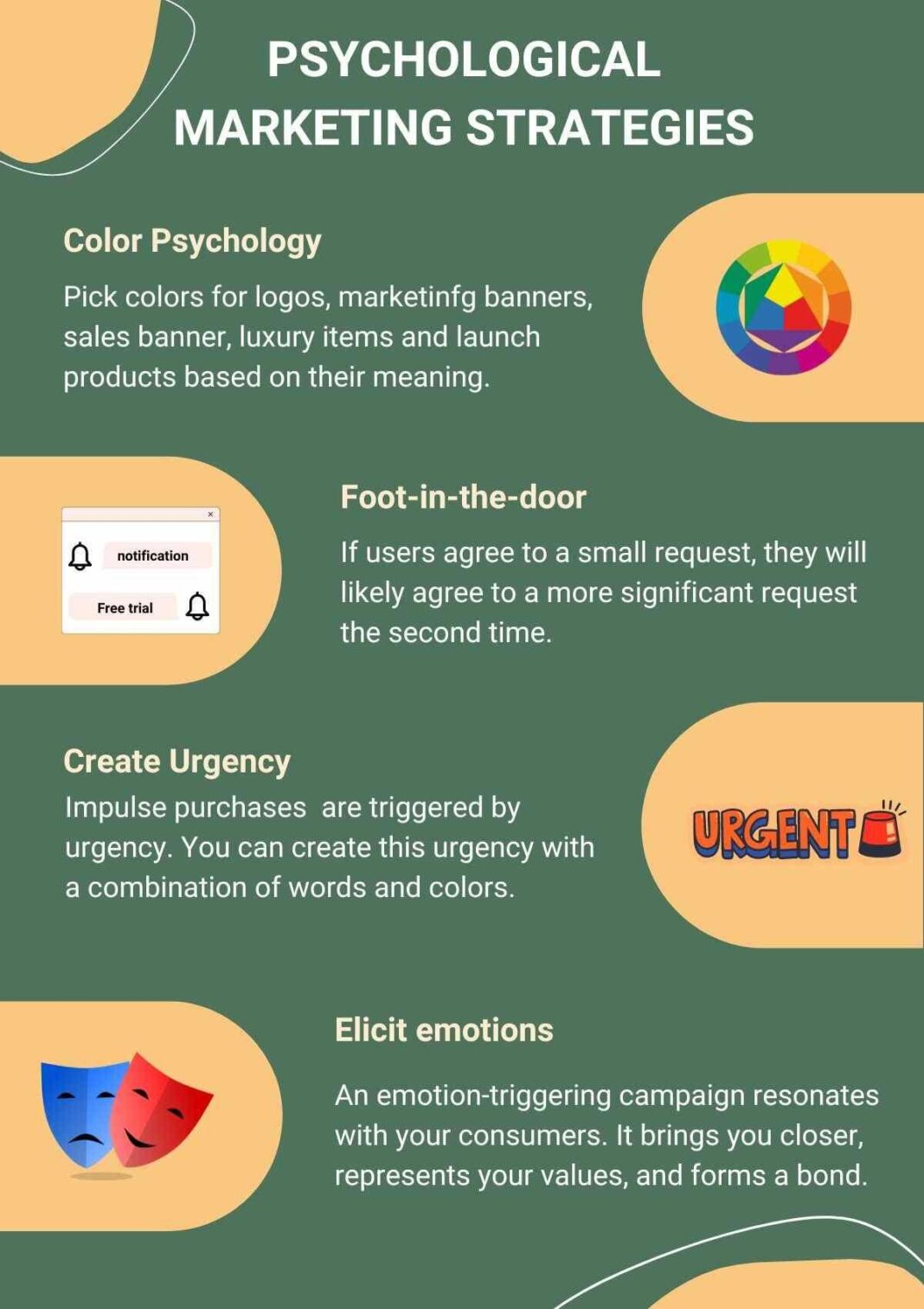

Unveiling the Allure: The Psychology behind Irresistible Product Launches
In a world inundated with choices,where every swipe on a screen reveals a new product vying for our attention,the art of launching a product has transformed into a science. Behind the glitzy advertisements and carefully curated social media teasers lie intricate psychological principles that tap into our desires,fears,and aspirations. How do brands create the sense of urgency that compels us to click “buy now”? Why do we find ourselves enchanted by launch events that promise the next big thing? In this exploration, we delve into the psychology behind irresistible product launches, uncovering the cognitive triggers and emotional strategies that turn ordinary consumers into enthusiastic adopters. From the cunning use of scarcity to the power of storytelling, we’ll dissect the elements that elevate a simple product introduction into an event that captivates and compels. Join us as we unravel the enigma of consumer behavior-where science meets seduction in the marketplace.
Understanding Consumer Behavior in Launch Phases

Understanding the intricacies of consumer behavior during launch phases is essential for crafting an effective marketing strategy. When a new product hits the market, potential customers often experience a mix of excitement and anxiety. Marketers can tap into these emotions by creating a sense of urgency and exclusivity. This is achieved thru various tactics such as limited-time offers and exclusive pre-launch access. Utilizing social proof, such as endorsements from influencers and testimonials from early adopters, can further amplify this excitement. additionally, brands can create buzz by leveraging social media platforms to encourage conversation and anticipation around the product.
During launch phases, it’s also crucial to understand the decision-making processes that consumers undergo. Many individuals may initially resist change or be skeptical about new products. To counteract this, brands should focus on clearly communicating the unique value propositions of their offerings. Strategies might include engaging storytelling,illustrating how the product resolves a specific pain point,or enhancing the customer’s lifestyle.By addressing the concerns of potential buyers and fostering a connection through personalized marketing efforts, brands can ease the transition into adoption. The table below summarizes key consumer motivations during launch phases:
| Motivation | description |
|---|---|
| Curiosity | The desire to explore new experiences or innovations. |
| Social Influence | Peer recommendations and societal trends sway buying decisions. |
| Fear of Missing Out (FOMO) | Time-sensitive offers create urgency to act quickly. |
| Perceived Value | The belief that the product will enhance daily life or solve problems. |
The Role of Anticipation and Scarcity in Marketing
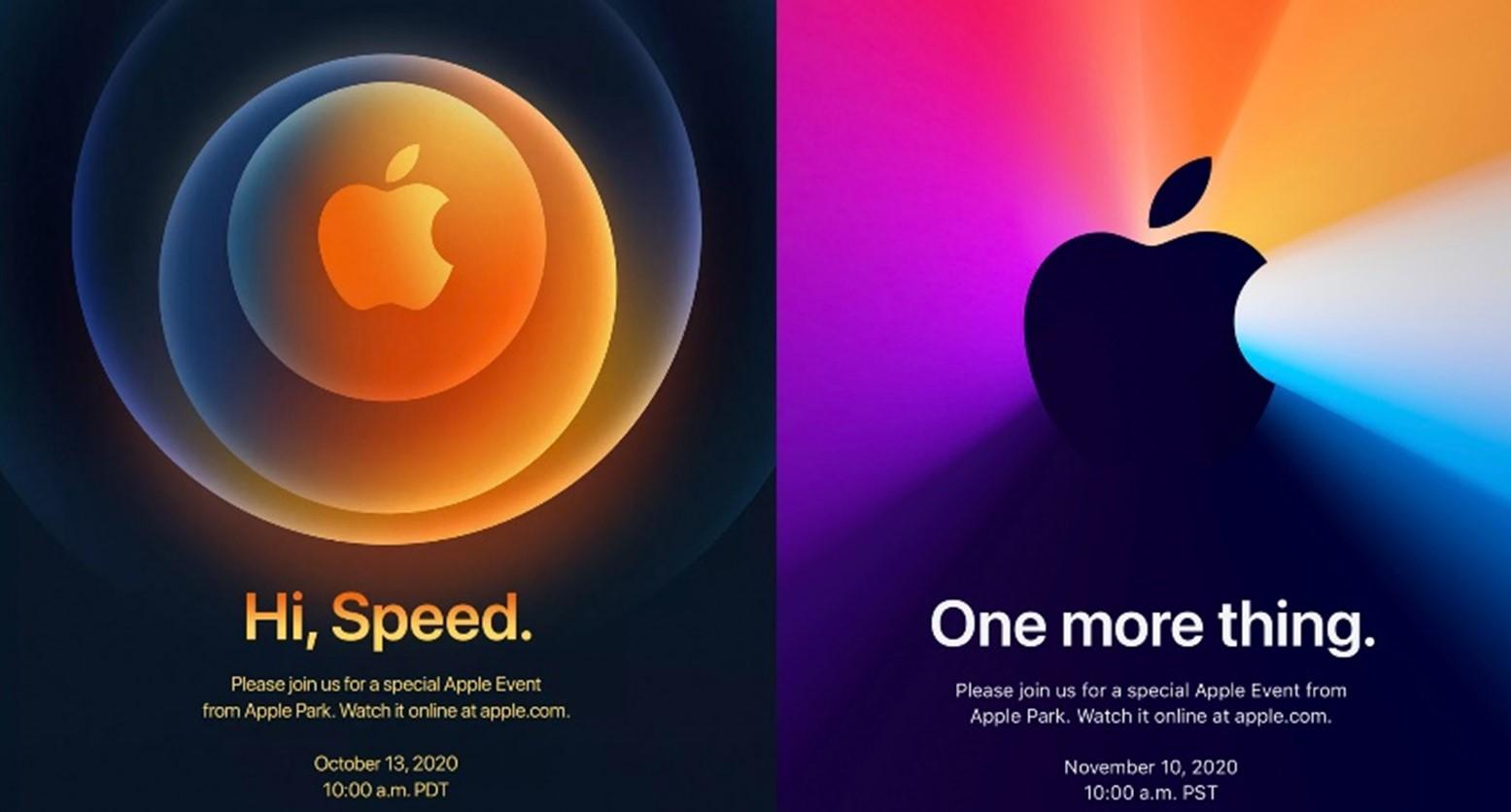
Anticipation acts as a psychological catalyst, driving consumers to desire products long before they hit the shelves. When marketers leverage this emotion, they create a sense of excitement and urgency. Techniques such as teasers, countdowns, and sneak previews frequently enough accompany new product announcements, effectively fueling consumer curiosity. This pre-launch buzz cultivates a community of eager followers who feel invested in the upcoming release. Elements that can enhance anticipation include:
- Teaser Campaigns: Brief, intriguing glimpses of what’s to come.
- Exclusive Previews: opportunities for selected audiences to experience the product first.
- Influencer Collaborations: Engaging familiar faces to amplify anticipation through their platforms.
Scarcity, on the othre hand, leverages the fear of missing out (FOMO) to drive demand. When consumers perceive a product as limited or exclusive, they are more likely to act quickly to secure their purchase. This is frequently enough seen in limited-time offers, low stock notices, or special editions. brands that craft messages around scarcity can effectively enhance perceived value and urgency.Aspects that can amplify this feeling include:
- Limited Editions: Unique features or packaging that set the product apart.
- Time-Limited Offers: Discounts or bonuses that last for a short period.
- Low Stock Alerts: Notifications that highlight the dwindling availability of a product.
Emotional triggers: How to Appeal to Your Audience
Understanding the emotional triggers that resonate with your audience is crucial for crafting a successful product launch. People frequently enough make purchasing decisions based on feelings rather than facts, so tapping into these emotions can considerably enhance your marketing strategy. Consider utilizing the following psychological cues to appeal directly to your target customers:
- Scarcity: Highlighting limited availability can evoke a sense of urgency.
- Social Proof: Showcasing testimonials or user-generated content can build trust and validate choices.
- Fear of Missing Out (FOMO): Creating a narrative around exclusivity can stimulate interest.
- Aspirational Lifestyle: Positioning your product within an aspirational context can inspire desires.
Moreover, it’s important to understand the pain points and desires of your audience, as addressing these can lead to meaningful connections. When you can present your product as the solution to their problems or the key to achieving their aspirations, you enhance its appeal. A simple comparison of customer motivations might look like this:
| Customer Motivation | Product Appeal Strategy |
|---|---|
| Desire for Security | Focus on reliability and guarantees |
| Need for Connection | Encourage community involvement and engagement |
| Aspiration for Success | Highlight how your product aids in achieving goals |
crafting an Engaging Narrative Around Your Product
To create a narrative that captures attention, start by identifying the core values and unique attributes of your product. this storytelling approach allows potential customers to understand not just what the product does, but also why it exists. An emotional connection is pivotal; articulate the problem your product solves. Consider incorporating elements like:
- Customer testimonials that resonate with the target audience.
- A relatable hero’s journey that mirrors the user experience.
- Vivid imagery to paint a mental picture of the product in action.
By weaving these elements into a cohesive narrative, you invite your audience to see themselves in the story.Use specific language that appeals to sight, sound, and emotion, crafting a multi-sensory experience. A table summarizing key aspects of your narrative can enhance comprehension:
| Element | Description |
|---|---|
| Problem Identification | Clearly articulate the pain point your product addresses. |
| Solution offering | Detail how the product serves as the solution. |
| Call to Action | Encourage the audience to envision their life with the product. |
The Impact of Social Proof and Influencer Endorsements

In the digital age, the effectiveness of social proof and influencer endorsements has become pivotal in shaping consumer behavior. When potential customers witness others embracing a product or service, it creates a compelling narrative that can significantly sway their purchasing decisions. This phenomenon is often amplified by user-generated content, such as reviews and testimonials, which cultivate an environment of trust and credibility. Brands that effectively harness these elements can create an authentic connection with their audience, making the product feel more desirable.
Moreover, influencer endorsements act as a virtual seal of approval, allowing consumers to feel a sense of belonging and validation in their choices. When they see their favorite personalities using a product, their perception shifts; the product transitions from a mere option to a must-have item. The power of social media platforms further enhances this effect, as likes, shares, and comments create a viral momentum that can propel a product into a phenomenon. Listed below are some key advantages of integrating social proof and influencer strategies in product launches:
- Increased Trust: Consumers are more likely to buy from brands endorsed by trusted figures.
- Wider Reach: Influencers provide access to a broader audience that brands might not reach otherwise.
- Enhanced Engagement: Interactive campaigns can foster deeper connections between consumers and brands.
Metrics that Matter: Analyzing Launch Success

Understanding the effectiveness of a product launch goes beyond just the initial sales figures. Metrics that provide deeper insights can definitely help businesses gauge how well their launch resonated with the target audience.Consider tracking customer engagement metrics such as time spent on product pages, social media interactions, and email open rates. These indicators flag whether the marketing message hit the right chords with potential customers and if there’s a genuine interest in the offering. Analyzing this data helps teams pivot strategies if needed, ensuring the product maintains momentum even after the initial hype fades.
Additionally, conversion rates serve as a key performance indicator of launch success. By monitoring the conversion funnel,businesses can identify where customers are dropping off and refine their tactics accordingly. A clear understanding of the buyer’s journey, resolute through metrics like abandoned cart rates and post-launch feedback surveys, enables teams to optimize marketing approaches. To visualize these insights, implementing a simple table can clarify the relationships between different metrics.
| Metric | description | Actionable Insight |
|---|---|---|
| Customer Engagement | measures interactions (likes, shares) on social media | Refine messaging to enhance attraction |
| Conversion Rate | Percentage of visitors who make a purchase | Identify drop-off points in the sales funnel |
| Abandoned Cart Rate | Percentage of shoppers who leave items in their cart | Enhance follow-up strategies to close sales |
Building Community for Lasting Engagement Post-Launch
Community building after a product launch goes beyond merely engaging customers; it fosters a deep-rooted connection that turns users into advocates. To cultivate this sense of belonging, brands should focus on creating inclusive environments where customers feel valued and heard. Here are some strategies to enhance post-launch interaction:
- Encourage User-Generated Content: Invite your audience to share their experiences, reviews, and creative uses of your product.
- Create Exclusive Spaces: Consider dedicated forums or social media groups where your customers can interact and share insights.
- Host Regular Events: Webinars,Q&A sessions,or live demonstrations can keep the community lively and engaged.
Another effective approach to sustain engagement is through personalized dialog. Leveraging data from customer interactions allows brands to tailor their outreach,making each individual feel important. Here’s how you can implement a personalized touch:
| Action | Benefit |
|---|---|
| Send Personalized Emails | Improves open rates and creates a sense of connection. |
| Offer Tailored Promotions | Increases purchase frequency and loyalty. |
| Gather Feedback through Surveys | Enhances customer trust and involvement in product development. |
Closing Remarks
As we navigate the intricate landscape of consumer behavior, it becomes increasingly clear that the psychology behind irresistible product launches is a blend of artistry and science. From the careful crafting of a narrative that resonates emotionally with potential buyers to the strategic use of scarcity and social proof, each element plays a crucial role in creating the perfect storm of anticipation and desire.
understanding these psychological triggers not only equips marketers with the tools for successful launches but also empowers consumers to make informed choices in a world brimming with options. As we stand on the cusp of new innovations,the lessons gleaned from past launches remind us of the importance of connecting authentically with our audience.
As we look to the future, the principles explored in this article will continue to evolve, challenging us to think critically and creatively about how we present and perceive products in an ever-changing marketplace. So, whether you’re a marketer seeking to ignite passion for your next launch or a consumer navigating these enticing waters, remember that behind every irresistible offer lies a deeper understanding of what truly drives us to buy.