
A new kind of self is being forged at the intersection of algorithms and ambition. Where once personal branding relied on instinct, intuition and a few well-chosen photographs, a growing array of AI tools now helps shape voices, curate images, schedule outreach and measure resonance with audiences in real time. This rise of AI-powered personal branding blends generative creativity, predictive analytics and automation to amplify individuals’ visibility while streamlining the labor behind it. The result is both a democratization of reach-making polished presence possible for more people-and a set of fresh questions about authenticity, control and inequality. In the sections that follow, we’ll explore how these technologies work, who benefits, and what it means to cultivate a digital self when machines play an active role.
Understanding AI’s Role in Personal branding: From Data Signals to Distinctive Voice

AI listens to the faint echoes of our online lives and translates them into strategic cues for shaping reputation: browsing patterns, comment sentiment, sharing rhythms - the raw material of a modern persona. These data signals aren’t destiny; they’re ingredients. When combined with deliberate choices about tone, values and narrative arc, they let creators and leaders craft a memorable presence that feels both researched and human. The real skill is turning algorithmic insights into a coherent, emotionally resonant thread that reads as intention rather than automation.
- Sources: clicks, watch time, search queries, mentions
- Processing: clustering, sentiment analysis, trend detection
- Human layer: values, constraints, storytelling choices
Think of AI as a studio assistant: it suggests palettes and angles, runs speedy experiments, and highlights what resonates – but it doesn’t decide the signature brushstroke. Embrace iterative testing and measured A/B experiments to refine phrasing and format, and set clear guardrails so authenticity remains the prime directive.The most distinctive brands will be those that use AI to amplify a singular human point of view rather than to replicate a bland, optimized middle ground.
Crafting an Authentic AI Assisted Narrative with Actionable Personalization Strategies
Blend your lived experience with algorithmic insight to create a memorable presence that feels unmistakably yours. Start by mapping the moments that define your perspective, then let models amplify-not replace-those signals. Use these quick personalization moves to stay human-first:
- Signature micro-story: capture one vivid anecdote to anchor every post;
- Variant prompting: generate multiple tonal versions, then choose the most authentic;
- Human edit layer: rework phrasing, sensory detail, and stakes so the output breathes.
These tactics turn generic outputs into bespoke narratives that reflect nuance, contradiction, and the small imperfections that make you relatable.
Think like a studio: iterate rapidly, measure what resonates, and publish with intentional openness. Keep a lightweight dashboard of signals-engagement spikes, qualitative comments, and repeat themes-and treat them as creative inputs rather than KPI tyrants. Document authorship where appropriate and use feedback to sharpen voice, not to homogenize it.
| Strategy | Tool | quick win |
|---|---|---|
| Persona prompts | Prompt templates | faster voice alignment |
| Micro-story A/B | Variant generator | Higher engagement |
| Feedback loop | Analytics + comments | Sharper topics |
Choosing the Right Tools and Workflows for scalable Content and Visual Identity
Think of your toolkit as a living wardrobe for a personality-flexible, consistent and instantly wearable. Start with interoperable tools that speak the same language: a modular copy template, a design system with tokens, and an asset libary that stores master visuals and approved color/typography rules. Pair those with AI assistants that generate first drafts and tag assets automatically, not to replace creativity but to accelerate it.
- Scalable templates – reusable copy and layout patterns
- Design tokens – single source of truth for brand styles
- Central asset library – versioned photos, icons, and motion pieces
- Automation connectors – pipelines that publish and distribute
Workflows should favor clarity over complexity: define who approves what and where human judgment must remain central. Build lightweight playbooks that combine AI prompts, editorial checklists and analytics feedback so each piece of content learns from its performance.Emphasize human-in-the-loop checkpoints to protect voice and nuance, and use simple versioning to rollback experiments that stray from your visual identity.
- Editorial playbooks – prompts, tone rules, and channel-specific tweaks
- Approval gates - roles, slas, and quality thresholds
- Versioning & rollback – safe experimentation with quick recovery
- analytics loop – performance signals feed prompt and design refinements
measuring Influence and Reputation: Metrics AI Can Track and How to Interpret Them
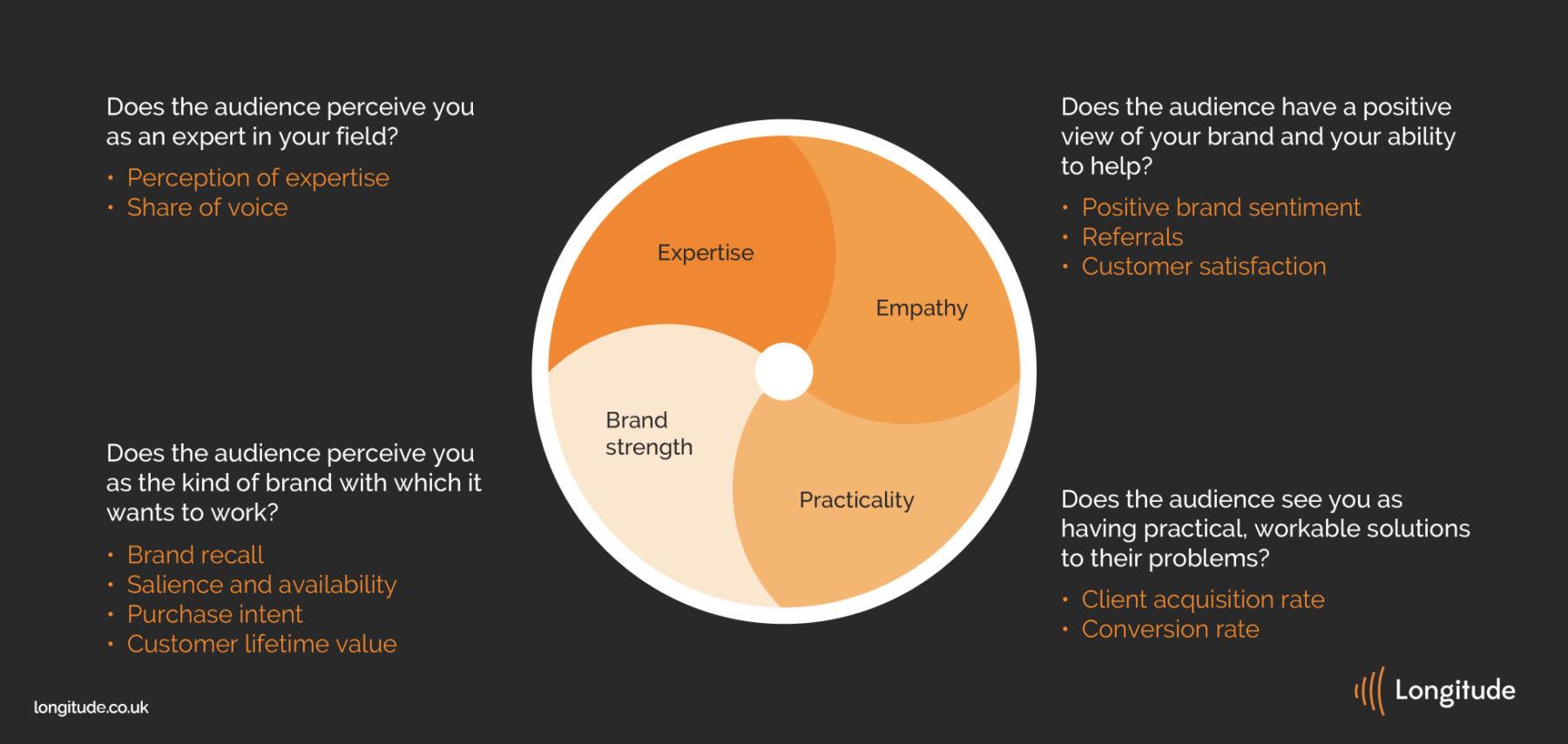
AI-driven systems can stitch together signals from profiles, mentions, search results and backlinks to map influence in real time. by monitoring platform-level and network-level indicators – such as engagement, sentiment, reach, amplification, share of voice, topical authority and audience overlap – an algorithm builds a layered portrait of reputation. Below are core datapoints AI commonly tracks and what they reveal about a personal brand:
- Engagement rate – depth of audience interest (likes, comments, saves).
- Sentiment - tone of conversations (positive, neutral, negative).
- Share of voice – visibility versus peers in the same topic.
- Amplification – how often content is reshared or cited.
- Topical authority – domain expertise measured by backlinks and qualified mentions.
- Follower quality – network centrality and influencer connections.
- Conversion signals – clicks, sign-ups, media requests that tie reputation to outcomes.
Interpreting these metrics means reading patterns, not raw numbers: trend lines trump single-day spikes, cross-metric alignment signals genuine influence, and divergence (high reach with low engagement) flags surface-level visibility. Use composite views – weighted scores or sentiment-adjusted reach – to prioritize action. The table below offers simple interpretation thresholds and quick moves an AI might recommend when thresholds shift:
| Metric | Quick Read | Suggested Action |
|---|---|---|
| Engagement Rate | Healthy if >2% | Amplify top posts and replicate formats |
| Sentiment | Warning if negative trend rises | Investigate sources and respond with clarity |
| Share of Voice | Growth >15% indicates momentum | Double down on topical content and PR |
Balancing Automation and Human Judgment: ethical Guardrails and Trust building Practices

AI can amplify a personal brand faster than ever,but unchecked automation risks turning a nuanced human story into a factory line. To keep the soul intact, creators must design clear ethical guardrails that let algorithms assist without erasing intent: prioritize consent, preserve authorship, and require human oversight at decision points where context, empathy, or reputation are at stake. Bold choices-like mandating a human sign-off for public-facing content-help avoid the uncanny valley of automated personas and reinforce the brand’s credibility. Human-in-the-loop workflows and rules that limit scope (what the AI can and cannot change) are practical anchors for scalable authenticity.
- Transparency: label AI-generated drafts and edits.
- Explainability: surface why a suggestion was made.
- Consent: obtain permission before repurposing personal data.
- Auditability: keep logs for review and correction.
Trust is won through consistent, observable behaviors more than promises. Regularly publishing a simple accountability policy, running periodic bias and safety audits, and offering an easy feedback channel turns opaque automation into a responsive collaborator. Equip community managers and creators with the authority to override or contextualize AI outputs, and celebrate instances where human judgment corrected an algorithmic misstep-these actions signal that the brand values judgment over efficiency. In practice, small rituals like annotated edit histories and visible correction logs build reputational capital as effectively as any shiny personalization engine.
futureproofing Your Brand: Continuous Learning, Reskilling and Preparing for AI Evolution

Think of your brand as a living portfolio: it thrives when you treat learning like design work. Embrace micro-iterations-short courses, weekly experiments and public notes that map how your voice adapts alongside new capabilities. Start small with these practical moves:
- Subscribe to one AI workflow newsletter and experiment with a prompt weekly.
- Build a tiny project that showcases a new skill (a demo reel, a chatbot, a case study).
- Swap feedback loops: ask peers to review AI-augmented content for clarity and authenticity.
- Document failures as much as wins; they become the quickest reskilling roadmap.
These habits keep your brand nimble and credible, letting you pivot without losing identity.
Readiness is as much measurement as mindset: track signals that matter and let them inform reskilling choices. Use lightweight metrics-engagement on AI-assisted posts, time-to-produce content, and client trust-to decide what to learn next. Below is a compact guide to quick wins you can adopt this month:
| Skill | Quick Win | Tool |
|---|---|---|
| Promptcraft | Create 5 reusable prompts | Chat interface |
| AI Editing | Polish 3 past posts with AI | Editor plugin |
| Automation | Automate one weekly task | Workflow tool |
By pairing measurable experiments with deliberate skill upgrades, you ensure your personal brand evolves in step with AI-without losing the human signals that make it distinct.
Insights and Conclusions
The ascent of AI-powered personal branding has turned identity into both mirror and megaphone: tools that reflect who we are while amplifying selected notes to vast, algorithmic audiences. What was once a slow, handcrafted process can now be sketched, polished, and projected with unprecedented speed and reach-an artist’s palette moved into the realm of code.
That acceleration brings practical gains-efficiency, personalization, broader access-but also new frictions: a risk of flattening distinct voices, shifting lines of accountability, and ethical questions about consent and representation. Ultimately, these systems do not erase human judgment; they refract it. How we choose to steer the technology, set its values, and preserve nuance will determine whether it enriches or distorts our stories.
As the tools evolve, so should our habits: experiment thoughtfully, insist on transparency, and treat authenticity as a practice rather than a checkbox. The future of personal branding will be less about machines owning our image and more about people learning to co-create with them. The only certainty is change-how you meet it will say as much about your brand as any algorithm ever could.