


In an age where smartphones constantly buzz with notifications and the internet permeates nearly every aspect of our daily lives, a counter-movement is quietly emerging, championing the virtues of disconnecting. Welcome to the fascinating world of “anti-tech” businesses, where the mantra is not to hustle harder or work smarter with technology, but to embrace simplicity and find value in being offline. From bookshops that promote the tactile experience of reading to wellness retreats that encourage detoxing from digital distractions, these enterprises are tapping into a growing desire for a more grounded, authentic existence. As consumers become increasingly fatigued by the relentless pace of modern connectivity, these businesses have found a lucrative niche that not only caters to the weary but also reignites an gratitude for the tangible and the personal. This article explores the rise of these anti-tech ventures, the motivations behind their inception, and the cultural shift driving individuals back to the basics in a hyper-digital world.
The Allure of Offline Living: Understanding the Anti-Tech Movement

In an era dominated by screens and social media, the longing for a simpler, tech-free existence has blossomed into a compelling movement that draws individuals seeking respite from the digital clamor. This anti-tech wave gives rise to unique businesses that cater to those yearning for authentic experiences, offering opportunities for connection and creativity without the distractions of the online world. Such establishments are not merely retrograde; they focus on cultivating real-life interactions and mindful practices, answering the call of a growing audience keen to reclaim their leisure time from the incessant notifications and digital pressure.
Among the most innovative ventures are those that promote offline experiences. From retreats in nature to cafés without Wi-Fi, these businesses capitalize on a deep-seated human desire for personal engagement and tranquility. The following are examples of emerging anti-tech businesses that embody this ethos:
- Nature Retreats: Year-long detox programs immersed in serene landscapes.
- Offline Workshops: Classes in art, writing, and crafting that emphasize hands-on learning.
- Analog Games Cafés: Spaces dedicated to board games and puzzles, fostering face-to-face competition.
- Book Nooks: Cozy reading spots encouraging patrons to unplug and dive into literature.
| Business Type | Key Feature |
|---|---|
| Nature Retreat | Digital detox with workshops on mindfulness. |
| Art & Craft store | Hands-on classes with no tech distractions. |
| Board Game Café | Promotes social engagement without screens. |
| Reading Lounge | Encourages deep reading in a distraction-free environment. |
Identifying Successful Anti-Tech Business Models in Today’s Market

In an increasingly digital world, the emergence of businesses promoting offline experiences has been remarkable.These anti-tech models capitalize on consumer fatigue from constant connectivity, offering nostalgic and immersive alternatives.Successful ventures in this space frequently enough include:
- Community-Centric Cafés – Establishments that foster social interactions through board games, live music, and workshops, creating a warm and inviting atmosphere.
- Experiential Craft Classes – Hands-on workshops that teach skills such as pottery or woodworking, emphasizing engagement over digital consumption.
- Outdoor Adventure Companies – Services geared towards disconnecting people from their devices by promoting activities like hiking, camping, and team-building retreats.
These models not only tap into a growing desire for personal interaction but also highlight the value of tangible experiences in a virtual age. Key characteristics of successful anti-tech enterprises often include:
| Characteristic | Description |
|---|---|
| Unique Offerings | Products and services that can’t be replicated online. |
| Authentic Engagement | Direct interaction between customers and staff or community. |
| Local Sourcing | Utilizing local artisans and suppliers to create a sense of place. |
These strategies not only generate revenue but also cultivate loyal customer bases eager for genuine connections, illustrating a powerful counter-narrative to pervasive technology dependence.
Strategies for Building a Profitable Offline Venture
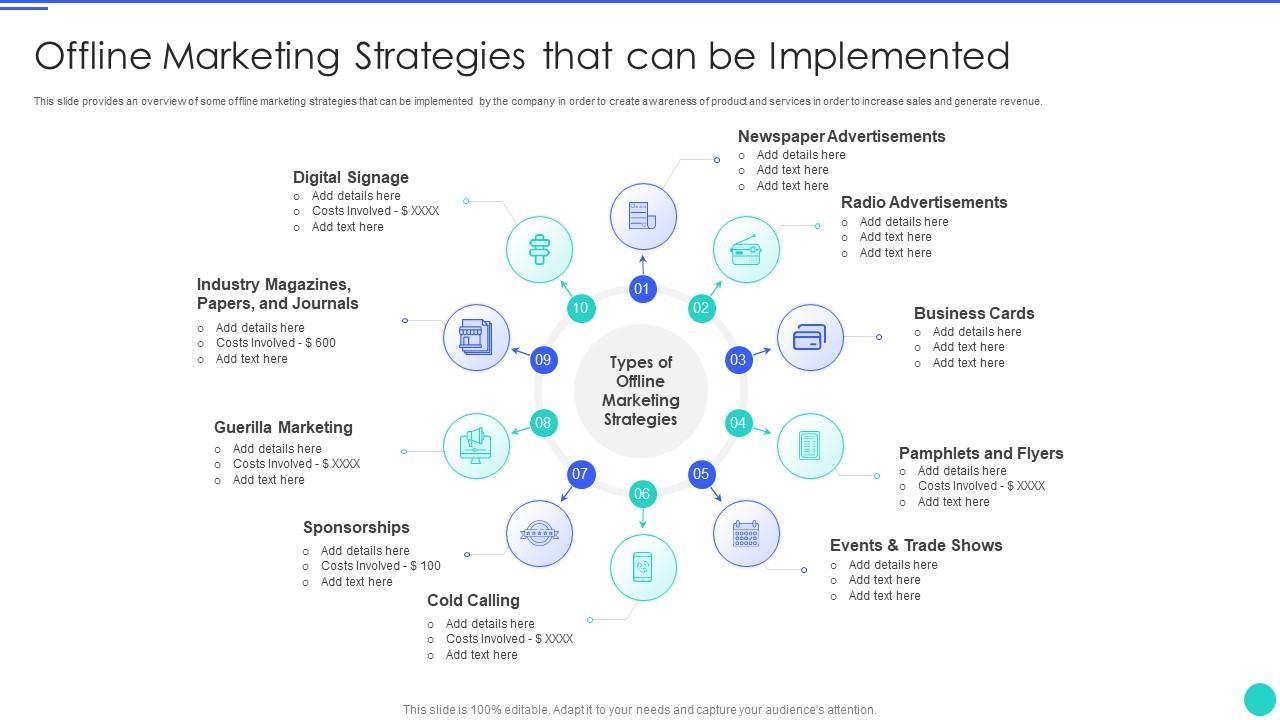
To carve out a niche in the realm of non-digital business, embracing a unique value proposition is essential. Consider offering products or services that prioritize the sensory experience—like artisanal goods or curated local tours. This approach can foster personal connections with customers, heightening customer loyalty. Moreover, leveraging community engagement through events can create buzz around your venture and establish a loyal customer base. Strategies may include:
- Workshops: Host hands-on workshops to share skills and build community.
- Pop-Up Events: Create temporary retail experiences in local markets or fairs.
- Collaborations: Partner with local artisans to cross-promote products or services.
Additionally, operational simplicity can significantly enhance profitability. By minimizing overhead costs and utilizing straightforward business models, you can focus more on customer satisfaction and less on complex logistics. A straightforward direct-to-consumer approach can be notably effective. Here’s a basic comparison of various offline business structures:
| Business Model | Cost Efficiency | Customer Engagement |
|---|---|---|
| Local Cafe | Moderate | High |
| Farmers Market Stall | Low | very High |
| Handmade Crafts Shop | moderate | High |
Consumer Trends Driving the Demand for Tech-Free Experiences
As society becomes increasingly entwined with technology, a counter-movement is emerging that craves disconnection and simplicity. Consumers are seeking refuge from the overwhelming digital noise that fills their daily lives, resulting in a growing interest in tech-free environments. Manny individuals are embracing the values of mindfulness and presence, prioritizing activities that promote mental well-being. This shift has birthed an array of businesses that cater to these desires, offering experiences designed to help people unwind, rejuvenate, and reconnect with themselves and their surroundings.From digital detox retreats to nature-centric excursions, these enterprises are redefining what it mean to experience leisure.
The appeal of these tech-free experiences is multifaceted, resonating with diverse demographics seeking a break from the screen-centric lifestyle.Key motivations driving this trend include:
- Stress Relief: Many consumers report feeling overwhelmed by constant notifications and digital dialog, prompting a desire to unplug.
- Connection: As interpersonal relationships shift more to digital platforms, people yearn for authentic, face-to-face interaction.
- Health Benefits: Mindfulness practices and nature immersion are linked to improved mental health, fostering a positive feedback loop.
In response to this growing demand, businesses are innovating ways to create enriching offline experiences. As an exmaple:
| Type of Experience | Key Features |
|---|---|
| Wellness Retreats | Yoga,meditation,nature walks |
| Art & Craft Workshops | Hands-on creativity,social interaction |
| Outdoor adventures | Hiking,camping,guided explorations |
These offerings resonate profoundly with those craving an escape from digital distractions,demonstrating that the demand for tech-free experiences is not only a trend but a profound shift in consumer behavior.
Marketing Your Anti-Tech Business: Connecting with a Niche Audience

To effectively reach and engage your target demographic, it’s essential to define your audience clearly. Research and understand the values and motivations that drive individuals who are disillusioned with technology.Is it a desire for simplicity, a quest for authenticity, or perhaps a longing for a more communal lifestyle? Tailoring your messaging to resonate with these motivations can foster a deeper connection. Consider employing grassroots marketing techniques, such as local workshops or community events, where you can showcase your products or services in an environment that aligns with your audience’s ideals. These face-to-face interactions can create genuine connections that digital advertising often lacks.
Utilizing social media can be a paradox in the promotion of an anti-tech business, but it can be effective if used mindfully. Focus on platforms that encourage community-building, such as Facebook groups or niche forums, where you can share thought-provoking content that aligns with your brand’s values.Creating content that educates rather than sells—like blog posts on the benefits of a tech-free lifestyle—can position your brand as a thought leader in this space. Furthermore, consider forming partnerships with like-minded organizations or influencers who can amplify your message. This collaborative approach not only enhances credibility but also allows you to tap into their audience, introducing your brand to potential customers who are ready to embrace a life offline.
Future Outlook: The Longevity of Anti-Tech Initiatives in an Increasingly Digital World
As the digital landscape continues to evolve, the counter-movement of anti-tech initiatives emerges as a paradoxical yet compelling response to our hyper-connected lives. These ventures thrive by offering unique experiences and tangible alternatives to digital engagement. With a burgeoning demand for mindful consumption and authentic connections, many entrepreneurs are capitalizing on the desire to unplug, paving the way for businesses that prioritize human interaction and sustainability. Potential areas of growth include:
- Offline Retreats – Spaces where individuals can disconnect from technology and reconnect with nature or themselves.
- Handcrafted Goods – Products made without the use of machinery or technology that emphasize artisanal skills.
- Community Workshops – Events that foster learning in traditional crafts, cooking, or gardening.
The longevity of these initiatives hinges on a cultural shift that values personal interactions, mental well-being, and sustainability over relentless consumption. As technology permeates all aspects of life,the juxtaposition of the offline world will likely gain traction,leading to a rise in enterprises that promote living in the moment. Research suggests that the focus on emotional health and community is prompting consumers to seek out:
| Focus Area | Potential Growth |
|---|---|
| Digital Detox | High demand in wellness retreats and programs. |
| Local Economy | Increased support for local artisans and markets. |
| mindful Living | Growth in practices promoting self-awareness and minimalism. |
Q&A
Q&A: The Rise of “Anti-Tech” Businesses: Making Money by Staying Offline
Q: what are “anti-tech” businesses?
A: Anti-tech businesses are enterprises that intentionally operate outside the tech-driven landscape that’s become ubiquitous in modern life. These businesses embrace simplicity and often focus on providing experiences or products that promote offline living, allowing customers to escape the constant digital noise.
Q: Why are people gravitating towards anti-tech businesses?
A: In our hyper-connected world, many individuals are seeking balance and respite from the overwhelming nature of technology. Concerns about privacy, mental health, and the relentless pace of online interaction have led some to prefer environments that prioritize face-to-face connections, tangible experiences, and a slower lifestyle.
Q: Can you give examples of anti-tech businesses?
A: Certainly! Examples include bookstores, farmer’s markets, art studios, workshops that teach traditional crafts, and even retreats focused on mindfulness and digital detox. These businesses often thrive on the appeal of authenticity, craftsmanship, and community engagement.
Q: How do anti-tech businesses market themselves in a tech-driven age?
A: Interestingly, many anti-tech businesses utilize a selective approach to technology. They may maintain a minimalist online presence, relying on word-of-mouth, local community events, and social media sparingly to highlight their unique offerings.Their marketing often emphasizes personal relationships and the value of real-world experiences.
Q: What financial benefits do these businesses reap by staying offline?
A: By focusing on an offline model, these businesses can build strong local customer bases and often enjoy lower overhead costs associated with online operations. Additionally, they capitalize on the growing trend of consumers willing to pay a premium for authentic, offline experiences that tech-centric businesses cannot provide.
Q: Is thriving as an anti-tech business lasting long-term?
A: Sustainability depends on various factors, including market demands, location, and the unique value proposition of the business. While some may flourish in their niche, it’s vital for these businesses to remain adaptable to changing consumer preferences. Balancing tradition with innovation, even minimally, could be key to their longevity.
Q: How do anti-tech businesses impact their communities?
A: These enterprises frequently enough foster a sense of community and belonging by encouraging local engagement and interaction. They may support local artisans, promote regional products, and create spaces for people to gather and connect, ultimately enhancing community resilience and social bonds.
Q: Will the trend of anti-tech businesses continue to rise?
A: Given the current trajectory of societal interest in mindfulness, sustainability, and personal well-being, it seems likely that the anti-tech movement will persist.As more individuals recognize the value of unplugging, the demand for businesses that prioritize offline experiences may grow, offering a compelling counter-narrative to the omnipresence of digital culture.
Q: Should existing tech-centric businesses be concerned about the rise of anti-tech businesses?
A: While there may be some competition, tech-centric businesses can also find opportunities in this trend. By incorporating elements that promote balance—such as mindfulness initiatives,in-person customer service,or curated experiences—tech businesses can engage with this growing consumer segment rather than viewing anti-tech businesses purely as rivals.
Key Takeaways
In an era dominated by screens and constant connectivity, the emergence of “anti-tech” businesses presents a compelling counter-narrative. these enterprises, championing simplicity and offline experiences, highlight a growing desire among consumers to reclaim their time, attention, and well-being. As we navigate the complexities of a hyper-digitized world, the success of these businesses invites us to reflect on the balance between digital engagement and the serene allure of the analog. whether it’s a cozy bookstore tucked away from the online hustle or a retreat offering unplugged tranquility, these ventures illustrate that sometimes, the most rewarding path is the one less traveled. As we close this exploration of the rise of anti-tech businesses, it’s clear that in seeking to disconnect, many are finding a meaningful way to reconnect—not just with their surroundings, but with themselves. The future of business may not just be about technology but also about mindful choices and fostering genuine connections in our increasingly fast-paced lives.