

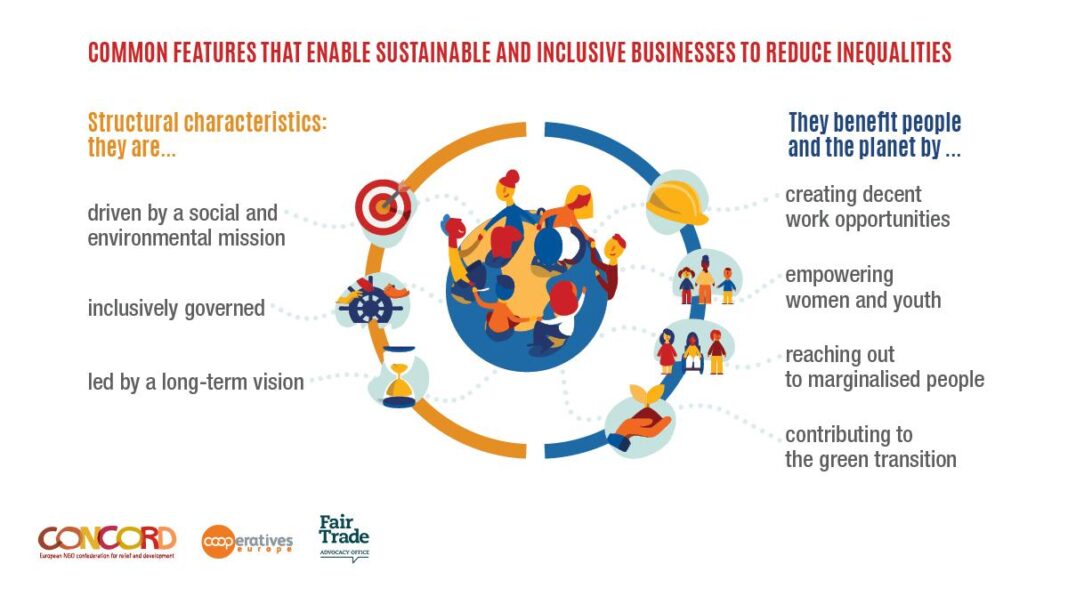

In a world where traditional business practices often prioritize profit over people, a new paradigm is quietly taking root, reshaping the landscape of commerce as we know it. Enter the rise of community-powered business models-a movement emerging from the collective will of engaged individuals who are not just consumers, but active participants in the economic ecosystem. This innovative approach harnesses the strength of local networks, fosters collaboration, and emphasizes sustainability, transforming the way goods and services are produced, shared, and valued. As we delve into the intricacies of this trend, we will explore how communities are leveraging their unique strengths and resources to create resilient businesses that not only thrive but resonate on a deeper level with the values and aspirations of their members. Join us on this journey to understand the meaning of community-driven initiatives and their potential to redefine success in the business world.
Understanding Community-Powered Business Models and Their Impact

The shift towards community-powered business models has sparked a profound change in how companies interact with their consumers. This innovation fosters collective ownership and participation, allowing customers to become more than just passive buyers; they are now active contributors. Such models embrace collaborative efforts, where feedback loops between businesses and their audiences lead to enhanced products and services tailored to community needs.Key characteristics of these models include:
- Transparency: Open communication cultivates trust and loyalty.
- Shared values: Aligning business objectives with community interests drives engagement.
- Co-created value: Customers actively participate in the development process,leading to enriched offerings.
This participatory approach not only promotes customer advocacy but also strengthens the brand’s identity by embedding it within the community. The effects are multifaceted; businesses witnessing a rise in customer retention, increased brand loyalty, and a vibrant ecosystem that benefits all participants. By leveraging the power of community, companies can rapidly adapt to feedback, enhance product offerings, and ultimately create a sense of shared purpose. Consider the following table that illustrates some well-known brands leveraging community-driven models:
| Brand | Model Type | Community Role |
|---|---|---|
| LEGO | Crowdsourcing | Design submissions from fans |
| Patreon | Membership | Creators funded by their followers |
| Airbnb | Peer-to-peer | Hosts and travelers connecting |
The Role of Technology in Fostering Collaborative Economies
In an age where traditional business models face mounting challenges, technology has emerged as a pivotal force in shaping community-powered business frameworks. Platforms like blockchain, social media, and crowdfunding enable individuals to collaborate seamlessly, pooling resources and talents to create sustainable enterprises. These technologies not only enhance transparency but also foster trust among participants, paving the way for innovative solutions and greater participation in local economies.
Moreover, the advancement of tools such as collaborative apps and data analytics allows businesses to harness the collective intelligence of their communities. By leveraging user-generated content and feedback, companies can refine their offerings to better meet the needs of their customers. The integration of technology in these collaborative models encourages a vibrant ecosystem where resources are shared, knowledge is exchanged, and more personalized products and services emerge, ultimately benefiting everyone involved.
Building Trust and Engagement within Community-Driven Enterprises
Trust and engagement are the cornerstones of any successful community-driven enterprise. By fostering a culture of transparency and collaboration, businesses can create an environment where community members feel valued and empowered. This can be achieved through:
- Active Communication: Regular updates and open dialog foster a sense of belonging.
- Shared Values: Aligning the enterprise’s mission with the community’s interests enhances commitment.
- Recognition and Rewards: acknowledging contributions boosts morale and encourages participation.
Moreover, engaging the community in decision-making processes not only builds trust but also cultivates loyalty. By implementing surveys, feedback sessions, and collaborative brainstorming, businesses can leverage the collective wisdom of their members. The impact of these practices is notable in the following ways:
| Engagement Strategy | Impact |
|---|---|
| Community Surveys | Identify needs and preferences |
| Feedback Sessions | enhance product/service quality |
| Collaborative Projects | Strengthen community bonds |
Case Studies: Successful Community Business Models in Action

Across the globe, innovative communities are harnessing collective resources to drive successful business models. One compelling example is the resurgence of local cooperatives, where businesses operate for the benefit of their members. These cooperatives emphasize shared profits and community involvement, leading to economic resilience. As a notable example, the La Montañita Food Co-op in New Mexico has demonstrated that prioritizing local sourcing and member engagement not only boosts local economies but also enhances community spirit. By offering organic products and educational workshops, they effectively fulfill both nutritional needs and the desire for a connected community.
Another engaging case is the rise of online platforms that promote community-driven marketplaces. Platforms like Nextdoor and Patreon allow members to trade goods or support creative projects while fostering local relationships. This approach empowers individuals to monetize their skills while keeping profits within the community. A recent analysis of successful online community marketplaces highlighted the following key features:
| Feature | Description |
|---|---|
| User Engagement | Active participation leads to tailored offerings. |
| Local Focus | Encouraging transactions within geographic boundaries strengthens local economies. |
| Recurring Revenue | Subscription models provide stable income for creators and platforms. |
Strategies for Implementing Community-Driven Practices

To foster community-driven practices, empowering stakeholders to be active participants is crucial. Businesses can achieve this by leveraging social platforms and tools to facilitate open communication. Engaging stakeholders creates a roadmap where community members feel valued and heard. Consider the following strategies:
- Regular feedback loops: Implement surveys and polls to gauge the community’s needs and preferences.
- Collaborative projects: Involve community members in brainstorming sessions for new products or services.
- Skill-sharing workshops: Organize events where community members can share their expertise, strengthening bonds and promoting collaboration.
Furthermore, translating community insights into actionable strategies is vital for sustainable growth. This can involve creating dedicated advisory boards consisting of community representatives to inform decision-making processes. To track the effectiveness of these community-driven initiatives, businesses should:
| Metric | Measurement Method | frequency |
|---|---|---|
| Community Engagement | Social Media Interactions | Monthly |
| Feedback Implementation | Post-Implementation Surveys | Quarterly |
| Event Participation | Attendee Count | After Each Event |
Creating a feedback-rich environment enhances trust and strengthens relationships, resulting in a loyal community that is integral to the business’s success.
Measuring Success: Key Metrics for Community-Powered Businesses

In the realm of community-powered businesses, success is often measured through unique metrics that reflect not only financial performance but also the strength and engagement of the community. Key performance indicators (KPIs) such as community engagement rates, member growth, and customer retention are crucial. These metrics help gauge the loyalty and satisfaction of your community,revealing how well you are addressing their needs and aspirations. Tracking social media interactions and content shares can also provide insights into how your brand is perceived within the community, indicating the effectiveness of your messaging and outreach efforts.
Another vital aspect to consider is the impact of your community initiatives on overall business performance.Metrics like Net Promoter Score (NPS), which measures customers’ likelihood to recommend your products or services, can pinpoint areas for improvement and enhance word-of-mouth marketing. Additionally, analyzing sales conversion rates from community-driven campaigns can highlight the ROI of community engagements. Here’s a simple table outlining these essential metrics and their significance:
| Metric | Significance |
|---|---|
| Community Engagement Rate | Measures active participation and interaction within the community. |
| net Promoter Score (NPS) | Indicates customer satisfaction and likelihood of referrals. |
| Member Growth | Tracks the expansion of your community and potential market reach. |
| Sales Conversion Rate | Evaluates the effectiveness of community-driven sales efforts. |
Future Trends: Evolving Community Dynamics in Business Landscapes
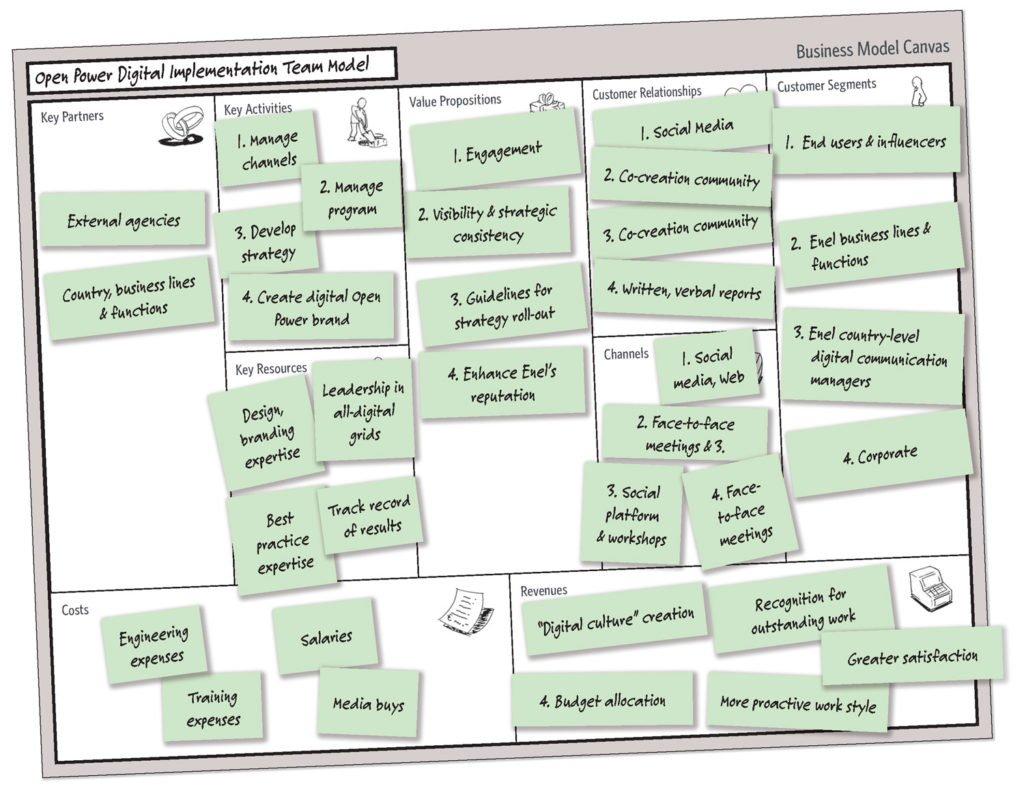
The business landscape is undergoing a seismic shift as companies increasingly leverage the power of community-driven initiatives. The traditional models that rely solely on top-down structures are giving way to ecosystems where collaboration and co-creation are at the forefront. Key elements shaping this evolution include:
- Inclusivity: Businesses are recognizing the value of involving customers, employees, and stakeholders in decision-making processes, fostering a sense of ownership.
- Engagement: Brands are not just selling products; they’re cultivating communities that share values and passions, driving loyalty and brand advocacy.
- Transparency: Open communication allows for trust-building, as businesses share their processes and invite feedback, making customers feel integral to the experience.
This shift is being manifested in various forms of community-powered business models that emphasize shared goals and mutual benefit. As a notable example, many brands are adopting subscription services that offer members exclusive content or products, while concurrently creating forums where users can provide input and feedback. Here’s a brief overview of some models reshaping community engagement:
| Business Model | Community Role | Benefit |
|---|---|---|
| Subscription Services | Members contribute to product development | Increased customer loyalty |
| Crowdfunding Platforms | Backers influence project direction | Higher project success rates |
| open Source Projects | community provides code and resources | Rapid innovation and improvements |
Future Outlook
As we stand on the threshold of a new era in commerce, the rise of community-powered business models invites us to reimagine the traditional paradigms of entrepreneurship. These models, nurtured by collaboration and fueled by shared values, challenge the notion of individualism in business, paving the way for inclusive growth and collective empowerment. as communities tap into their unique strengths and insights, we witness not just the birth of innovative products and services, but a cultural shift toward prioritizing sustainability, social obligation, and transparency.
In this ever-evolving landscape, the potential for transformation is limitless. As businesses harness the power of their communities, they are not merely creating economic opportunities but are fostering connections that transcend transactional relationships. This symbiosis encourages a vibrant ecosystem where consumers become advocates, and every transaction tells a story of collaboration.
As we move forward, it will be essential to remain attuned to these shifts, embracing the opportunities that arise while acknowledging the challenges ahead. The future of business lies in our ability to listen,adapt,and engage with our communities authentically.Ultimately, the rise of community-powered business models is more than a trend; it is indeed a movement towards a more equitable and sustainable economic landscape. And as we navigate this journey together, we hold the power to redefine success-not just for ourselves, but for the communities we are proud to serve.