



A storefront with a barcode scanner in the window and a chatbot waiting behind the counter: this is not a glimpse of the future so much as the silhouette of today’s commerce. Across neighborhoods and server racks, businesses are weaving together pixels and pavement, creating models that are neither purely online nor purely physical but a intentional hybrid of both. The result is a quiet reimagining of how goods are discovered, purchased and experienced.
Hybrid businesses blend digital tools – apps, data analytics, remote fulfillment – with tangible assets like retail spaces, local teams and in-person services. That fusion responds to shifts in technology, consumer expectations for convenience and personalization, and economic pressures that favor adaptability. The hybrid model is not a single template but a spectrum: from digitally native brands adding pop-ups, to legacy retailers rebuilding their online ecosystems.
This article will map the rise of these blended enterprises, examine the forces propelling them, and unpack the operational trade-offs and opportunities they introduce. By tracing patterns across industries and highlighting practical examples, we aim to clarify what hybrid business means in practice and why it is reshaping the landscape of commerce.
blending Digital and Physical Spaces to Build Resilient, Customer Centric Brands
Brands that thrive today treat stores and screens as complementary stages of the same story, designing experiences where a mobile tap completes what began in a storefront and an in-store demo sparks a months-long subscription. By weaving frictionless journeys and consistent identity across touchpoints, companies build resilience not through redundancy but through adaptive pathways that preserve customer trust even when channels or supply chains hiccup. this is less about technology for its own sake and more about choreography - choosing the right moment to surface personalization, when to hand off from bot to human, and how to make every interaction feel intentional.
- Seamless checkout – single cart and payment across web, app, and in-store.
- Context-aware offers – promotions that react to real-time behavior and location.
- Unified data – customer profiles that power service without redundant requests.
- Physical touchpoints as media – stores, pop-ups, and events that build brand memory.
leaders measure success with new KPIs that value continuity and optionality: customer lifetime value tied to omnichannel engagement, return rates as signals for product-market fit, and Net Promoter shifts after experiential changes.Investing in modular operations – from flexible fulfillment nodes to training floor staff as community curators – lets brands iterate quickly while keeping the customer at the center. In practice, that means small experiments in one neighborhood can inform global rollouts, and digital analytics become the microscope that reveals how physical moments move hearts and wallets.
Designing Seamless Customer Journeys across Online and In store Channels with Practical Integration Tactics
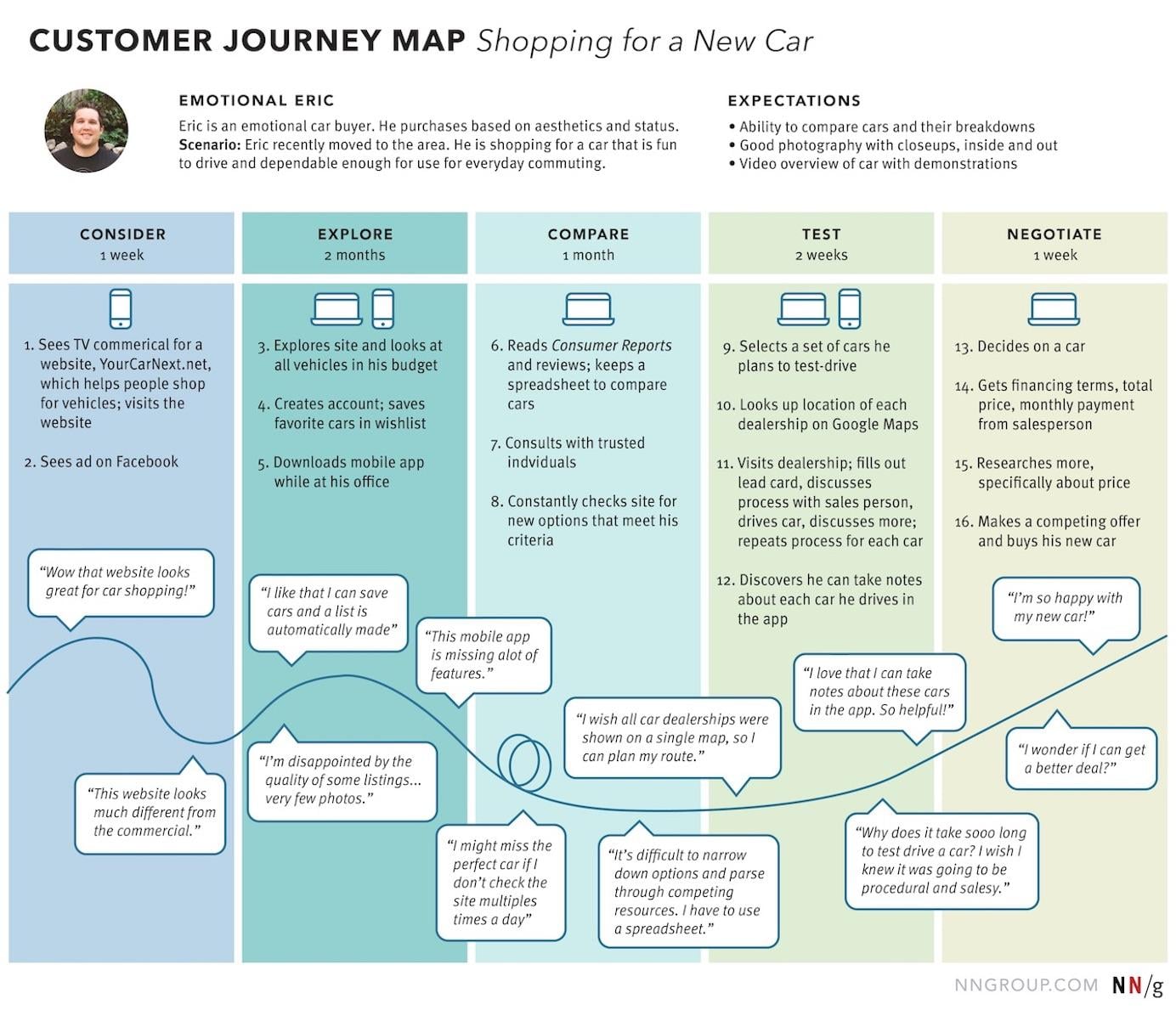
Designing a truly connected experience means thinking like the customer as they move between pixels and pavement. Start by mapping shared moments-browsing, reserving, trying, buying, returning-and stitch them together with consistent messaging, synchronized data, and empowered store teams. Practical tactics include:
- Unified CRM to preserve context from web chat to in-store service
- Real-time inventory feeds so online availability matches the shop floor
- Click‑and‑collect flows that reduce friction and celebrate speed
- Flexible returns that honor purchases regardless of channel
- Staff enablement with mobile tools for upsell and personalization
measure,iterate,and prioritize the small conveniences that compound into loyalty: turn qualitative feedback into A/B tests,instrument queue times and conversion paths,and pilot integrations before scaling. A compact reference helps teams align quickly:
| Tactic | Customer Impact |
|---|---|
| Unified CRM | Personalized service across channels |
| Real-time Inventory | Fewer stockouts, faster pickup |
| Staff tablets | Faster answers, better recommendations |
Leveraging Data, Sensors and AI to Personalize Experiences and Optimize Inventory in Real Time
Physical storefronts and digital touchpoints now speak the same language: data. Tiny sensors tucked into shelves, cameras that anonymize movement, and app telemetry feed a constant stream of context that AI transforms into meaningful action. From subtle product nudges to in-aisle promotions timed to a shopper’s pace, experiences become context-aware and delightfully personal.Consider the building blocks that power this shift:
- Footfall analytics that reveal hot paths
- Shelf sensors tracking depletion in real time
- Mobile signals syncing online browsing with in-store intent
- Purchase history and preferences fueling recommendations
Behind the scenes, those same inputs tighten inventory control so shelves match demand with surgical precision. Machine learning models predict micro-trends, enabling just-in-time inventory and dynamic allocation between stores, lockers, and micro-fulfillment centers. The result is less waste, fewer stockouts, and pricing that adapts to momentary scarcity or surplus-delivering a seamless experience where digital promises are honored by physical availability in real time.
Operational Playbook for Staffing, Fulfillment and supply Chain Adaptation in Hybrid Models

Build an elastic workforce that behaves like a living organism – cross-trained,measurable and on-call – so seasonal swings and pop-up experiences don’t break customer promise. Blend predictive scheduling with human-centric versatility: empower shift-swapping marketplaces, maintain a core of multi-skill anchors, and pair gig pools with internal float teams to preserve institutional knowledge while scaling quickly.
- Cross-training: reduces single-point failure and speeds redeployment.
- Predictive schedules: align labor to demand peaks without overstaffing.
- Talent micro-pools: shared across locations to optimize utilization.
Make fulfillment and the supply chain act like a real-time orchestration engine: micro-fulfillment nodes, dynamic routing and inventory-as-a-service models that shift inventory fluidly between online and physical touchpoints. Prioritize local sourcing, modular packaging, and carrier diversity so promises stay reliable even when conditions change.
- Ship-from-store: shortens lead times and increases SKU availability.
- Inventory pooling: reduces safety stock while protecting service levels.
- Dynamic routing: adjusts costs and delivery times in real time.
| strategy | Speedy Win |
|---|---|
| Micro-fulfillment hubs | Same-day options |
| Vendor-managed inventory | Lower stockouts |
| Carrier mix flexibility | Resilience in disruption |
Monetization Pathways That Tie Subscriptions, Experiences and Transactional sales into Sustainable Revenue

Think of revenue as a fabric where recurring threads hold the weave and one-off patterns catch the eye: anchor the model with subscriptions for predictable cash flow, design in-person and virtual gatherings to convert attention into loyalty, and keep frictionless transactional touchpoints to capture spontaneous demand. Practical levers that unite these streams include an emphasis on layered value, cross-channel convenience, and community incentives – small, repeatable design choices that compound into stability:
- Tiered memberships with premium experiences
- Pop-up events and hybrid classes to drive revelation
- Seamless checkout + micro-transactions for impulse buys
- Data-driven personalization to boost retention
- Community perks that turn customers into advocates
When these elements are intentionally bundled, they create multiple, reinforcing revenue engines – predictable monthly income from members, high-margin experiential revenue, and spikes from transactional sales that react to demand signals. Track simple metrics like ARPU and churn while experimenting with pricing and bundles, and you’ll see how mixes change across channels; a quick snapshot of possible allocations:
| Stream | Primary Benefit | Example |
|---|---|---|
| Subscription | Predictable base | $10/mo |
| Experiences | Engagement & premium | $75/event |
| Transactional | Upsell & convenience | $20/tx |
Measuring Success Through Outcome Driven Metrics, continuous Experimentation and Governance
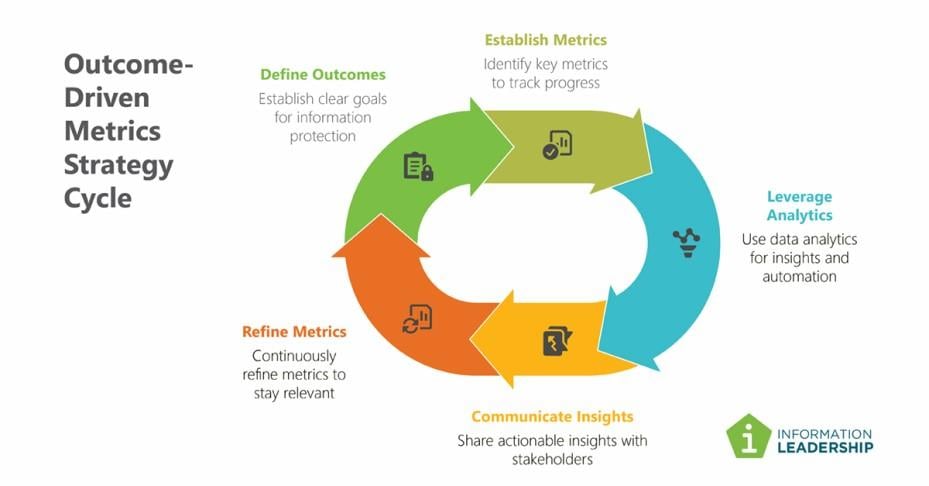
Outcome-driven metrics shift the conversation from activity to impact: rather of counting features launched or stores opened, leaders track the value created for customers and the business. In hybrid businesses that blend digital convenience with physical presence, this means measuring cross-channel retention, friction-free conversions, and the net economic contribution of each customer journey. Focus on a compact set of signals that tie directly to strategic goals:
- Customer Lifetime value (CLV) – predicts long-term revenue from combined digital and in-person interactions.
- Experience Continuity – unified NPS/CSAT measured across app, web and store touchpoints.
- Fulfillment Velocity – time-to-serve whether pickup, delivery, or in-store assistance.
- Cost-to-Serve – full-channel economics that reveal profitable behaviors.
Pair those measures with a culture of rapid, disciplined experimentation and clear governance: run small, iterative tests that expose assumptions, then scale winners across channels while protecting customers and margins. Create an experiment registry,decide on pre-defined success thresholds,and use feature flags to decouple release from launch. A compact governance table keeps rules visible for product teams and executives:
| Practice | Why it matters |
|---|---|
| Experiment Cadence | Fast learning reduces time-to-value. |
| Decision Guardrails | Protects brand and margin while scaling winners. |
| Measurement Platform | Single source of truth across digital + physical signals. |
Future Outlook
As the lines between screens and storefronts blur, the story of commerce is being rewritten in ink and pixels.Hybrid businesses are not simply a merger of channels but a new choreography: inventory,data and human touch moving in step to meet customers where they live and shop. The rise of this model reflects changing expectations – convenience and experience no longer compete, they coexist.
that coexistence, however, is practical as much as it is poetic. Success hinges on orchestration: thoughtful technology, resilient operations, and an eye for the human moments that make brands memorable.For every seamless click-and-collect there will be integration problems to solve and trade-offs to weigh,which makes experimentation and careful measurement essential.Ultimately,the hybrid future is less a destination than a direction. Businesses that learn to balance agility with craft will shape what retail, services and work feel like in the years ahead – not by abandoning what came before, but by weaving digital capabilities into the fabric of the physical world.