

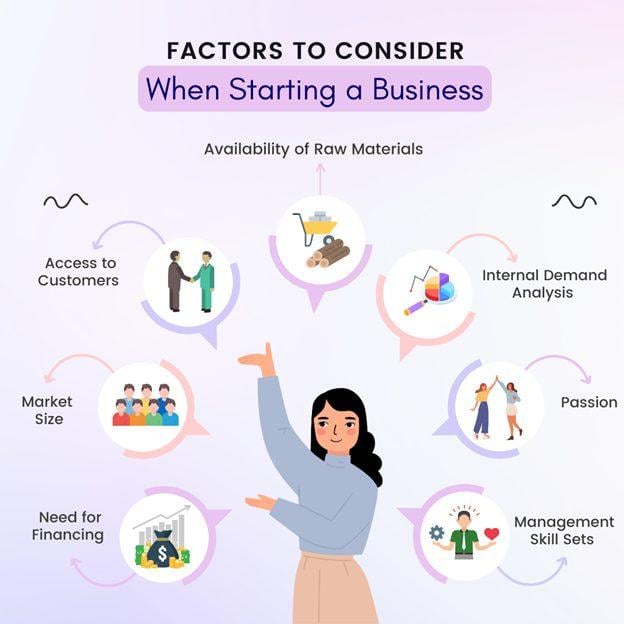

“How to design business offers that feel like opportunities, not sales.”
Imagine standing at a door that’s ajar – not because someone is pushing you inside, but because something interesting spills into the hallway: light, laughter, a faint scent of possibility. That’s the experience of an offer that reads like an chance. It invites inspection, sparks curiosity, and leaves the choice to step through entirely up to you.
Too frequently enough, business offers arrive as blunt instruments: hard calls to action, listless benefits, pressure wrapped in urgency. They trigger reflexive resistance rather than thoughtful consideration. The difference between a pushy pitch and a persuasive opportunity isn’t sleight of hand; it’s design – a deliberate shaping of message, context, and perceived agency that aligns what you sell with what people want.This article will unpack the principles that turn proposals into invitations: clarity over clutter, relevance over volume, autonomy over pressure, and framing over force. You’ll see how small shifts in language, structure, and timing make an offer feel like a door gently opened rather than one slammed in someone’s face – and why that subtlety matters for long-term relationships and real conversions.
Invite participation by framing offers as transformative opportunities tied to tangible outcomes

Turn a pitch into an invitation by describing the path your customer will walk and the concrete signs they’ll see along the way. Ground the story in short-term wins and visible measurements-these are your hooks. Use simple, specific promises that map to real business moments, then back them with an easy first step. Examples of what to highlight include:
- Measurable milestones: revenue lift, conversion increase, or time saved in 30-90 days
- Clear ownership: who does what, and how progress is reported
- Low-risk pilot: a small-scale test with defined success criteria
phrase your CTA as an offer to partner, not to sell-words like “try,” “co-design,” or “pilot” invite experimentation and shared duty. Emphasize that the opportunity is collaborative and outcome-focused; for exmaple, “Join a 30-day pilot to capture an immediate 10% efficiency gain” feels like a mutual experiment rather than a transaction. Pair that language with proof points-case snapshots, short timelines, and a simple next step-and you create an irresistible, participation-first proposition that people want to sign up for.
Map the customer journey to remove friction and create clear low commitment entry points
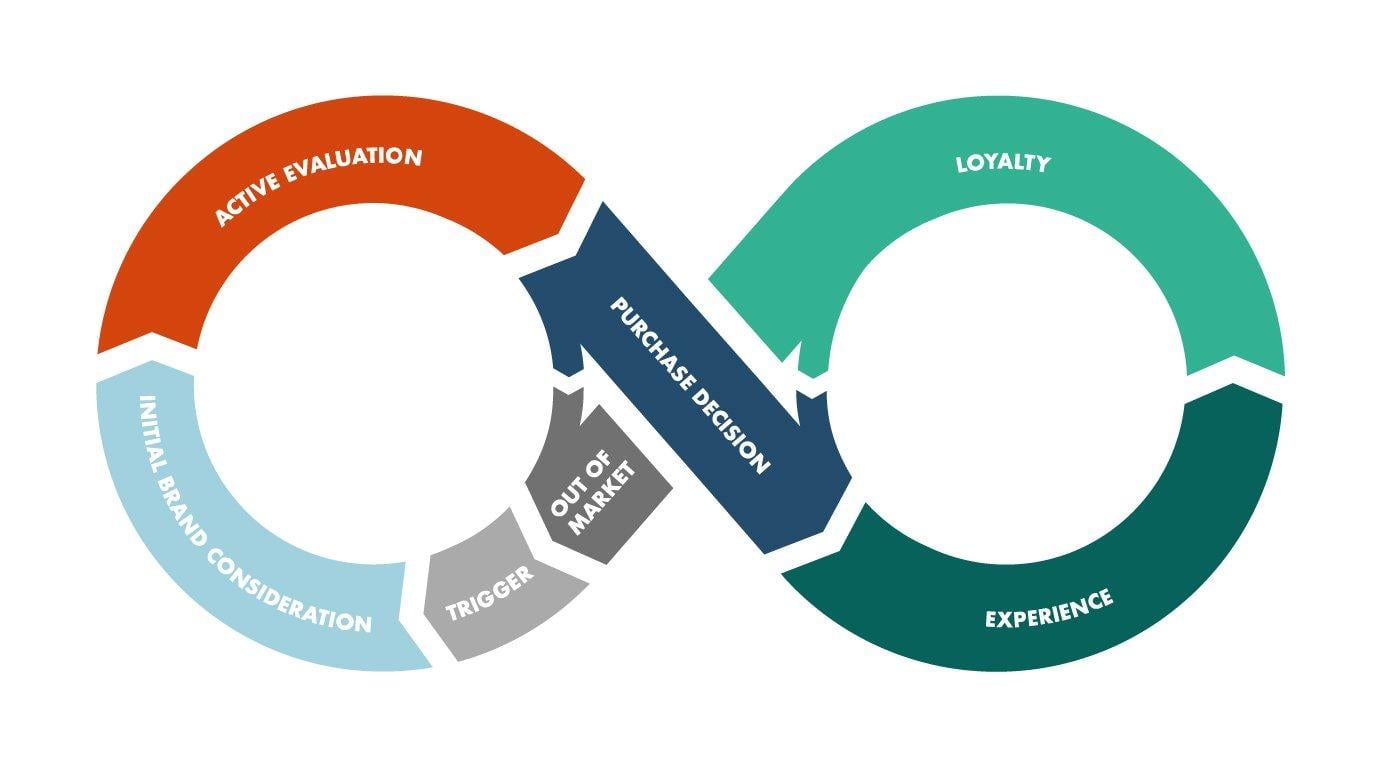
Think of the customer journey as a river: your job is to remove the rocks that make people hesitate and cut channels where curiosity can flow easily. Start by sketching each touchpoint and the emotion tied to it, then design small, low-commitment entry points that invite exploration rather than demand a purchase. Use micro-commitments to build momentum – tiny promises that are simple to say yes to and easy to keep:
- Free trial with no card – reduces perceived risk immediatly
- One-click micro-offer – a taste of value in under a minute
- Guided mini-demo – a hands-on peek that solves one small problem
These tiny wins clarify value quickly and turn curiosity into ongoing engagement.
Translate your map into repeatable paths: make each path obvious, instrument it, and prune anything that causes sticking points. Run short experiments to compare signals – not just purchases,but clicks,time-to-first-success and micro-conversions – then iterate. The table below is a simple blueprint you can copy into a test plan and adapt to your product:
| Stage | Low-commitment Entry | Signal to Measure |
|---|---|---|
| Awareness | Quick checklist | CTA click-through |
| Consideration | 2-min video demo | Watch completion % |
| decision | Risk-free starter pack | Trial start rate |
Keep the paths short, the asks tiny, and the follow-ups helpful - that’s how offers stop feeling like sales and start feeling like opportunities.
Speak with value first language that translates features into everyday gains and measurable ROI

Reframe product details into practical wins your customer recognizes the moment they read them: an easier workflow, fewer errors, or time recovered every week. Use plain outcomes and short math-minutes saved, percentage uplift, or dollars not spent-to make benefits tangible. Led with clear promises, then back them with simple signals: customer stories, a quick case stat, or a time-to-value estimate. concrete outcomes > feature lists. Examples you can drop into copy right away:
- Automated reporting – frees up ~3 hours/week per manager; faster decisions.
- One-click integrations – cuts onboarding time from days to hours, accelerating go-live.
- Predictive alerts – reduces incident costs by catching issues before escalation.
- Self-serve analytics – empowers teams to act without IT, boosting throughput.
Turn claims into quick calculations so prospects see the ROI without arithmetic: show the metric, the timeframe, and the source of the gain. Below is a compact way to present a feature alongside the everyday benefit and the ROI cue that buyers care about:
| Feature | Everyday Benefit | ROI Signal |
|---|---|---|
| Auto-sync | Eliminates manual data entry | Save 10 hrs/month |
| Smart routing | Gets requests to the right person faster | 20% faster resolution |
| Cost dashboard | Shows where spend leaks are happening | Identify 5% reducible spend |
Always close with the measurable takeaway: who saves what, by when, and how you proved it.
Build trust with transparent pricing, credible social proof and guarantees that lower perceived risk
When you strip away mystique and present costs as clear, line-item choices, your offer stops feeling like a pitch and starts feeling like an bright decision. Use simple, predictable price structures, visible comparisons, and short explanations of what each fee buys so prospects can weigh value rather of guessing. Pair those numbers with real-world outcomes – short case snippets, measurable metrics and unvarnished customer quotes – to shift attention from price to potential. And don’t underestimate the quiet power of a straightforward promise: a clear refund window, trial access or outcome milestones makes experimentation painless and reframes the purchase as low-risk exploration.
Practical moves you can implement today:
- Itemized pricing – show what’s included and what’s optional so buyers control scope and spend.
- Social proof with context – pick testimonials that state specific results,not just praise.
- Visible guarantees – publish a simple, bold guarantee near every CTA to reduce hesitation.
- Preview the process – a short timeline or milestone chart helps prospects imagine success before paying.
| Guarantee | What it fixes | Customer feeling |
|---|---|---|
| 30-day refund | Removes fear of loss | Confident |
| Performance milestone | Shares risk with you | Reassured |
| Free trial | Allows hands-on proof | Curious |
personalize options with segment driven bundles and guided recommendations that match motivations
Think of offers as invitations, not pitches: arrange options that reflect why people came in the first place and nudge them toward value rather than features. Use clear, motivation-led language and let micro-bundles simplify choices – each bundle should answer a single customer need so the decision feels like an upgrade, not a compromise. Small, guided steps increase confidence; consider lightweight tools like short diagnostic quizzes, progressive disclosure, and contextual tips to shape the experience without overwhelming the buyer.
- Micro-bundles: compact, single-purpose combos that reduce cognitive load
- Guided paths: short flows that ask one question at a time
- Anchoring offers: show a clear reference price to highlight perceived value
Design experiments that surface which bundles resonate with which audience slices, then iterate on presentation and incentives based on real behavior. Track simple metrics-engagement with each path, drop-off points, and conversion lift-and let the data inform both content and timing. Below is a quick reference mapping to inspire first iterations, keeping selections tight and motivation-focused so offers feel like opportunities rather of sales.
| Segment | Bundle | Motivation |
|---|---|---|
| time-pressed | Starter + Fast Setup | Quick wins |
| Value-seeker | Core + Extended Warranty | Long-term savings |
| Explorer | trial Pack + Guided Onboarding | Low-risk discovery |
Use ethical urgency and limited availability to encourage action without pressure

When scarcity is honest it becomes an invitation, not a pressure tactic. Explain upfront *why* spots are limited-capacity for one-on-one onboarding,a capped cohort to preserve group dynamics,or a finite batch of bespoke deliverables-and tie that reason to customer outcomes. Be explicit with a
- Small cohorts – ensures attention and results
- Limited runs - protects quality of handcrafted work
- Deadline with context – a window needed to plan resources
This kind of transparency reframes urgency as care: clients choose as the offer aligns with their goals, not because they were hurried into a decision.
Make action effortless and optional so the choice feels like opportunity, not obligation. Use soft CTAs, visible alternatives, and a simple waitlist to reduce fear of missing out:
- Soft CTA – “Learn more” or “Claim a preview”
- Waitlist – keeps interest warm without guilt
- Alternatives – downloadable guides or a self-serve path
Pair each limited element with a clear, honest reason and an easy next step; when people understand the trade-off and retain control, scarcity motivates action without feeling like manipulation.
Insights and Conclusions
Think of an offer as a doorway, not a spotlight. When you design it with clarity, empathy and tangible value, people step through because they see the path ahead – not because they feel pushed. Framing, social proof, risk-reduction and an honest sense of what’s possible transform a pitch into an invitation.You don’t need to overhaul everything at once. Pick one element – simplify the language, highlight the outcome, or remove a friction point – and test it. Small shifts in how you present choices will tell you more than big campaigns about what truly resonates.
Done thoughtfully, your next offer can sound less like a transaction and more like an opportunity. Make the invitation clear, make the benefit real, and then let people choose to walk through.