
They used to arrive on billboards and in carefully timed TV spots – new products rolled out by faceless marketing machines, polished and predictable. Today, launches increasingly look less like corporate announcements and more like performances: a familiar voice, a charismatic founder, or an online creator unveils a product directly to an audience that already feels personally invested. This shift isn’t simply a change in channels; it reframes the product itself as part of a larger personality-driven narrative.
Personality-driven product launches center the human element - trust, backstory, and persona – turning attention into context. Social platforms, live formats, and the creator economy have made it easier for individuals to mobilize communities, amplify pre-launch buzz, and shape consumer expectations in real time. The result is a blending of marketing, entertainment, and product growth where authenticity and relatability often matter as much as features and price.
The implications are broad: product strategy, metrics for success, and even regulatory scrutiny are adapting to campaigns that rely on personal influence rather than customary brand equity. While personality-led launches can accelerate adoption and build loyal followings, they also introduce risks around sustainability, accountability, and message control. In this article we’ll map how this trend emerged,examine the mechanics that power it,and consider the practical trade-offs for companies and creators navigating a marketplace where personality increasingly equals product launchpad.
Why personalities are reshaping product launches and how marketers should adapt
Consumers no longer buy products first and stories second – they buy the person who tells the story. A charismatic founder, a trusted creator, or a niche community leader can turn a quiet SKU into a cultural moment by layering authenticity, context, and a ready-made audience onto a launch. That shift means launches are judged less by technical specs and more by resonance: how a voice frames value, how a narrative maps to identity, and whether early adopters feel like insiders. smart brands stop trying to be neutral broadcasters and instead become collaborators in someone else’s spotlight, amplifying what people already love about the personality behind the product.
the practical playbook is simple but different: focus on partnership design, short-cycle feedback, and measurable storyhooks.
- Co-create assets and key messages with the personality – not just approve them.
- Design for moments (drops, behind-the-scenes, live reveals) rather than single ad pushes.
- Track signals beyond sales – sentiment, community growth, and creator-driven referrals.
- Build legal clarity into creative freedom: clear deliverables, shared ownership of creative IP.
| Personality Type | Launch Advantage |
|---|---|
| Founder-Storyteller | Authenticity & earned media |
| Micro-creator | Niche credibility & high engagement |
| Expert/Host | Trust signals & long-term authority |
Crafting authentic founder narratives that convert audiences into early adopters

True influence starts with a person, not a product. When founders let their quirks, failures, and small triumphs show, they transform marketing into a human conversation. paint a believable arc – the stubborn problem you couldn’t ignore, the late-night experiments, the tiny pivot that changed everything – and pair it with concrete signals of progress (pilot customers, metrics that matter, early testimonials). That mix of narrative warmth and factual proof builds trust quickly because audiences are wired to bet on people they understand.
- Share one specific failure that taught a rule.
- Show a measurable early win (even if small).
- Invite first-users into the next chapter.
The conversion from curious reader to first adopter hinges on two things: clarity and permission. Be explicit about what using the product will change and give people an easy, low-risk way to opt in – an invite, a limited beta, or a feedback seat at the table. Use storytelling beats as scaffolding: set the problem, reveal yoru unconventional approach, and close with a clear next action. Over time,those narrative-driven conversions compound into a loyal launch cohort who feel ownership of the idea as much as you do.
Designing launch funnels powered by creator communities and data driven KPIs
When personalities-not just products-drive the narrative,launch funnels become living ecosystems where creators act as both megaphones and product designers.A creator-led funnel privileges authentic storytelling, staggered exclusives, and micro-community rituals (early-access rooms, creator-hosted AMAs, and co-created drops) that convert attention into allegiance. Rather than forcing a one-size-fits-all cadence, teams map experiments around creator strengths: some amplify reach via viral short-form, others deepen intent with long-form demos and community threads. Data then closes the loop-real-time feedback on sentiment, engagement velocity, and creator-attributed conversions tells you which threads to pull and which storytellers to double down on.
Turn that insight into a simple, repeatable playbook: identify creator archetypes, design bespoke funnel moments, measure, iterate. Operational checklist:
- Seed: co-create teaser content with micro-communities
- Activate: creator-hosted launch events and limited offers
- Nurture: creator-led onboarding sequences and community challenges
- Scale: use top-performing creators to widen reach and refine messaging
| Funnel Stage | KPI | Swift Benchmark |
|---|---|---|
| Awareness | Creator Reach | 10k+ per campaign |
| Interest | Engagement Rate | 5-12% |
| Consideration | Click-to-Landing | 8-20% |
| Conversion | Creator-Attributed Sales | 2-6% |
Mitigating reputation risk with governance, transparency and shared ownership models
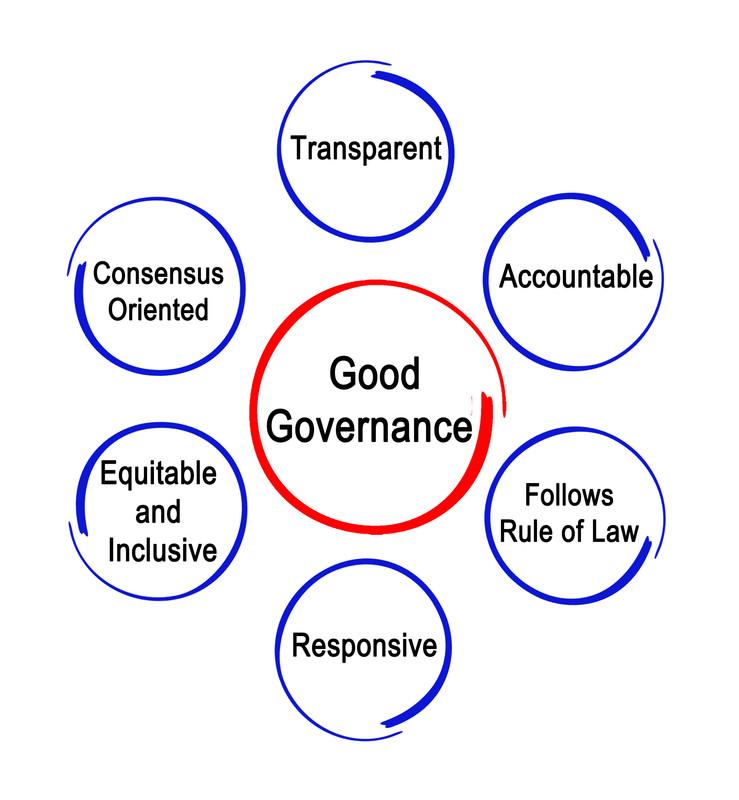
When a product is launched on the back of a public persona, the smallest misstep can magnify into a brand crisis. Robust frameworks that assign decision rights, escalation paths and review gates act like a ship’s ballast – stabilizing momentum without killing creativity.clear governance combined with visible metrics and public audit trails turns speculation into accountability, so audiences see not only the product but the rules that shaped it. Treat trust as a design requirement: embed ethical checklists, conflict-of-interest disclosures and crisis playbooks into the launch cadence so reputation risk is anticipated, not reacted to.
Practical measures spread risk across stakeholders and make response faster and fairer:
- Publish a launch playbook with legal, PR and product sign-off steps.
- Create shared ownership agreements that specify IP, revenue splits and withdrawal clauses.
- Form a cross-functional council (including community representatives) for ongoing oversight.
- Maintain obvious reporting – release redacted audit summaries or impact statements after launch.
| Role | Guardrail |
|---|---|
| Brand Steward | Approves public messaging and endorsements |
| Legal Counsel | Validates contracts and consumer protections |
| Community Council | Escalates user concerns and advises on fairness |
Operational playbook for scaling personality driven launches across channels and regions
Turn charisma into repeatable machinery – craft a libary of modular assets that translate a creator or spokesperson’s voice into consistent touchpoints: copy blocks, short-video templates, signature visual motifs and FAQ scripts. Embed these into a central playbook with clear roles (creative, localization, legal, channel ops) and a single source of truth for approvals so regional teams can adapt without reinventing. use lightweight KPIs and a vendor list to speed handoffs, and keep a living version history so every adaptation stays auditable and reversible.
- Templates: caption, subject line, short-form video shotlist
- Channel briefs: purpose, tone, CTA, ideal asset lengths
- Localization kit: cultural notes, tone guides, timing windows
- Governance: approval SLA, content freeze rules, rollback plan
Operationalize launch rhythm with a predictable cadence: pre-launch rehearsals, staggered regional waves, and a rapid feedback loop from live metrics to content pivots. Create a compact regional dashboard that tracks sentiment, conversion, and amplification so teams can scale the personality across markets without diluting it. Example regional cadence and channel focus:
| Region | Primary Channel | Cadence | Local Lead |
|---|---|---|---|
| NA | Short video + Email | Weekly waves | Ops |
| EMEA | Social + PR | Bi-weekly bursts | Comms |
| APAC | Messaging apps + Live | Rolling launches | Local PM |
Keep the playbook lean, mandate real-time learning sessions after each wave, and bake portability into every asset so the same personality can feel native whether its a DM, a TV spot or a storefront banner.
Measuring long term value beyond virality to ensure sustainable growth and brand equity
Virality can light a fuse,but sustainable growth needs a wick that keeps burning. Focus on the signals that compound over time: retention curves, customer lifetime value, and the evolving quality of referrals rather than just raw share counts. Measure what sticks by tracking:
- Cohort retention – how each launch cohort behaves at 30/90/365 days
- Referral quality - are referred users active and paying?
- Net brand sentiment – trend over months, not days
- Revenue per user – incremental change vs one-off spikes
These are the levers that translate a personality-driven launch into lasting preference, not just a headline.
| Metric | Short-term Signal | Long-term Signal |
|---|---|---|
| Reach | Mass shares | Steady organic discovery |
| CAC Payback | Not measured | Recovery within 6-12 months |
| Brand Sentiment | Viral buzz | Positive sentiment growth |
| Cohort Retention | Initial spike | Stable retention curve |
Pair these quantitative reads with qualitative signals – founder authenticity, message consistency, and community feedback - and you get a picture of compound value. Plan content, product tweaks, and brand investments around the long tail of engagement so that personality becomes an asset for equity, not a momentary amplifier.
The Conclusion
As personalities step out from behind logos and into the spotlight, product launches have become as much about character as they are about capability. The shift reshapes how goods are introduced, how stories are told, and how audiences decide what – and whom – to trust. What began as a marketing tweak has matured into a new choreography where voice, values and narrative cadence set the stage.
This evolution opens creative possibilities and practical questions in equal measure. Brands gain immediacy and relatable touchpoints, consumers gain clearer emotional cues, and the market gains a richer variety of entry points – but not without trade-offs in authenticity, attention economics and regulatory scrutiny. The pace and personality of a launch can now accelerate adoption as quickly as it polarizes opinion.Whatever the next headline acts or platforms may be, the core lesson endures: products no longer arrive alone. They come accompanied by faces, stories and expectations that will shape their lives in the world.Observing that interplay – with curiosity rather than cheerleading – will be essential as the next generation of launches unfolds.