

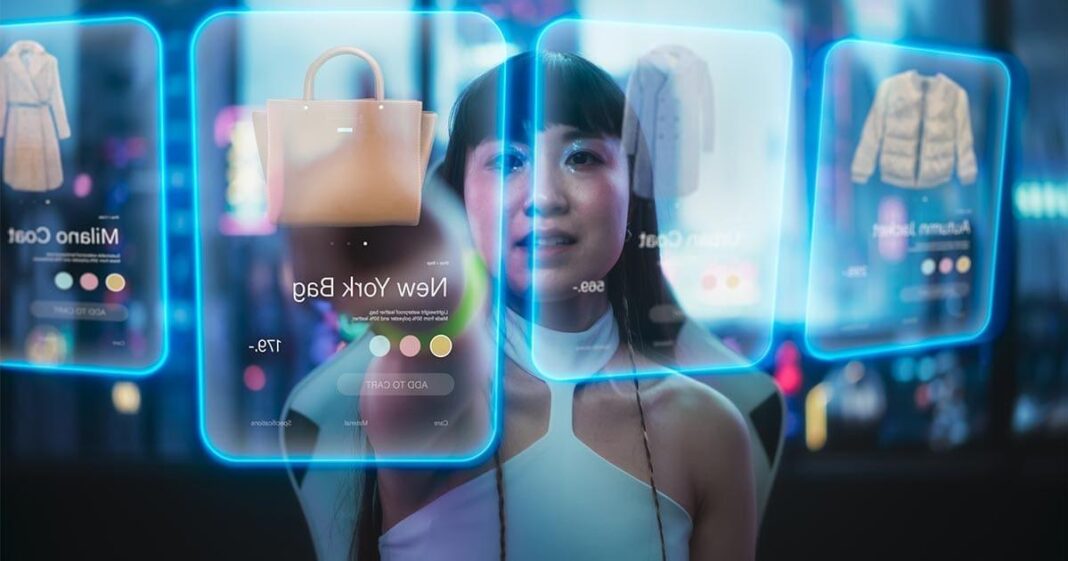

In an era where technology increasingly shapes our everyday interactions, augmented reality (AR) has emerged as a groundbreaking force transforming the landscape of customer experience. No longer confined to the realms of gaming or experimental art, AR is weaving itself into the fabric of retail, hospitality, and service industries, creating immersive experiences that not only engage but also empower consumers. As businesses strive to stand out in a crowded marketplace, the innovative application of AR offers a unique avenue for brands to build deeper connections with their customers, enhancing the way they shop, explore, and connect with products and services. This article delves into the captivating ways augmented reality is reshaping customer experiences, exploring its implications, benefits, and the future of consumer engagement in a technologically-driven world. Join us as we unpack the potential of AR to revolutionize the relationship between brands and their audiences, one layer at a time.
Exploring the Intersection of Augmented Reality and Customer Engagement
As brands increasingly strive to create immersive experiences, augmented reality (AR) has emerged as a powerful tool to captivate and engage customers. By overlaying digital details onto the physical world,AR allows consumers to interact with products in ways that were once unimaginable. Imagine trying on a pair of shoes virtually, or visualizing how a piece of furniture would look in your living room before making a purchase—these are just a few examples of how AR transforms customer engagement. this technology enhances the shopping experience by offering personalized interactions, reducing uncertainty, and fostering deeper emotional connections between the consumer and the brand.
Your customers can benefit from AR in various crucial ways:
- Enhanced Product Visualization: shoppers can see how products fit within their environment.
- Interactive Tutorials: Brands can provide step-by-step guides for complex products.
- Gamified Experiences: Engaging consumers through interactive games tied to brand promotions.
Incorporating AR into marketing strategies not only aids in boosting sales but also enriches the overall customer journey. To illustrate this impact, consider the table below, showcasing the effectiveness of AR features across different industries:
| Industry | AR Application | Customer Engagement Benefit |
|---|---|---|
| Retail | Virtual Try-Ons | Reduced Returns |
| Real Estate | Property Tours | Increased Interest |
| Automotive | Car Customization | personalized Experience |
Transforming Retail Spaces Through Immersive Experiences

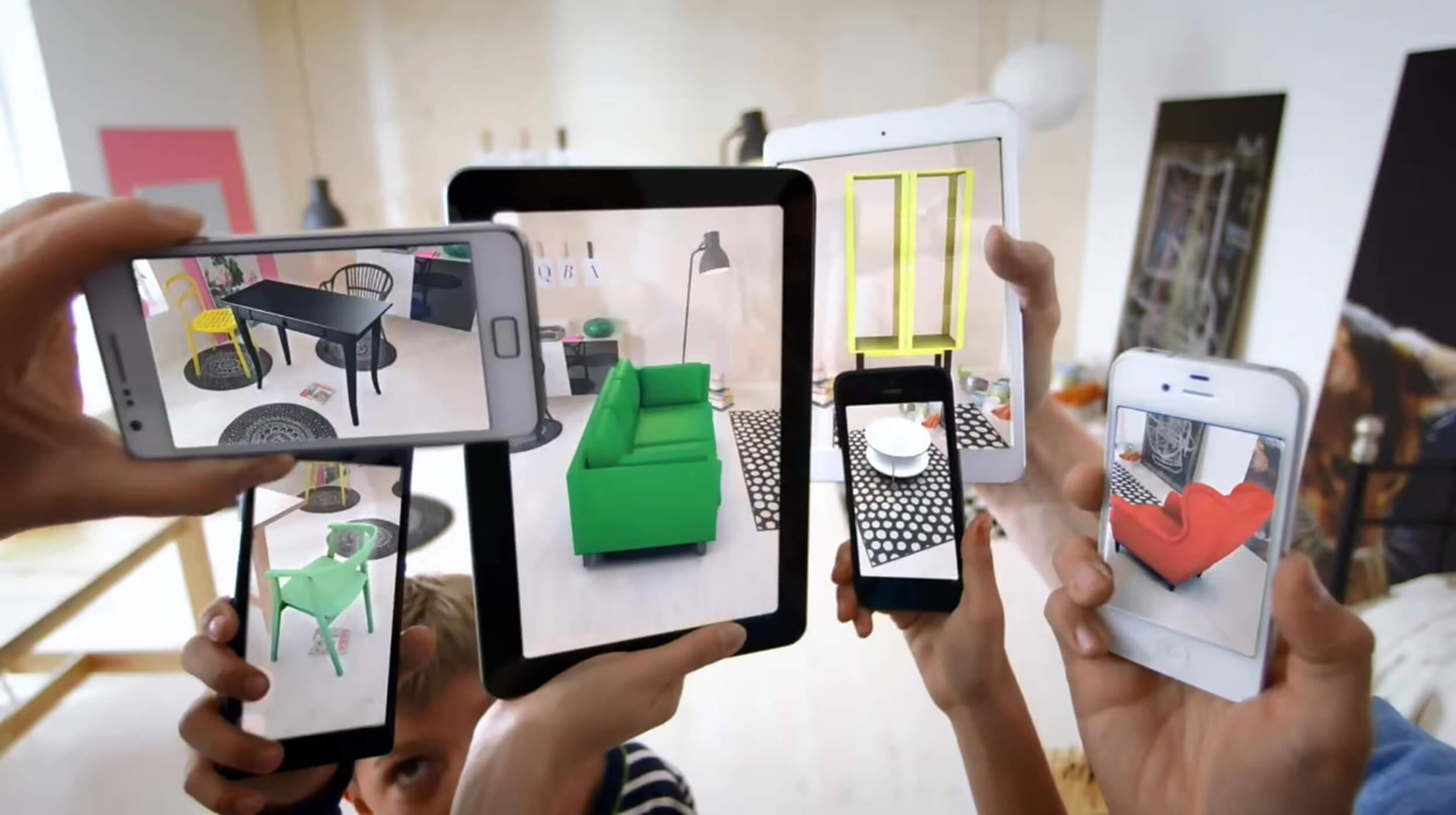
In today’s fast-paced retail environment, bridging the gap between digital and physical shopping experiences is essential. augmented Reality (AR) technology has emerged as a game-changer, empowering retailers to create environments that captivate customers and deepen engagement. With AR, shoppers can visualize products in their own space before making a purchase, transforming the way products are perceived. For instance,home furnishing stores allow customers to project furniture sizes and designs directly into their living rooms,ensuring confidence in their buying decisions. This level of interaction not only enhances satisfaction but also diminishes return rates, as shoppers feel more informed about their choices.
Moreover, by using AR elements such as virtual fitting rooms, personalized promotions, and interactive displays, retailers can tailor experiences to individual preferences. This ensures that customers not only find exactly what they’re looking for but also enjoy the journey.Key features of AR in the retail sector include:
- Enhanced Product Visualization: Allows customers to see how products fit into their lives.
- Interactive Product Demos: provides customers with virtual tours and explanations.
- Gamified Shopping Experiences: Engages customers through challenges and rewards.
Personalization at Its Best: Customizing Interactions with AR
Augmented Reality (AR) is transforming the landscape of customer interactions,allowing businesses to engage with consumers on a deeply personalized level. By leveraging AR technology, brands can offer tailored experiences that resonate with individual preferences and behaviors.This is achieved through:
- Real-time customization: Using data analytics, AR can adapt content based on user interactions, ensuring that each experience is unique.
- Immersive product visualization: Customers can visualize products in their own environment, enhancing decision-making and building confidence in their purchases.
- Interactive engagement: AR enables brands to create interactive storytelling that invites consumers to participate, rather than passively consume.
In the ever-evolving consumer landscape,AR stands out by bridging the gap between digital engagement and tangible reality. Through sophisticated algorithms, businesses can glean insights into user behaviors and preferences, enabling predictive customization. Consider the following example of AR applications across different sectors:
| Industry | AR Application | Customer Benefit |
|---|---|---|
| Retail | Virtual Try-On | Enhanced confidence in fit and style |
| Real estate | Property Visualization | Informed purchasing decisions |
| Automotive | 3D Car Configurator | Personalized vehicle selection |
Enhancing Product Visualization: Bridging the Gap Between online and In-Store
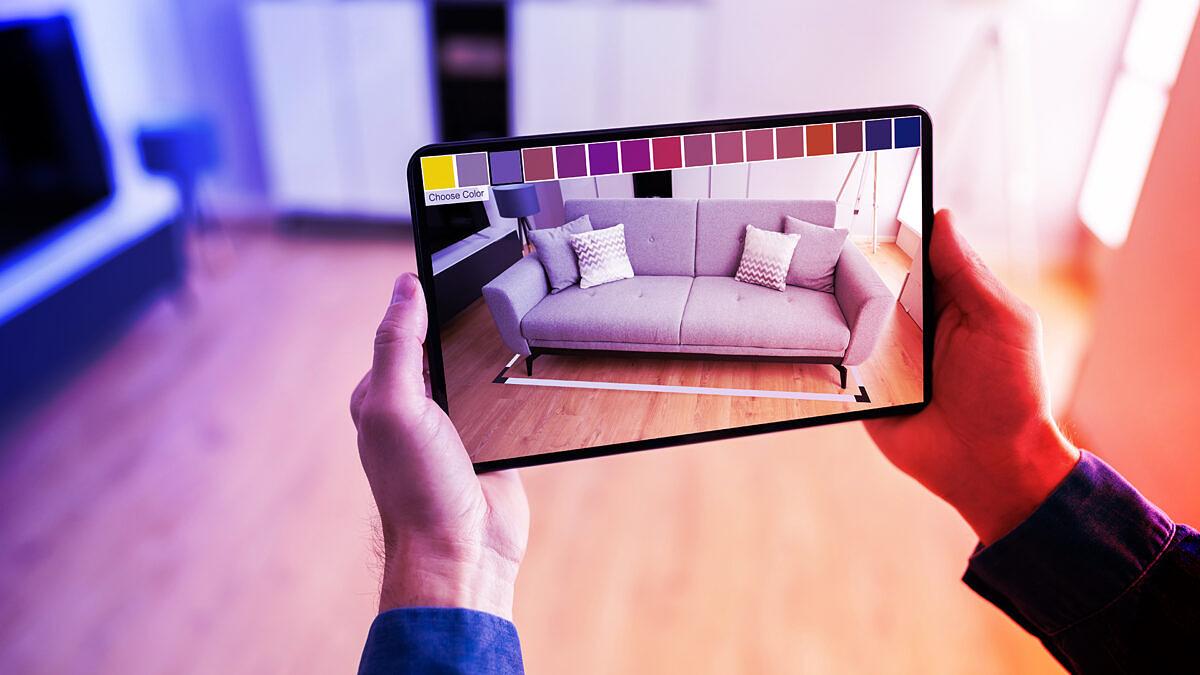
Augmented reality (AR) is redefining the retail landscape by seamlessly integrating digital experiences into the physical shopping journey. With AR technologies, brands can create immersive experiences that guide customers in their decision-making process. This bridges the gap between the tactile experience of in-store shopping and the convenience of online browsing. Customers can visualize how products will look in their own environment, be it furniture in their living room or clothing on their body, effectively enhancing their confidence in purchase decisions.
key benefits of incorporating augmented reality into product visualization include:
- Increased Engagement: Interactive experiences capture customer attention and encourage longer interaction times with products.
- Reduced Returns: By providing accurate visualizations, AR minimizes the chances of customers being dissatisfied with their purchases.
- Personalized Shopping: Tailored AR experiences allow consumers to visualize products that match their specific tastes and preferences.
To illustrate the effectiveness of AR in retail, consider the following data:
| Statistic | Impact |
|---|---|
| 75% of customers | Prefer AR-enabled shopping experiences for better decision-making. |
| 30% increase | In sales conversion rates when AR is integrated into the shopping experience. |
| 50% reduction | In product returns with accurate AR visualizations provided. |
creating Memorable Experiences: The Emotional Impact of AR
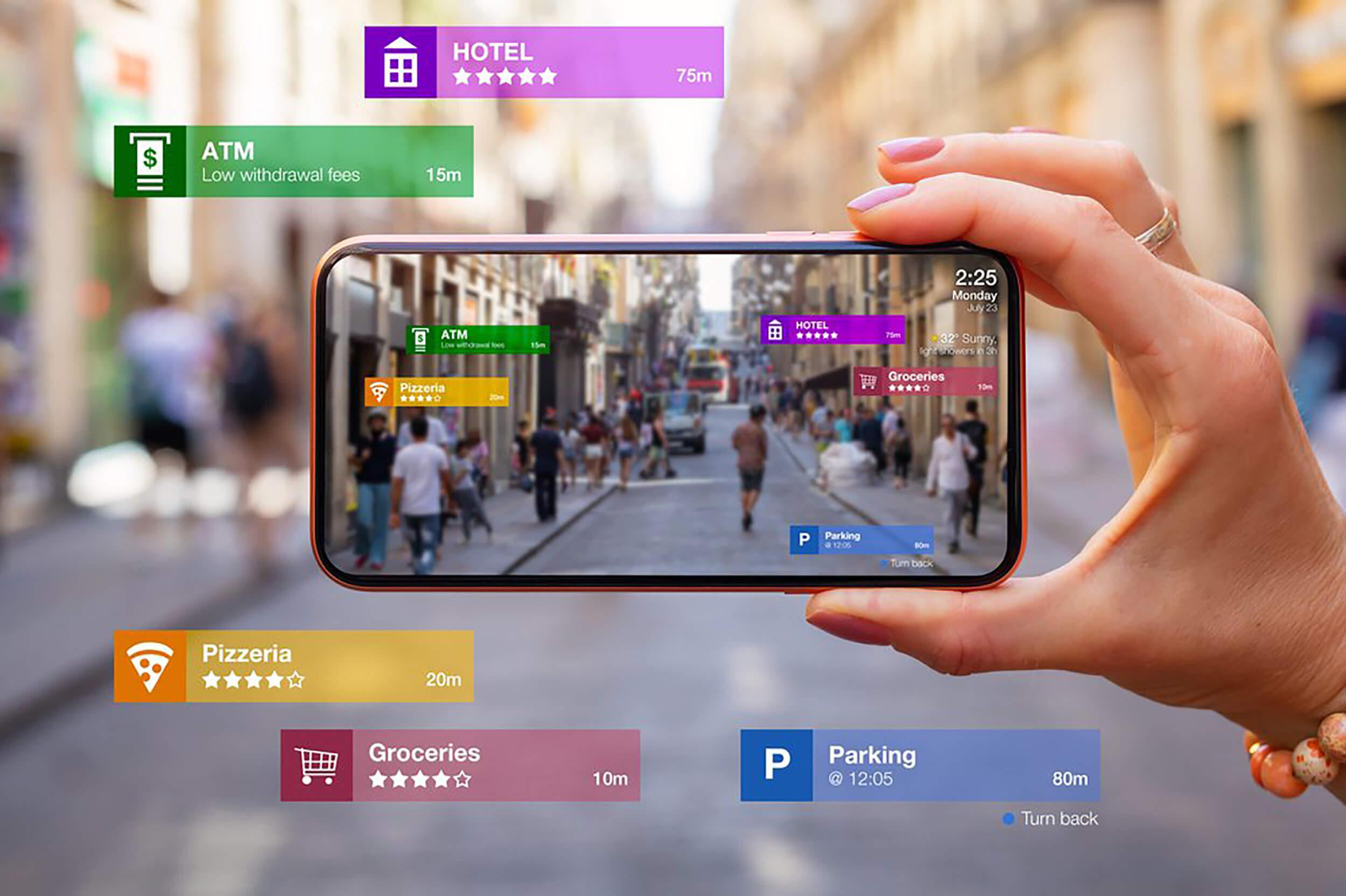
Augmented Reality (AR) transcends customary interactions, allowing brands to connect with consumers on a deeper emotional level. By merging the real and digital worlds, AR not only captivates attention but also fosters lasting memories. Imagine a customer stepping into a store and pointing their phone at a product, instantly revealing an interactive experience that transforms their perception and engagement. This unique capability to evoke a sense of wonder and curiosity can lead to stronger brand loyalty, as customers associate these experiences with positive emotions.
Moreover, the emotional impact of AR can be measured through various dimensions, enhancing customer experiences in unprecedented ways. Key factors include:
- Personalization: Tailoring experiences to individual preferences, making customers feel valued.
- Immersion: Creating a sense of presence that fully engages the senses and elicits emotional responses.
- Storytelling: Facilitating a narrative that resonates with audiences, making brands relatable.
to illustrate the effectiveness of AR applications,consider the following table of emotional responses versus engagement levels:
| Emotional Response | Engagement Level |
|---|---|
| Excitement | High |
| Nostalgia | Medium |
| Curiosity | High |
| Surprise | Very High |
By strategically leveraging these emotional connectors,brands can create unforgettable experiences that not only enhance customer engagement but also establish a deeper emotional bond with their audience,thereby driving future interactions and purchases.
Integrating AR into Marketing Strategies: Best Practices for Businesses
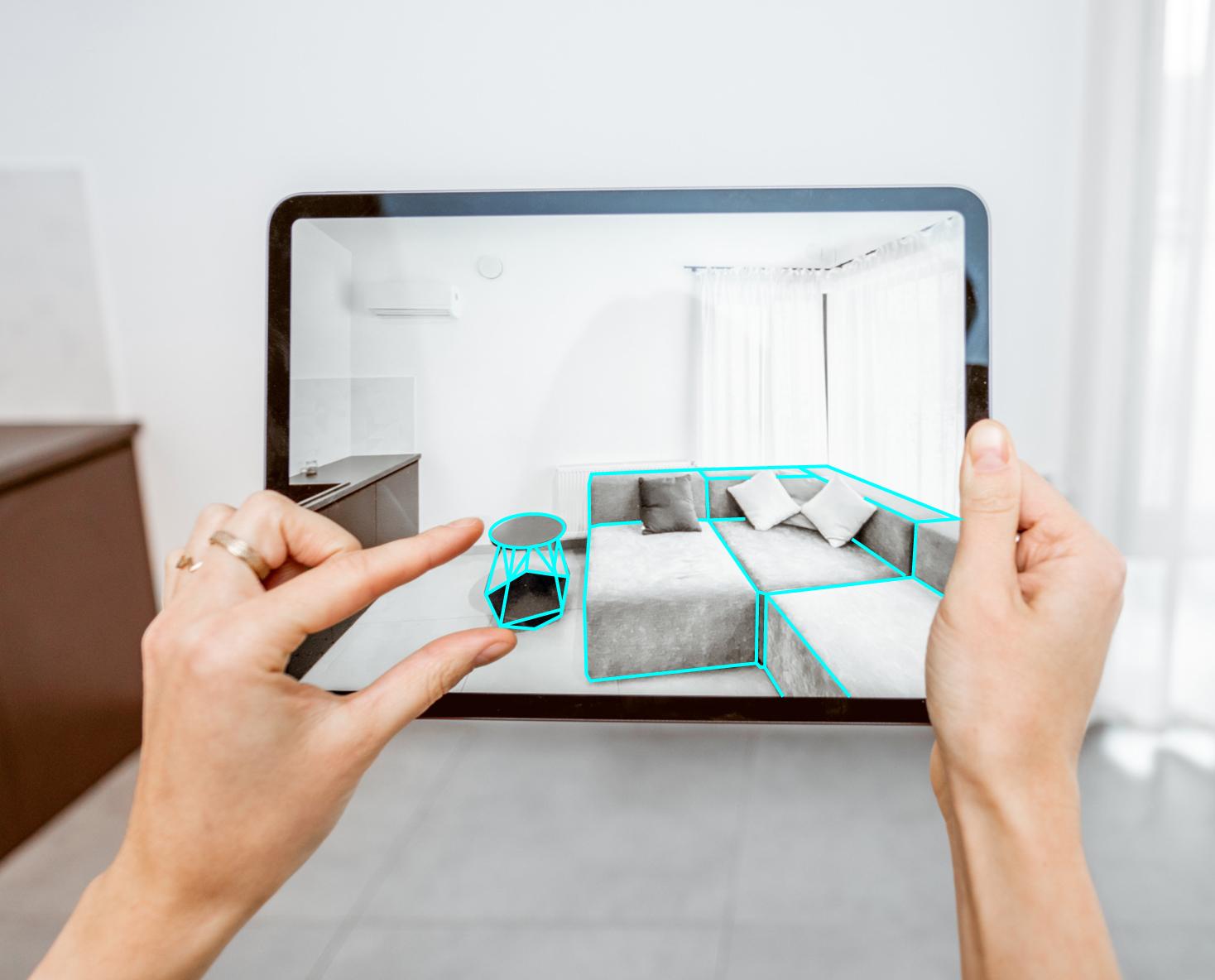
Integrating augmented reality (AR) into marketing strategies can profoundly transform the way businesses engage with their customers. By leveraging AR technology, brands can create immersive experiences that allow consumers to interact with products in real-time, enhancing their overall shopping journey. Companies can adopt various tactics to maximize AR’s effectiveness in marketing, such as:
- Virtual Try-Ons: Allow customers to visualize how products like clothing or accessories would look on them.
- Interactive Catalogs: Transform traditional catalogs into engaging experiences where users can scan pages to view 3D models.
- gamification: Encourage customer participation through AR games that offer rewards or discounts.
To ensure a successful integration of AR into marketing efforts, businesses should focus on the following best practices:
| Best Practice | Description |
|---|---|
| User-Centric Design | Prioritize user experience by making AR interactions intuitive and enjoyable. |
| Data-Driven decisions | Utilize customer data to personalize AR experiences and make them more relevant. |
| Cross-Channel Integration | Seamlessly combine AR with other marketing channels to create cohesive campaigns. |
Measuring Success: Key Metrics for Evaluating AR Implementation
When assessing the impact of Augmented Reality (AR) on customer experience, several key metrics can offer invaluable insights into the effectiveness of its implementation. Metrics such as user engagement, time spent interacting with AR features, and conversion rates can provide a clearer picture of how customers are responding to AR elements. By monitoring these indicators, businesses can gauge the level of interest and satisfaction that AR experiences generate. Furthermore, understanding customer retention rates post-AR engagement can signify whether AR enhances overall loyalty or simply acts as a novelty.
Another critical aspect in measuring success involves analyzing data related to customer feedback and Net promoter Scores (NPS) specifically related to AR interactions. Collecting qualitative feedback through surveys can reveal customers’ feelings about their AR experiences, providing a deeper understanding of what works and what needs advancement. Additionally, tracking metrics like uptime and error rates of AR features ensures that technological issues do not hinder the customer experience. These quantitative and qualitative measures form a complete evaluation framework that can definitely help businesses refine their AR strategies and enhance customer satisfaction.
Final Thoughts
As we draw the curtain on our exploration of augmented reality and its transformative impact on customer experience, it becomes evident that this innovative technology is more than just a fleeting trend. It is a bridge connecting the digital and physical worlds, inviting brands and consumers to engage in ways previously thought impossible. With AR’s ability to personalize interactions, showcase products dynamically, and foster deeper emotional connections, it is indeed set to become a cornerstone of modern customer service strategies.
As we step forward into a future where the boundaries of reality continue to blur, businesses that embrace augmented reality may not only delight their customers but also gain a competitive edge in an ever-evolving marketplace. The integration of AR promises not only to enhance the way we shop and experience brands but also to redefine the essence of customer engagement itself.
the journey of augmented reality is one of exploration, providing brands with the tools to not just meet, but anticipate the desires of their clientele. It invites us to imagine a world where every interaction is enriched by digital enhancements, making every experience not just satisfactory but memorable. The horizon is bright,and as AR continues to evolve,one thing is certain: the future of customer experience is set to be remarkable.