


There’s a soft, steady hum in the background of modern attention: human voices delivered into earbuds, cars, and kitchens.Podcasts started as a niche medium for long-form conversation, but tucked behind the interviews and stories is an overlooked lever that can move audiences in ways short-form tactics rarely do.
This growth hack isn’t a flashy tactic or a one-off viral play. It’s a compound effect-built on trust, time, and the freedom to explore ideas at length-that quietly amplifies reach, deepens engagement, and creates new distribution pathways for creators and brands alike. Podcasters convert listeners not by interrupting attention but by inhabiting it, and that changes how growth can be achieved.
In the pages that follow, we’ll unpack how podcasts transform listeners into advocates, how episodes become reusable assets, and why the format rewards patience over gimmickry.If you think of growth as a sprint, consider this a slow, persistent current that can carry you further then you expected.
Why host authenticity acts as a covert conversion engine and how to cultivate it
When a podcast host sounds like a human rather of a script, something subtle happens: listeners lower their guard and start treating recommendations as trusted advice rather than advertising. That quiet trust becomes a powerful growth lever-conversions happen not because listeners are being sold to, but because they feel seen. Trust,credibility,and small emotional bonds translate into real actions: follows,shares,and purchases. Here are the quick ways that genuine connection nudges behavior:
- micro-commitments: brief asks (subscribe,follow,try) land better from someone who feels familiar.
- Contextual conversions: offers woven into stories feel less like interruptions and more like helpful tips.
- Word-of-mouth: authenticity fuels recommendations from listeners to friends – the most trusted channel.
Cultivating that influence is less about tricks and more about habits you can practice every episode. small changes create a consistent persona that audiences learn to trust: be honest about motives, show imperfect moments, and make ads an extension of your voice rather than a break in it. Try these practical moves to grow that quiet persuasion into measurable results:
- Be prepared, not rehearsed: outline beats, then let conversation breathe.
- Share micro-vulnerabilities: one specific anecdote beats a generic take every time.
- Integrate sponsorships: tell why the product matters to you, not just what it does.
- Invite participation: listener questions, voice notes, and social callbacks deepen ownership and retention.
Turning native ad mentions into measurable funnels by scripting intent and tracking links
Podcasts are a fertile ground for subtle persuasion – if you script the mention with intent, you transform a casual endorsement into a predictable action path. Start by designing micro-CTAs that encode behavior: a phrase that hints at urgency, a clear verb, and a unique link or code for the episode. Use short, spoken templates the host can read naturally, for example “grab your 10% with code POD10 at” or “visit shortdomain.com/episode42”. These tiny language choices act as signals to listeners’ intent and make each mention into a measurable touchpoint.
- CTA template: one-line, natural-sounding script for hosts
- Intent flag: landing page that reads the link or code and surfaces a tailored experience
- Single-use token: coupon codes or shortlinks to avoid attribution noise
Once the phrasing is set, wire the links to a tracking funnel so every mention becomes a data point you can optimize. Use UTM parameters, redirect endpoints that log referrer and creative, and deep-links for app users; these make it trivial to attribute downloads, signups, or purchases to a particular episode or line. Below is a simple mapping to help you align scripting elements with measurable outcomes – implement this with a shortlink service or a server-side redirect to capture analytics before forwarding listeners to the final page.
| Scripting element | Why it matters | Example outcome |
|---|---|---|
| Vanity shortlink | Memorable, easy to speak | Clicks → click-through rate |
| Episode-specific code | Direct purchase attribution | Redeems → Revenue |
| Intent landing flag | Tailored UX for listeners | Signups → Conversion rate |
- track: impressions → clicks → conversions in your analytics.
- Iterate: tweak phrasing and link type until conversion lift is clear.
Repurposing bite sized audio across social platforms to amplify reach and capture leads

Convert a single podcast episode into dozens of magnetic moments by carving out the lines that stop listeners in their tracks – the quick wins, the contrarian takes, the case studies. Package each moment as a 20-60 second clip with captions and a simple waveform visual,then match the style to the platform: vertical reels,horizontal clips for YouTube snippets,looping audiograms for Twitter-like feeds.This approach turns one long recording into an evergreen content engine that seeds discovery and creates multiple entry points back to your funnel.
- Audiograms with a one-line hook and a CTA overlay
- Micro-episodes (single-insight clips) for newsletters and stories
- Transcript bullets republished as LinkedIn or tweet threads
Make each bite count for conversions: attach a short CTA - link to a gated resource, a sign-up form, or a time-limited offer – and track performance with UTM parameters. Automate distribution with scheduling tools, A/B test thumbnails and hooks, and retarget engaged viewers with tailored follow-ups: a teaser that converts into a full-episode listen, then into an email subscriber, then into a warm lead. Small clips create repeated exposure; repeated exposure turns casual listeners into actionable leads.
structuring show notes timestamps and transcripts to win search traffic and drive conversions
Think of each episode page as a search-optimized microsite: lead with a concise episode summary that uses natural language keywords, then surface a clickable timeline so listeners and crawlers can find the exact moment a topic, quote, or product is mentioned. Use keyword-rich descriptors for each timestamp (not just “Segment 1”) and include anchor links so Google can index the snippet and users can jump straight to high-intent moments. Publish a cleaned, searchable transcript below the player - with light editorial polish – so long-tail phrases and questions appear in organic results and snippets.
Turn attention into action by making the notes conversion-ready: highlight offers, link products at the exact timestamp, and sprinkle CTAs were intent is highest. Quick checklist:
- label timestamps with intent: “How to pitch investors (08:12)”
- Embed anchor links: one-click jump + shareable URL
- Include schema: add transcript/FAQ markup for rich results
- place CTAs at moments of value: sign-up, download, or product link near the mention
- Repurpose transcript: blog post, quotes for social, and newsletter snippets
Small structural changes like these turn passive listeners into discoverable content and measurable conversions.
Leveraging guest networks with co promotion playbooks to scale distribution fast
Podcast guesting becomes truly powerful when you stop treating it as a one-off shout and start designing it as a distribution partnership. Arm every appearance with a small co-promotion kit-short audiograms, a ready-made social caption, one-click tracking links and a shared landing page-and you turn a host’s audience into an immediate channel for your message. Small, coordinated actions before, during and after the episode multiply reach, because listeners are more likely to act when they encounter the same resource across multiple touchpoints.
- One-click share pack for hosts and teammates
- Co-branded resource or exclusive checklist
- Aligned launch cadence with synchronized CTAs
- Unique tracking links to measure real lift
A simple,repeatable playbook scales faster than sporadic outreach: prep the creative,set joint promotion dates,and repurpose short clips into paid and organic ads.Below is a compact playbook snapshot you can copy into your outreach flow and a quick expectation table to benchmark success-use it to convert goodwill into measurable distribution.
- Pre-launch: Share assets with the host and schedule social posts.
- Launch day: Cross-post, run targeted ads using episode clips.
- Post-launch: Repurpose highlights into newsletters and evergreen funnels.
| Phase | Action | Indicative Lift |
|---|---|---|
| Pre-launch | Asset handoff + co-announcement | +10-20% initial listens |
| Launch | Cross-posts + short ads | +30-60% reach spike |
| Post | Repurposed clips & CTA funnels | steady +5-15% monthly |
Measuring attribution with simple KPIs and tools that tie downloads directly to revenue
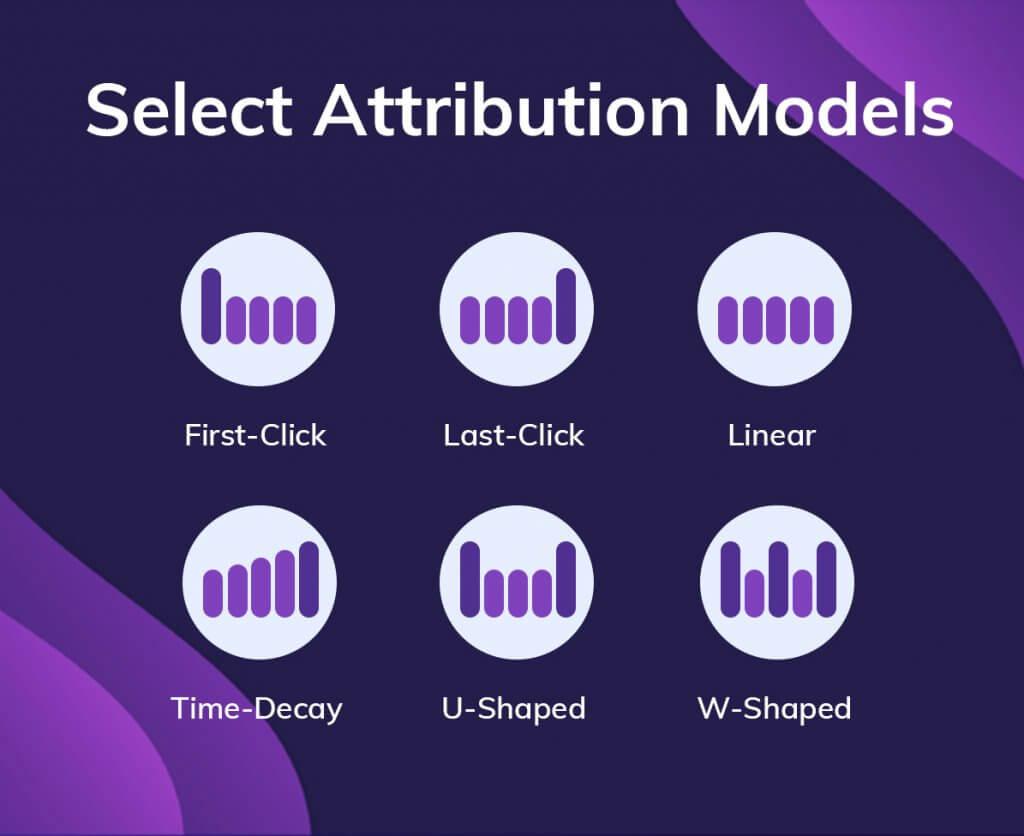
Think of a podcast as a stealthy storefront window: the voices inside invite listeners, but the true proof is in the receipts. Start with a handful of simple, directional KPIs - downloads tied to unique promo codes, click-through rate from episode show notes, and time-to-conversion after first listen – and you’ll get a clean signal without an engineering overhaul. combine those signals with lightweight tools like UTM-tagged landing pages,short custom coupon codes,and a pixel on the thank-you page to close the loop; these give you repeatable attribution and help you measure incremental revenue instead of guessing at influence.
- Downloads to CTA ratio – compare episode downloads vs. clicks on the episode link.
- Promo-code conversions – unique codes per episode to map sales directly back to episodes.
- First-touch LTV – attribute a conservative lifetime value to new customers from podcast campaigns.
- Time-window lift - measure purchases within 7-30 days of a listen to capture delayed conversions.
Once those basics are in place, translate metrics into revenue with a few tidy calculations: multiply episode-driven conversions by average order value or a conservative LTV to estimate attributable revenue. Below is a compact cheat-sheet you can pin to your analytics dashboard – use it to decide whether to scale a guest slot, sponsor an entire season, or double down on creative CTAs. The beauty is in the simplicity: a few clear KPIs and the right micro-tools turn a creative medium into a measurable growth channel.
| KPI | Tool / Method | What it tells you |
|---|---|---|
| Downloads → Clicks | UTM + short link | Engagement rate per episode |
| Promo Conversions | Episode-specific coupon | Direct revenue attribution |
| New Customer LTV | CRM + first-touch tag | Long-term value of podcast traffic |
Insights and Conclusions
Podcasts are more than sleepy background noise – they’re a quietly powerful channel where attention, trust and shareability intersect. The real growth hack isn’t a secret tool, but a shift in thinking: treat audio as an evergreen content engine and an intimate way to invite your next customer in, rather than just another promotional outlet.
Start small: experiment with one guest episode,repurpose five minutes into social clips,and track the simplest signals – listens,clicks,and follow-through. over time,those modest taps on the play button can add up to a durable audience pipeline that you can nurture and measure.If the surprise here is that something so low-glamour can move the needle,let that be encouragement. Podcasts reward patience, consistency and curiosity; used thoughtfully, they become less a gamble and more a reliable lever in your growth toolkit.