



In today’s fast-paced world, the concept of “hustle culture” has become a badge of honor for many, celebrated as the driving force behind success and innovation. From the early morning risers to the late-night grinders, an unyielding devotion to productivity is often viewed as a testament to one’s ambition and tenacity. Yet,beneath the shimmering surface of this relentless pursuit lies a complex interplay between hustle culture and mental health-a relationship that is as intricate as it is indeed impactful. As individuals strive to carve out their paths in an increasingly competitive landscape, questions arise: Is the hustle truly worth the price of our well-being? How does the glorification of constant achievement affect our mental health? In this exploration, we delve into the truth behind hustle culture, unraveling its promises and pitfalls, and ultimately seeking to understand its true cost in the relentless quest for success.
Exploring the Roots of Hustle Culture and Its Psychological Impact
The rise of hustle culture can be traced back to various societal shifts, ranging from the glorification of entrepreneurial success to the increasing demands of a competitive labor market. Many individuals feel compelled to adopt a mindset that equates productivity with self-worth, driven by the relentless pursuit of success. This phenomenon is often reinforced by social media platforms that showcase curated images of relentless ambition and achievement, creating an habitat where comparison and competition flourish. As such,the core principles of hustle culture often include:
- Non-stop work ethic: the idea that rest is for the lazy.
- Success as an identity: Defining one’s value through professional achievements.
- Perpetual growth mindset: The belief that there is always room for advancement and that one must always be moving forward.
This relentless drive can lead to meaningful psychological ramifications, particularly when individuals feel that they must constantly push their limits.The pressure to maintain an unyielding pace can result in elevated stress levels, anxiety, and even burnout. Individuals trapped in this cycle may experience a decline in mental health,as moments of rest and reflection become overshadowed by an overwhelming sense of obligation. The interplay between hustle culture and mental well-being can be summarized in the table below:
| Effects of Hustle Culture | Potential Psychological Outcomes |
|---|---|
| Chronic Overworking | Increased Anxiety |
| Inability to Disconnect | Emotional Exhaustion |
| Fear of Falling behind | Depressive Symptoms |
The illusion of Productivity: Understanding the Costs of Overcommitment
The pursuit of productivity often leads individuals down a path that glorifies overcommitment, creating an illusion of success that can mask deeper issues related to mental health. The pressure to be consistently “on” can result in a frenetic lifestyle characterized by long hours, minimal downtime, and an overwhelming sense of urgency. While hustle culture promotes the idea that relentless effort equates to achievement, what often goes overlooked are the detrimental effects on well-being, such as chronic stress, burnout, and a diminished sense of self-worth. The very habits we cultivate in the name of productivity may,actually,undermine our ability to find balance and fulfillment.
To truly assess the costs associated with overcommitment, we need to shift our focus from mere output to overall well-being. Consider the following factors that highlight the trade-offs made in the name of productivity:
- Health Risks: Chronic stress can lead to physical ailments, such as heart disease and weakened immune function.
- Relationship Strain: Overcommitting can hinder personal connections, making it tough to nurture invaluable relationships.
- Declining Creativity: Pressuring oneself to be consistently productive frequently enough stifles creativity and innovative thought.
The effects of this cost-benefit analysis can be profound. Below is a simple table illustrating the key impacts of overcommitment versus intentional downtime:
| Overcommitment | Intentional Downtime |
|---|---|
| Increased Anxiety | Improved Mental Clarity |
| Decreased Productivity | Enhanced Focus |
| Negative Work-Life Balance | stronger Personal Relationships |
Redefining Success: Shifting from Quantity to quality in Work Ethos

The pervasive notion of success dictated by hustle culture often prioritizes relentless productivity over personal well-being.This paradigm encourages individuals to measure their achievements by the sheer volume of hours they work and tasks they complete,leading to a decline in mental health. By embracing a mindset that values quality over quantity, we pave the way for deeper engagement with our work, fostering creativity and satisfaction. Instead of racing against the clock, focusing on the genuine impact of our contributions can enhance both individual fulfillment and collective outcomes in the workplace.
Shifting our perspective necessitates a cultural change where we celebrate enduring work habits. This includes recognizing the importance of breaks, promoting autonomy, and prioritizing mental health days as essential components of a thriving work environment. Companies can support this transition by implementing policies that encourage a balanced workload and by fostering an atmosphere where employees feel valued for the quality of their output rather than the number of hours logged. A well-paced approach not only nurtures talent but also cultivates job satisfaction, creativity, and long-lasting success.
Mental Health Implications: How Hustle Culture affects Well-Being

The relentless pursuit of productivity, often glorified by hustle culture, can exert significant pressure on individuals, leading to profound mental health challenges. Many people find themselves trapped in a cycle of continuous work, feeling that their self-worth is tied to their output. This mindset can manifest in various forms, such as anxiety, depression, and chronic stress. The constant need to prove oneself can create an environment where rest is seen as failure, further exacerbating feelings of inadequacy and burnout.
Moreover, hustle culture often emphasizes competition over collaboration, isolating individuals from supportive networks.As people prioritize their personal achievements, they may neglect meaningful relationships and social connections. In the long run, this can lead to a profound sense of loneliness, as the pursuit of success overshadows the importance of emotional well-being. To combat these implications, it’s crucial to cultivate a more balanced approach to work and life, recognizing the importance of mental health and the value of taking breaks.
| hustle Culture Impacts | Mental Health Effects |
|---|---|
| Constant productivity pressure | Anxiety and stress |
| Self-worth tied to achievements | Depression |
| Lack of rest | Burnout |
| Isolation from networks | Loneliness |
Strategies for Balance: Integrating Mindfulness into Everyday Routines

integrating mindfulness into your daily routine can be a transformative experience, allowing you to break free from the relentless pace of hustle culture.Begin with simple practices that can seamlessly fit into your day-to-day life. Here are some effective approaches to consider:
- Mindful Mornings: Start your day with a few minutes of meditation or deep breathing.this sets a positive tone and helps you cultivate awareness before diving into your tasks.
- Tech Breaks: Schedule short breaks from screens to reconnect with your surroundings. Use this time to stretch,walk,or simply observe your thoughts and feelings without judgment.
- Intentional Eating: Make mealtimes an possibility to practice mindfulness. Savor each bite,noticing the flavors and textures,which can enhance your relationship with food.
- Gratitude journaling: Spend a few minutes at the end of the day reflecting on what you are grateful for.This shifts your focus from hustle to recognition, fostering a positive mindset.
Another powerful way to incorporate mindfulness is by embracing routines as rituals. By infusing daily tasks with intention, they can become moments of peace rather than mere obligations. Consider these strategies to deepen your mindfulness practice:
| Routine Activity | Mindful Approach |
|---|---|
| Commuting | Listen to a guided meditation or inspiring podcast instead of working. |
| Household Chores | Be present during each task, focusing on the sensations and movements involved. |
| Exercising | Incorporate breath awareness and tune into how your body feels during workouts. |
| Bedtime Routine | Practice a wind-down session that includes reflection on the day, fostering relaxation. |
Cultivating a Sustainable Mindset: Alternatives to the Hustle mentality
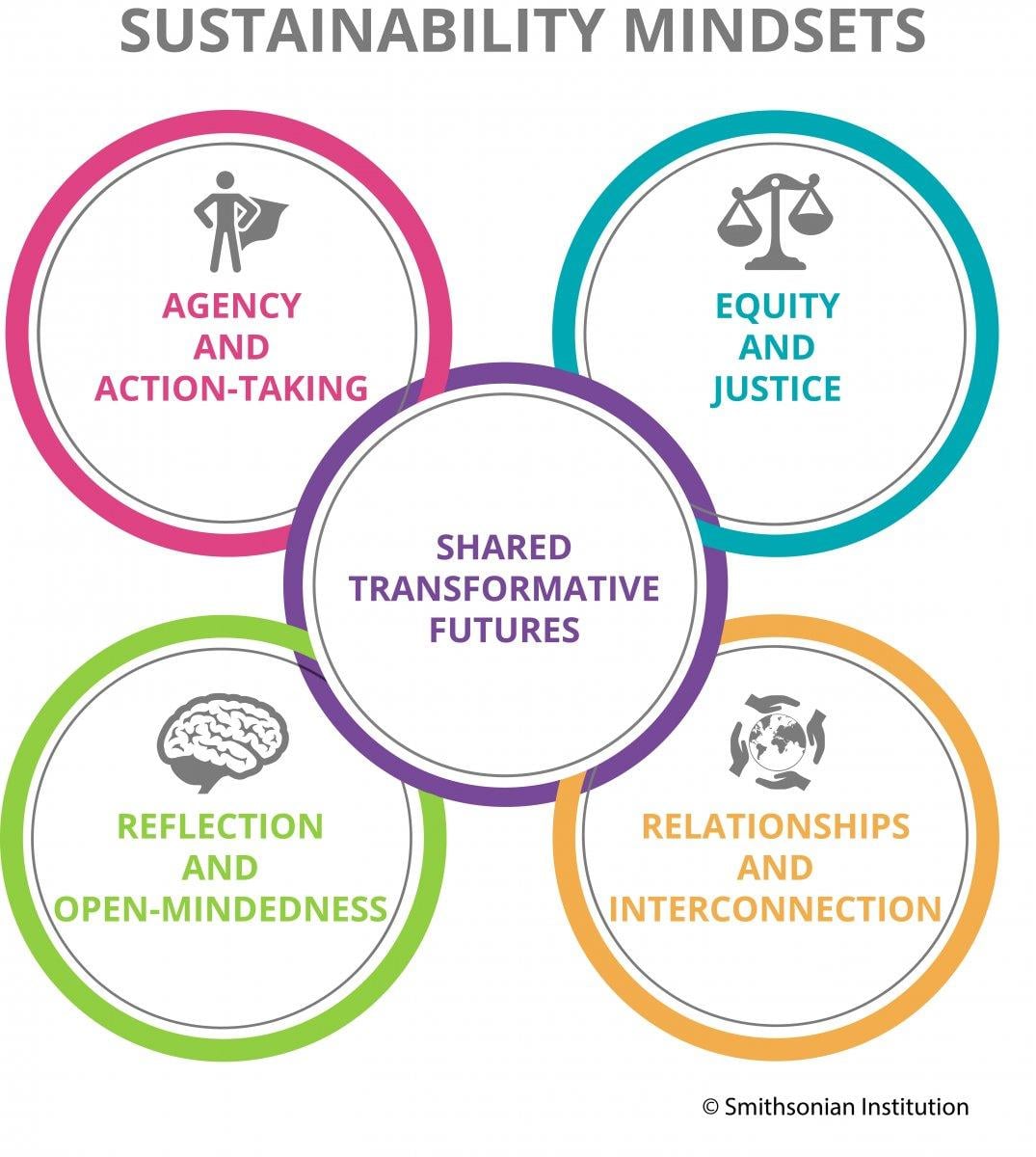
In a world where productivity is often equated with worth, it’s easy to lose sight of what truly nurtures our mental and emotional well-being. Stepping away from the relentless hustle means embracing a mindset that values balance and sustainable practices. To cultivate such a perspective, consider incorporating the following principles into your daily routine:
- Mindful Breaks: Schedule regular pauses to recharge your mind and body, fostering creativity and relaxation.
- Quality Over Quantity: Focus on fewer,more meaningful tasks rather than spreading yourself too thin.
- Community Engagement: Connect with others for support and shared growth, rather than competing for success.
- Vision Boards: Create visual representations of your goals to inspire and keep you aligned with your true aspirations.
By shifting the narrative, we can replace the hustle with holistic approaches that support our mental health. strategies such as adopting a growth mindset offer a captivating paradigm that emphasizes learning and resilience over competition. Below is a simple comparison of traditional hustle culture and a balanced approach:
| Hustle Culture | Sustainable Mindset |
|---|---|
| constant work and overtime | Regular breaks and downtime |
| Valuing busyness | Prioritizing meaningful productivity |
| Competition-driven | Collaboration-focused |
| Immediate results | Long-term growth and fulfillment |
Empowering Change: Building a Supportive community for Healthier Work Practices

In an increasingly fast-paced world, hustle culture encourages a relentless pursuit of productivity, frequently enough at the expense of well-being. The truth is, this mentality can lead to chronic stress and burnout, negatively impacting mental health. By fostering a culture that prioritizes balance over constant hustle, we can create a supportive environment where individuals thrive not just in their work but also in their personal lives. Key components of this shift include:
- Encouraging Breaks: regular downtime is essential for mental rejuvenation.
- Emphasizing Collaboration: Teamwork enhances creativity and reduces individual pressure.
- Promoting Open Dialog: A culture of openness fosters trust and support.
To successfully nurture this shift, organizations must recognize the importance of mental health as a vital component of overall productivity. this can be achieved through the implementation of programs that prioritize well-being, such as mindfulness initiatives and flexible work hours. Here’s a simple glimpse into potential supportive practices:
| Practice | Description |
|---|---|
| Mindfulness Sessions | Regular workshops to teach stress-reduction techniques. |
| Flexible Hours | allowing employees to work when they feel most productive. |
| Team Retreats | Organizing outings to strengthen team bonds and improve morale. |
Closing Remarks
As we navigate the complex terrain of hustle culture, it becomes increasingly clear that the relentless pursuit of success often comes at a cost to our mental well-being. The glorification of busyness can cloud our self-worth and warp our perceptions of achievement, leaving us weary and disconnected. Yet, this conversation isn’t merely a critique; it’s an invitation to redefine what success means in our lives.
By prioritizing mental health and embracing balance, we take the first steps toward a more compassionate understanding of productivity. Acknowledging our limits and recognizing the value of rest can lead to a more sustainable approach to our ambitions. As we disentangle ourselves from the chains of constant hustle, we open the door to creativity, fulfillment, and genuine connection.
Ultimately, the truth behind hustle culture is an evolving narrative-one that calls for critical reflection and mindful choice. In our quest for success,may we remember that our well-being is not just an afterthought,but a foundational pillar for every endeavor we pursue. As we move forward, let’s strive to cultivate a culture that celebrates not only what we achieve, but also how we feel along the way. The journey is just as critically important as the destination; let’s make it a journey we can all enjoy.