



In the wake of the global pandemic, a transformation swept through the landscape of industries, leaving some sectors struggling to adapt while others unexpectedly flourished. As businesses closed thier doors and disrupted supply chains forced a reevaluation of priorities, a number of niche markets emerged from the shadows, redefining how we think about work, leisure, and commerce. This article delves into the surprising success stories that have risen in the aftermath of COVID-19-from the surge in home fitness equipment to the meteoric rise of digital wellness platforms. By examining these thriving industries, we can gain insights into changing consumer behaviors, innovative solutions, and the resilience of the human spirit in a time of uncertainty. Join us as we explore the unexpected avenues of growth that have transformed challenges into opportunities in our post-pandemic world.
The rise of Remote Wellness Services Transforming Health and Fitness

The pandemic has catalyzed a seismic shift in how people approach their health and wellness, paving the way for a boom in remote services. Users are now embracing virtual solutions that cater to their physical and mental well-being from the comfort of their homes. Fitness trainers and wellness coaches have adapted by offering online classes,tailored nutrition plans,and personalized meditation sessions. With the freedom to engage at any time and from anywhere, individuals have access to a vibrant world of wellness opportunities that were previously constrained by geographical limitations. The convenience of connecting with professionals via video chat has made health improvement an attainable goal for many, promoting a routine that fits seamlessly into a variety of lifestyles.
As these remote services grow,so too does an array of technological advancements designed to enhance user experience. People are turning to a variety of innovative tools, such as:
- Wearable devices: Tracking fitness levels and health metrics with precision.
- Mobile apps: Offering guided workouts, meal tracking, and mental health support.
- Virtual reality: Creating immersive fitness experiences that express creativity while burning calories.
This dynamic evolution of wellness services not only reflects a profound change in consumer behavior but also highlights a permanent shift in how we perceive health and fitness. As companies invest in remote solutions, the blending of technology with personal health will likely define the future of the industry, ensuring that even post-pandemic, the rise of remote wellness services continues to flourish.
Digital Commerce Innovations shaping the Future of Retail Experiences
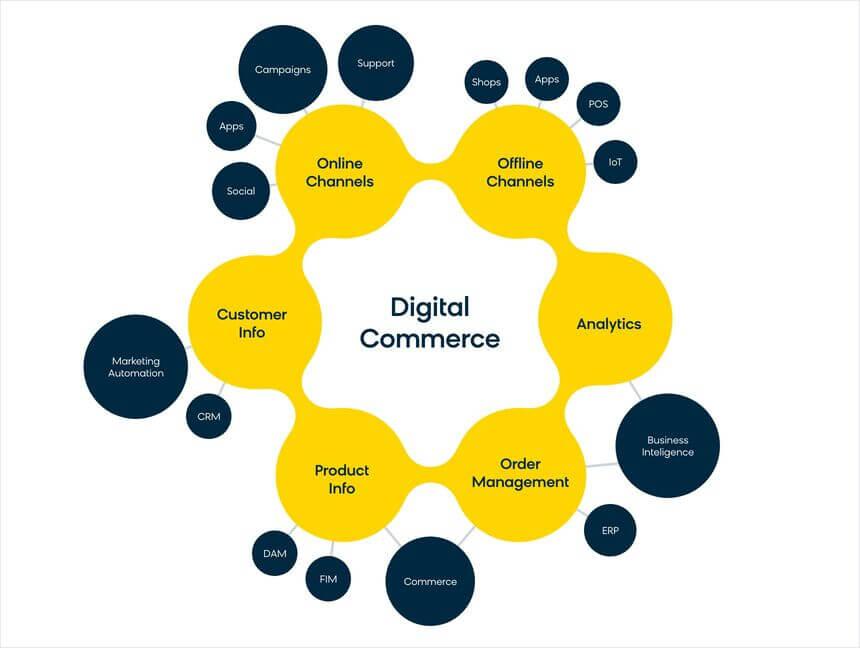
The retail landscape has undergone a radical transformation, with digital commerce innovations redefining how consumers interact with brands. From augmented reality fitting rooms to AI-driven personalized shopping experiences, these advancements have created new avenues for engagement. Retailers now leverage seamless omnichannel integration, allowing customers to switch effortlessly between online and offline shopping. The meaning of mobile wallets and contactless payments has surged, eliminating friction and enhancing convenience during transactions. As a result,more consumers are embracing digital platforms,prompting brands to adapt their strategies to cater to this evolving demographic.
As we look towards the future, the importance of data-driven insights becomes ever more evident. Retailers are utilizing advanced analytics to understand consumer behavior and preferences, leading to hyper-personalized marketing campaigns. New technologies such as chatbots and virtual shopping assistants are enhancing customer service, providing instant support and recommendations. additionally, businesses are exploring lasting practices by incorporating eco-pleasant products into their offerings, appealing to a growing segment of environmentally conscious consumers. The integration of these innovations is not just about survival in a post-pandemic world but thriving in an environment ripe with opportunities.
Sustainable Packaging Solutions Gaining Traction in Eco-Conscious Markets
In the wake of the pandemic,businesses are pivoting towards sustainable packaging solutions to address the growing consumer demand for eco-friendly practices. This shift is not merely a trend but reflects a basic change in consumer values, with more individuals prioritizing environmental stewardship in their purchasing decisions. Brands across diverse sectors are adopting materials that are biodegradable, recyclable, or made from renewable resources, thereby reducing their carbon footprints and demonstrating corporate social responsibility. Key players in this movement include:
- Food and Beverage Sector: Innovating with compostable containers and plant-based wraps.
- E-commerce Platforms: Utilizing minimalistic packaging to reduce waste and promote reuse.
- Cosmetics Industry: Leveraging refillable glass jars and biodegradable films.
As the ecosystem of sustainable packaging evolves, companies are increasingly experimenting with innovative designs that not only protect products but also enhance user experience. Circular economy models are becoming prevalent, encouraging consumers to return used packaging for recycling or repurposing. This holistic approach not only mitigates environmental impact but also aligns with the principles of sustainability that modern consumers embrace. To visualize the impact of this shift, consider the following table that outlines popular sustainable packaging materials and their benefits:
| Material | Benefits |
|---|---|
| Bioplastics | Compostable and derived from renewable sources. |
| Recycled Paper | Reduces deforestation and is easily recyclable. |
| Glass | Reusable, recyclable, and inert to chemicals. |
| Cardboard | Lightweight, strong, and biodegradable. |
Remote Learning Platforms Revolutionizing Education Accessibility

The shift towards online education has brought forth a wave of innovative platforms that have redefined how we perceive and access learning. These digital tools offer a diverse range of educational opportunities that transcend geographical boundaries, enabling students from various backgrounds to pursue their academic goals with flexibility. By employing interactive technologies, such as live video sessions, discussion forums, and gamified learning experiences, remote learning platforms have transformed traditional education into a dynamic, engaging venture. some of the key features driving this shift include:
- Accessibility: Learning can occur anytime, anywhere, reducing barriers for learners with disabilities or those in remote locations.
- Affordability: Many platforms offer free or low-cost courses, making education more budget-friendly.
- Diverse Learning Styles: Courses are designed to cater to various learning preferences, from visual and auditory to kinesthetic methods.
Moreover, the adaptability of these platforms to accommodate diffrent educational requirements has sparked a meaningful rethinking of the learning process. institutions are increasingly integrating hybrid models that facilitate both in-person and online participation, fostering an environment where learners can thrive irrespective of their circumstances. The following table summarizes some prominent remote learning platforms and their unique offerings:
| Platform | Main Features | Target Audience |
|---|---|---|
| Coursera | University-level courses, certificates, and specializations | College students and professionals |
| Duolingo | Gamified language learning; adaptive learning paths | Language learners of all ages |
| Khan Academy | Free educational resources and personalized learning dashboards | K-12 students and educators |
Pet Care Boom: Understanding the Surge in Pet Services and Products

The pandemic has irrevocably changed lifestyles and priorities,causing many pet owners to redirect their focus towards enhancing their pets’ well-being. As people spent more time at home, pets became steadfast companions, leading to a greater emotional bond.This increase in ownership and reliance on pets birthed a vibrant market for pet services and products. Not only have pet adoptions surged, but the demand for wellness services, specialty food, and enrichment products has skyrocketed. Businesses from grooming salons to luxury pet hotels have reported remarkable growth, effectively transforming into essential services for many households.
This boom has been further propelled by innovative trends that cater to modern pet owner preferences. From subscription boxes filled with organic treats to tech-driven solutions like smart collars and pet care apps, the industry has diversified. Some notable trends include:
- Telehealth Services: Virtual consultations with veterinarians have become a go-to for many, allowing seamless access to expert advice.
- Eco-Friendly Products: Sustainable and biodegradable pet supplies are increasingly desirable for environmentally-conscious consumers.
- Pet Fitness: Interactive toys and fitness trackers encourage active lifestyles for pets, which resonate well with health-aware owners.
These changes indicate a shift in consumer behavior, as pet care products and services are now often viewed as indispensable parts of household spending.The recent focus on personalized and high-quality offerings in pet care has also attracted a new demographic of pet parents willing to invest in their furry companions’ happiness and health. This evolution signals not just a fleeting trend, but a substantive cultural shift that will likely shape the future landscape of pet ownership.
Adaptation Strategies for Traditional Businesses Navigating the New Normal
To thrive in the post-pandemic landscape, traditional businesses must embrace a multifaceted approach to adaptation. This includes leveraging digital technologies to streamline operations and enhance customer engagement. Key strategies include:
- Diversifying Offerings: Introduce new products or services that meet changing consumer demands,such as health-focused options or online workshops.
- Enhancing Online Presence: Invest in user-friendly websites and social media platforms to reach wider audiences, making digital marketing a priority.
- Emphasizing Safety measures: Communicate health and safety protocols to instill consumer confidence,ensuring customers feel safe engaging with the brand.
A collaborative approach can also yield significant benefits for businesses entering this new era. Forming partnerships with local organizations or other businesses can amplify reach and resources. Consider these collaborative efforts:
- joint Promotions: Team up with complementary businesses to offer bundled deals that drive traffic to both parties.
- Shared Spaces: explore co-working or shared retail spaces to reduce costs and attract diverse clientele.
- Community Initiatives: Engage in local events or sponsorships to solidify your brand’s commitment to the community and foster loyalty.
Concluding Remarks
As we navigate the evolving landscape of a post-pandemic world,the emergence of unexpected industries thriving amidst adversity serves as a testament to human resilience and adaptability. From virtual wellness to sustainable packaging, these sectors have not only weathered the storm but have also highlighted new consumer priorities and changing lifestyles. As we move forward, it’s clear that innovation frequently enough springs from necessity, and these thriving industries are shaping a future rich with possibility. While challenges remain, the adaptability displayed by both businesses and consumers points to a promising horizon. Let us embrace this transformative period, keenly aware that every setback can pave the way for unforeseen growth. The journey ahead may be uncharted, but that’s where the greatest stories unfold. Here’s to new beginnings.