


In today’s fast-paced world, where relentless ambition often meets the unyielding demands of modern life, burnout has emerged as a silent epidemic, gnawing at the edges of productivity and joy. Yet, as companies strive to scale new heights, a perplexing relationship unfolds: the link between burnout and scaling. At first glance, scaling appears to be the beacon of growth and opportunity, a thrilling venture into expanded horizons. However,beneath the surface lies a complex interplay of pressure,expectation,and the human capacity for resilience. As organizations pursue rapid expansion, the risk of burnout looms large, threatening not only the well-being of their most valuable asset-their people-but also the sustainability and integrity of their growth. In this article, we will explore the unexpected connections between the quest for scale and the creeping shadows of burnout, shedding light on how conscious strategies can transform this duality into a harmonious balance of ambition and well-being.
Understanding the Paradox of Growth and Exhaustion
As organizations strive to achieve ambitious growth targets, a counterintuitive reality often emerges: the faster they scale, the greater the risk of burnout among employees. The relentless pursuit of expansion can create a toxic cycle where long hours, heightened stress, and the pressure to innovate lead to diminishing productivity. It’s essential to recognise that sustainable growth is not merely about revenue increases or market share; it hinges on the well-being of the workforce. An environment that promotes engagement and balance can counteract the fatigue that often accompanies rapid scaling.
To navigate this paradox effectively, leaders must implement strategies that prioritize employee health alongside business objectives.Consider the following approaches to create a healthier work atmosphere:
- Flexible Work Arrangements: Allowing employees to adjust their schedules can enhance work-life balance.
- Wellness Programs: Initiatives focused on physical and mental health can foster resilience.
- Regular Feedback Loops: Open communication can definitely help gauge employee sentiment and prevent burnout.
Additionally, understanding the interplay between workforce satisfaction and growth can be further elucidated thru the following table:
| Growth Strategy | Expected Outcomes | Risks |
|---|---|---|
| Rapid Hiring | Increased capacity | Onboarding fatigue |
| Extended Work Hours | Higher output | Employee burnout |
| Innovation Push | Market leadership | Creative exhaustion |
Identifying the Signs of Burnout in a Scaling Organization

As organizations scale, the pace and intensity of work often increase, leading to a rise in stress and a potential onset of burnout among employees. Some early signs include decreased productivity and lack of enthusiasm for tasks that were once engaging. Employees may express frustration over work-life balance, feeling overwhelmed by rising expectations and deadlines that seem to multiply without warning. It’s essential for management to recognize these indicators early, as they can escalate quickly, affecting not only individual performance but also team dynamics and overall organizational morale.
Another subtle but telling sign of burnout is a noticeable shift in communication.Employees may become disengaged during meetings, contributing less and avoiding discussions that require creative input or collaboration. On the flip side, you might observe an increase in interpersonal conflicts, as stress can exacerbate tensions among team members. To create a healthier work environment, consider implementing regular check-ins and anonymous feedback mechanisms to gauge employee sentiment. Here’s a simple table to keep track of these signs:
| Sign of Burnout | Description |
|---|---|
| Decreased Productivity | Decline in output and efficiency. |
| Lack of Enthusiasm | Reduction in motivation towards tasks. |
| Increased Frustration | Feelings of overwhelm and stress. |
| Disengagement in Meetings | Less participation and input from team members. |
| Interpersonal conflicts | Heightened tensions and misunderstandings. |
The Role of Leadership in Preventing Burnout During Growth
The importance of visionary leadership becomes particularly pronounced during periods of rapid expansion. Leaders possess the unique ability to set the tone and culture of an organization, ensuring that the pressures associated with growth do not translate into overwhelming stress for employees. By fostering an environment that prioritizes mental well-being, leaders can help mitigate the risk of burnout. Characteristics of effective leadership in this context include:
- Empathy: Understanding employees’ needs and challenges can create a supportive atmosphere.
- Clear Communication: Regularly sharing company goals and expectations helps employees feel aligned and valued.
- Versatility: Adapting work arrangements to suit individual circumstances can substantially enhance job satisfaction.
Moreover, leaders should actively promote a culture that encourages breaks and time off, recognizing that rest is crucial for sustained productivity. Implementing structured check-ins where team members can express concerns and share experiences can also form a safety net against burnout. To visualize this approach, consider the following table that outlines leadership strategies against employee burnout:
| Leadership Strategy | Impact on Employee Well-being |
|---|---|
| Regular Feedback Sessions | Enhances employee engagement and clarifies expectations |
| Recognition Programs | Boosts morale and reinforces a sense of achievement |
| Wellness Initiatives | Encourages healthy habits and reduces stress |
Creating Sustainable Workflows for scalable Success

In today’s fast-paced business environment, it’s all too easy to lose sight of the balance between growth and employee well-being. Implementing sustainable workflows requires a keen understanding of how individual tasks fit into the bigger picture. Here are some strategies to consider:
- Emphasize Communication: foster an open dialog among team members to address workloads and expectations.
- Automate Repetitive Tasks: Utilize tools and software that can handle routine duties, allowing employees to focus on more impactful projects.
- Encourage Breaks: Promote regular breaks to combat fatigue and boost overall productivity.
Moreover, adopting a flexible approach to project management can significantly enhance scalability without sacrificing employee morale. Consider the following methods:
| Method | Description |
|---|---|
| Agile Framework | Encourages iterative progress and rapid responses to change, leading to increased adaptability. |
| Task Prioritization | Focuses on developing critical tasks first, ensuring essential projects are completed efficiently. |
Fostering a Resilient Culture to Combat Burnout

Creating a robust environment that prioritizes well-being is essential for maintaining momentum as your organization scales. A culture that supports resilience can buffer against the pervasive threat of burnout, ensuring that employees feel valued and empowered. To cultivate this culture, consider implementing strategies such as:
- Open Communication: foster a safe space where employees can express their concerns and share their experiences without fear of judgment.
- Flexible Work Arrangements: Allow for remote work options and adjustable schedules that accommodate personal needs and responsibilities.
- Regular Check-Ins: Encourage managers to routinely engage with team members, identifying stressors early and discussing solutions collaboratively.
- Recognition Programs: Celebrate achievements, both big and small, to enhance employee morale and strengthen team dynamics.
To assess the effectiveness of these initiatives, organizations might consider tracking key metrics that reflect employee satisfaction and engagement. Monitor aspects such as workload balance, job satisfaction, and turnover rates. the following table showcases potential metrics to evaluate when implementing a resilient culture:
| Metric | Description | Measurement Frequency |
|---|---|---|
| Employee Satisfaction Score | Assess employees’ overall happiness and engagement levels. | Quarterly |
| Turnover Rate | Track the number of employees leaving the company. | Monthly |
| Stress Level Surveys | Gather data on the perceived stress levels among staff. | Bi-annual |
Strategies for Prioritizing Employee Well-Being Amidst Expansion
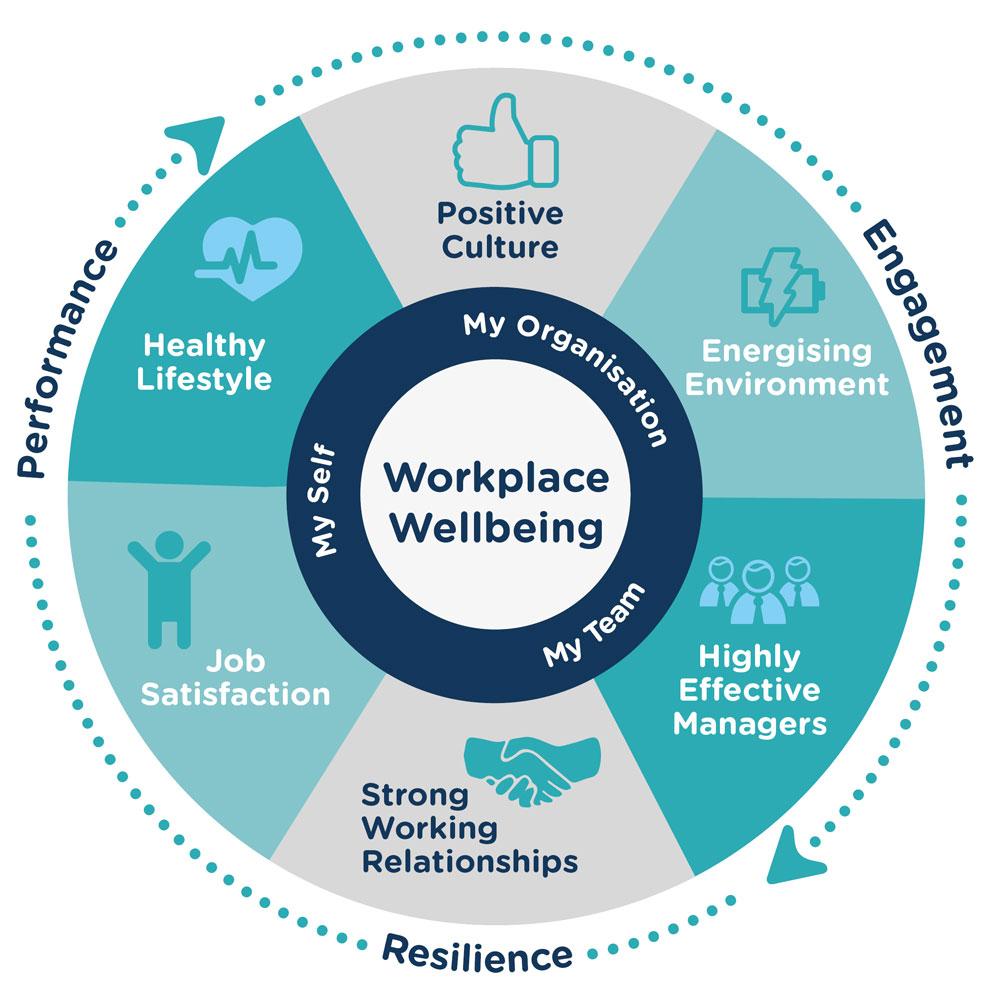
As organizations explore new horizons and grow their operations, integrating a strong focus on employee well-being becomes essential. To ensure that well-being remains a priority during these transitions, consider implementing strategies that not only safeguard mental health but also enhance overall productivity.Some effective approaches include:
- Flexible Work Arrangements: offer options for remote work or flexible hours, allowing employees to balance personal needs with professional responsibilities.
- Regular Check-Ins: Foster an open dialogue through scheduled one-on-one meetings, providing staff the chance to voice concerns and feel valued.
- Access to Mental Health Resources: Provide employees with easy access to mental health programs, workshops, and counseling services to support psychological well-being.
- Encourage Time Off: Promote a healthy work-life balance by actively encouraging employees to take their vacation days and utilize mental health days.
A culture that emphasizes well-being not only minimizes burnout but also cultivates loyalty and engagement among employees.An effective way to monitor the impact of these strategies is by gathering regular feedback through surveys. Utilizing the following format can definitely help assess the state of employee well-being:
| Survey Question | Response Options |
|---|---|
| How do you feel about work-life balance? | Very Satisfied / Satisfied / Neutral / Unsatisfied / Very Unsatisfied |
| Do you feel supported in your mental health? | Always / Frequently enough / Sometimes / Rarely / Never |
| How often do you feel overwhelmed? | Never / Rarely / Sometimes / Often / Always |
Measuring the Impact of Burnout on Long-Term Growth Potential

Understanding the relationship between employee burnout and an organization’s growth potential is crucial for sustainable success.studies indicate that burnout can lead to:
- Decreased Productivity: Employees experiencing burnout tend to be less effective, missing deadlines and struggling to meet performance targets.
- Increased Turnover: High levels of burnout contribute to employee attrition, which not only disrupts team dynamics but incurs significant costs related to hiring and training.
- Poor Innovation: A fatigued workforce often lacks the enthusiasm and creativity necessary to drive innovation, hindering a company’s competitive edge.
When assessing the long-term impact of burnout, it is indeed essential to explore how it affects organizational culture and employee engagement. A toxic work environment can stifle growth potential by:
- Fostering disengagement: Employees feeling overwhelmed may withdraw from collaborative efforts, stunting the team’s ability to innovate.
- Reducing morale: High levels of stress can permeate the workplace, resulting in a decline in collective motivation and trust.
- Impeding talent acquisition: A reputation for burnout can deter top talent from joining, as candidates increasingly prioritize workplace well-being.
| Impact of Burnout | Long-term Outcome |
|---|---|
| High Employee Turnover | Increases hiring costs |
| Low Productivity | Decreases revenue potential |
| Poor Innovation | Limits market competitiveness |
The Way Forward
As we draw the curtains on our exploration of the unexpected link between burnout and scaling, it becomes clear that navigating these intertwined phenomena requires a delicate balance. The drive for growth can often blind us to the subtle signs of fatigue that linger in the shadows, whispering warnings that demand our attention.When we consider the human element at the heart of every expansion effort, it’s critical to foster an environment that promotes well-being alongside ambition.
In a world where the pressure to succeed can sometimes overshadow our capacity to thrive, let us remember that sustainable scaling is not merely about climbing higher but ensuring that we do so with resilience. By recognizing the signs of burnout and cultivating practices that prioritize mental health, organizations can not only pave the way for growth but also honour the very roots that support it-our people.
As we venture into the future, may we embrace a holistic approach to scaling, where well-being and productivity coexist harmoniously, leading us toward success that is both meaningful and enduring. it’s not just about how high we climb, but the journey we undertake and the strength we build along the way.